What a Conveyor Bracket Assembly Does
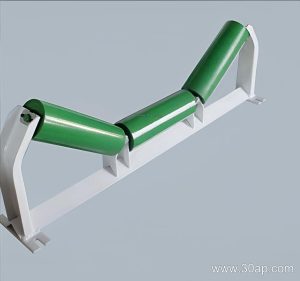
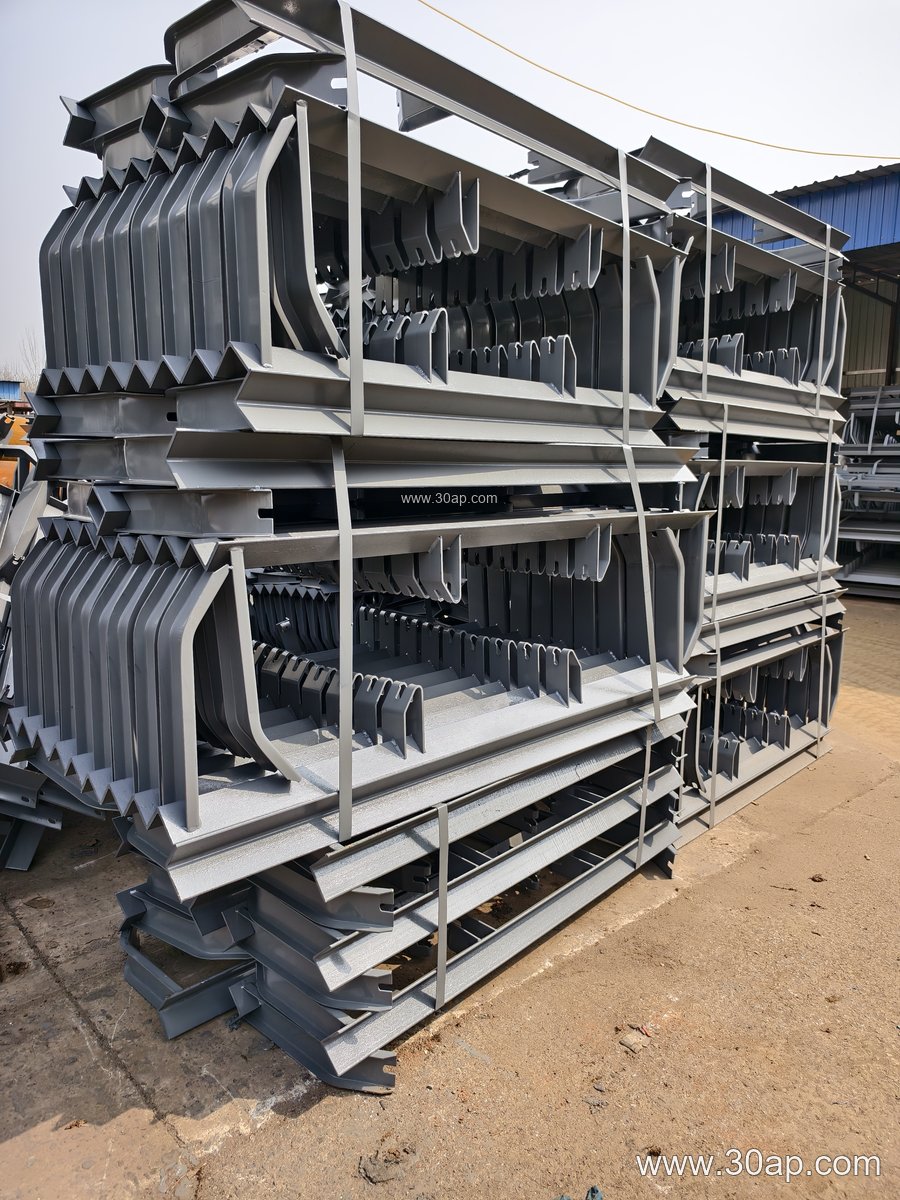
A conveyor bracket assembly is the structural interface between the conveyor frame and the idler rollers that carry the belt. It holds the rollers at the correct angle and spacing, keeps the belt profile stable, and transfers load into the main frame. In a quarry, cement plant, or power plant coal yard, this assembly is often the first component to show wear when alignment drifts or material build-up occurs. A well-matched bracket assembly helps the belt run centered, reduces edge damage, and extends roller life.
How the Assembly Is Built
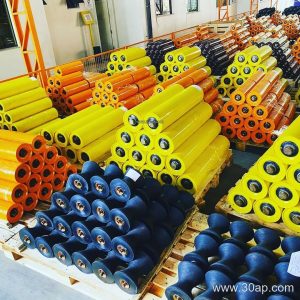
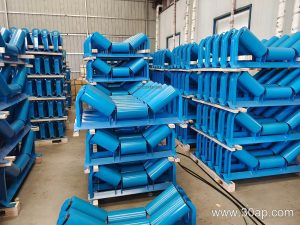
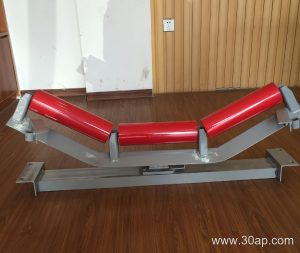
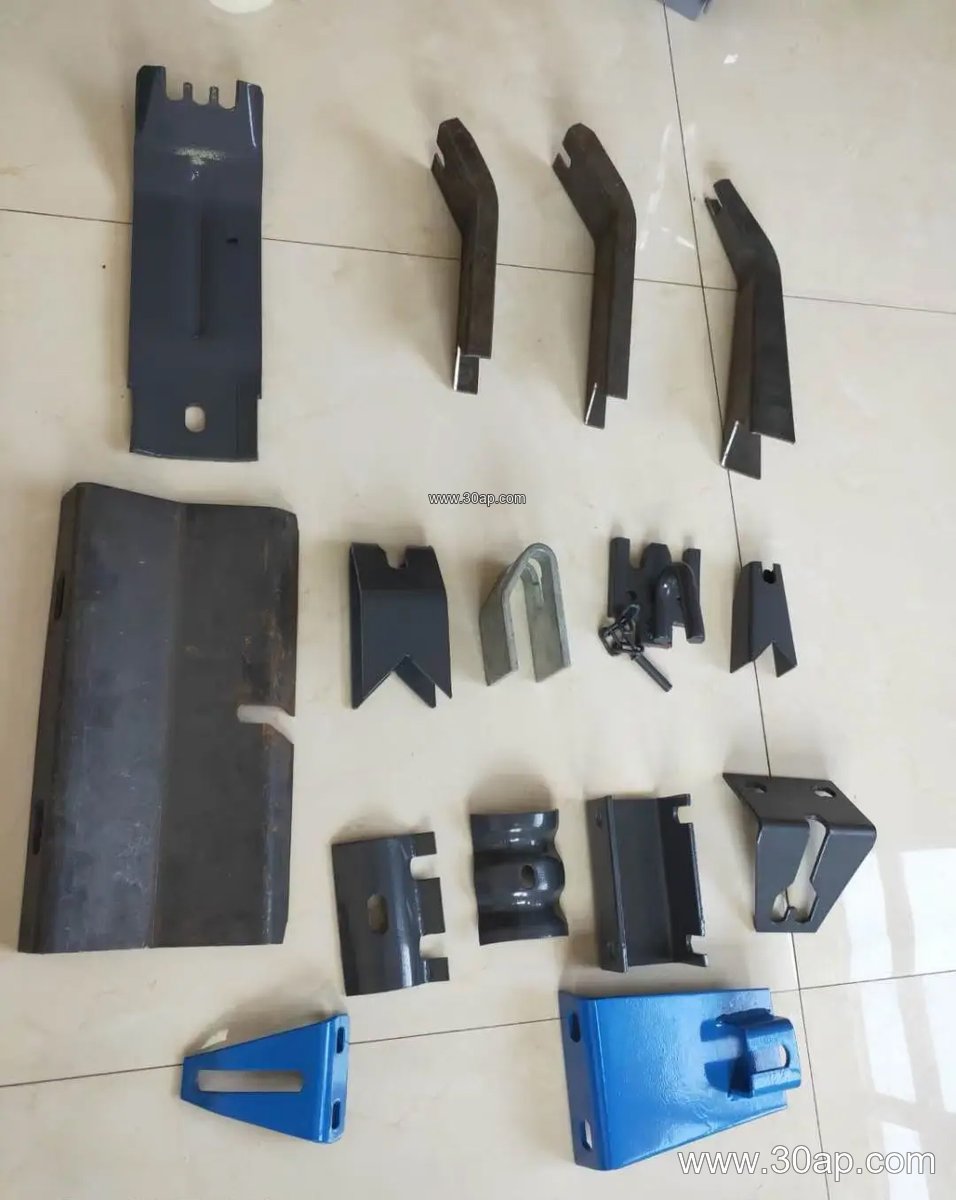
Most assemblies combine a crossbeam, mounting plates, and adjustable or fixed roller seats. Common materials include angle steel, channel steel, and folded steel plate. The bracket may be a troughing assembly for the carrying side, a return assembly for the lower run, or a transition assembly near pulleys. The design must match the belt width, trough angle, and roller diameter without forcing the belt into an unnatural profile.
Typical reference combinations include B800 with 35 degrees and Ø108 rollers, or B1200 with 45 degrees and Ø133 rollers. These are examples, not fixed rules. A 650mm belt may use 30 degrees with Ø89 rollers in a light-duty line, while a 1400mm heavy-duty assembly may use 35 degrees with Ø159 rollers. Installation hole spacing and beam length usually change with belt width and trough angle, so the assembly should be confirmed against the conveyor drawing.
Common Types and Where They Fit
Troughing brackets support the belt on the carrying side. Transition brackets guide the belt from flat to troughed near a pulley. Return brackets and V-return brackets support the lower run. Impact brackets are used under loading points, and self-aligning brackets help correct belt drift. Adjustable brackets allow the trough angle to be set among common values such as 20, 30, 35, and 45 degrees. Forward-leaning brackets are often set around 1.5 to 2 degrees to assist tracking.
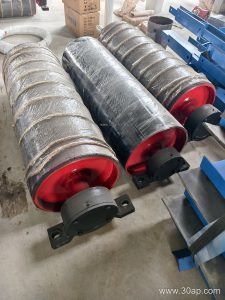
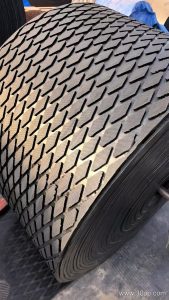
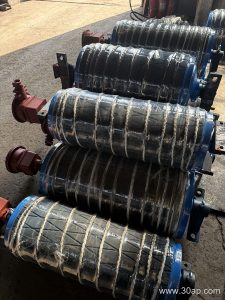
In a coal washing plant or underground coal mining conveyor, flame retardant conveyor belt and anti-static properties matter, but the bracket assembly still determines how well the belt is supported. In a crusher discharge line, a heavy-duty mining conveyor belt may need impact-resistant support at the transfer point. The bracket does not replace the pulley or roller; it positions them correctly.
Selection Points for Buyers
Buyers should confirm belt width, trough angle, roller diameter, mounting dimensions, and material thickness. The assembly should suit the actual load and environment. For a port conveyor handling abrasive ore, a robust bracket with wear-resistant contact points is sensible. For a food or fertilizer plant, smooth surfaces and easy cleaning may matter more than extreme thickness. A bracket assembly should not be chosen by belt width alone; roller diameter and frame details must also be checked.
Maintenance and Compatibility
Check bolts, welds, and roller seats during routine inspections. A loose bracket can cause belt misalignment and premature roller failure. Keep spare assemblies for critical transfer points. The bracket assembly works with the conveyor belt, idler roller, and conveyor pulley as a system. For example, a steel cord conveyor belt on a long overland line needs consistent support to avoid excessive sag, while a fabric core conveyor belt in a smaller plant may tolerate a lighter bracket. Matching the assembly to the duty keeps the whole conveyor stable.