What an EP Rubber Conveyor Belt Is
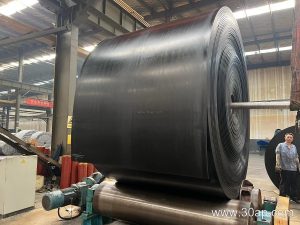
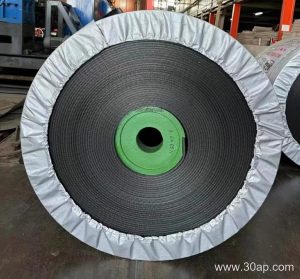
An EP rubber conveyor belt is a fabric-core belt built on polyester-cotton (EP) canvas plies, wrapped in rubber covers. The EP carcass gives the belt high tensile strength, low elongation under load, and good resistance to moisture and fatigue, which is why this construction is common on long overland lines and in dusty, high-tonnage plants. In day-to-day purchasing it is also called an EP fabric core conveyor belt or simply an EP conveyor belt, and those names refer to the same product.
The carcass is the load-bearing part. Multiple EP plies are bonded together, then top and bottom covers are applied and the whole assembly is vulcanized. A buyer looking at a rubber conveyor belt for a mine or cement works is usually comparing carcass type and cover grade before anything else.
Construction and Typical Specifications
EP belts are normally supplied with 2 to 6 plies depending on the duty. Cover thickness is written as top plus bottom, for example 4+2 mm or 6+2 mm. Strength grades follow the EP number, which refers to the breaking strength of the fabric in N/mm per ply. The values below are common reference points, not universal supply promises, and actual figures are set by the belt designer.
| Item | Common Reference Range |
|---|---|
| Strength grade | EP200, EP315, EP400, EP500, EP630, EP800, EP1000, EP1250, EP1600, EP2000 |
| Belt width | B500, B650, B800, B1000, B1200, B1400, B1600, B1800, B2000 |
| Cover thickness | 3+1.5, 4+2, 5+2, 6+2, 8+3 mm |
| Ply count | 2 to 6 plies, by design |
A 1000mm or 1200mm width is frequent on plant conveyors, while 1400mm to 1800mm appears on main trunk lines in quarries and ports. Belt width and pulley diameter are matched through the conveyor design, not by a fixed rule; a wider belt does not automatically dictate one shaft size.
Cover Grades and Environmental Fit
The carcass carries tension, but the cover decides how long the belt survives. Grade selection should follow the actual contact conditions:
- Abrasion resistant covers for crusher discharge, quarry run and sand making plant lines handling sharp rock.
- Heat resistant grades for cement clinker, sinter and power plant ash where surface temperature is elevated.
- Flame retardant and anti-static constructions for coal mining and underground coal mining conveyors.
- Oil resistant covers where lubricants, fuel or oily scrap are present.
- Cold resistant compounds for outdoor yards in freezing conditions.
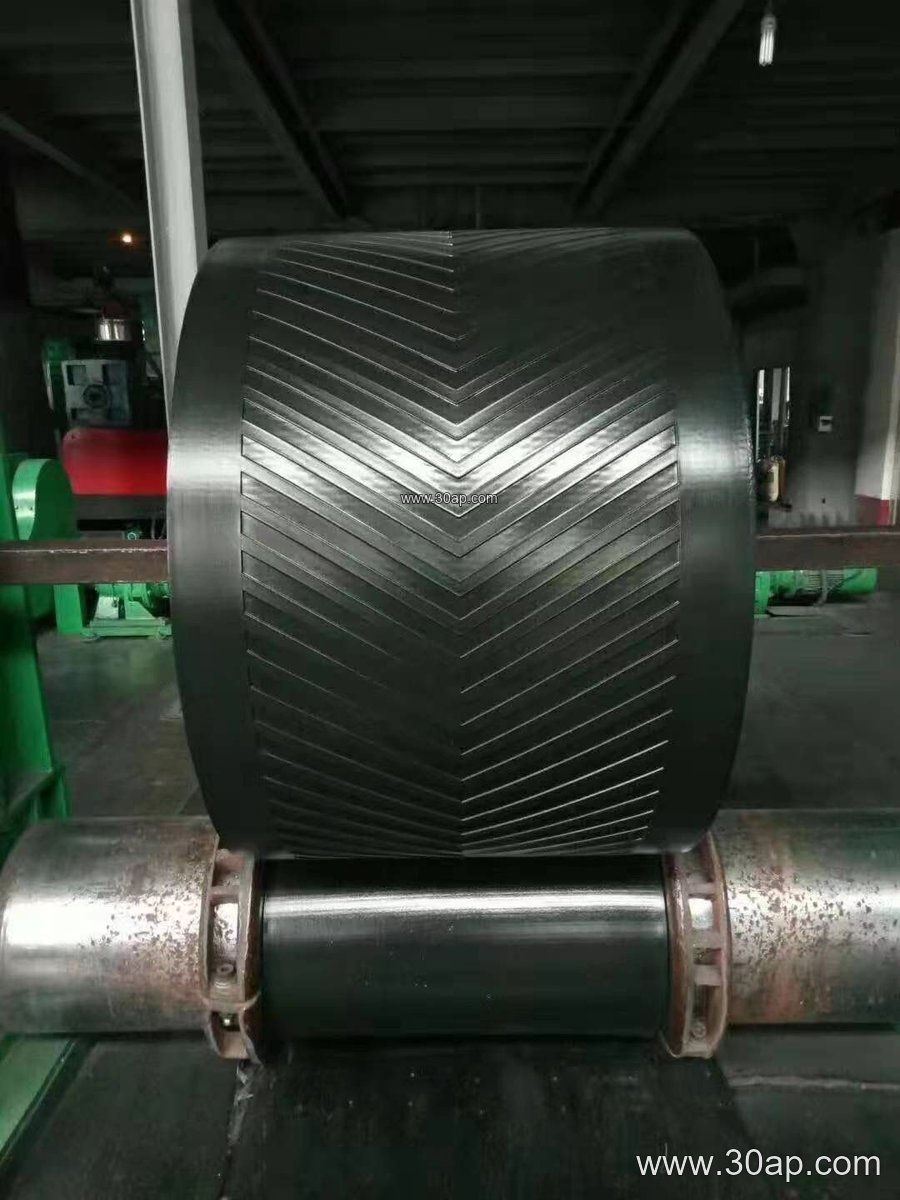
For very high tension or long single-flight lines, a steel cord conveyor belt may be the better fit; EP fabric core belts remain the practical choice where moderate tension, flexibility and easier splicing matter. Where material must be contained on an incline, a chevron or corrugated sidewall version of the same EP carcass can be specified.
Where It Runs
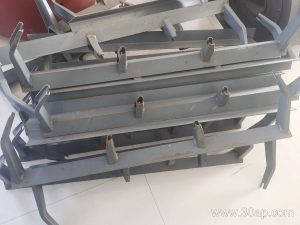
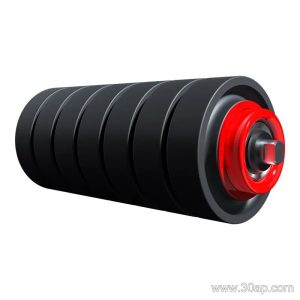
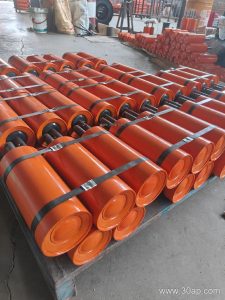
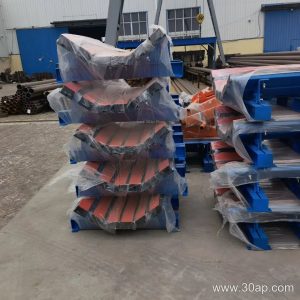
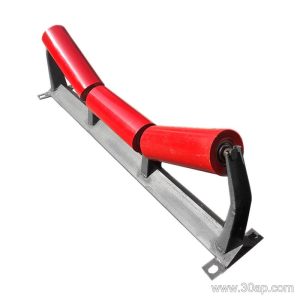
Typical duty includes iron ore and copper ore handling, coal preparation, cement plant raw meal and clinker, aggregate and stone crushing circuits, port ship loading, and recycling lines. On these conveyors the belt works with idler rollers, conveyor pulleys at the head and tail, and conveyor brackets that hold the frame together. Drive, tail and bend pulleys each do a different job, and the belt’s splice and cover grade should be chosen with the whole conveyor layout in mind.
Buyer Checklist
Before ordering, confirm the peak tension and take-up travel, the material size and temperature, whether the belt runs underground, and the available splicing method. State the required width, ply count, cover thickness and grade explicitly. Ask for the manufacturer’s own data sheet rather than relying on a generic table. A well-matched EP conveyor belt with the right cover grade usually outperforms an oversized belt with the wrong compound. Buyers comparing an abrasion resistant conveyor belt against a standard EP belt should weigh cover life against carcass strength, since both affect total cost per ton conveyed. For underground coal work, confirm the flame retardant and anti-static requirements with the site engineer. Finally, check that the conveyor pulley diameters and idler roller spacing suit the belt’s minimum bend radius, and keep spare splicing material on hand for planned shutdowns.