What a 2400mm Conveyor Belt Actually Is
A 2400mm conveyor belt is a wide-format rubber or polymer belt designed for conveyor systems that need to move large volumes of bulk material in a single pass. The width is the defining feature: at 2400 millimeters, this belt sits at the upper end of common industrial widths, and it is often chosen when a narrower belt would require higher speed, multiple lines, or excessive transfer points. In practice, it is also called a 2.4-meter-wide conveyor belt or a 2400mm wide belt, and those names refer to the same product. The belt itself is not a single homogeneous slab. It is a composite structure, and understanding that structure helps a buyer judge whether a given offer fits the application.
How the Belt Is Built
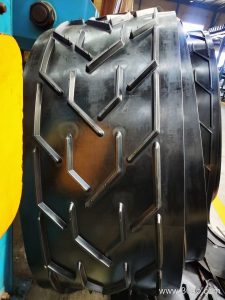
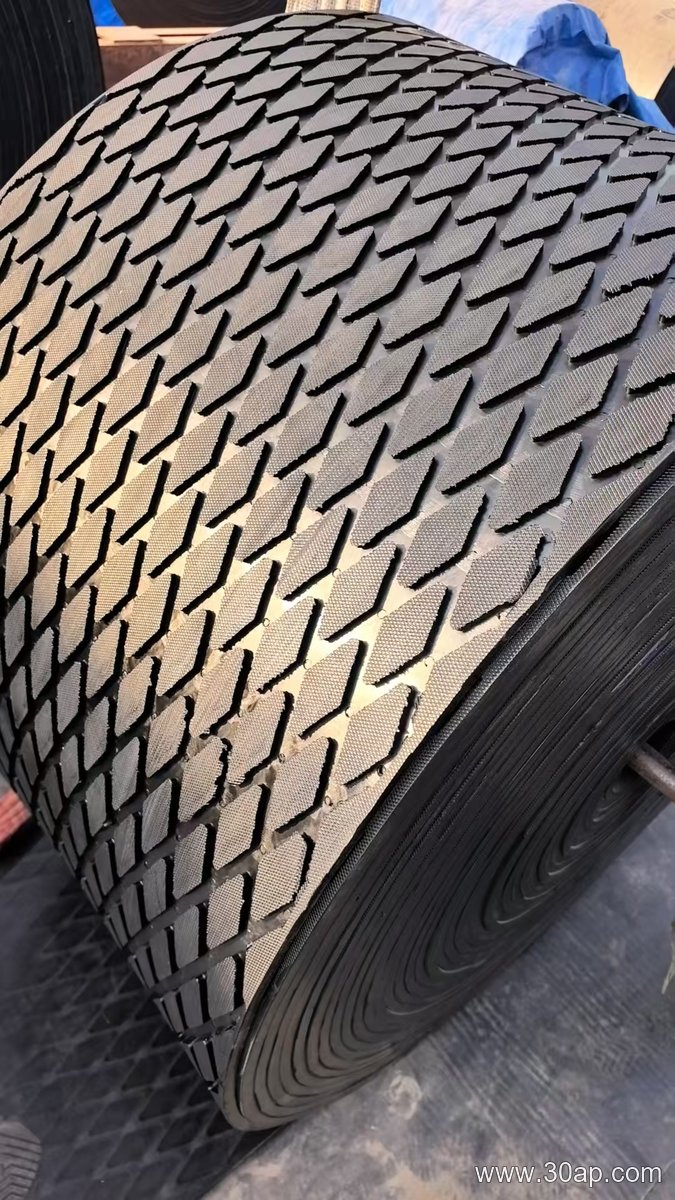
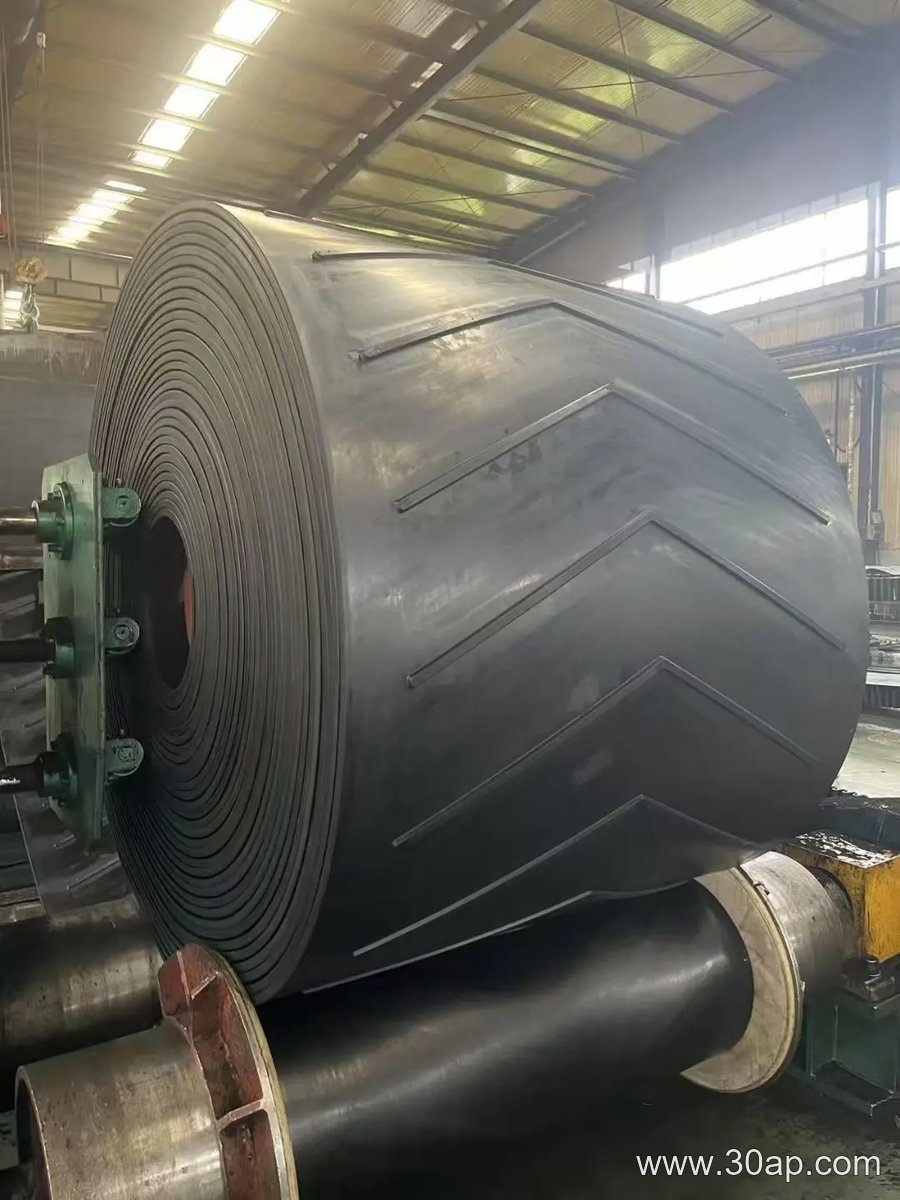
Most heavy-duty 2400mm conveyor belts use a carcass of fabric plies or steel cord, covered on both sides with rubber. The carcass carries the tension; the covers protect the carcass from abrasion, impact, and the material being conveyed. Common carcass types include EP (polyester-nylon) and NN (nylon-nylon), while steel cord construction is used where very high tension and low elongation are required. For a belt this wide, the number of plies or the cord arrangement is usually set by the design tension, not by the width alone. Cover thickness is often expressed as a top and bottom gauge, such as 4+2 mm or 6+2 mm, and these values are selected based on lump size, drop height, and abrasiveness. Surface forms can include smooth, patterned, chevron, or corrugated sidewall designs, but a smooth cover remains the most common for general bulk handling. The belt edges may be cut or molded, and the splice—vulcanized or mechanical—must be planned before the belt is ordered because a 2400mm width leaves little room for error in alignment.
Where This Width Makes Sense
Wide belts are typically found in mining, mineral processing, bulk ports, large quarries, and heavy industrial plants where a single stream carries a high tonnage. A 2400mm conveyor belt can be a good fit for primary crushing circuits, stockpile feed, and long overland conveyors. It is also used in some bulk handling terminals where receiving bins and transfer chutes are sized for a wide stream. The belt is not automatically the right choice for every high-capacity line. In some plants, two narrower belts running in parallel offer better redundancy, easier maintenance, and lower spare-part inventory. A buyer should compare the total system cost, not just the belt price. A wide belt demands a wider structure, larger pulleys, and more careful support spacing than a narrow belt carrying the same tonnage at higher speed.
Supporting Components Are Not Interchangeable
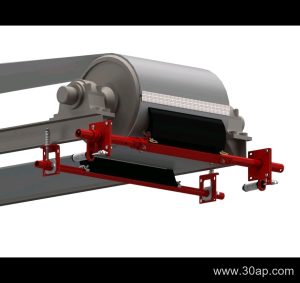
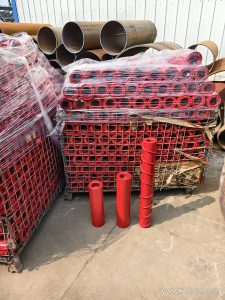
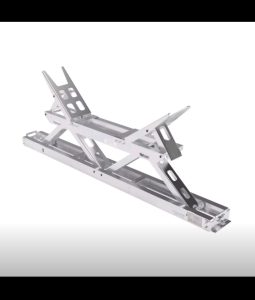
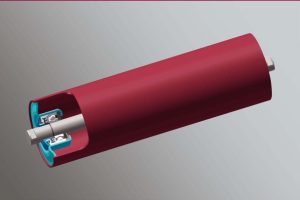
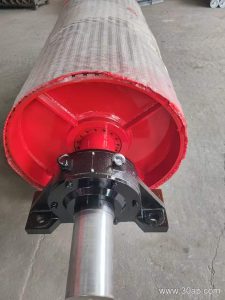
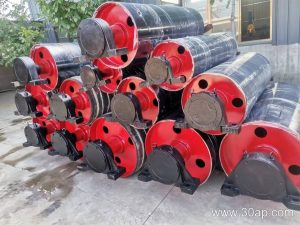
A 2400mm conveyor belt runs on a system of idler rollers, pulleys, and brackets. The drive pulley provides the motion, the tail pulley returns the belt, and bend pulleys change direction or manage take-up. These are distinct functions, and a drive pulley cannot be swapped for a tail or bend pulley without a design review. The same logic applies to idler rollers: a carrying idler, impact idler, and return idler have different roles even if they look similar. For a wide belt, the pulley face width, shaft diameter, and bearing size are determined by the belt tension and the load, not by the belt width alone. A common mistake is to assume that a 2400mm belt automatically requires one specific pulley diameter or shaft size. That is not how the calculation works. The conveyor designer sets those values from the duty, the belt speed, the material, and the required take-up travel.
Specification Details Buyers Should Confirm
When requesting a quotation for a 2400mm conveyor belt, it helps to provide the full duty rather than just the width. Useful details include the material type, bulk density, maximum lump size, tonnage per hour, belt speed, incline angle, loading method, and ambient conditions. From there, the supplier can propose a carcass type, cover compound, and cover thickness. Common cover grades include abrasion-resistant, heat-resistant, oil-resistant, flame-retardant, antistatic, and cold-resistant versions. A buyer should also ask about the splice method, edge condition, and whether the belt will be supplied in a single length or in sections. For very wide belts, transportation and installation can influence the decision: a 2400mm belt is heavy and stiff, so handling equipment and access routes matter as much as the belt specification itself.
Installation and Maintenance Notes
Wide belts are less forgiving of misalignment than narrow ones. The structure must be square, the pulleys must be level and parallel, and the idler rollers must be set to the correct height and angle. Tracking should be checked during initial running and after any splice. A belt that runs off-center on a 2400mm system can damage the edge quickly and may cause the belt to rub against the conveyor bracket or frame. Maintenance should include regular inspection of the cover for cuts, gouges, and exposed carcass, as well as checking pulley lagging and idler rotation. A seized idler roller can create a hot spot and wear a groove in the belt cover. For high-abrasion duties, a thicker top cover may extend service life, but it also adds weight and stiffness. The right balance depends on the material and the operating hours.
What to Avoid When Ordering
Do not treat the belt width as the only specification. A 2400mm conveyor belt is defined by its carcass, cover, tension rating, and splice, not just its dimensions. Do not assume that a belt used on one conveyor will fit another without checking the pulley diameters, take-up system, and loading conditions. Do not accept a substitute carcass or cover grade without confirming that it meets the duty. And do not overlook the supporting components: the idler rollers, pulleys, and brackets must be sized for the belt and the load. A well-matched system will run straighter, last longer, and cost less to maintain than a system where the belt is chosen in isolation.