What a 1000mm Drive Pulley Does on a Conveyor
The 1000mm drive pulley is the head-end drum that transmits motor torque into the conveyor belt, pulling the loaded strand forward. In plant drawings it is often called a head pulley or drive drum; all three names describe the same component. Its face width is normally sized for a B1000 belt, so the shell is commonly around 1150 mm wide, giving the belt a little margin on each side. Do not confuse it with a tail pulley, which turns at the return end, or a bend pulley, which only redirects the belt. Those parts carry different loads and cannot substitute for the drive drum.
How the Drum Is Built
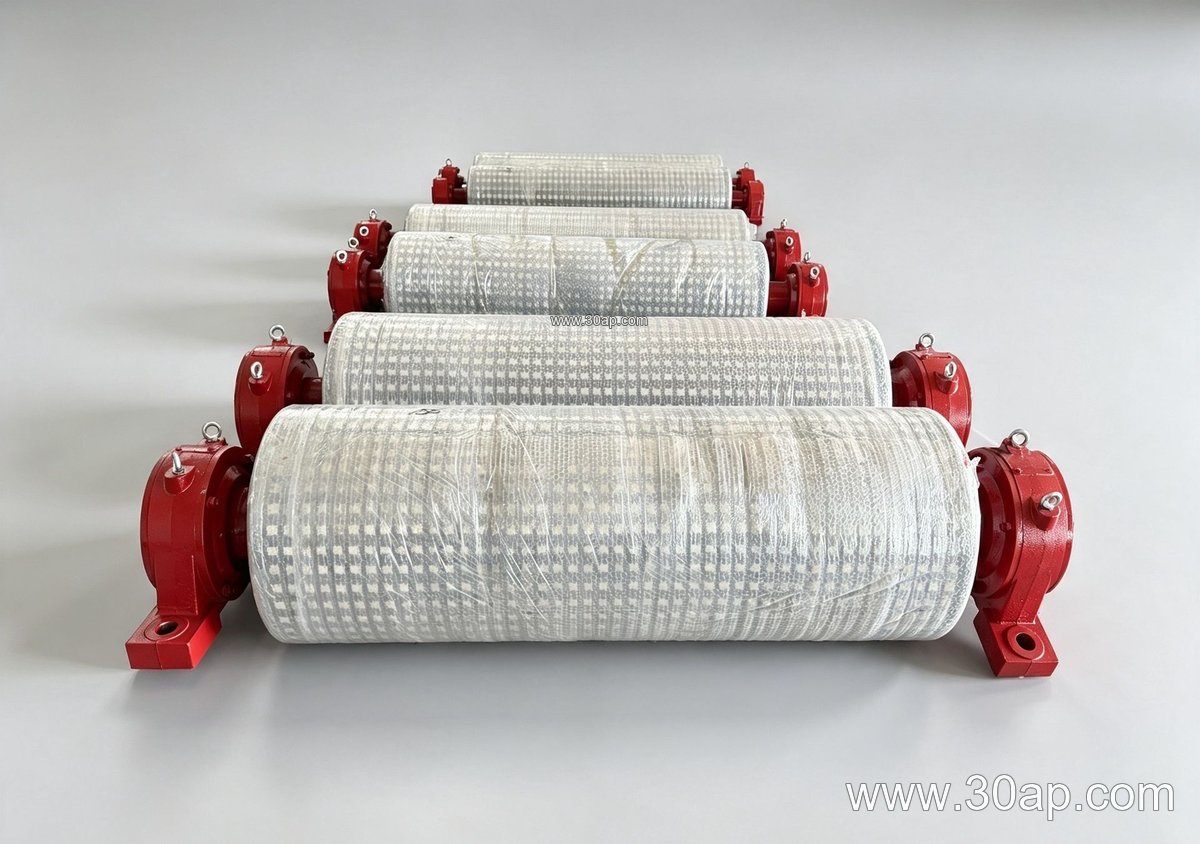
A typical unit combines a rolled steel shell, two end discs, a shaft and a lagging surface. Key construction points include:
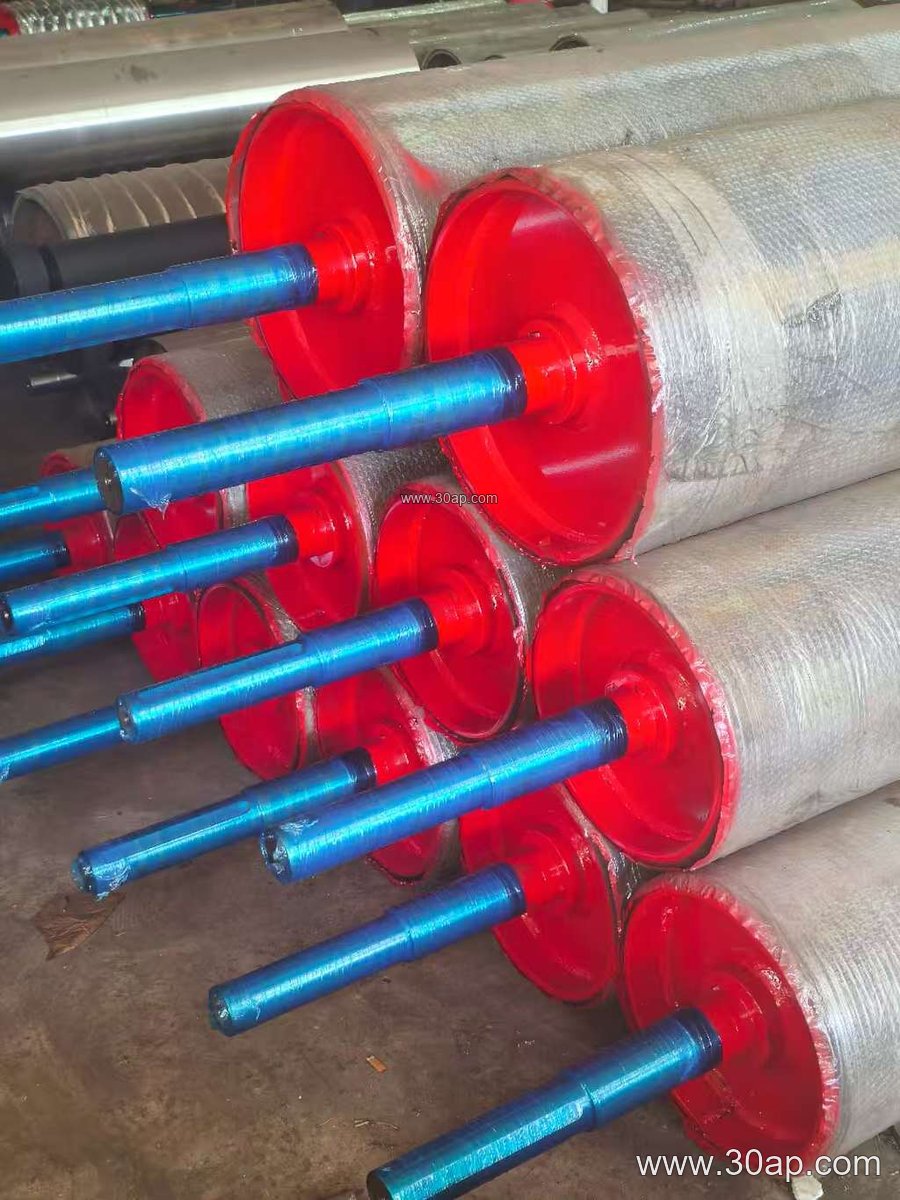
- Shell: rolled and welded steel plate, machined or ground for concentricity so the belt tracks evenly.
- Shaft: sized by torque and radial load rather than belt width alone. Common shaft diameters run from Ø100 to Ø200 for this class of drum, but the final value is a design decision.
- Bearings and hubs: selected for the expected belt pull and the conveyor bracket arrangement at the head station.
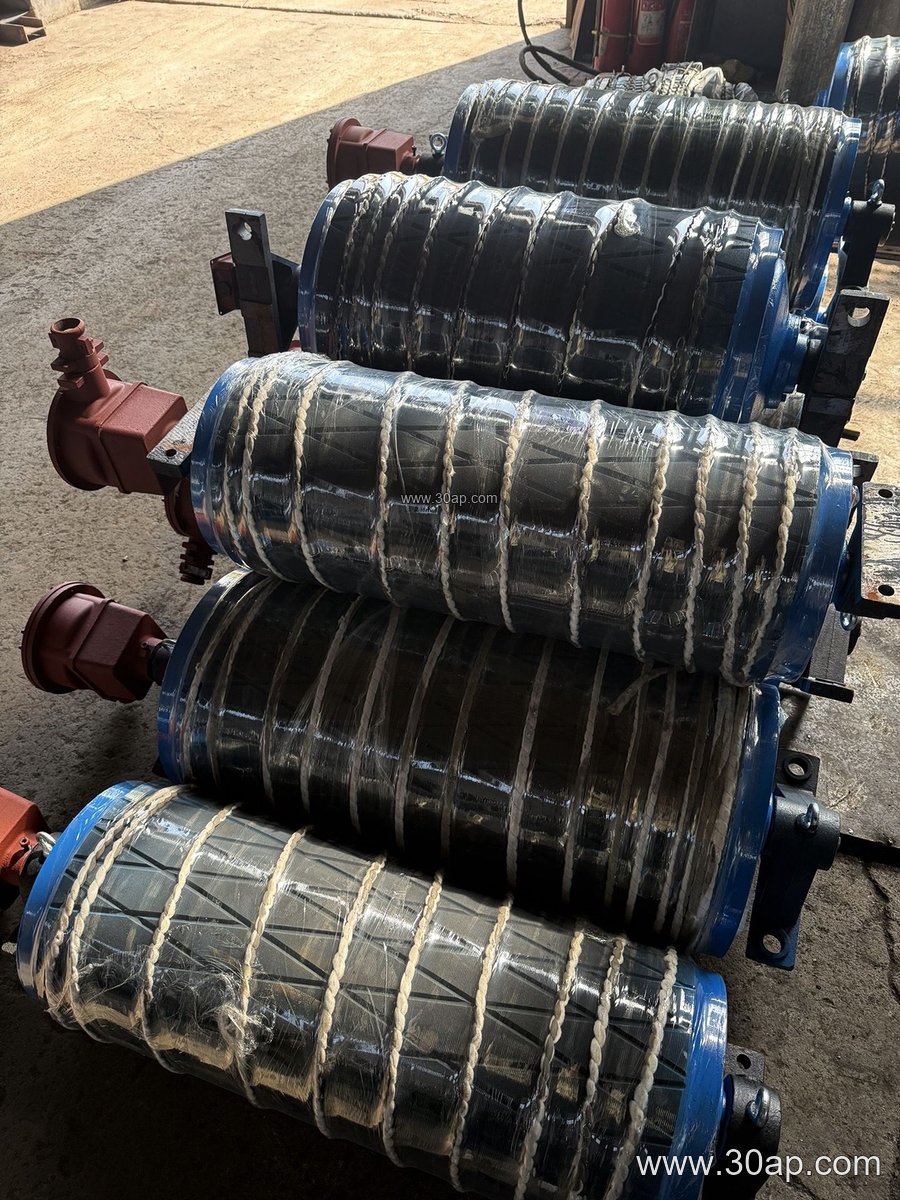
- Lagging: plain, cold-bonded rubber, hot-vulcanized rubber, diamond groove, herringbone or ceramic. Thickness is often 8, 10, 12, 15 or 20 mm depending on grip requirements.
Diameter choices in the Ø800 to Ø1250 range are common for a 1000mm face, and larger diameters reduce belt bending stress where the conveyor carries heavy material.
Where It Fits in the Plant
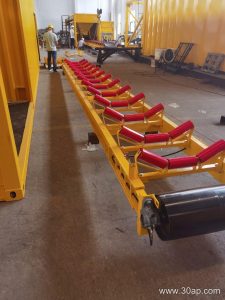
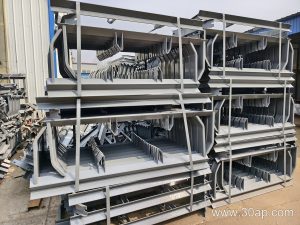
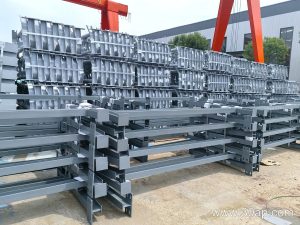
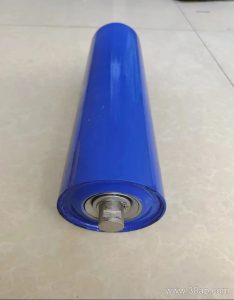
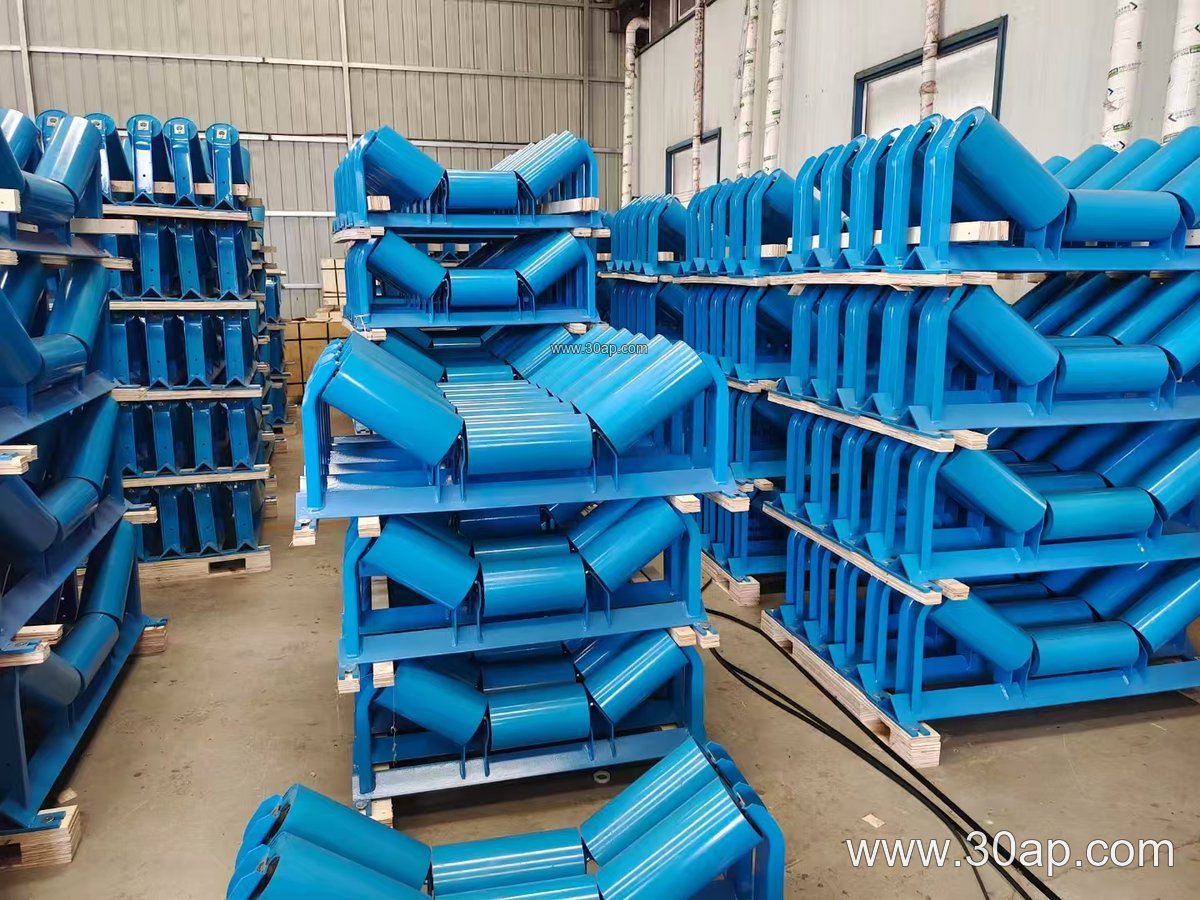
This drum appears wherever a B1000 belt must be driven under load. In a limestone quarry it may sit at the discharge of a primary crushing line; in a coal preparation plant it drives the main feed conveyor; cement plants use it on clinker and raw meal circuits. Power stations handling coal, port bulk terminals and aggregate washing lines also rely on this size. The drive pulley works together with the conveyor belt, idler roller sets and sturdy conveyor brackets, so alignment at the head frame matters as much as the drum itself.
Matching Diameter, Face Width and Shaft
There is no fixed rule that ties one belt width to one drum diameter. A B1000 conveyor may use a Ø800 drum on a short, lightly loaded run or a Ø1000 to Ø1250 drum where belt life and torque demand more wrap. The table below shows reference combinations only; final selection follows conveyor design.
| Reference item | Common values |
|---|---|
| Belt width | B1000 |
| Drum face width | about 1150 mm |
| Drum diameter | Ø800, Ø1000, Ø1250 |
| Shaft diameter | Ø100 to Ø200, by torque and load |
| Lagging thickness | 8, 10, 12, 15, 20 mm |
| Surface options | plain, cold-bonded rubber, hot-vulcanized rubber, diamond, herringbone, ceramic |
For comparison, a smaller B800 line might run a Ø500 drum, while a B1400 conveyor could use a Ø800 unit. These are examples, not rules.
Buyer Checklist
- Confirm the actual belt width and required face width before ordering.
- State the belt pull, speed and starting torque so the shaft and bearings can be verified.
- Choose lagging for the material: grooved rubber for wet or dusty service, ceramic where slip is a concern.
- Check shaft keyway, bearing centers and mounting flange against the existing conveyor bracket.
- Ask for balance and runout tolerances, and confirm the drum is dynamically balanced for the operating speed.
- Plan lifting points and access for lagging replacement during maintenance.
Treat every figure here as reference data. A 1000mm drive pulley should be specified against the real conveyor duty, not copied from a catalogue line.