What a Belt Conveyor Drive Pulley Does
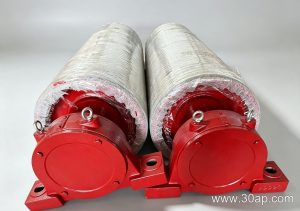
A belt conveyor drive pulley is the powered drum that turns the conveyor belt and moves material along the line. It is usually installed at the head of the conveyor, where the belt discharges, and it receives torque from a gearbox and motor through a shaft, a coupling, or a shaft-mounted drive. In a quarry or a cement plant, this drum is the point where electrical power becomes belt motion, so its diameter, lagging, and shaft size all matter to the whole system.
The same function can be described as a head drive pulley or conveyor drive drum; these are accurate names for the same product. A drive pulley is not the same as a tail pulley or a bend pulley. Those drums guide or tension the belt, but they do not transmit the main driving torque, so they should not be treated as interchangeable parts.
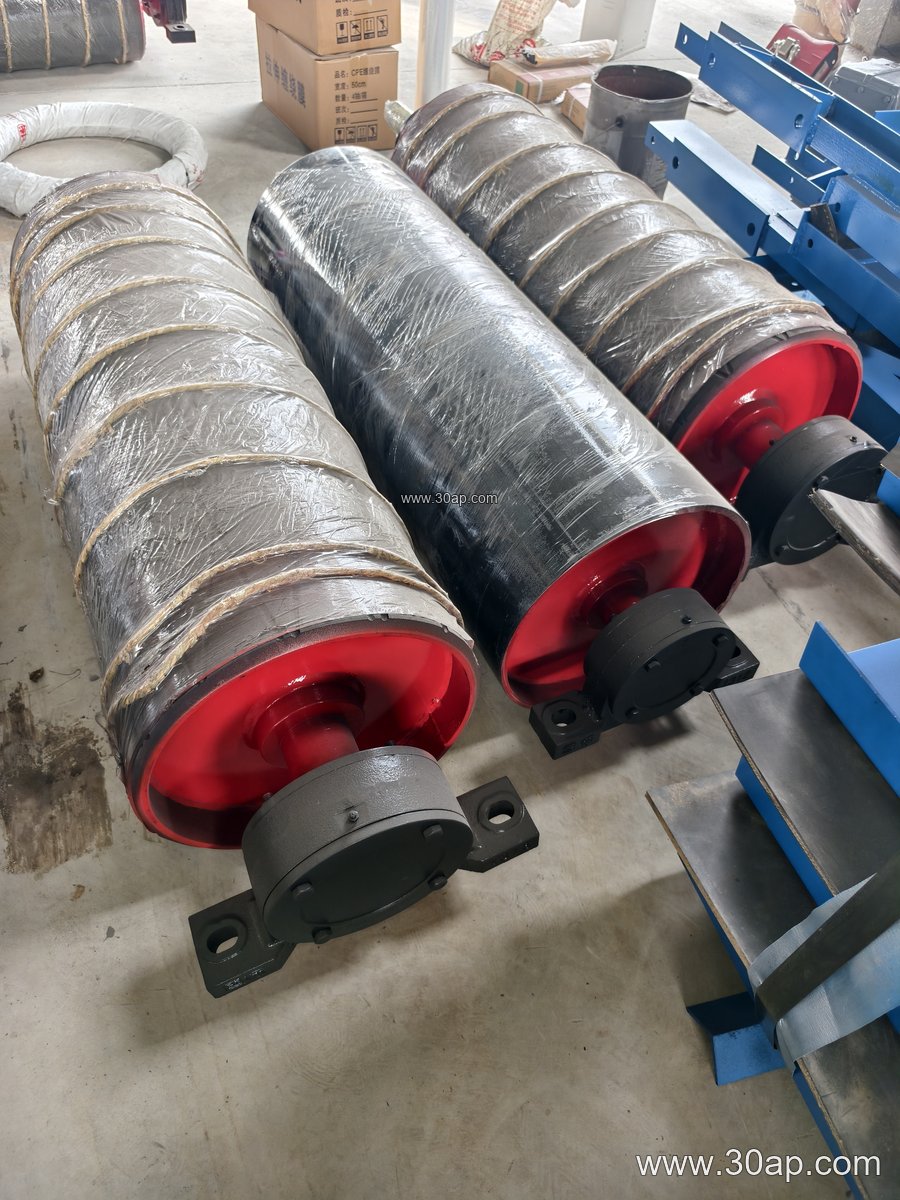
How the Drum Is Built
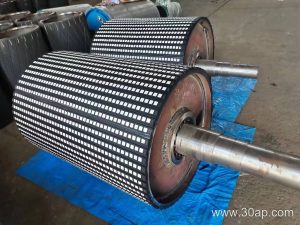
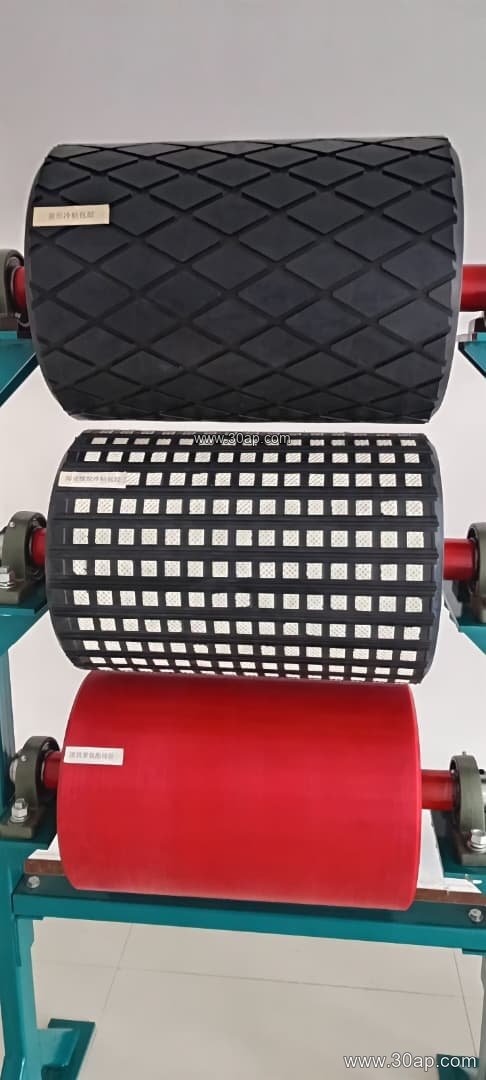
A typical unit combines a steel shell, two end discs, a shaft, bearing housings, and a lagging surface. The shell is machined to keep the belt running true, and the lagging is bonded or vulcanized onto the face to improve grip. Common surface forms include smooth, diamond lagging, herringbone lagging, ceramic lagging, and plain rubber. Lagging thickness is often 8, 10, 12, 15, or 20 mm, depending on the duty.
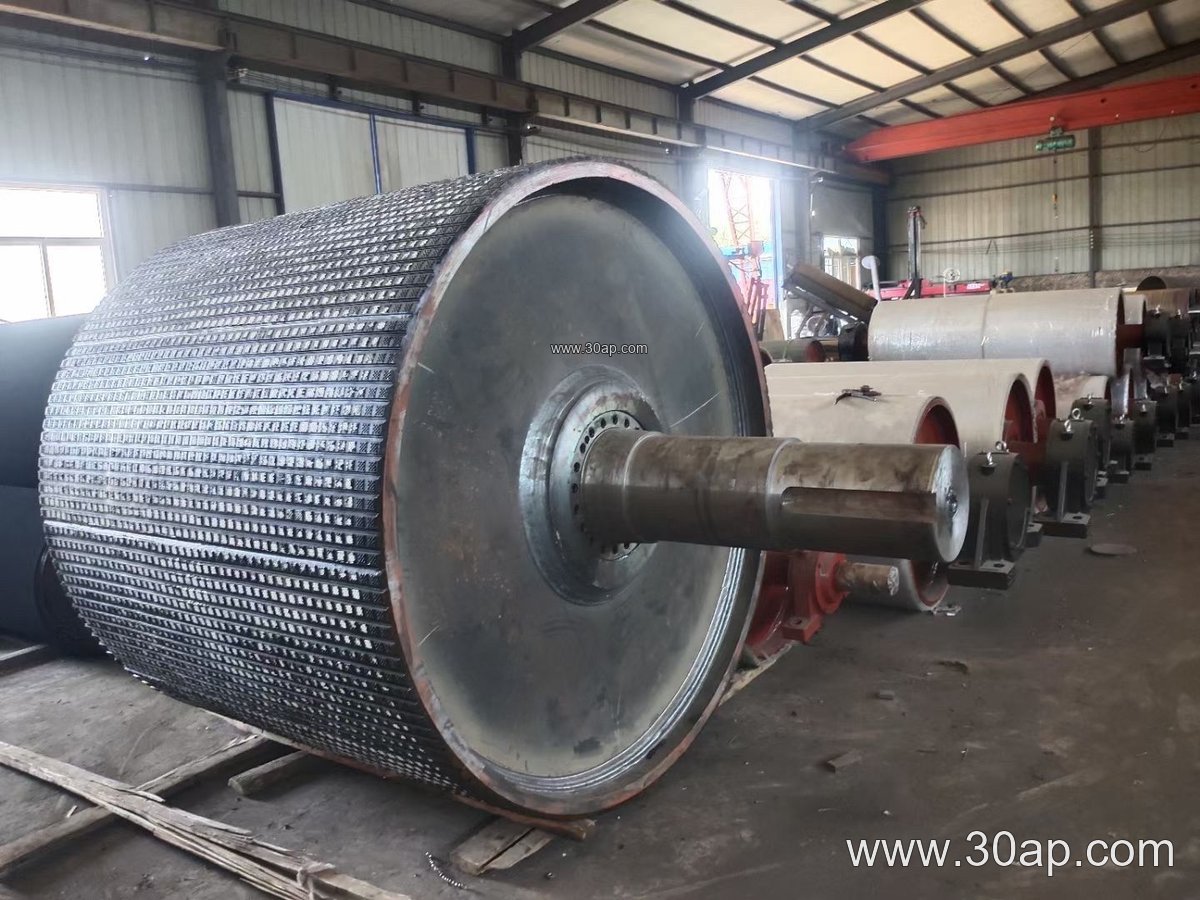
- Shell and discs carry the belt load and resist bending.
- Shaft transfers torque and must be sized by load, not by belt width alone.
- Bearings and housings support rotation and align with the conveyor bracket.
- Lagging improves friction between drum and belt, especially on wet or dusty lines.
Some designs use an electric drum, where the motor and gearbox sit inside the shell. This can save space, but the traditional external drive remains common in heavy-duty mining and aggregate duty.
Where It Fits in the Plant
In a limestone quarry or a sand and aggregate line, the drive pulley usually sits at the discharge end of a primary or secondary conveyor. In a cement plant it may handle clinker or raw meal, and in a coal preparation plant or power plant coal yard it moves fuel to the boiler or stockpile. The working environment often includes dust, grit, and moisture, so the lagging and the bearing seals need attention.
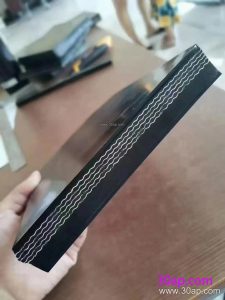
The drum must match the conveyor belt in width and tension capacity. A belt with high tension, such as a steel cord conveyor belt or a heavy-duty EP conveyor belt, places greater demand on the shaft and bearings than a light fabric core belt. The table below shows common reference combinations; these are examples, not fixed rules.
Common Reference Sizes
| Belt width | Typical pulley face width | Example diameter | Common lagging |
|---|---|---|---|
| B500 | about 600 mm | Ø400 mm | 10 mm rubber |
| B650 | about 750 mm | Ø500 mm | 10–12 mm diamond |
| B800 | about 950 mm | Ø500–Ø630 mm | 12 mm diamond |
| B1000 | about 1150 mm | Ø630–Ø800 mm | 15 mm ceramic |
| B1200 | about 1400 mm | Ø800–Ø1000 mm | 15 mm diamond |
| B1400 | about 1600 mm | Ø800–Ø1250 mm | 15–20 mm ceramic |
| B1600 | about 1800 mm | Ø1000–Ø1400 mm | 20 mm ceramic |
| B1800 | about 2000 mm | Ø1250–Ø1600 mm | 20 mm ceramic |
Shaft diameters are commonly Ø80 to Ø200 mm on larger units, but the final value should be calculated from torque, radial load, and bearing life. A B1200 belt does not automatically mean a fixed shaft size, and one belt width can work with more than one drum diameter.
Choosing the Right Drum for the Duty
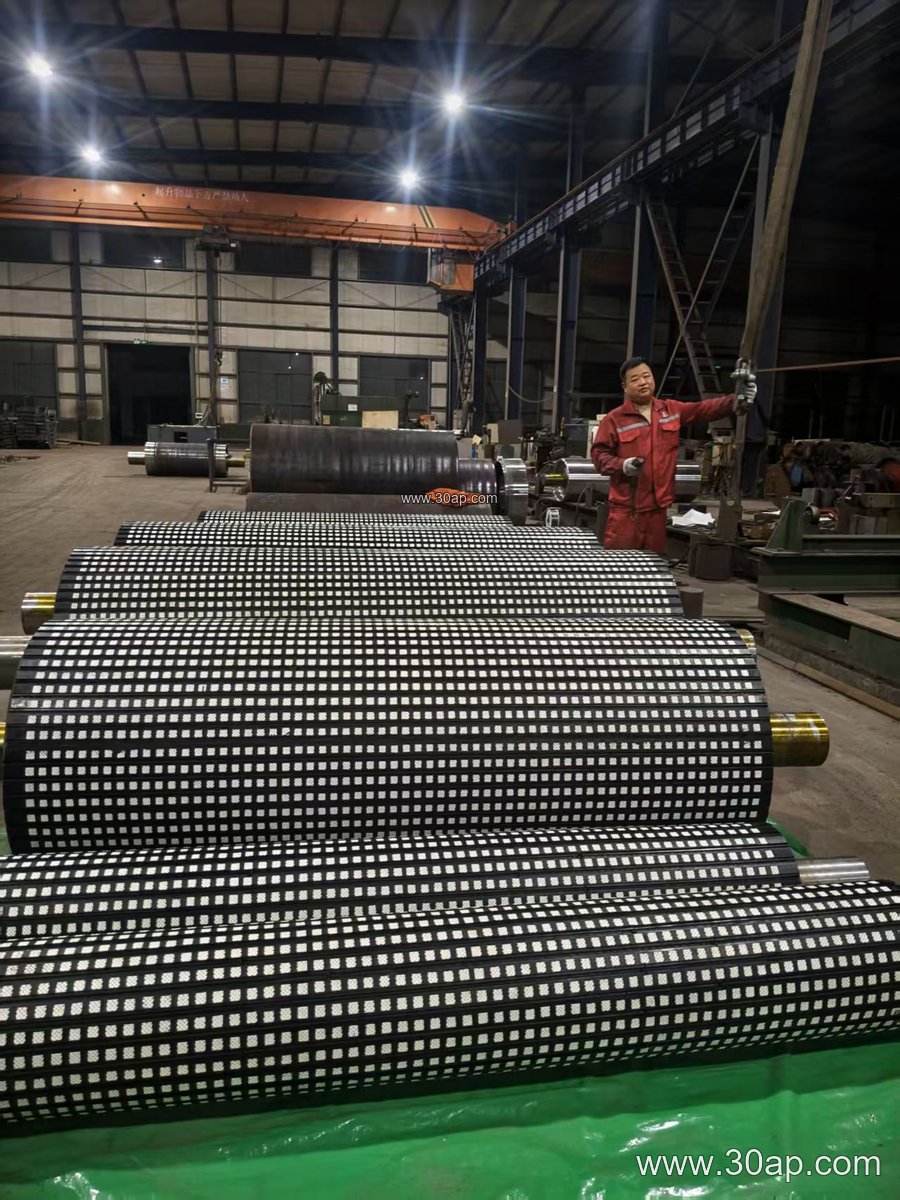
Start with the belt tension and the material being carried. An abrasion resistant conveyor belt on a crusher discharge line may need thicker lagging and a larger diameter to reduce belt stress. A heat resistant conveyor belt near a clinker cooler needs a drum that can tolerate radiant heat, while a flame retardant conveyor belt in an underground coal mine calls for careful material selection and grounding. In a port or ship loading conveyor, the drive pulley must handle frequent starts and stops.
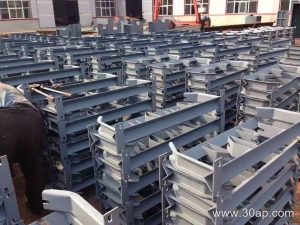
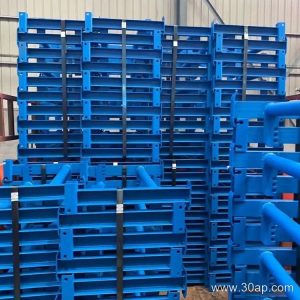
Check the conveyor pulley alignment with the idler roller frame and the conveyor bracket. Misalignment causes belt tracking problems and edge wear, even when the drum itself is well made. Also confirm that the lagging groove pattern suits the belt surface and the amount of water or fines present.
Maintenance Points Buyers Should Know
- Inspect lagging wear and re-lag before the shell is exposed.
- Check bearing temperature and grease condition regularly.
- Verify shaft key and coupling condition after overload events.
- Keep the drum face clean so the belt does not slip.
- Confirm spare parts match the original drawing, not just the belt width.
For a reliable drive pulley, the specification should list shell diameter, face width, shaft size, lagging type and thickness, bearing type, and painting or protection needs. Buyers in mining, cement, power, and aggregate operations should share the belt type and tension data with the supplier so the drum is matched to the real duty rather than to a catalog number alone.