What an Idler Bracket Does on a Conveyor
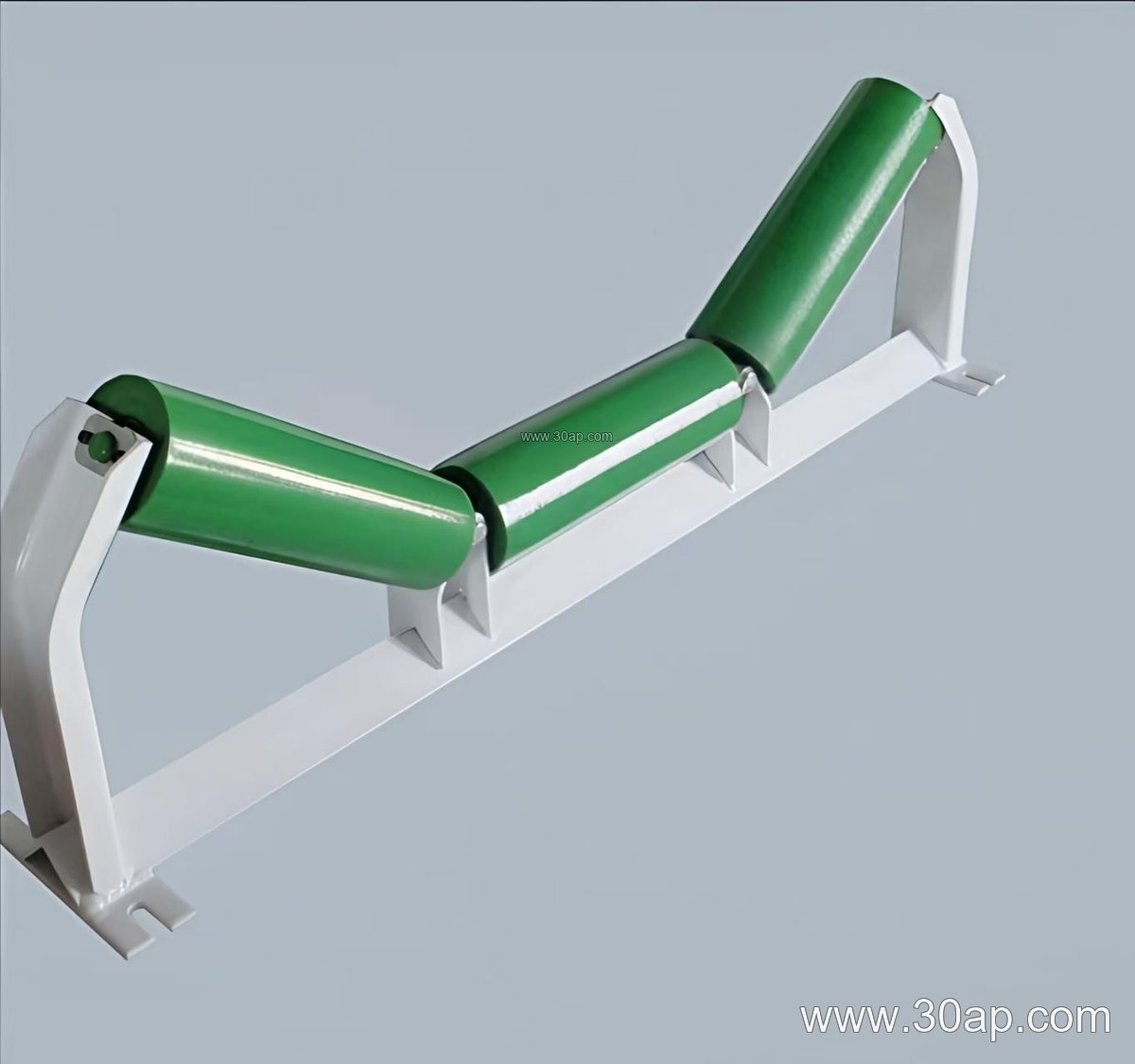
An idler bracket is the stationary support that holds conveyor idler rollers at the correct position and angle beneath or above the conveyor belt. It is a structural component rather than a rotating one, and its job is to keep each idler roller aligned so the belt runs smoothly along the whole length of the conveyor. In a quarry, a coal handling plant, or a cement kiln feed line, the idler bracket transfers the load from the belt and material down into the conveyor frame, so its stiffness and mounting accuracy matter as much as the roller itself.
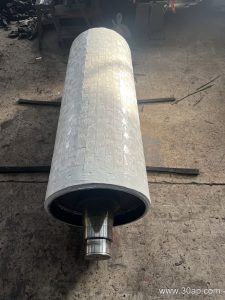
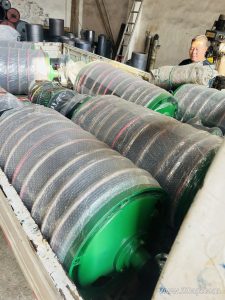
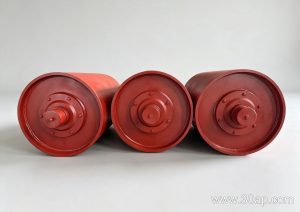
The bracket is often called a conveyor bracket or idler frame, and these names refer to the same item. It should not be confused with a conveyor pulley, which is a drive, tail, or bend pulley that turns the belt at the ends of the conveyor. The bracket stays fixed; the pulley rotates.
How the Bracket Is Built
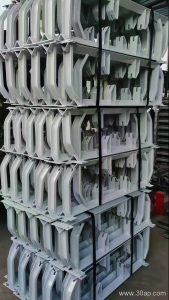
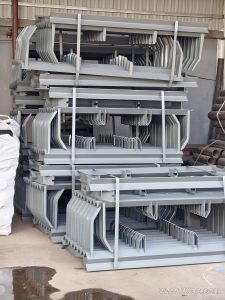
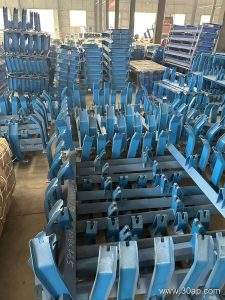
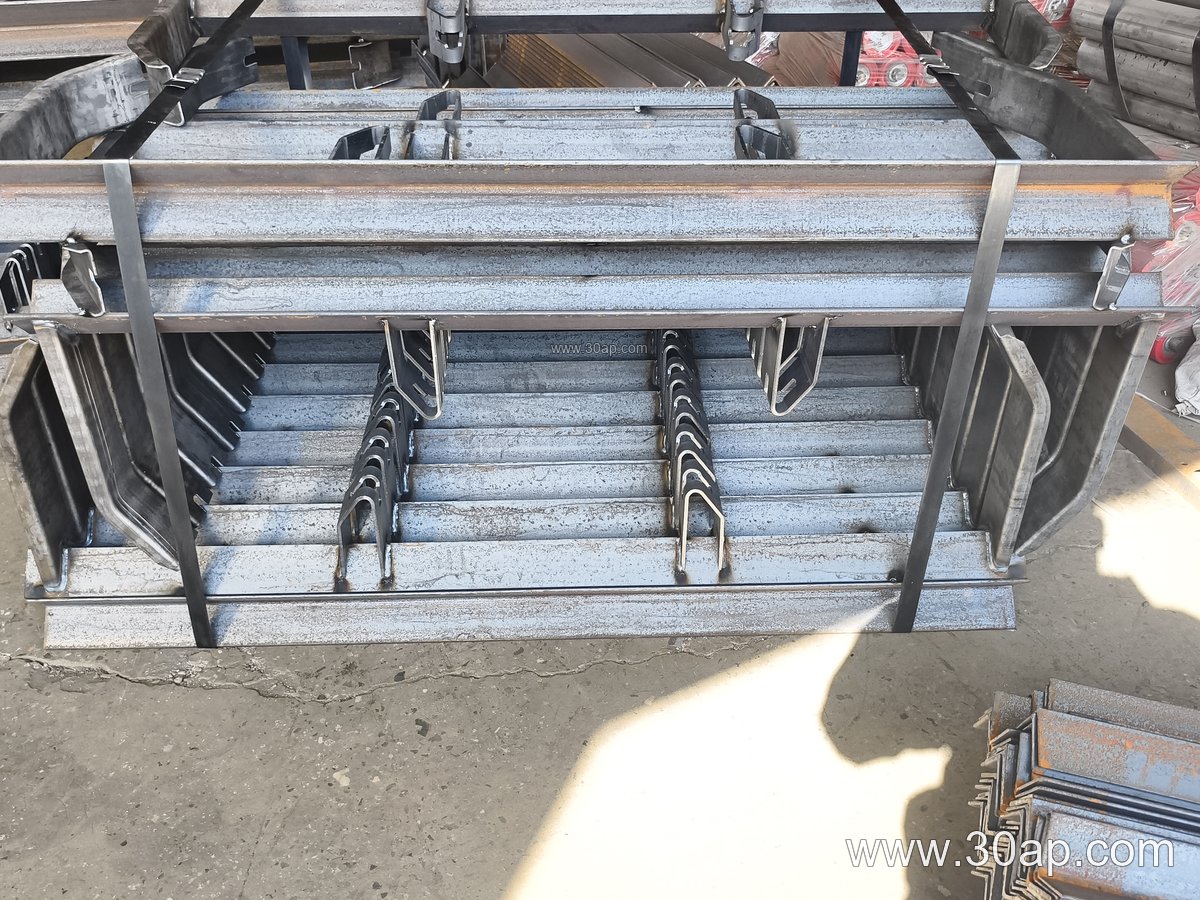
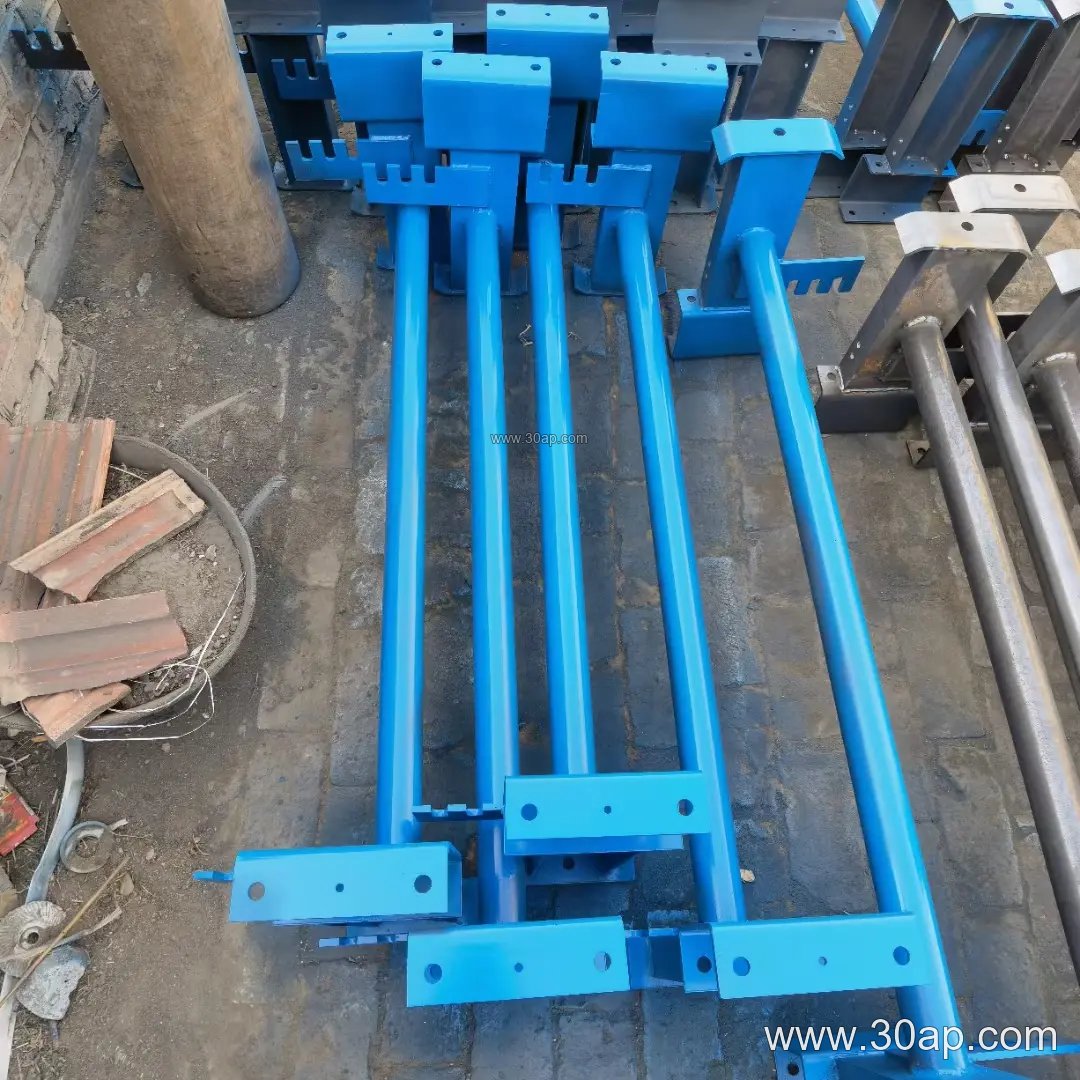
Most idler brackets are fabricated from angle steel, channel steel, or folded steel plate. The material and thickness are chosen according to the belt width, the load, and the spacing between idler sets. A typical bracket has mounting slots or holes for the idler shaft, a crossbeam that spans the conveyor frame, and feet that bolt to the stringer.
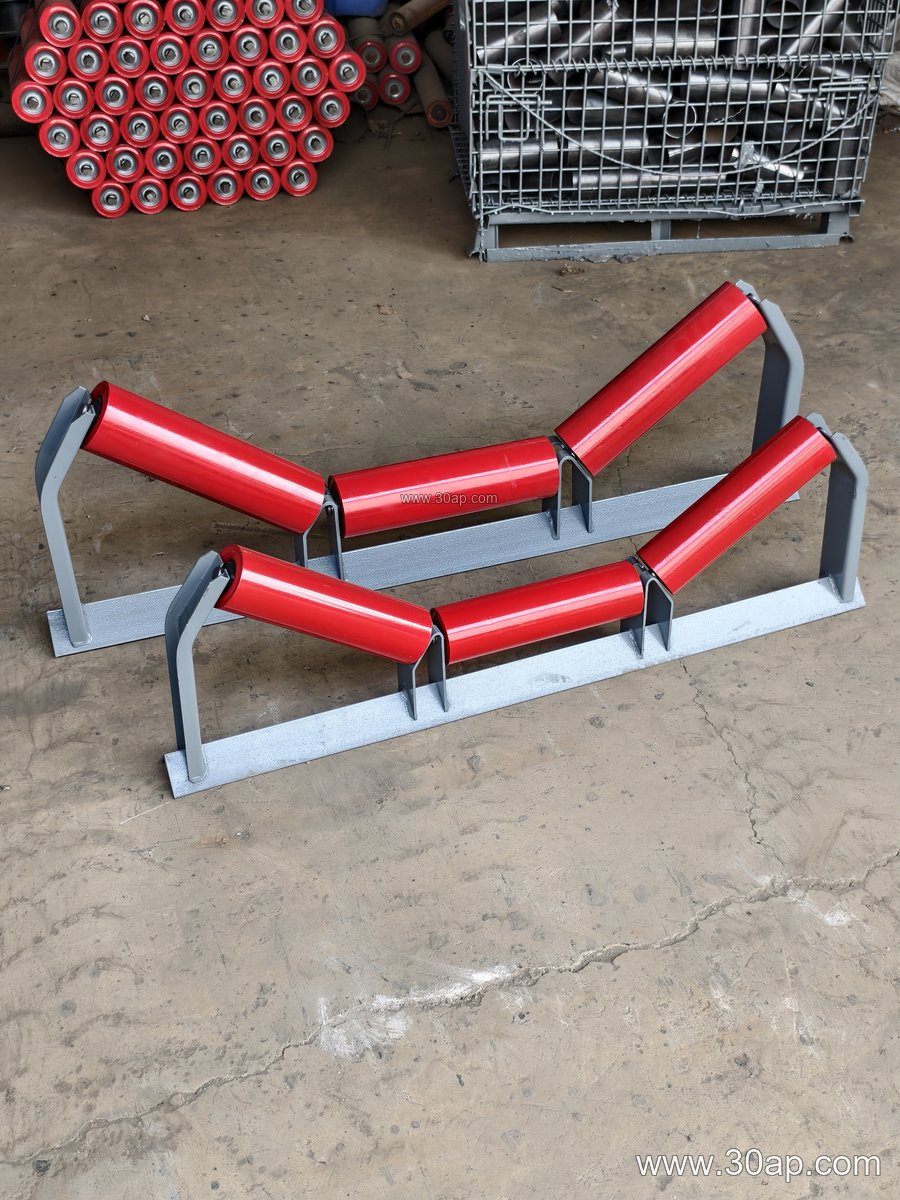
The bracket geometry also sets the trough angle. A three-roller troughing bracket holds the two side rollers at an incline and the center roller flat, which shapes the conveyor belt into a trough and keeps bulk material centered.
| Property | Common Options |
|---|---|
| Bracket type | Troughing, transition, return flat, V-return, impact, self-aligning, forward-leaning, spiral, suspended, adjustable |
| Belt width | B500, B650, B800, B1000, B1200, B1400, B1600, B1800, B2000, B2200 |
| Trough angle | 20°, 30°, 35°, 45°; adjustable brackets can move between these angles |
| Idler diameter | Ø89, Ø108, Ø133, Ø159, Ø194 |
| Forward lean | Usually about 1.5° to 2° |
These values are reference data, not a fixed rule. A B800 belt may be paired with a 35° trough and Ø108 rollers in one design, while another B800 conveyor might use a different angle or roller diameter depending on speed and material. Mounting hole spacing and crossbeam length change with belt width and trough angle and are set by the design, not by a single universal number.
Where It Is Used
Idler brackets appear anywhere a conveyor belt needs continuous roller support. In a limestone mine or a crushing and screening line, troughing brackets carry the belt on the loaded side, while return brackets and V-return brackets support the empty side. In a power plant coal yard or a port terminal, self-aligning brackets help correct belt drift, and impact brackets absorb the shock of material falling from a chute. A sand and gravel plant, a fertilizer warehouse, or a grain silo often uses lighter brackets on narrower belts, while an iron ore or sintering plant may need heavier sections.
Types of Bracket and When They Fit
- Troughing and upper brackets support the carrying run at a set trough angle.
- Transition brackets step the belt gradually from flat to troughed near a conveyor pulley, reducing edge stress.
- Return and V-return brackets hold the empty belt; the V form helps center it.
- Impact brackets sit under loading points and are built to take repeated shock.
- Self-aligning and forward-leaning brackets help keep the belt tracking; the forward lean is usually about 1.5° to 2°.
- Suspended and adjustable brackets allow height or angle changes during installation and maintenance.
The trough angle is a design decision. A 30° or 35° trough is common for general bulk material, while a 45° trough suits fine, free-flowing material that needs a deeper bed. A transition bracket is used where the belt leaves a flat pulley, not as a replacement for a troughing bracket along the normal run.
What a Buyer Should Check
Confirm the belt width, the planned trough angle, the idler diameter, and the mounting pattern of the existing conveyor frame before ordering. Check whether the bracket is fixed or adjustable, since an adjustable design can be reset across a range of trough angles. Ask about the steel section, the finish, and how the bracket fits the stringer. Also consider the environment: a washdown area in a cement plant or a dusty coal yard may call for a different surface treatment than a dry sand line.
Keep the bracket matched to the conveyor pulley layout at the ends, and do not assume that a bracket from one belt width will fit another. Spare brackets for high-wear points such as impact zones are worth keeping on hand, because a bent bracket can misalign the idler roller and shorten belt life.