What the Ø133 Return Idler Does
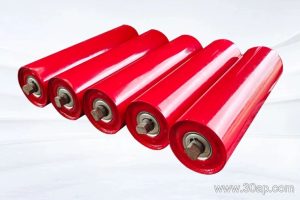
The Ø133 return idler is a 133 mm diameter roller mounted on the carrying side of a conveyor’s return strand. Its job is simple but essential: it holds the empty belt up, limits sag between frames, and helps the belt track straight on its way back to the tail. In a quarry, a cement plant, or a power plant coal yard, a string of these rollers runs beneath the returning belt all day, often in dust and grit, so the design has to be robust rather than decorative.
Because the roll diameter is fixed at Ø133, this idler sits in the medium-to-heavy range. It is commonly chosen for belts from around B800 up to B1600 and beyond, but the actual roller length and bearing size should always follow the conveyor design rather than a rule of thumb. The same product is also called a 133 mm return roller or a flat return idler, and those names describe the same component.
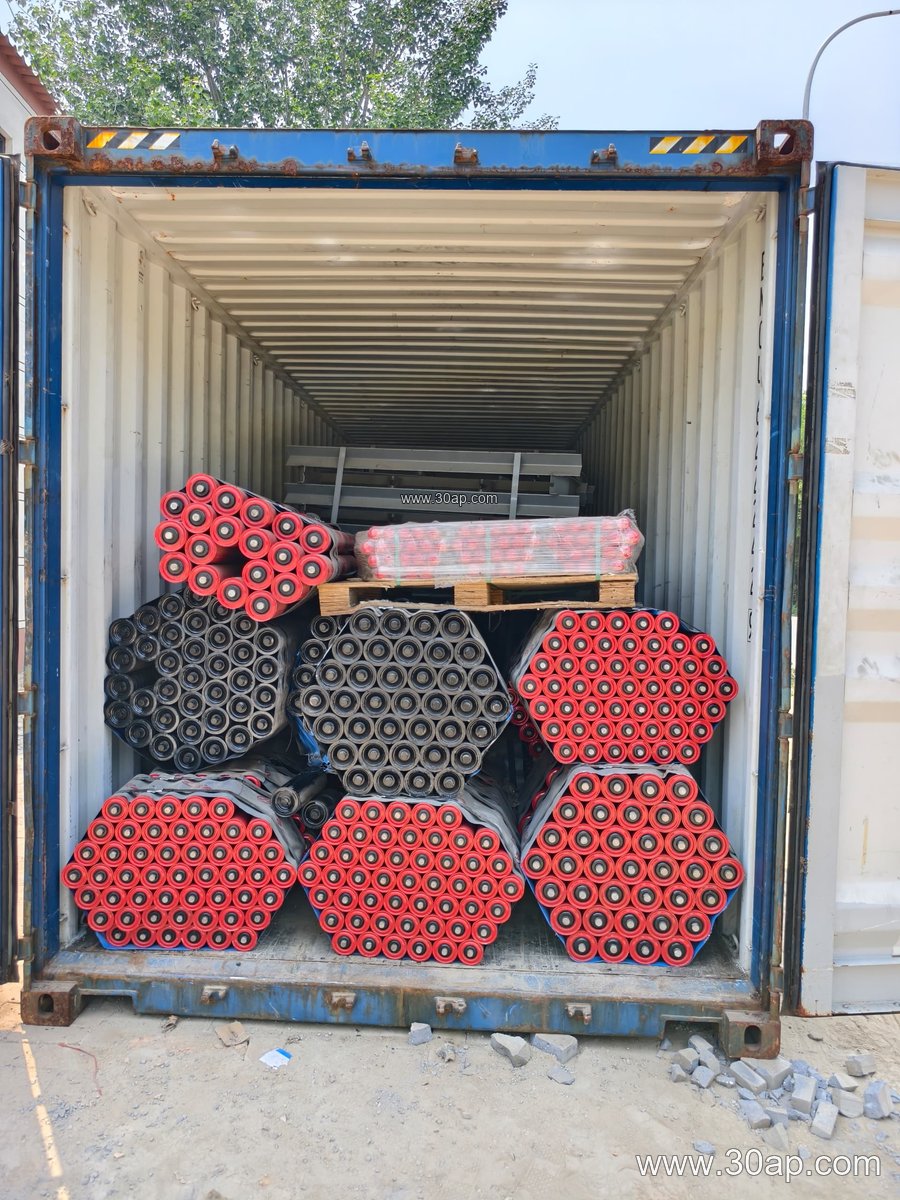
Construction and Materials
A typical unit is built around a steel tube shell, with pressed bearing housings welded at each end. Inside, deep-groove ball bearings such as 6205, 6305, or 6306 are common, seated in a sealed housing that keeps out fine dust and water. The shaft is usually machined from round bar and may be flattened at the ends so it drops into the conveyor bracket without rotating.
Surface options vary. A plain steel shell is the standard choice for general bulk material duties. A rubber-covered or nylon-sleeved version can reduce wear and noise where the belt is abrasive. Sealing quality matters more than most buyers expect: a poor seal lets grit into the bearing, and a seized roller will soon wear through the belt cover.
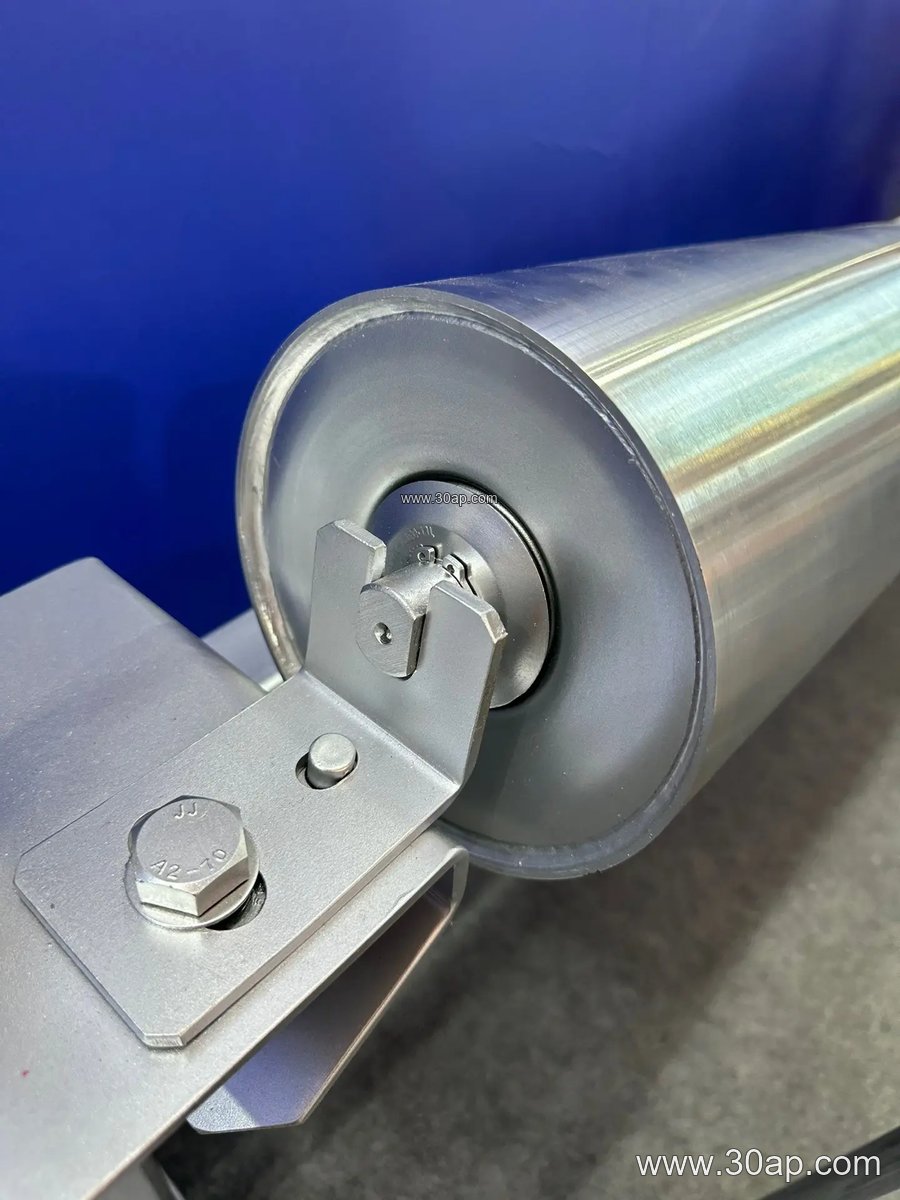
Common reference dimensions
| Item | Typical range |
|---|---|
| Roll diameter | Ø133 mm |
| Belt width | B800 to B1600 (design dependent) |
| Roller length | Approx. 315 mm to 600 mm, set by belt width and frame |
| Bearing | 6205, 6305, 6306, 6308 |
| Shell | Steel tube, optional rubber or nylon sleeve |
These values are reference points only. A B1000 belt does not automatically require one specific roller length, and no single bearing is tied to Ø133 by definition.
Where It Fits on the Conveyor
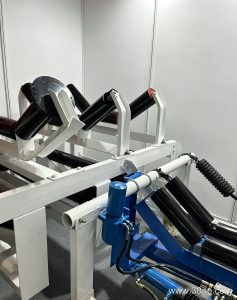
Return idlers are spaced along the return run at wider intervals than carrying idlers, because the empty belt needs less support. On a long overland line feeding a steel cord conveyor belt, the spacing may be around 3 m; on a short transfer in a sand and gravel plant, it may be tighter. The Ø133 size is often selected where belt tension and roller load are moderate to high, such as the main haulage conveyor at a limestone mine or the coal handling stream in a power station.
It is worth separating this component from the pulleys at each end. A drive pulley, a tail pulley, and a bend pulley are not interchangeable with a return idler, and neither are they substitutes for one another. The idler only supports the belt; the pulleys transmit drive and change direction.
Selection and Maintenance Notes
- Match roller length to the actual frame and belt width, not to a catalogue shortcut.
- Check shaft end shape and bracket type before ordering; a flat-end shaft will not fit a bracket designed for a different fixing.
- For dusty duties such as a quarry conveyor belt line, specify a well-sealed bearing housing and consider a rubber sleeve.
- Inspect for seized or wobbling rollers during routine walk-arounds; a failed return idler can cut the belt cover quickly.
- Keep spare units on site, since replacement is fast and avoids unplanned stoppages.
On a belt carrying abrasive ore or a high abrasion resistant conveyor belt, roller wear is often the first sign that the return strand needs attention. Replacing a worn Ø133 return idler early is cheaper than repairing the belt it supports.
Buyer Checklist
Before ordering, confirm the roll diameter, roller length, shaft diameter and end configuration, bearing size, and sealing class. Ask whether the shell is plain steel or sleeved, and check that the mounting matches the existing conveyor bracket. For a coal yard or a flame retardant conveyor belt installation, confirm that the roller materials suit the site’s fire and dust rules. A well-matched Ø133 return idler keeps the return strand quiet, straight, and running for a long service interval.