How Do Standards and Cover Grades Shape a Conveyor Belt for a General Manufacturing Line
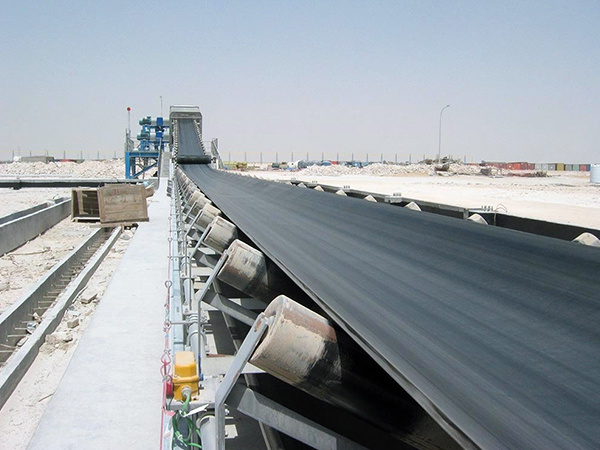
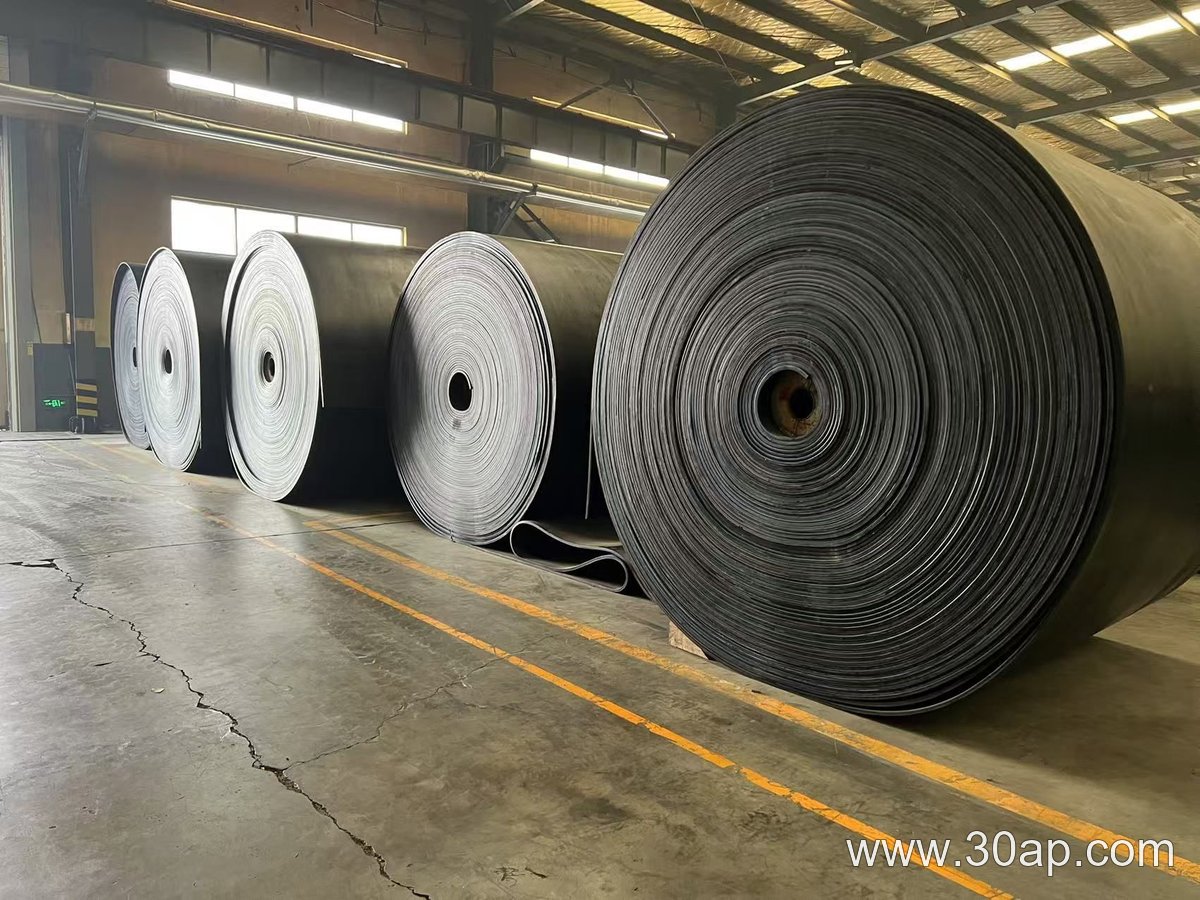
Standards for a conveyor belt define test methods and grading scope rather than certifying a finished belt. Cover grade classifications, for example, describe abrasion, cut and tear resistance test regimes. A purchaser can compare supplier data against those methods without treating the grade as a guarantee.
What the Standards Actually Cover
Relevant standards address dimensions, tensile strength, adhesion between plies, and cover properties. They set the test procedure and the reporting basis, so two belts can be compared on the same terms. They do not replace a duty review.
Reading a Grade Claim Carefully
- Check which property the grade describes: abrasion, tear or oil resistance.
- Confirm the test method cited, since methods differ by region.
- Match the grade to the actual material, load and pulley conditions.
On a general manufacturing line, a moderate abrasion grade often suffices. Higher grades help only where the duty truly demands them.
What Should a Quarry Buyer Settle Before Asking for Idler Roller Quotes?
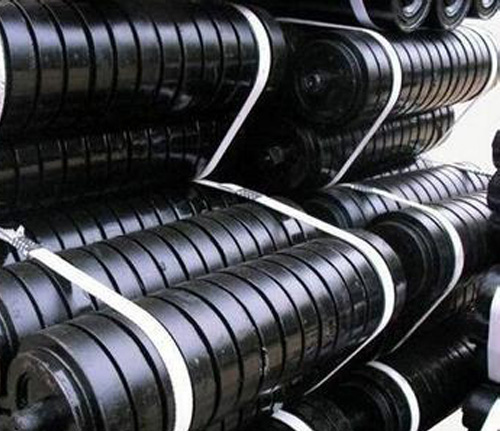
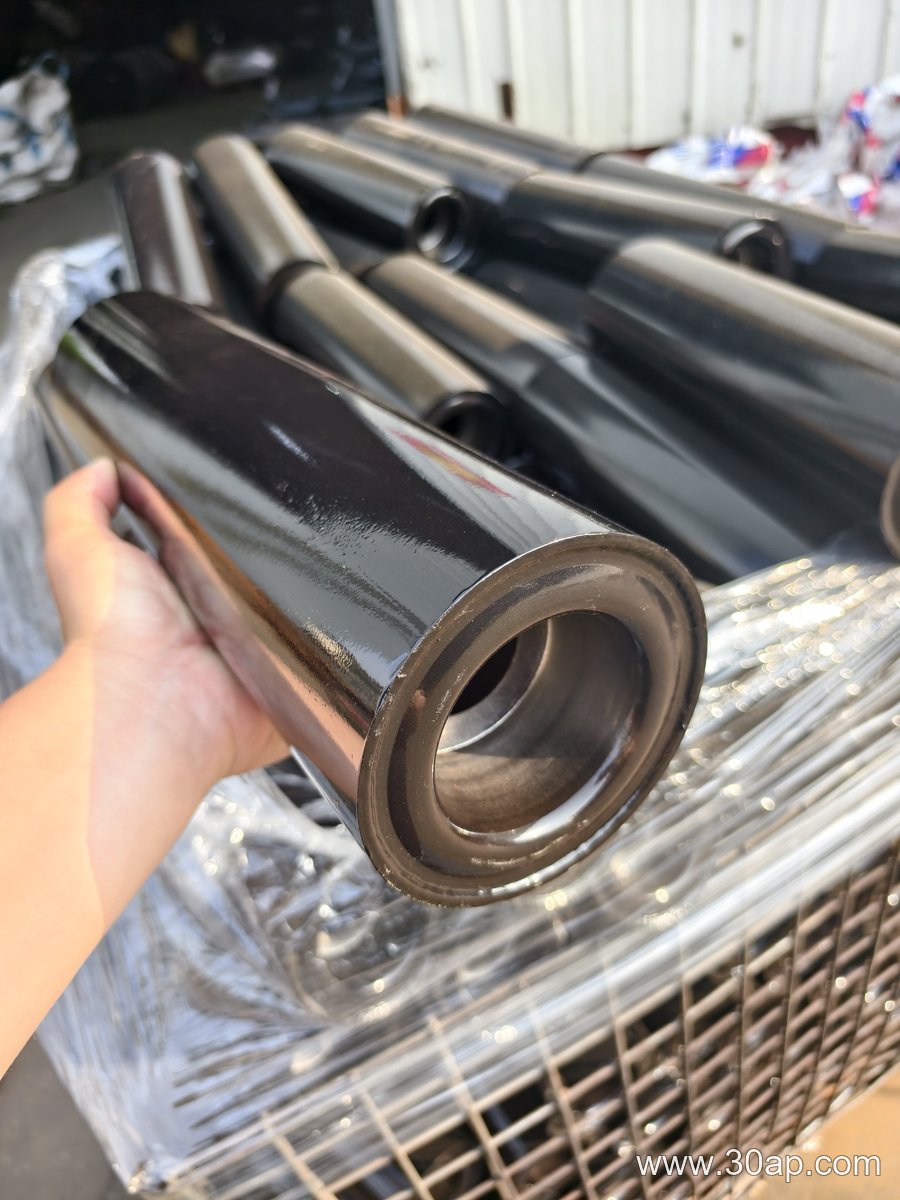
Answer the dusty environment first. Write down belt width, load per roller, and whether the position is carrying, return, or impact. Then decide the idler roller seal and shell that fit that duty.
Specification Checks
- Confirm shaft diameter, bearing type, and housing fit.
- State seal arrangement: labyrinth, contact lip, or both.
- Define shell thickness and finish for abrasive grit.
- Give mounting dimensions so trough angles match.
Supplier Evaluation
Ask for dimensional drawings, bearing source, seal sample, and a packing method that stops rust in transit. A supplier who answers with measured values, not photos alone, is easier to audit.
Grouping Quarry Conveyor Pulleys by Duty and Construction
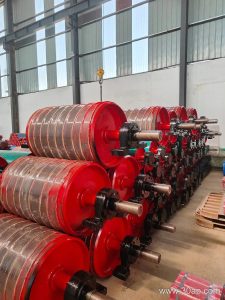
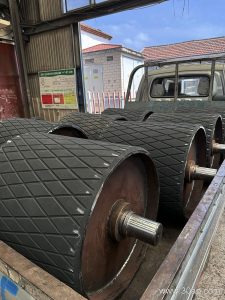
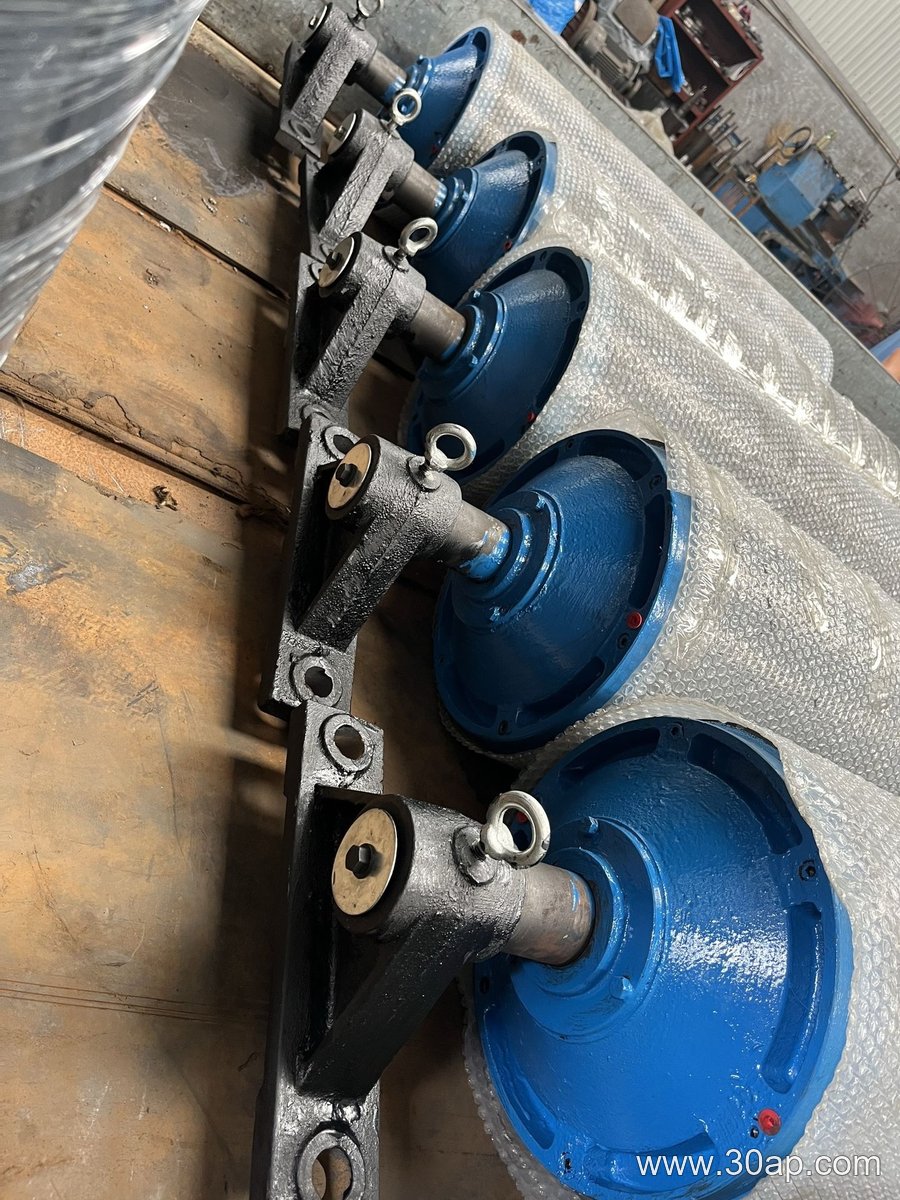
In a dusty quarry, a conveyor pulley is selected by grouping subtypes: light-duty fabricated pulleys with plain bearings for short transfers, medium-duty welded steel pulleys with tapered roller bearings for primary crushers, and heavy-duty large-diameter pulleys with reinforced end discs for high-tension overland conveyors.
Matching Each Group to Its Application
- Light-duty: thin shell, simple hub, used where belt tension is low and dust exposure is intermittent.
- Medium-duty: thicker shell, continuous weld, suited to constant abrasive dust and moderate shock loads.
- Heavy-duty: large-diameter shell, extra stiffening, specified when belt tension and material lump size are high.
These groupings help engineers avoid over- or under-specifying a conveyor pulley in quarry conditions.
What Is a Troughing Conveyor Bracket?
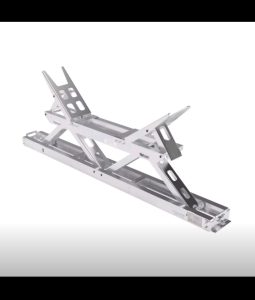
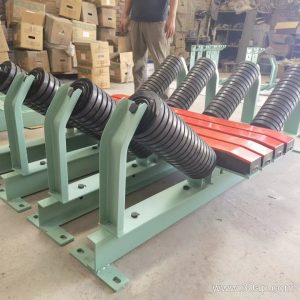
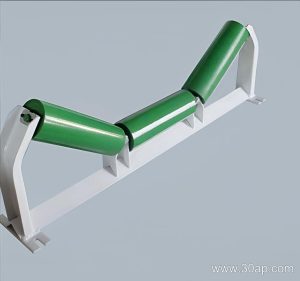
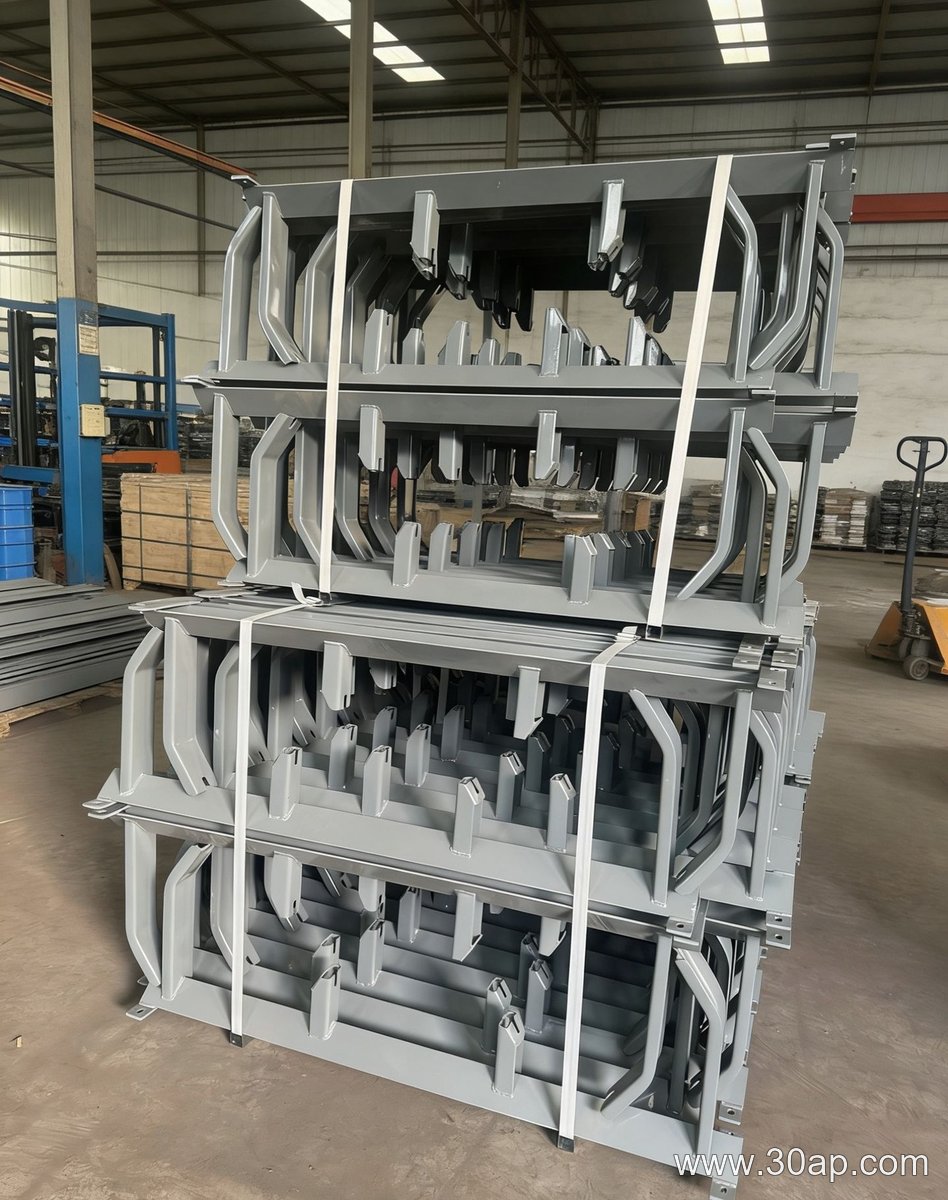
A troughing conveyor bracket is a support component that holds three idler rolls in a trough shape. It is common in mineral-processing plants where a loaded belt needs continuous support. The bracket’s main job is to keep the side idlers angled so the belt forms a deep curve.
Construction and Features
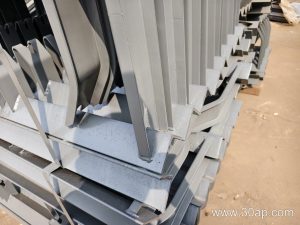
These brackets are usually made from welded steel or formed plate. They have mounting holes for the frame and seats for each idler. Some designs include slots for adjustment. The bracket must resist dust, impact, and vibration from falling ore.
Uses in a Mineral-Processing Plant
In a mineral-processing plant, a troughing conveyor bracket carries the belt after crushing and screening. It supports the load between pulleys. A properly aligned bracket helps the belt track straight and reduces spillage.
When selecting a troughing conveyor bracket, check the trough angle, idler diameter, and mounting pattern. These factors affect how well the bracket carries the belt. A bracket that is too weak may bend under load, while one with the wrong angle can cause belt misalignment.