What a Comb Idler Is
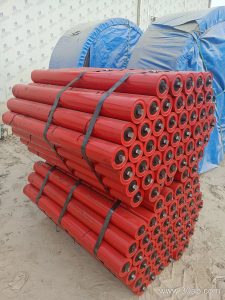
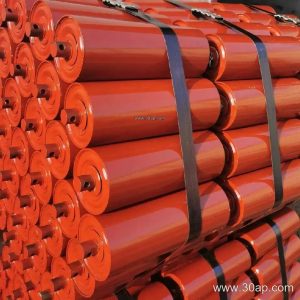
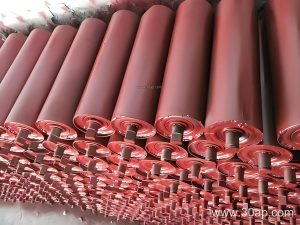
A comb idler is a return-side idler roller built with a series of discs or rings spaced along a shaft, so the roll face looks like the teeth of a comb. The open gaps between the discs let fines, dust and sticky material fall away instead of building up on a smooth shell. In a belt conveyor that carries damp or clinging bulk material, this self-cleaning behavior is the main reason engineers choose a comb idler rather than a plain flat return roller.
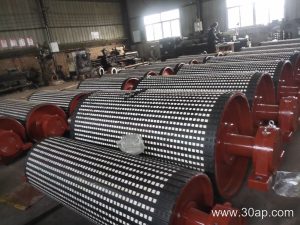
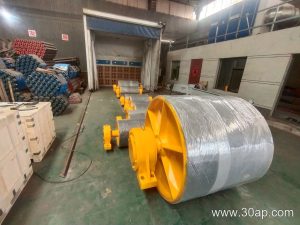
Comb idlers belong to the return idler family, and they should not be confused with drive pulleys, tail pulleys or bend pulleys, which transmit motion and change belt direction. A comb idler only supports the returning belt. It is often called a comb-shaped return roller or disc return idler, and those names describe the same product.
How the Comb Idler Is Built
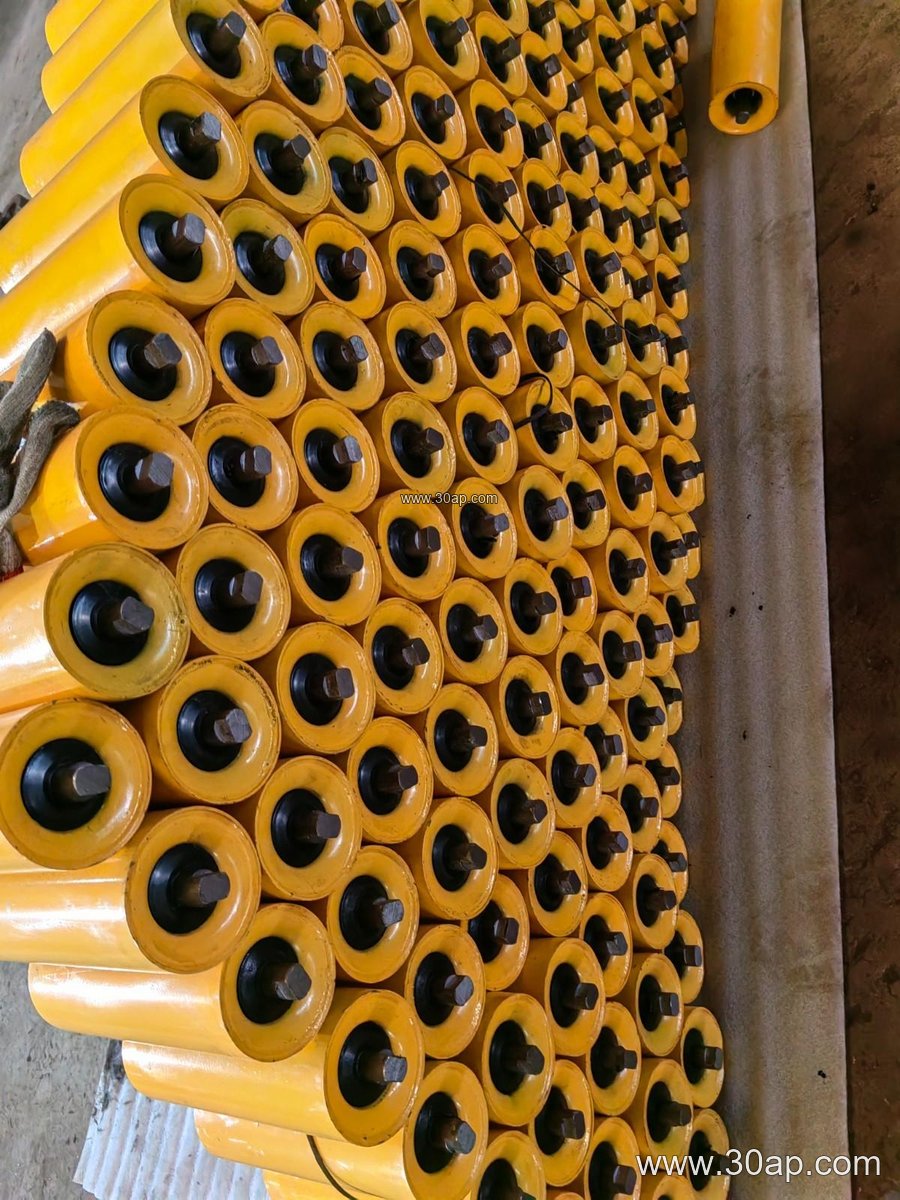
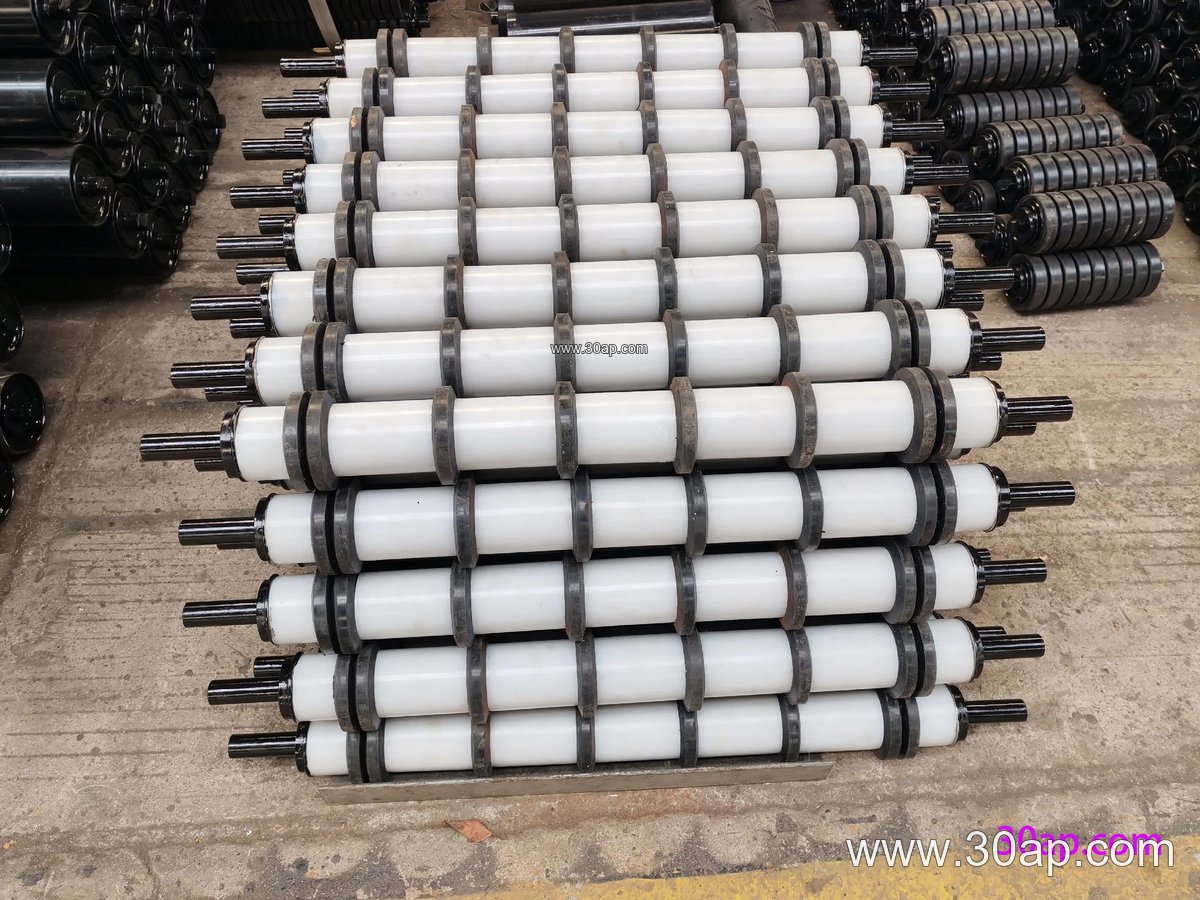
Most comb idlers combine a steel shaft, a bearing housing at each end, and a stack of rubber or polymer discs pressed onto the shaft or onto a steel tube. The discs are the working surface, and their spacing is the key design detail. If the gaps are too wide, the belt sags between them; if too narrow, the self-cleaning effect weakens. Shaft ends usually sit in a conveyor bracket or frame, and the bearing size is selected from the load and shaft diameter, not from belt width alone.
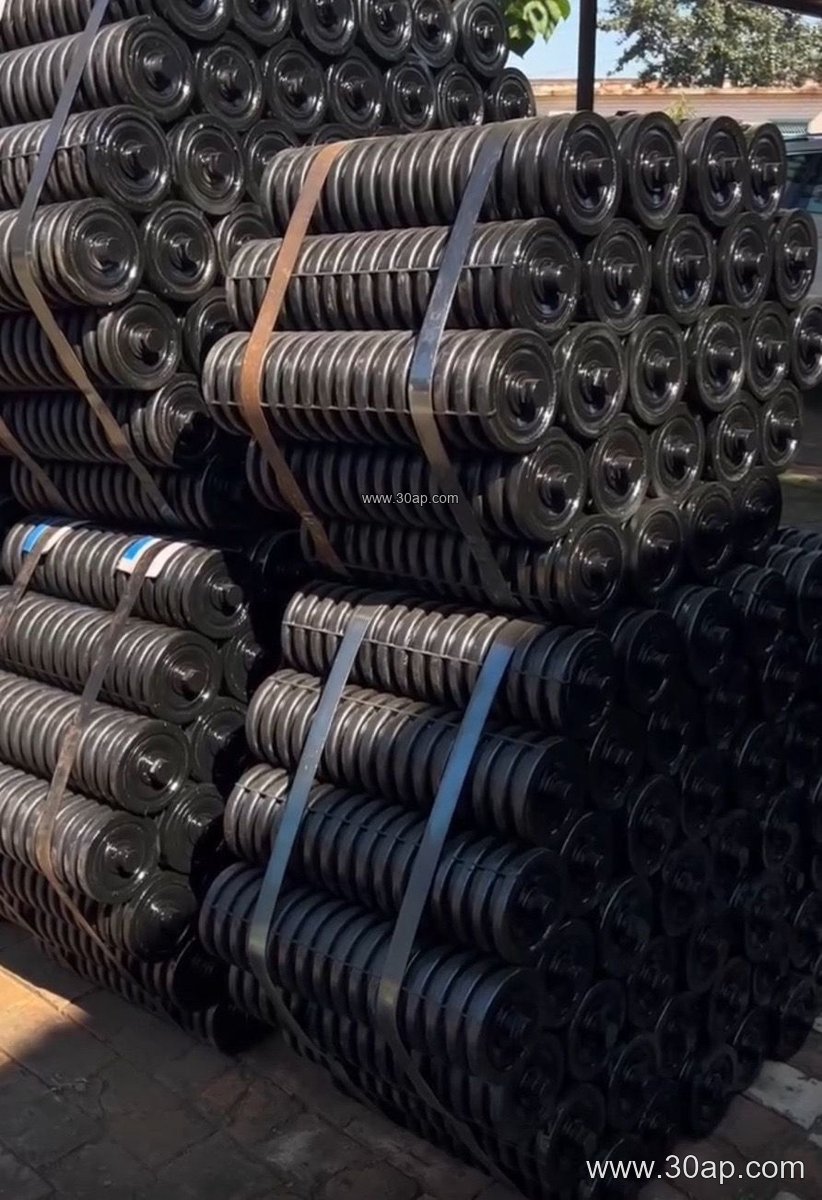
- Roll face options: rubber discs, nylon discs, or a steel tube with rubber rings
- Common bearing sizes: 6204, 6205, 6305, 6306, 6308, 6310
- Common roller diameters: Ø89, Ø102, Ø108, Ø127, Ø133, Ø159
- Frame fixing: fixed brackets or suspended hook frames, depending on the conveyor design
Sealing matters as much as the disc profile. Dust from a crusher or a coal yard will destroy a bearing quickly if the labyrinth seal and grease retention are poor. Buyers should ask how the end cap is sealed and whether the bearing housing is welded or pressed.
Where Comb Idlers Fit on a Conveyor
Comb idlers are normally installed on the return strand, especially under the section where the belt is still carrying residual material after discharge. They appear in aggregate plants, cement plants, coal handling systems, power plant coal yards, iron ore and copper ore concentrators, and sand and gravel lines. In a quarry conveyor belt that moves wet stone, a comb idler reduces the risk of material wrapping around a smooth return roller and misaligning the belt.
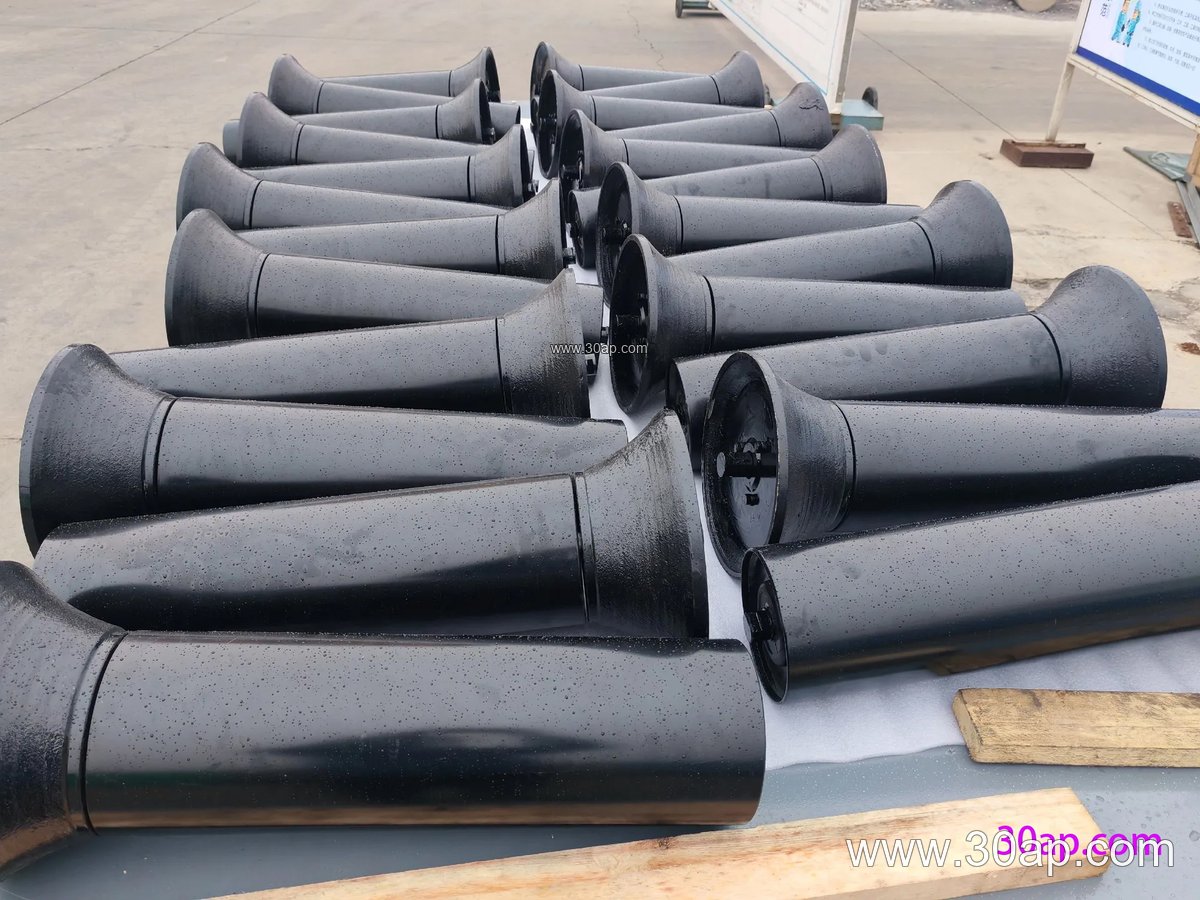
They are also used in fertilizer plants and other bulk material conveyor belt systems where sticky product tends to cling. In these cases the comb idler is often paired with a V-shaped return idler set or a training idler further along the return run. A flat return idler can still be used on clean, dry sections; the comb type is chosen where buildup is the problem, not as a universal replacement.
Matching Comb Idlers to Belt Width and Duty
The roller length must follow the belt width and the frame design. Typical values are shown below as reference, not as fixed rules, because side rollers and center rollers can differ and the actual frame geometry decides the final length.
| Belt width | Typical comb idler roller length | Common roller diameter range |
|---|---|---|
| B500 | about 200 mm | Ø89 to Ø108 |
| B650 | about 250 mm | Ø89 to Ø127 |
| B800 | about 315 mm | Ø102 to Ø133 |
| B1000 | about 380 mm | Ø108 to Ø159 |
| B1200 | about 465 mm | Ø127 to Ø159 |
| B1400 | about 530 mm | Ø133 to Ø178 |
| B1600 | about 600 mm | Ø133 to Ø194 |
| B1800 | about 670 mm | Ø159 to Ø194 |
| B2000 | about 750 mm | Ø159 to Ø219 |
Do not assume one belt width locks you into one pulley diameter or one shaft size. The shaft diameter follows the calculated load, the bearing bore and the frame opening. A wide belt on a light duty return run may use a smaller shaft than a narrow belt on a heavy, dusty transfer point.
Selection Points for Buyers
Before ordering, confirm the return strand load, the belt speed, the material characteristics and the available mounting space. For a hot clinker or sinter application, rubber discs may not be suitable, and a heat resistant conveyor belt on the carrying side will need a return solution that tolerates temperature. For a coal mining conveyor belt or underground coal mining conveyor belt, flame retardant and anti-static properties of the belt are specified separately, but the comb idler itself should still be selected for dust and fire safety in the frame area.
Check the disc hardness and the gap pattern against the material. Fine, wet sand needs tighter spacing than lump ore. In a stone crushing line, impact resistant conveyor belt grades protect the carrying side, while the comb idler protects the return side from wrap-around. Buyers should also ask for the grease type, the recommended relubrication interval, and whether the idler is supplied with a conveyor bracket that matches the existing frame.
Installation and Maintenance Notes
Align the comb idler square to the belt centerline and check that the discs rotate freely by hand before tensioning. A comb idler that is installed at an angle will act like a training idler and push the belt sideways, so squareness matters. During routine inspection, look for worn or missing discs, material packed between the discs, and grease leakage at the end caps. Replace a comb idler when the disc diameter has worn enough to let the belt touch the shaft or the frame.
Keep spare discs and bearings matched to the original specification. Mixing a nylon disc set with a rubber disc set on the same shaft changes the roll diameter and can cause uneven belt support. For conveyors carrying abrasive ore or clinker, a planned replacement schedule based on inspection is more reliable than waiting for a failure.