What a 1500mm Wide Conveyor Belt Is
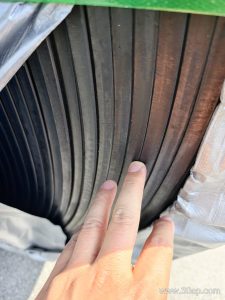
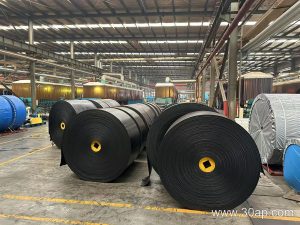
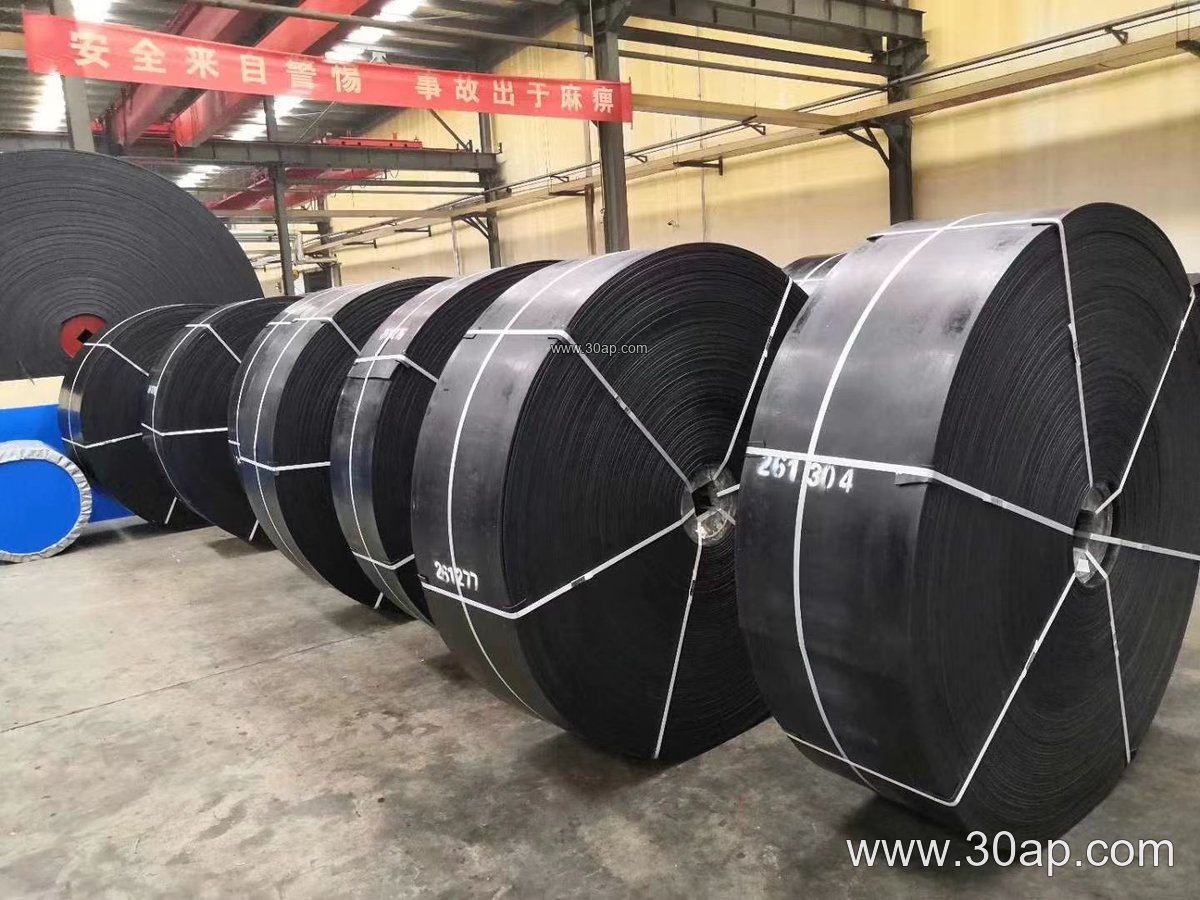
A 1500mm Wide Conveyor Belt is a heavy-duty belting product with a nominal belt width of 1500 mm, commonly written as B1500 in specification sheets. It sits in the wide-belt class, above the familiar 1200mm and 1400mm sizes and below extra-wide options such as 1800mm or 2000mm. The main reason engineers choose this width is throughput: a wider carrying surface lets a conveyor move more bulk material at the same belt speed, which matters in mines, coal preparation plants, cement works, power stations and large sand and gravel yards.
The product is not defined by width alone. A 1500mm wide belt is built around a carcass, a top cover and a bottom cover, and each of these is selected for the duty. A Rubber Conveyor Belt of this width may use a fabric core or a steel cord core, and the cover compound decides whether it suits abrasive rock, hot clinker, oily scrap or cold outdoor service.
Carcass Construction and Strength Grades
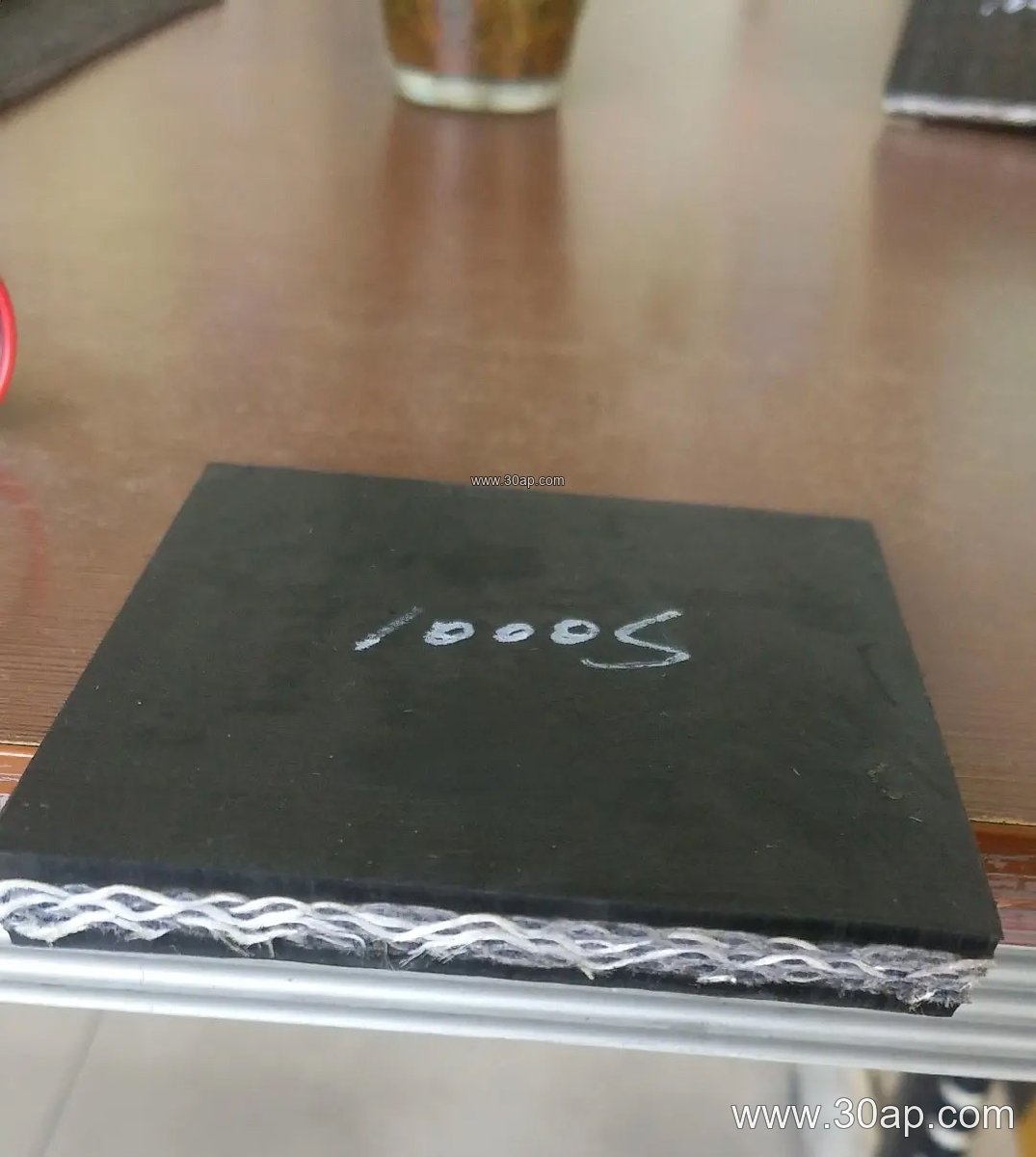
The carcass carries the tension. For a 1500mm wide belt, common constructions include multi-ply fabric core, steel cord and solid-woven PVG or PVC types. Fabric belts are usually described by strength grade and ply count, while steel cord belts are described by nominal tensile strength.
| Property | Typical Options for 1500mm Width |
|---|---|
| Carcass type | EP fabric, NN nylon fabric, steel cord, PVG, PVC |
| Strength grade (fabric) | EP200, EP315, EP400, EP500, EP630, EP800, EP1000, EP1250 |
| Strength grade (steel cord) | ST1000, ST1250, ST1600, ST2000, ST2500 |
| Ply count (fabric) | Usually 2 to 6 plies, depending on tension |
| Cover thickness | Common combinations such as 4+2, 5+2, 6+2, 8+3 mm |
An EP Conveyor Belt with polyester-nylon fabric is a frequent choice because it stretches less than all-nylon construction and keeps good troughability. Where impact from large lumps is severe, an Abrasion Resistant Conveyor Belt with thicker top cover is often specified. For long overland runs and high tension, a Steel Cord Conveyor Belt provides high strength with fewer splices.
Where the Width Fits in a Conveyor
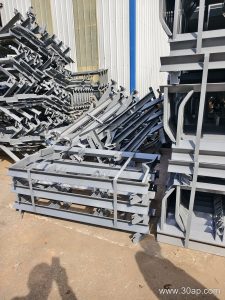
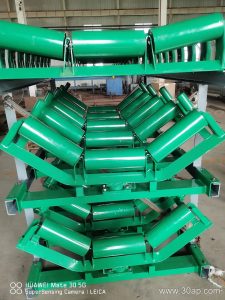
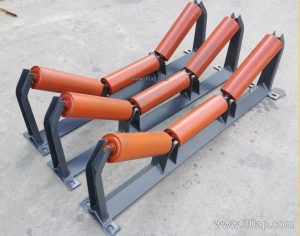
Belt width interacts with the rest of the conveyor, but it does not fix any single component size. The troughing idler roller set, the drive pulley, the tail pulley and the bend pulley are all selected from the calculated tension, the material load and the required wrap angle. A 1500mm belt can run on different pulley diameters in different installations, and shaft diameter must be calculated from torque and load rather than guessed from width. The conveyor bracket and frame are likewise designed for the belt load and the site layout, not copied from a width table.
That said, wider belts do demand care in alignment. A 1500mm wide belt has more surface to train, so idler frames should be square, pulleys level and the loading point centered. In a coal mining conveyor or an underground mining conveyor, a wandering wide belt can damage edges quickly and spill material along the whole line.
Common Industries and Service Conditions
- Mining and quarrying: ore, rock and overburden on primary and secondary lines, often with impact-resistant covers.
- Coal handling: flame retardant and anti-static grades are common for underground and enclosed systems.
- Cement and power plants: limestone, clinker, coal and ash, where heat resistant or abrasion resistant compounds may be needed.
- Sand and aggregate yards: high-volume stone and sand transfer, where edge wear and cover life drive the choice.
- Ports and ship loading: large tonnage bulk material flow where a wide belt reduces the number of parallel lines.
Special conditions change the compound rather than the width. A Heat Resistant Conveyor Belt may be required near kilns or sinter coolers, an oil resistant grade near machinery with lubricant exposure, and a cold resistant grade in northern yards. Corrugated sidewall or chevron designs are separate subtypes used for steep inclines; they are not replacements for a flat 1500mm belt on a standard troughed conveyor.
Buyer Checklist Before Ordering
When specifying a 1500mm Wide Conveyor Belt, give the supplier the material type, lump size, capacity in tonnes per hour, belt speed, center distance, incline angle and the ambient or material temperature. State the required strength grade, cover thickness, ply count and any flame retardant or anti-static requirement. Confirm the splice method, because a wide belt with a poor joint is a weak point regardless of carcass quality.
Ask for the actual measured width and thickness, the cover hardness range and the recommended minimum pulley diameter for the selected carcass. Keep spare idler rollers and at least one spare pulley in the maintenance store, and check belt tracking after every splice. Treated as an engineered component rather than a cut-to-width commodity, a 1500mm belt can deliver long, stable service in the heaviest bulk handling duty.