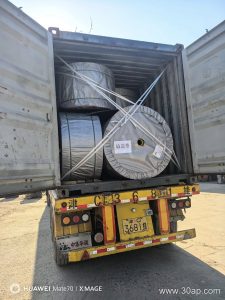
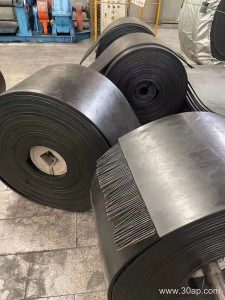
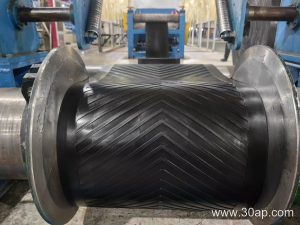
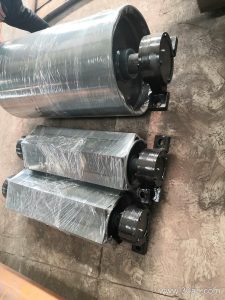
What an Underground Mining Conveyor Belt Is
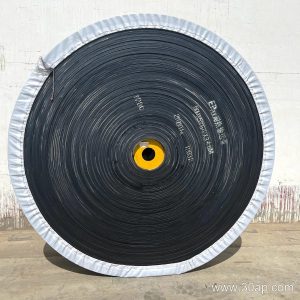
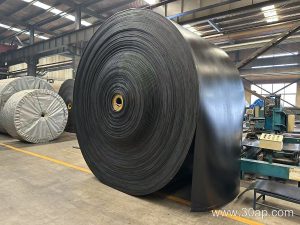
An underground mining conveyor belt is the continuous load-bearing surface that moves coal, ore, aggregate, or waste rock through tunnels, declines, and incline shafts. Unlike a surface conveyor, this rubber belt must often work in confined spaces with limited ventilation, high humidity, and occasional water ingress. It runs over a series of idler rollers, wraps around a head or drive pulley, returns over a tail pulley, and is kept in line by bend pulleys and conveyor brackets. The belt itself is the main subject here; the pulleys only guide or drive it, and each pulley type has its own job.
The belt is not a simple strip of rubber. It is a composite structure, and the exact build determines how well it survives a coal mine, a cement plant feed tunnel, a power station bunker line, or a sand and gravel pit.
Construction and Common Specifications
A typical underground belt combines a carcass, cover rubber, and edge protection. The carcass carries the tension. Cover rubber protects against abrasion, impact, and moisture. Common carcass types for this duty include EP fabric, NN nylon, and steel cord. Fire resistance and antistatic behaviour are frequently required in coal and tunnel work, so PVC or PVG covers may be chosen where flame spread and static electricity are concerns. Heat-resistant, oil-resistant, and cold-resistant grades are available for special conditions, but they are not universal.
The table below lists reference ranges that a buyer may see in technical offers. These are examples, not fixed supply promises. Actual values come from the conveyor design and the manufacturer.
| Parameter | Common reference range |
|---|---|
| Belt type | EP, NN nylon, steel cord, PVC, PVG |
| Tensile strength | EP200, EP315, EP400, EP500, EP630, EP800, EP1000, EP1250, EP1600, EP2000 |
| Belt width | B500, B650, B800, B1000, B1200, B1400, B1600, B1800, B2000 |
| Cover thickness | 3+1.5 mm, 4+2 mm, 5+2 mm, 6+2 mm, 8+3 mm |
| Fabric plies | Usually 2 to 6 layers |
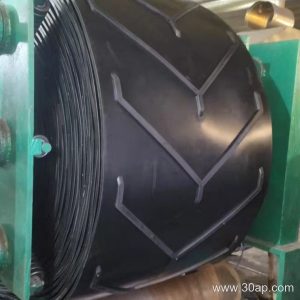
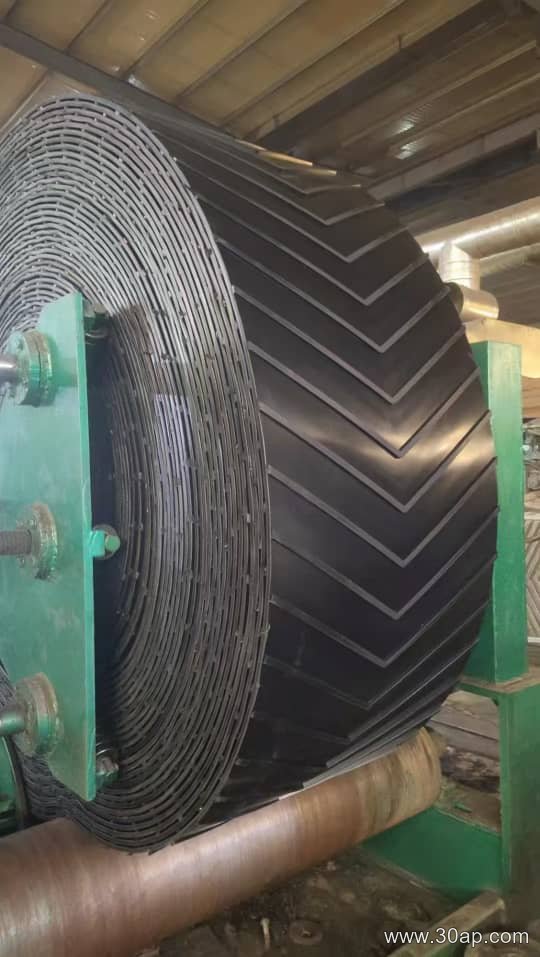
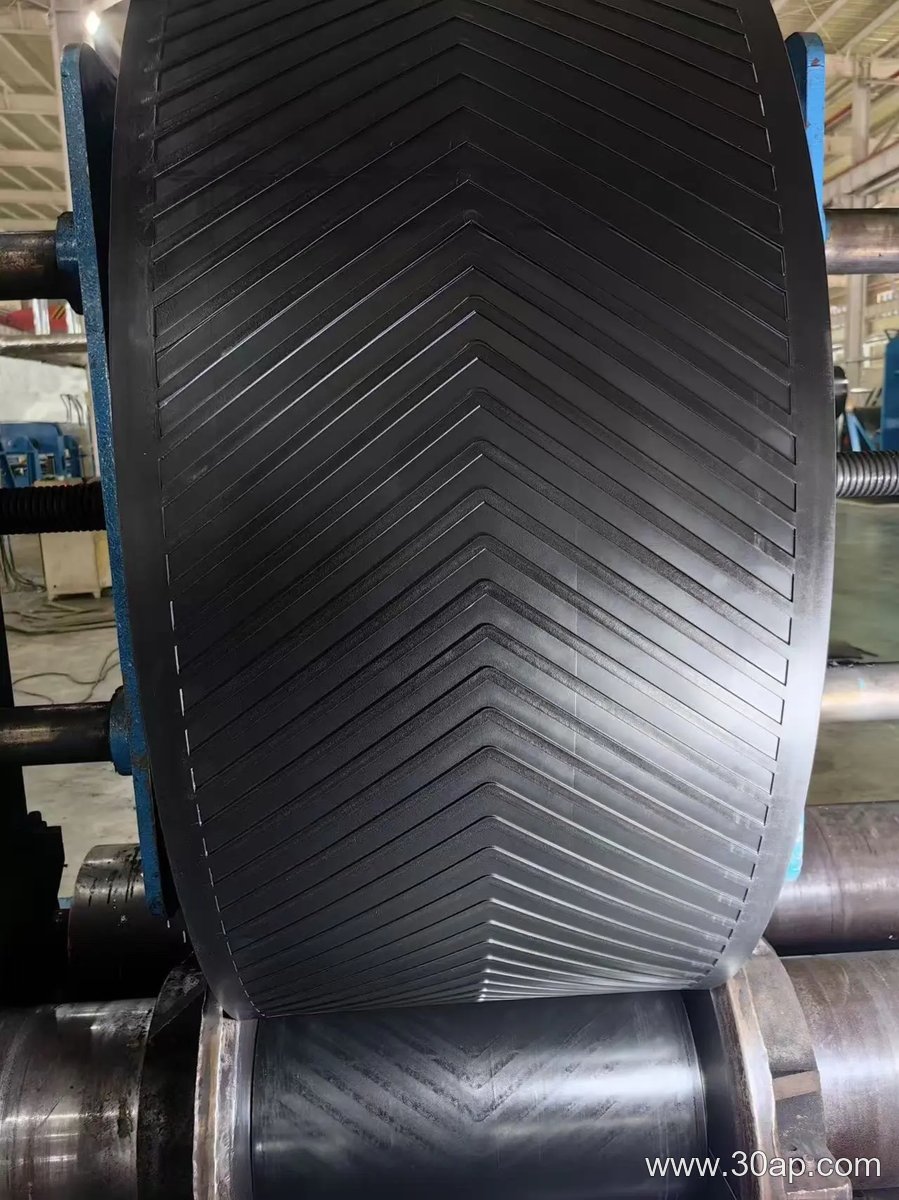
| Surface form | Smooth, patterned, chevron, corrugated sidewall |
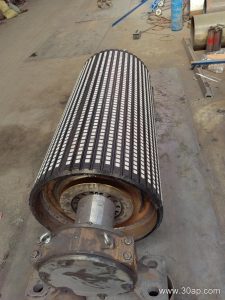
Belt width and pulley diameter are separate design choices. A wider belt does not automatically require one specific pulley size, and shaft diameter is never fixed by belt width alone. The drive pulley, tail pulley, and bend pulley are not interchangeable. A drive pulley transmits torque; a tail pulley turns freely at the loading end; a bend pulley changes belt direction. Conveyor brackets and idler rollers also have their own mounting and spacing rules.
Where It Is Used
- Coal mines and tunnels where flame-retardant and antistatic properties are often requested.
- Metal mines handling abrasive ore and sharp rock.
- Cement plants moving clinker, limestone, and additives.
- Power stations feeding coal or limestone into bunkers.
- Sand and gravel yards working with wet, dusty, or uneven material.
In each case, the underground mining conveyor belt must match the material lump size, drop height, incline angle, and available space. A chevron or corrugated sidewall belt can help on steep inclines, while a smooth belt is easier to clean and splice.
What a Buyer Should Check
Start with the duty. Ask for the peak tonnage, belt speed, incline, and material characteristics. Then confirm the carcass type and strength class. For a coal or tunnel project, verify the fire and antistatic requirements in writing. For a cement or power plant line, check heat resistance if the material is warm. For a cold mine, confirm the cold-flex grade.
Check the cover thickness against abrasion and impact. A 4+2 mm or 5+2 mm cover is common in medium-duty work, while 6+2 mm or 8+3 mm may suit heavier impact. Do not treat these as mandatory sizes for every conveyor. The splice method, edge condition, and pulley lagging also affect belt life.
Finally, review the full conveyor, not just the belt. Idler roller spacing, pulley alignment, and bracket condition can cause edge wear or mistracking. A well-built belt still fails early if the drive pulley is misaligned or the tail pulley is seized.
Maintenance Notes
Inspect the belt regularly for cuts, cover wear, and exposed carcass. Keep the drive pulley, tail pulley, and bend pulley clean and aligned. Replace worn idler rollers before they damage the belt edge. Store spare belts away from sunlight, oil, and excessive heat. When splicing, follow the manufacturer’s cure time and pressure recommendations.
An underground mining conveyor belt is a long-term investment. Matching the belt to the mine, the material, and the conveyor hardware is more important than chasing a single number.