
Face length calculation for an idler roller
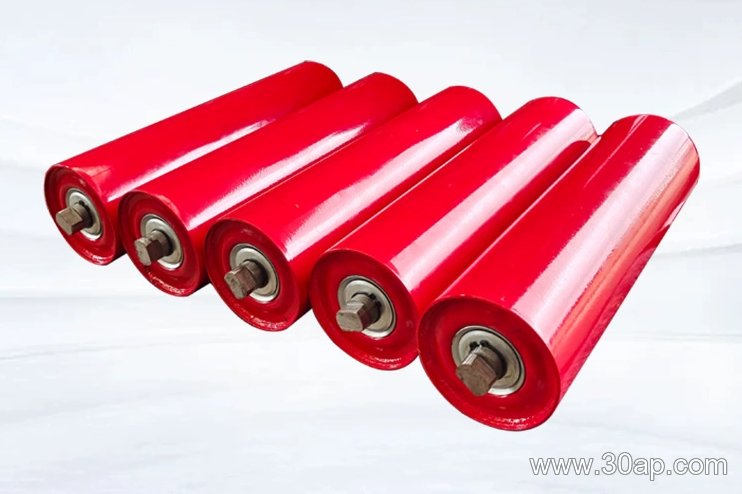
Face length is not the same as belt width. A common mistake in cement plant conveyors is ordering an idler roller that matches the belt width, which leaves the belt edges unsupported. The roller face must be longer to allow for belt wander and frame clearance.
Assumptions and method
Assume a 1200 mm belt, a trough angle of 35°, and a frame that provides 50 mm clearance per side. A practical rule is face length = belt width + 2 × (edge allowance). For a 1200 mm belt, use a 100 mm edge allowance per side, giving a face length of 1400 mm. This is a hypothetical example, not a universal specification. Always verify with the conveyor designer and the idler roller manufacturer.
- Belt width: 1200 mm
- Edge allowance: 100 mm per side
- Calculated face length: 1200 + 200 = 1400 mm
In a cement plant, this extra length helps accommodate misalignment and material buildup without the belt slipping off the idler roller.
How to Estimate the Lagging Length for a Conveyor Pulley in a Dusty Quarry
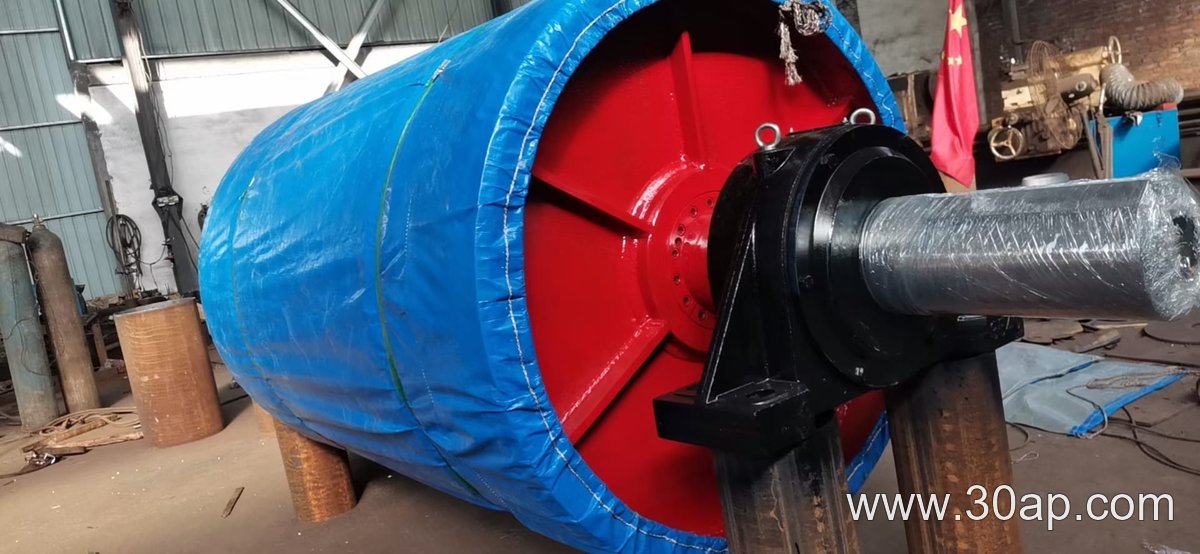
In a dusty quarry, a conveyor pulley’s lagging length must cover the belt contact path plus a margin. Assume a 500 mm diameter pulley, 1000 mm belt width, 180° wrap, and 50 mm edge margin. The lagging length equals the arc length of contact plus 2 × margin. Arc length = (π × D × wrap) / 360 = (3.14 × 500 × 180) / 360 = 785 mm. Adding 100 mm gives 885 mm. This hypothetical example shows why dusty conditions favor slightly longer lagging to prevent edge exposure and belt wander.
Key assumptions and checks
- Belt width and pulley face must be measured in the same units.
- Wrap angle depends on the drive arrangement, not the pulley alone.
- Dust does not change the formula but affects lagging wear rate.
How do you size a conveyor bracket when loads vary along the line?
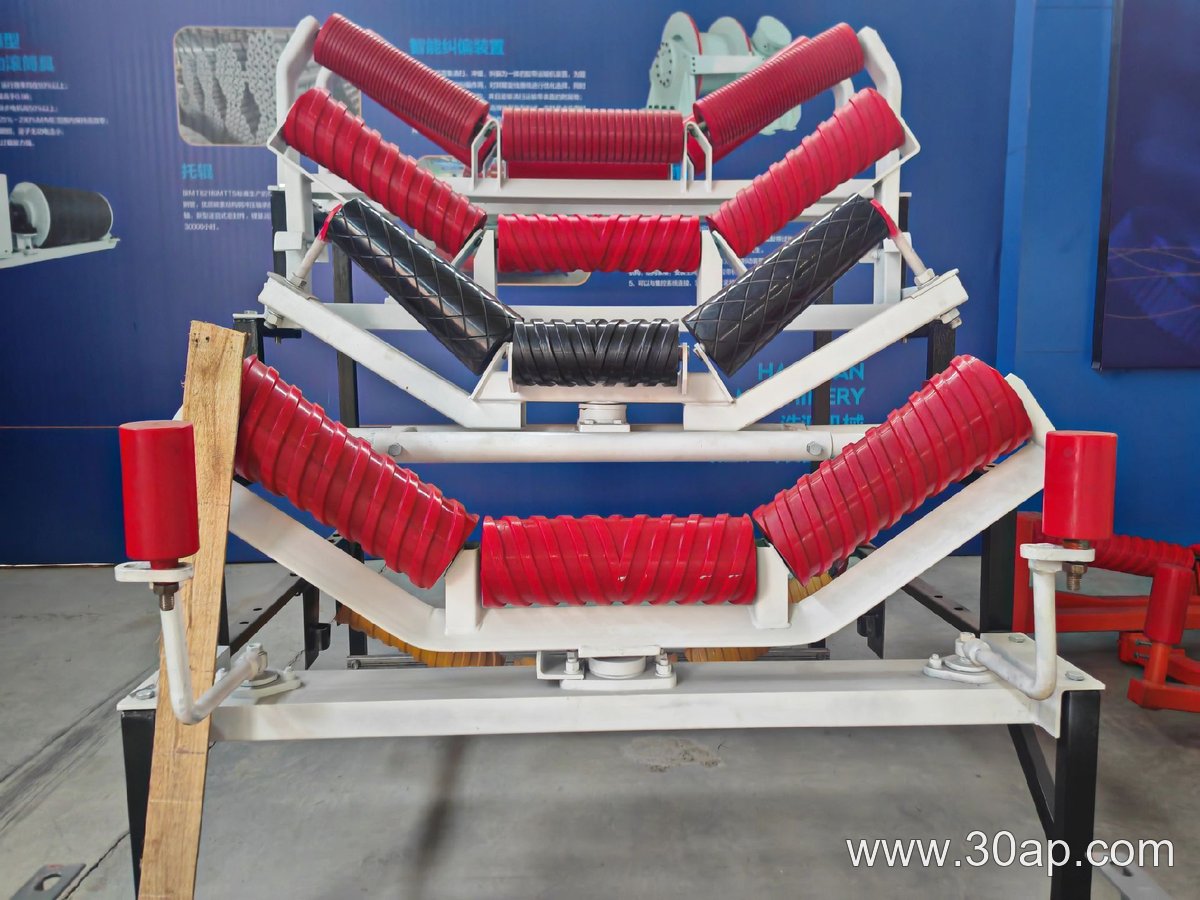
Start with the worst-case bay, not the average. A conveyor bracket must carry the idler, belt, and material at the point of highest tension and impact.
Hypothetical assumptions
- Belt width 600 mm, three-roll trough, 1.2 m idler spacing.
- Material density 0.8 t/m³, lump impact at the load zone.
- Stringer is bolted, so bracket stiffness matters as much as strength.
Decision: choose a formed-channel conveyor bracket with a gusseted foot for the load zone, and a lighter flat bracket elsewhere. Check hole spacing against the idler shaft, then verify deflection under the assumed load before ordering.