What an Oil Resistant Conveyor Belt Is
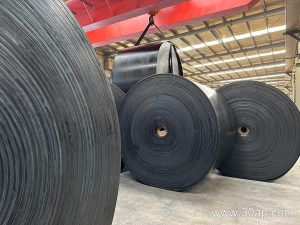
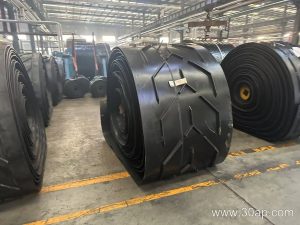
An oil resistant conveyor belt is a rubber conveyor belt designed to carry materials that contain mineral oil, vegetable oil, animal fat, or oily residue without the cover compound swelling, softening, or cracking prematurely. In a quarry, cement plant, or coal preparation facility, ordinary belting can absorb oil and lose adhesion between the cover and the carcass. The oil resistant belt uses a cover compound that resists hydrocarbon penetration, which helps the belt keep its shape and grip over time. It is still a conveyor belt first, so it must carry load, track well on the conveyor pulley, and run without excessive stretch.
Construction and Compound Design
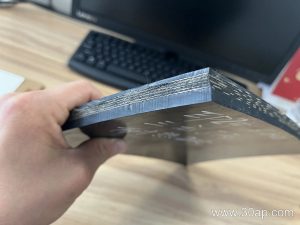
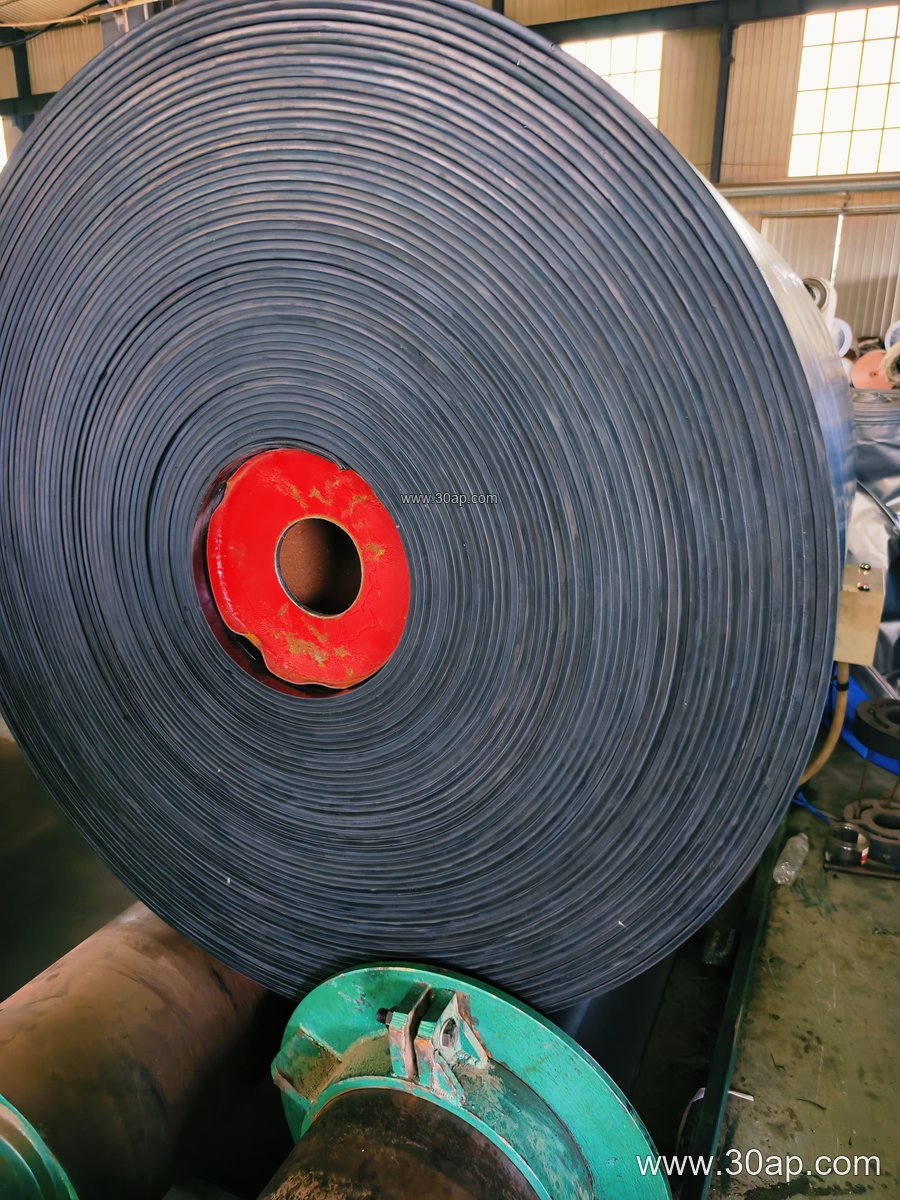
The belt is built around a fabric or steel cord carcass, with oil resistant rubber on both the top cover and the bottom cover. The carcass provides tensile strength and keeps the belt from elongating under load. Common carcass options include EP (polyester-cotton) fabric, NN nylon fabric, and steel cord for heavy-duty lines. The cover is where oil resistance lives. Formulators select polymers and fillers that reduce oil absorption while keeping abrasion resistance at a workable level. A typical construction might be a 4+2 mm cover on a multi-ply EP carcass, but the exact build follows the duty.
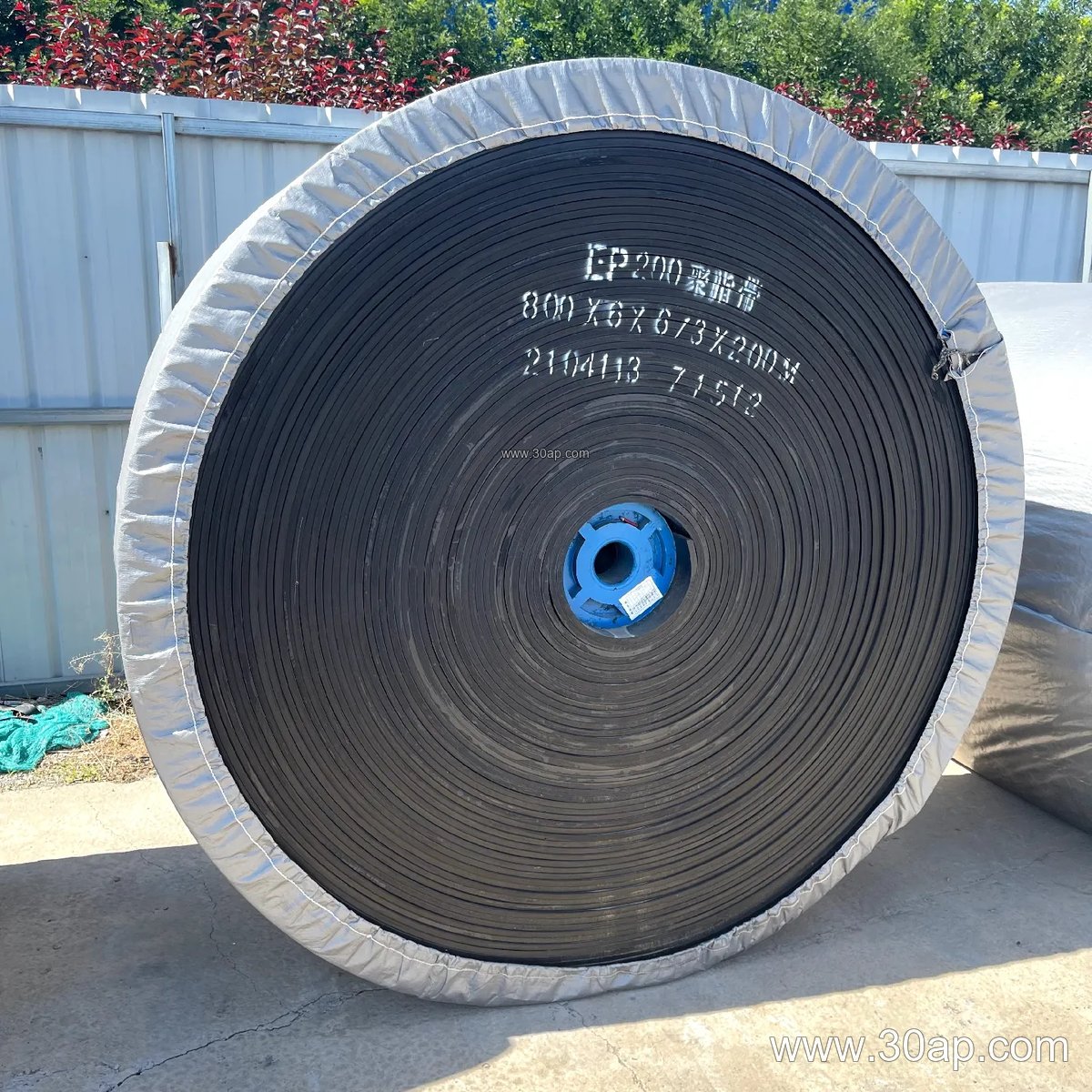
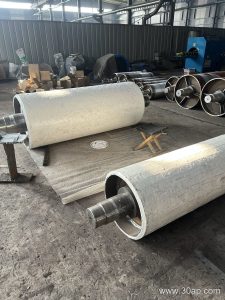
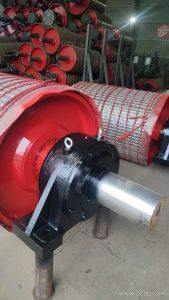
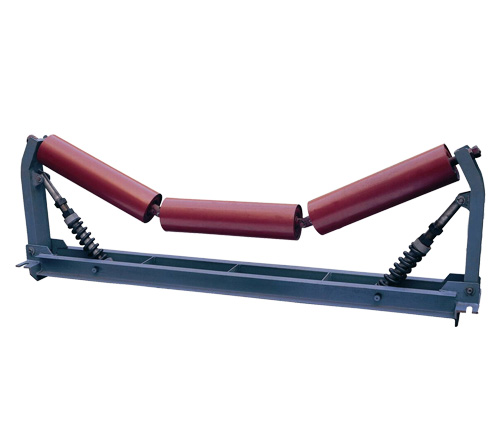
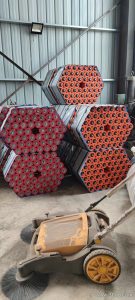
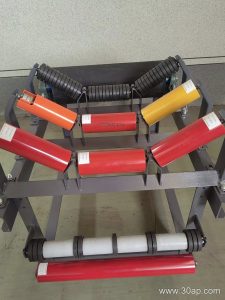
Belt edges, splices, and pulley contact matter. A conveyor pulley with a crowned face helps center the belt, while a conveyor bracket and idler roller set keep the carrying run supported. If the return side is exposed to oil drips, the bottom cover also needs oil resistance, so buyers should specify both faces rather than assume.
Typical Working Conditions
Oil resistant belting is common where material is oily by nature or picks up oil during processing. Examples include:
- Oilseed and grain handling in feed mills and agricultural terminals
- Coke, coal, and oily scrap in coal preparation plants
- Crushed limestone and clinker lines in cement plants where lubricant contamination is possible
- Recycling and shredder plants handling oily packaging or metal scrap
- Foundry and power plant lines carrying oily ash or residue
Temperature, abrasion, and oil concentration all affect service life. A belt that works well with light vegetable oil may not suit hot, heavily oil-soaked material. Suppliers usually ask for the oil type, the temperature, and the loading method before recommending a compound.
Strength, Width, and Cover Reference Data
These are common reference values, not fixed combinations. Final selection depends on the conveyor design, the material, and the pulley arrangement.
| Parameter | Common reference values |
|---|---|
| Fabric belt strength | EP200, EP315, EP400, EP500, EP630, EP800, EP1000, EP1250, EP1600, EP2000 |
| Belt width | B500, B650, B800, B1000, B1200, B1400, B1600, B1800, B2000 |
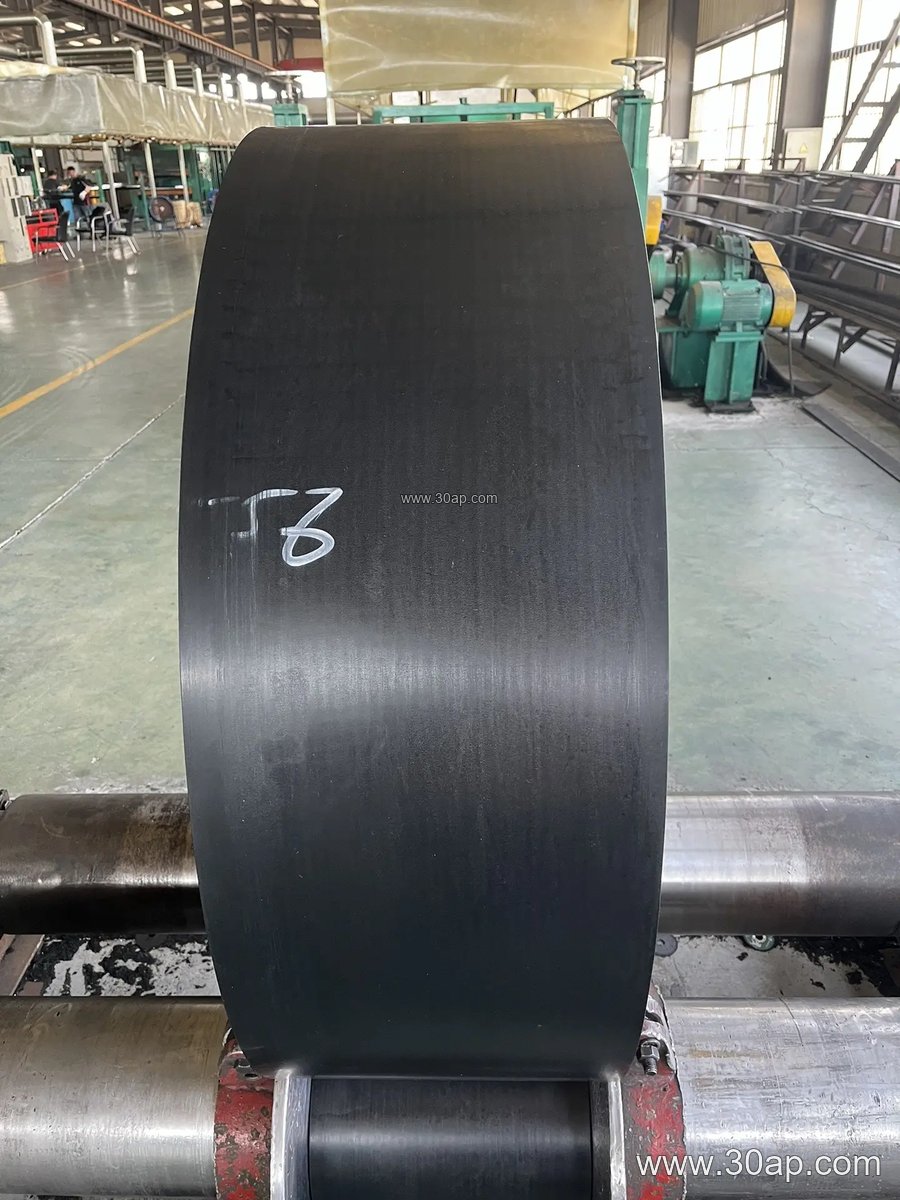
| Cover thickness | 3+1.5, 4+2, 5+2, 6+2, 8+3 mm |
| Carcass plies | Typically 2 to 6 layers for fabric belts |
Width and pulley size are separate decisions. A wider belt does not automatically dictate a particular pulley diameter, and shaft size follows the conveyor design, not the belt width alone. Designers match belt tension, pulley diameter, and shaft load together.
Selection Notes for Buyers
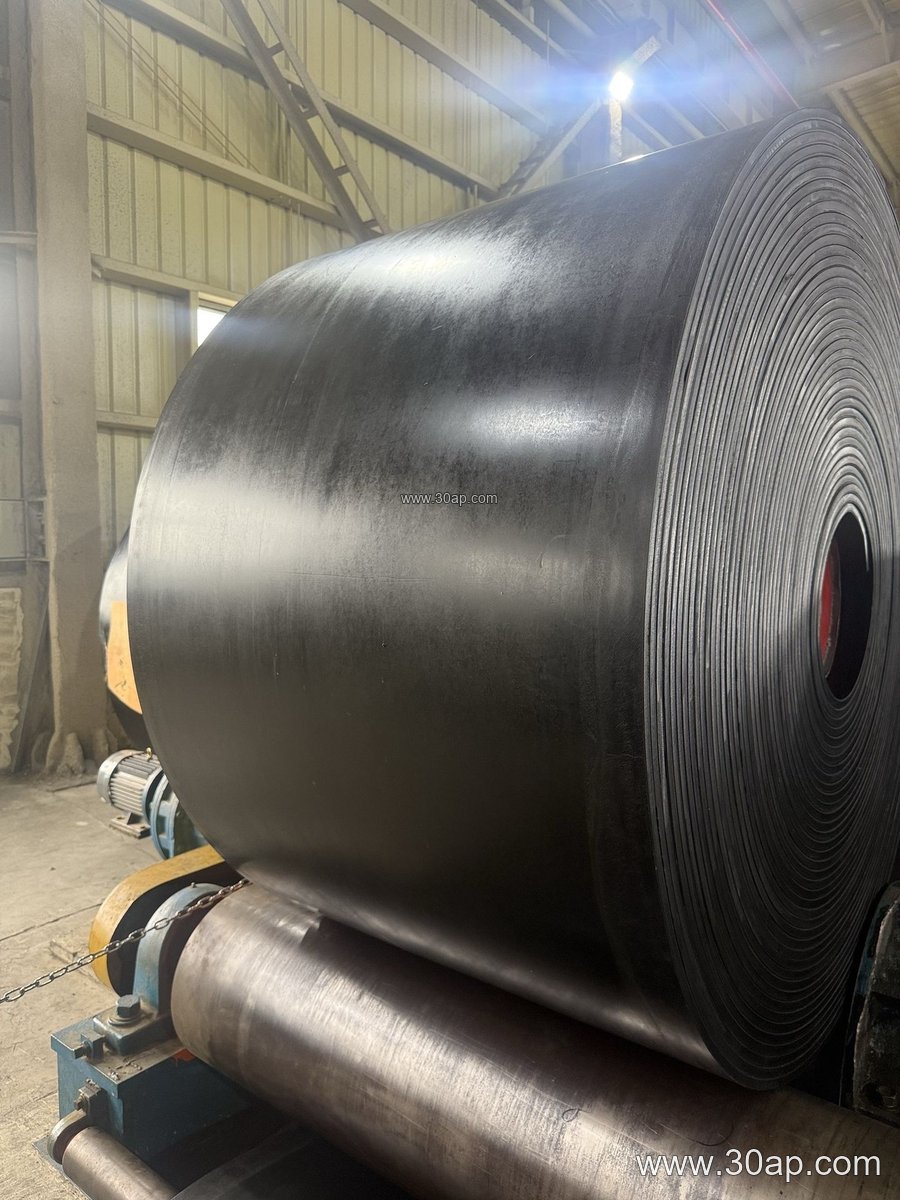
Start with the material being carried. If the oil content is high, ask for a cover compound tested for the specific oil family. Confirm whether the return side needs the same protection. Then check the tensile grade against the calculated belt tension, allowing for starting loads and any incline. On long lines, steel cord construction may be more suitable than fabric plies, while shorter transfers often use EP or NN fabric belting.
Also consider the conveyor hardware. Idler roller spacing affects sag and cover wear, and the tail pulley and bend pulleys should be sized so the belt flexes without cracking at the splice. For cold or outdoor installations, a cold-resistant grade may be needed alongside oil resistance. If the material is also hot, mention it early, because oil resistance and heat resistance are separate properties.
Installation and Maintenance Tips
Keep oil from pooling on the belt surface where possible; a well-positioned scraper and a clean return run reduce prolonged contact. Check splices regularly, since oil can attack splice adhesive before it attacks the cover. Inspect the conveyor pulley lagging and the idler roller for oil buildup, and confirm that the conveyor bracket and frame are not allowing the belt to mistrack. Store spare belting away from lubricants and direct sunlight. When replacing, record the strength grade, width, and cover thickness so the next order matches the line.