How Does Punching Versus Drilling Change a Conveyor Bracket’s Finished Fit and Fatigue Life
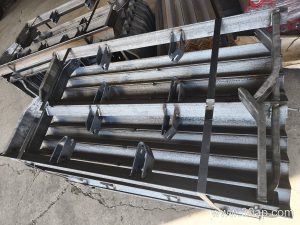
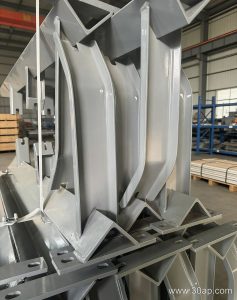
Punching shears the hole edge and leaves a small work-hardened zone; drilling cuts it away. On a conveyor bracket, that difference decides whether a bolt sits flat and whether a crack starts at the hole.
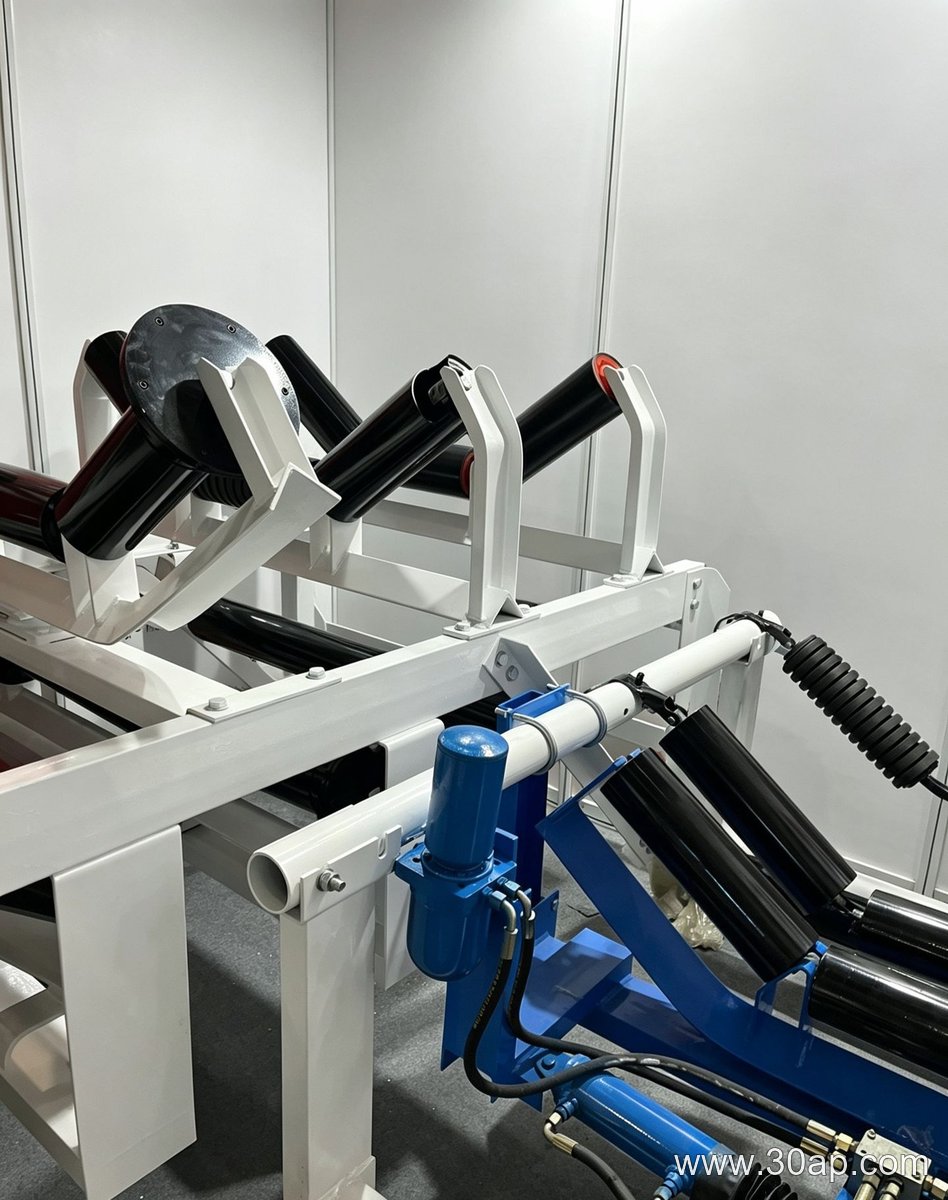
Stages That Shape the Finished Conveyor Bracket
- Cutting and forming set the bracket’s flatness before any hole is made.
- Punching is fast but can distort thin flanges and harden the hole rim.
- Drilling or reaming removes the damaged layer and holds hole position.
- Welding and finishing affect the mounting face the conveyor bracket must keep true.
For a general manufacturing line, the practical check is simple: inspect the hole edge, confirm the mounting face stays flat, and verify bolt heads seat without a gap. A conveyor bracket that passes those checks will hold idler alignment longer.
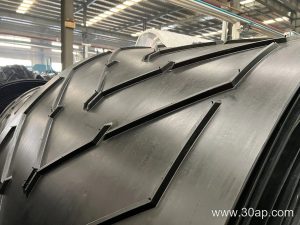
On a general manufacturing line, loads change from light cartons to heavy machined parts, so one conveyor belt must tolerate varying impact, speed, and duty. The answer is to group belts by construction: fabric carcass, steel cord, and specialty types. Each suits different conditions.
How Conveyor Belt Construction Groups Determine Use
Fabric carcass belts use woven plies, offering flexibility and moderate strength for mixed loads. Steel cord belts embed cables for high tension and long runs, but are stiff and costly. Specialty belts, like pipe or cleated types, contain material or handle inclines. Choose fabric for general manufacturing; steel cord for heavy, long-haul duty; specialty for space or slope constraints.
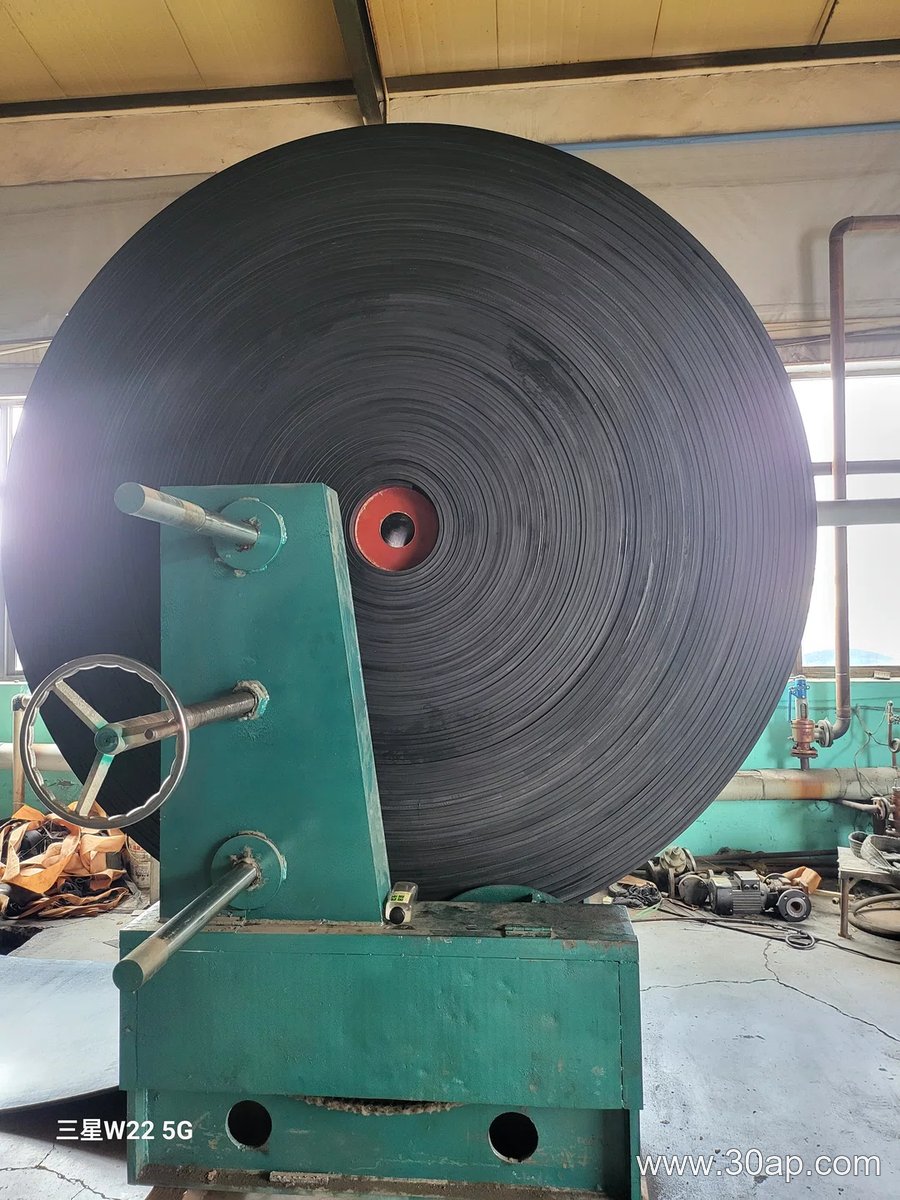
Duty and Performance Checks
- Impact resistance: fabric carcass absorbs shock better than steel cord.
- Pulley diameter: steel cord needs larger pulleys to avoid fatigue.
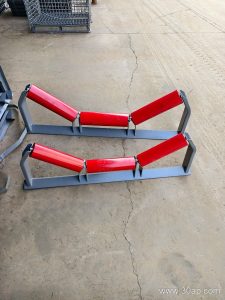
- Load support: fabric belts trough well on standard idlers.
- Environmental fit: pipe conveyor belts enclose material to prevent spillage.
Match the belt to the worst-case load and speed, not the average.
Comparing shell materials for abrasive mineral duty
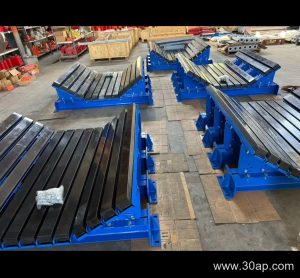
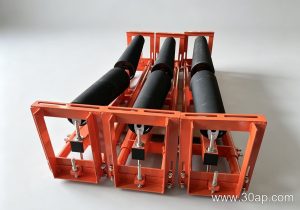
In a mineral processing plant, an idler roller must survive sharp ore dust and occasional impact. Two common shell materials are mild steel and polymer. Mild steel offers low purchase cost and high strength, but it wears quickly under abrasion, leading to early replacement. Polymer resists abrasion and corrosion, yet costs more upfront and may crack under heavy impact. The trade-off is application fit versus purchasing cost.
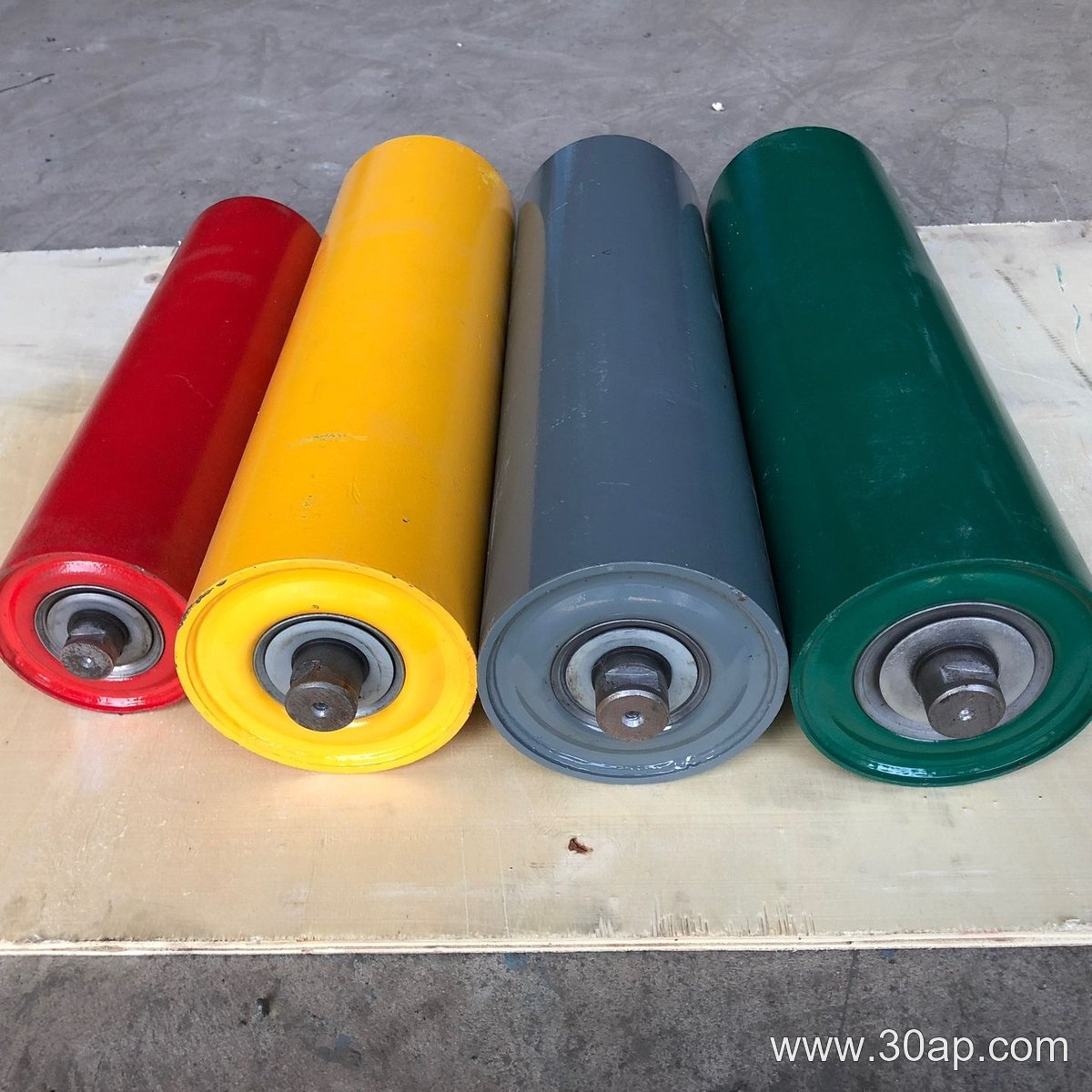
When each material fits
- Mild steel: suitable for light abrasion, moderate loads, and tight budgets. Not ideal for continuous abrasive slurry.
- Polymer: better for fine, abrasive, or corrosive environments. Requires careful handling to avoid impact damage.
Choose based on duty, not just price. A hypothetical plant running 12-hour shifts with coarse ore may find polymer lasts longer, offsetting higher initial cost. A low-impact, dry circuit may justify mild steel. Always verify bearing seals and load ratings for the specific idler roller.
Does a Conveyor Pulley in a Bulk Port Need a Welded Drum or a Bolt-On Hub Design
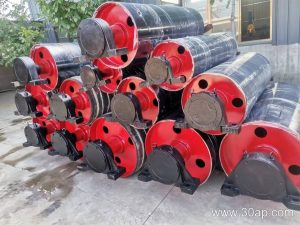
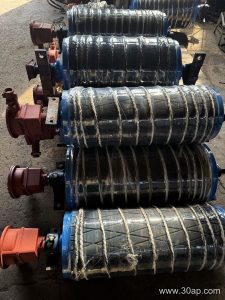
At a bulk-material port terminal, a conveyor pulley often faces continuous load, salt air and abrasive ore dust. Two common construction choices are the fully welded drum pulley and the bolt-on hub or removable-end design. They solve different problems.
Fully welded conveyor pulley
The shell, end discs and hub are welded into one unit. This gives high stiffness and good fatigue resistance under steady, heavy tension. It suits fixed drives where the pulley stays in place for years. The limitation is maintenance: replacing a shaft or bearing housing usually means cutting and re-welding, so downtime is longer.
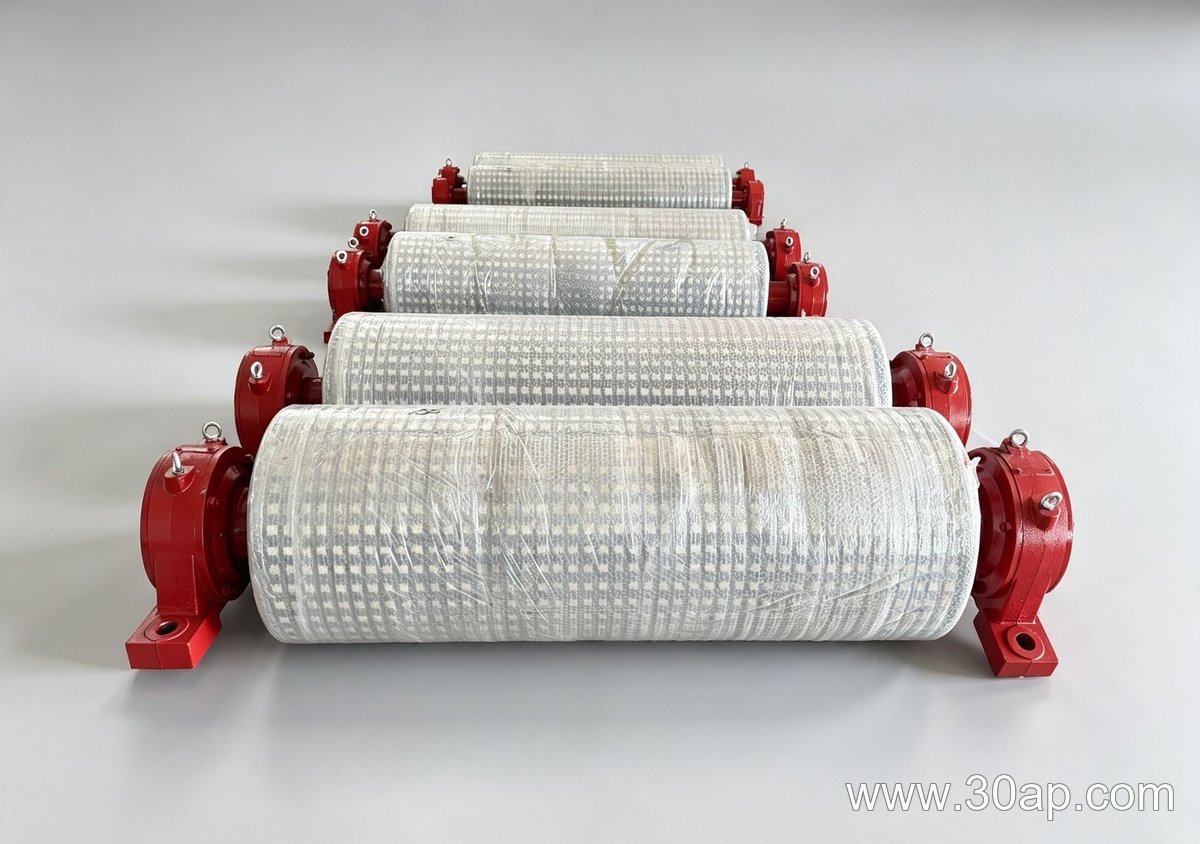
Bolt-on hub conveyor pulley
The end discs or hubs are fastened with bolts, allowing removal of the shaft or lagging without cutting the drum. This helps in terminals where maintenance windows are short and spare pulleys must be swapped quickly. The trade-off is more joints that can loosen under vibration and salt corrosion, so inspection and correct torque matter.
Choose welded construction for stable, high-load duty and bolt-on hubs where fast replacement outweighs extra joint checks.