What a Plastic Idler Is and Where It Fits
A plastic idler is a conveyor idler roller whose shell and often its end caps are made from engineering polymer instead of steel. It supports the conveyor belt on the carrying or return side, spins on its own bearings, and keeps the belt profile stable between the head and tail of the conveyor. In a coal washing plant, a cement plant, or a quarry crushing line, these rollers are often chosen where weight, corrosion, or belt wear matter more than raw load capacity.
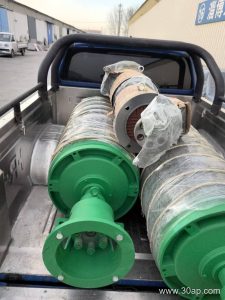
The plastic idler roller is not a replacement for a conveyor pulley. Drive pulleys, tail pulleys, and bend pulleys transmit or redirect belt tension and are completely different components. A plastic idler only carries the belt; it does not drive it. That distinction matters when specifying a conveyor, because mixing idler and pulley functions leads to wrong shaft and bearing choices.
How the Roller Is Built
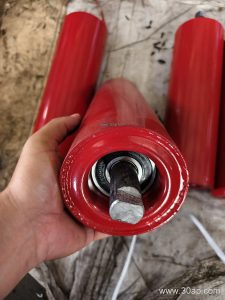
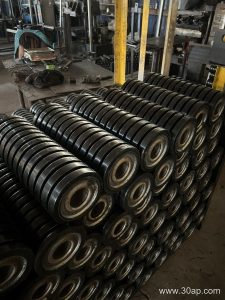
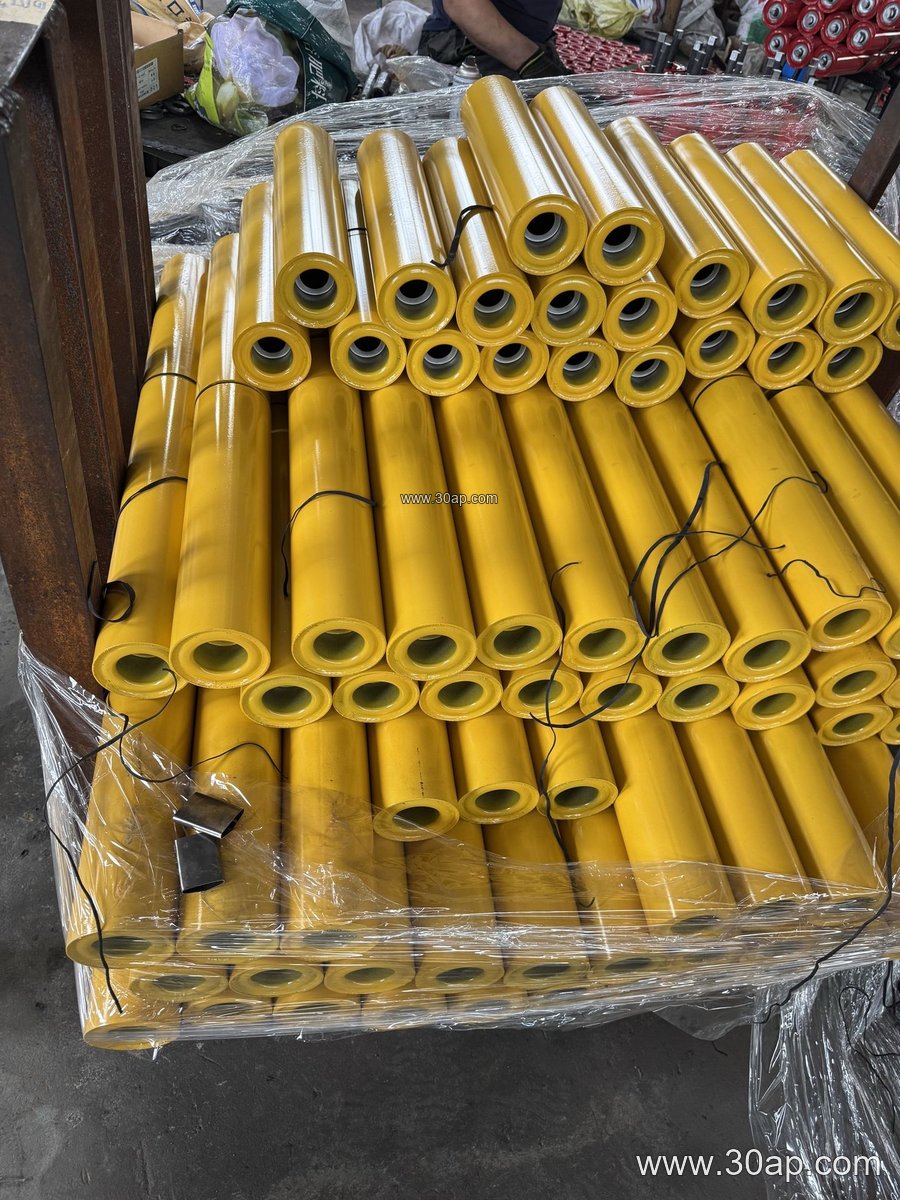
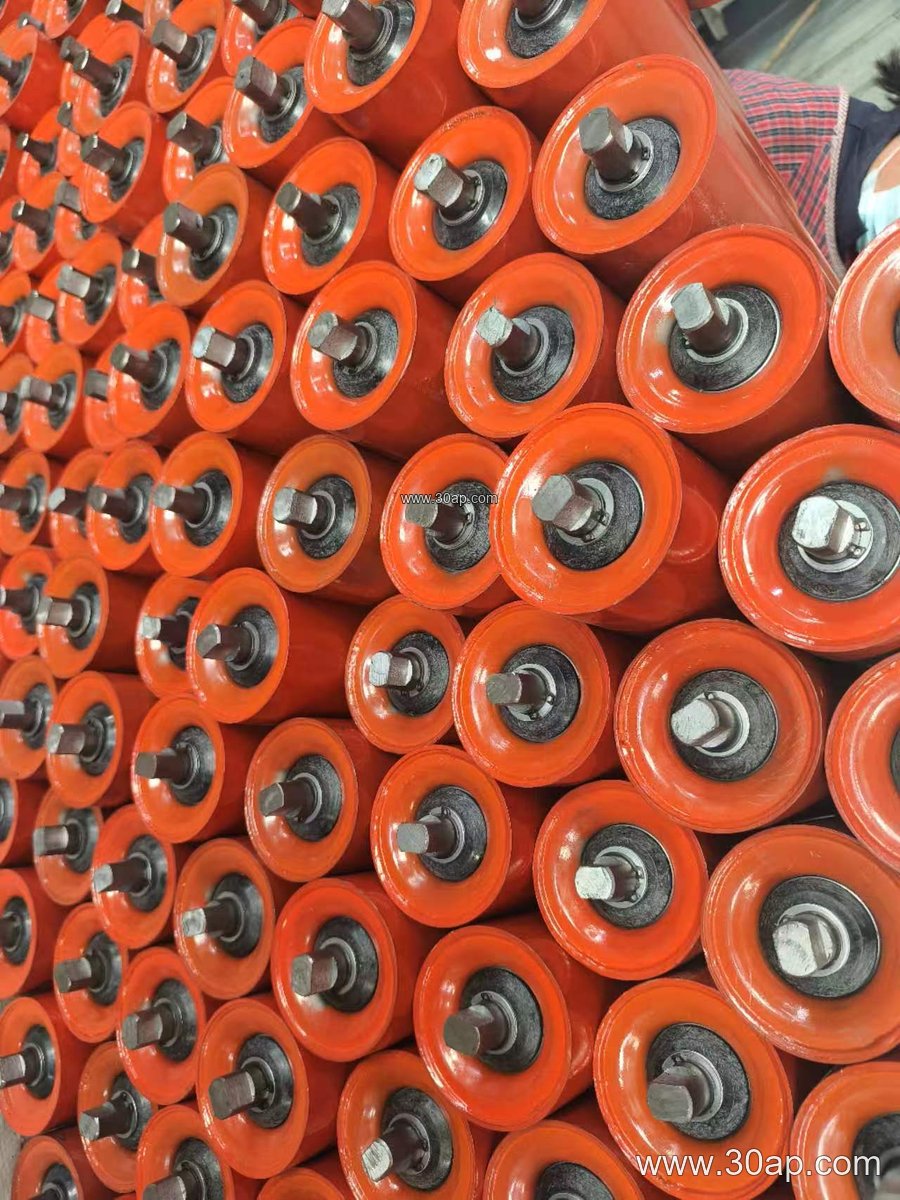
Most plastic idlers combine a molded or extruded polymer shell with steel or polymer bearing housings, sealed ball bearings, and a fixed or through shaft. The shell may be plain, or it may carry rubber rings for impact absorption. Common roller diameters include Ø63, Ø76, Ø89, Ø102, Ø108, Ø127, Ø133, Ø159, and larger sizes for heavy belts. Bearing selection is independent of shell material, and common sizes such as 6204, 6205, 6305, and 6308 appear across many diameters, so the bearing number should always be confirmed against the actual load and speed.
Sealing is the detail that decides service life in dusty conditions. Labyrinth seals, contact seals, and multi-stage protection keep fines out of the bearing cavity. In a sand and gravel line or a limestone mine, a well-sealed plastic roller can outlast a poorly sealed steel one simply because grit never reaches the balls.
Where Plastic Idlers Are Used
These rollers suit medium-duty conveying of bulk materials where corrosion or belt abrasion is a concern. Typical locations include:
- Return-side support under a rubber conveyor belt in a concrete batching plant
- Carrying-side idler stations in a fertilizer or grain handling facility
- Light-to-medium duty sections of a power plant coal conveyor
- Wet or chemically exposed sections of a mineral processing circuit
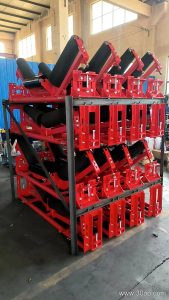
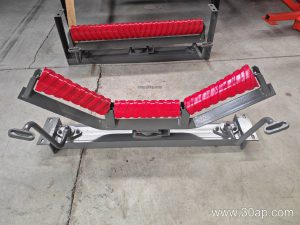
They are less suitable for very high belt tension, large lump impact, or hot material. Where impact is severe, a rubber-disc impact idler in steel remains the safer choice. Where the belt is wide, for example a 1200mm or 1400mm belt, the idler set may be three-roll troughing with a 30 or 35 degree trough angle, and the roll length is set by belt width and trough geometry rather than by a single fixed rule.
Specification Points a Buyer Should Check
Before ordering, confirm the belt width, trough angle, roll diameter, roll length, shaft diameter, bearing size, and sealing class. A 650mm or 800mm belt usually needs smaller rolls than a 1600mm or 1800mm belt, but the exact roll length depends on the troughing frame design. The table below shows typical reference ranges, not fixed matches.
Reference Data for Plastic Idler Selection
| Parameter | Common Range | Notes |
|---|---|---|
| Roll diameter | Ø63 to Ø159 mm | Larger sizes for heavier belts |
| Belt width | B500 to B2000 mm | Match to conveyor frame |
| Trough angle | 20, 30, 35, 45 degrees | Higher angle for fine bulk material |
| Bearing | 6204, 6205, 6305, 6308 | Confirm by load and speed |
| Roll surface | Plain, rubber ring | Rubber ring for impact zones |
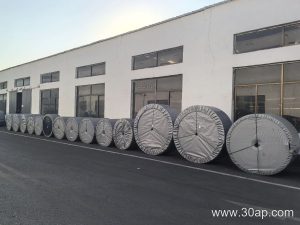
Also check the conveyor bracket and frame spacing. A plastic idler must fit the existing bracket without shimming, and the shaft ends must match the slot or clamp design. If the conveyor uses an EP conveyor belt or a multi-ply fabric core belt, the idler spacing and roll diameter should follow the belt manufacturer’s recommendation for sag control.
Maintenance and Practical Advice
Inspect rollers for flat spots, shell cracks, and seal leakage during routine stops. Replace a seized roller promptly, because a locked idler can wear through a conveyor belt quickly and raise motor load. Keep spare rollers in the two or three most common diameters used on site. For a quarry conveyor belt or a cement plant line, matching the spare to the installed roll length avoids downtime.
Plastic idlers are a sensible choice for corrosion-prone, medium-duty positions. They are not universal, and they never replace drive, tail, or bend pulleys. Use them where the load, temperature, and impact conditions fit, and confirm every dimension against the actual conveyor.