What a High Abrasion Resistant Conveyor Belt Is
Sharp rock, crushed stone, clinker and ore do not simply ride on a belt; they cut, gouge and scrub it. A High Abrasion Resistant Conveyor Belt is a heavy-duty rubber conveyor belt built with a cover compound formulated to resist this wear while keeping the carcass protected. In practice it is often called a high-wear rubber belt or a heavy-duty abrasion resistant belt, and the two names describe the same product. The cover does the wearing, and the carcass carries the load.
The keyword matters because not every belt sold as abrasion resistant performs the same job. A general-purpose belt may handle grain and light aggregate, but a quarry, cement plant or iron ore line usually needs a tougher cover and a stronger carcass than a standard build.
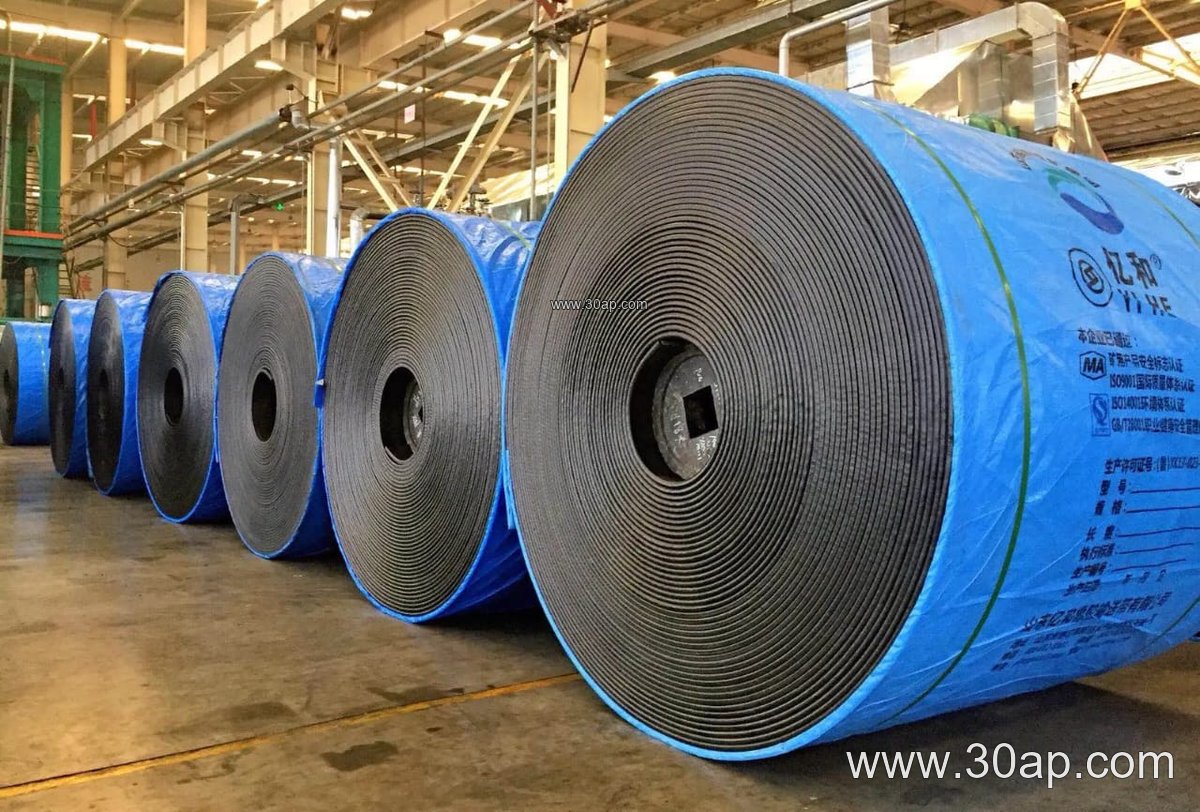
How It Is Built
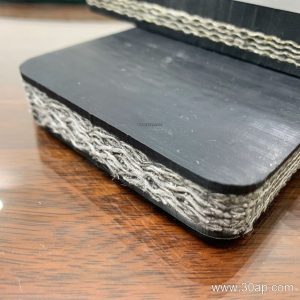
The construction is a layered sandwich. The top cover is the abrasion-resistant rubber, the bottom cover protects the pulley side, and between them sits the tension-carrying carcass. Common carcasses include EP conveyor belt fabric, NN fabric, multi-ply fabric core, and steel cord for very long or heavily loaded runs. Cover thickness is usually stated as top plus bottom, for example 3+1.5 mm, 4+2 mm, 5+2 mm, 6+2 mm or 8+3 mm. Fabric plies commonly run from 2 to 6, depending on the duty.
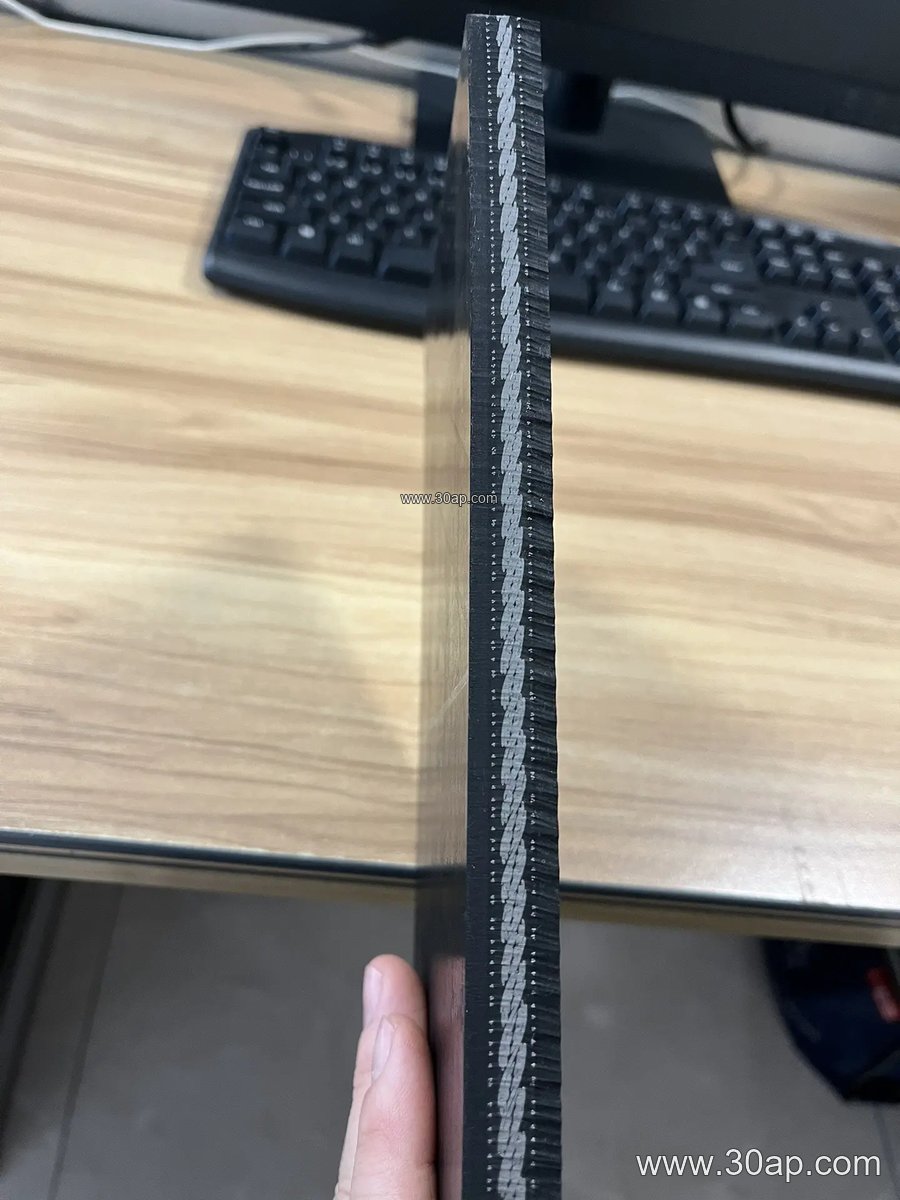
| Build Element | Typical Options | Notes |
|---|---|---|
| Cover compound | Abrasion resistant rubber | Thickness chosen for the duty |
| Cover gauge | 3+1.5, 4+2, 5+2, 6+2, 8+3 mm | Common combinations, not fixed rules |
| Carcass | EP, NN, multi-ply fabric, steel cord | Selected by tension and impact |
| Fabric plies | 2 to 6 | Usually 2 to 6 layers |
| Strength grades | EP200, EP315, EP400, EP500, EP630, EP800, EP1000, EP1250, EP1600, EP2000 | Reference grades; confirm with the maker |
| Belt widths | B500, B650, B800, B1000, B1200, B1400, B1600, B1800, B2000 | Width follows the conveyor design |
Where It Fits
You will see this belt in mines, coal preparation plants, cement works, power stations, sand and gravel yards, crusher discharge lines and port loading systems. In a stone crushing plant the belt under the primary crusher takes sharp, hot fragments and needs impact resistance as well as abrasion resistance. In a cement plant, clinker is hot and angular, so a heat resistant conveyor belt may be needed if temperatures are high, while the abrasion grade handles the mechanical scrubbing.
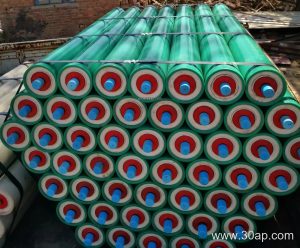
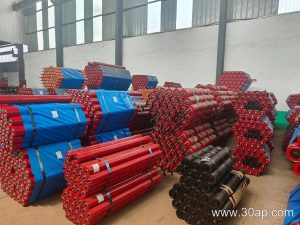
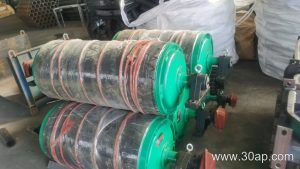
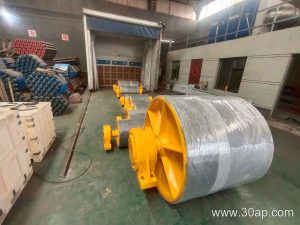
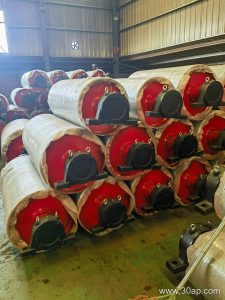
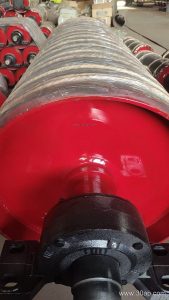
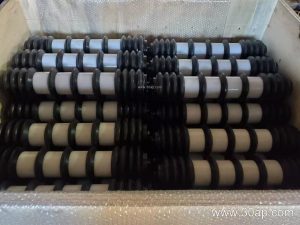
The belt does not work alone. It runs over a drive pulley, a tail pulley and bend pulleys, and these are separate parts with separate jobs; a drive pulley transmits power, a tail pulley returns the belt, and a bend pulley changes direction. It is supported by idler rollers and fixed by conveyor brackets. A worn idler roller or a misaligned pulley can shorten belt life as quickly as abrasive cargo.
Choosing the Right Grade
Buyers should match the belt to the material, not to a catalogue headline. Ask what the cargo is, how sharp it is, the lump size, the drop height, the belt speed and the expected tonnage. Then confirm the carcass grade and cover thickness. For long overland or high-tension routes, a steel cord conveyor belt may be the better carcass choice, while a fabric core belt often suits shorter or more flexible layouts. Where the cargo is coal and the environment is underground, flame retardant properties matter, so a flame retardant conveyor belt may be required alongside wear resistance.
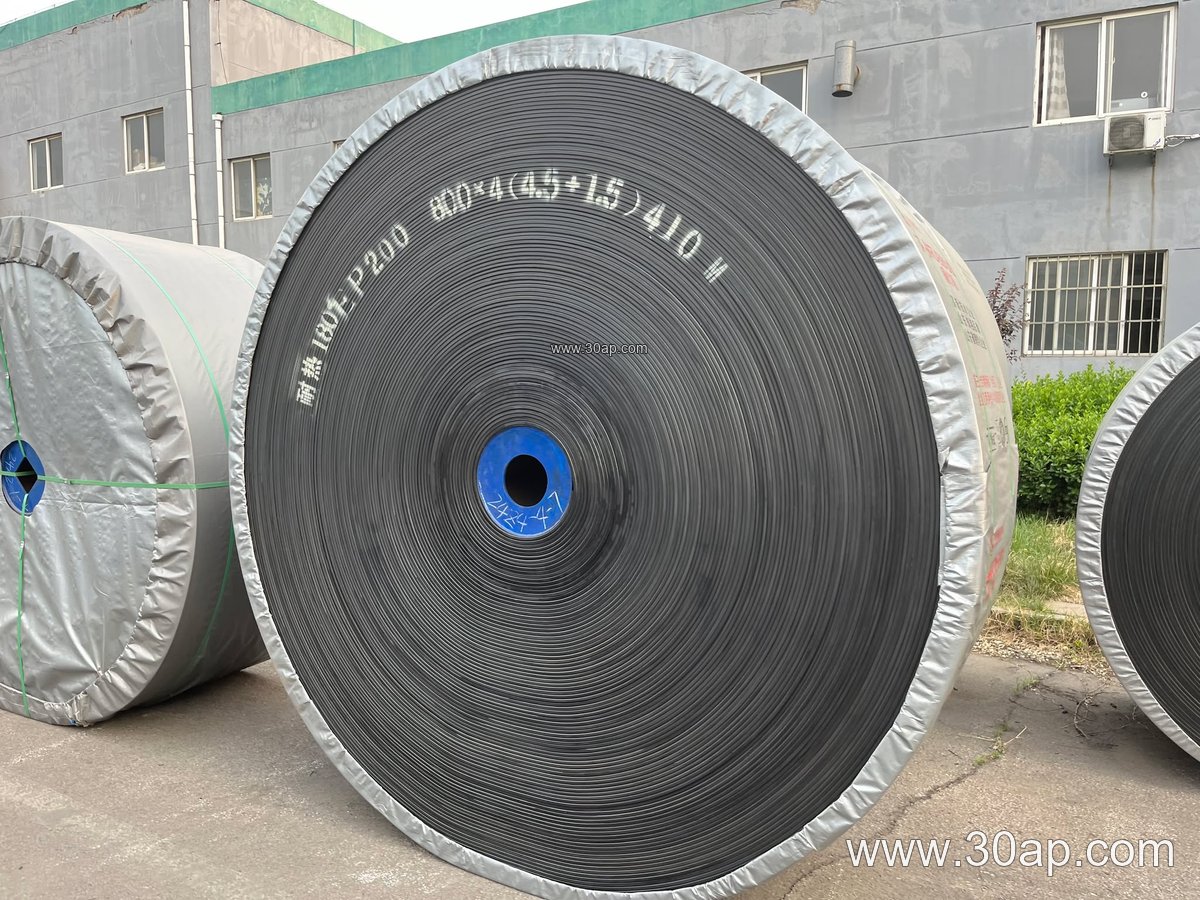
Width should follow the conveyor design and the load profile, not a fixed rule. A 500 mm belt and a 2000 mm belt are both possible, and no single width is tied to one pulley diameter. Ask the belt maker and the conveyor designer to confirm the match.
Installation and Care
- Check pulley alignment and idler roller condition before fitting a new belt.
- Keep the tail pulley and bend pulleys clean so material does not build up and score the cover.
- Inspect the belt regularly for cuts, gouges and exposed fabric, especially after crusher discharge points.
- Store spare belts away from sunlight, oil and heat, and avoid sharp folds.
- Repair small cover damage early; a small cut can grow into a carcass failure.
For a mine, quarry or cement line, a High Abrasion Resistant Conveyor Belt is usually the wear layer that protects the whole conveyor investment. Get the cover grade, carcass and width right, keep the pulleys and idlers in good order, and the belt will give the service the duty demands.