What an Underground Conveyor Belt Is
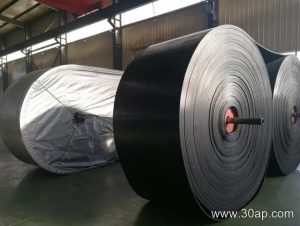
An underground conveyor belt is the load-carrying element of a belt conveyor installed in tunnels, declines, and galleries below the surface. It runs continuously over a frame that supports the belt with idler rollers, turns it around a head or drive pulley and a tail pulley, and returns it on the lower strand. In mines, it moves coal, ore, and waste rock; in cement plants, power stations, and sand and gravel yards, similar belts handle clinker, limestone, gypsum, and aggregate. The belt itself is a composite: a fabric or steel-cord carcass carries tension, and rubber or PVC covers protect the carcass from abrasion, impact, moisture, and, where required, fire.
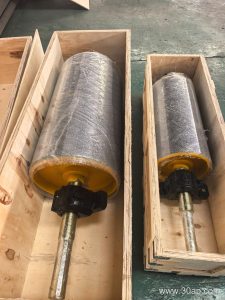
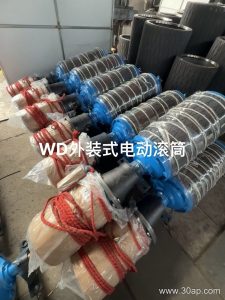
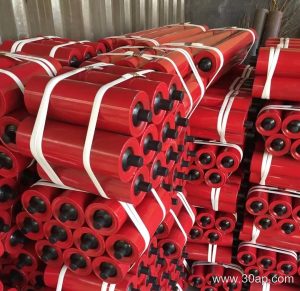
Because the route is long and often inclined, an underground conveyor belt is expected to track reliably, resist edge damage, and keep splices sound. The surrounding structure, including the conveyor pulley, conveyor bracket, and idler roller, must match the belt’s strength and width so the whole system works as one unit.
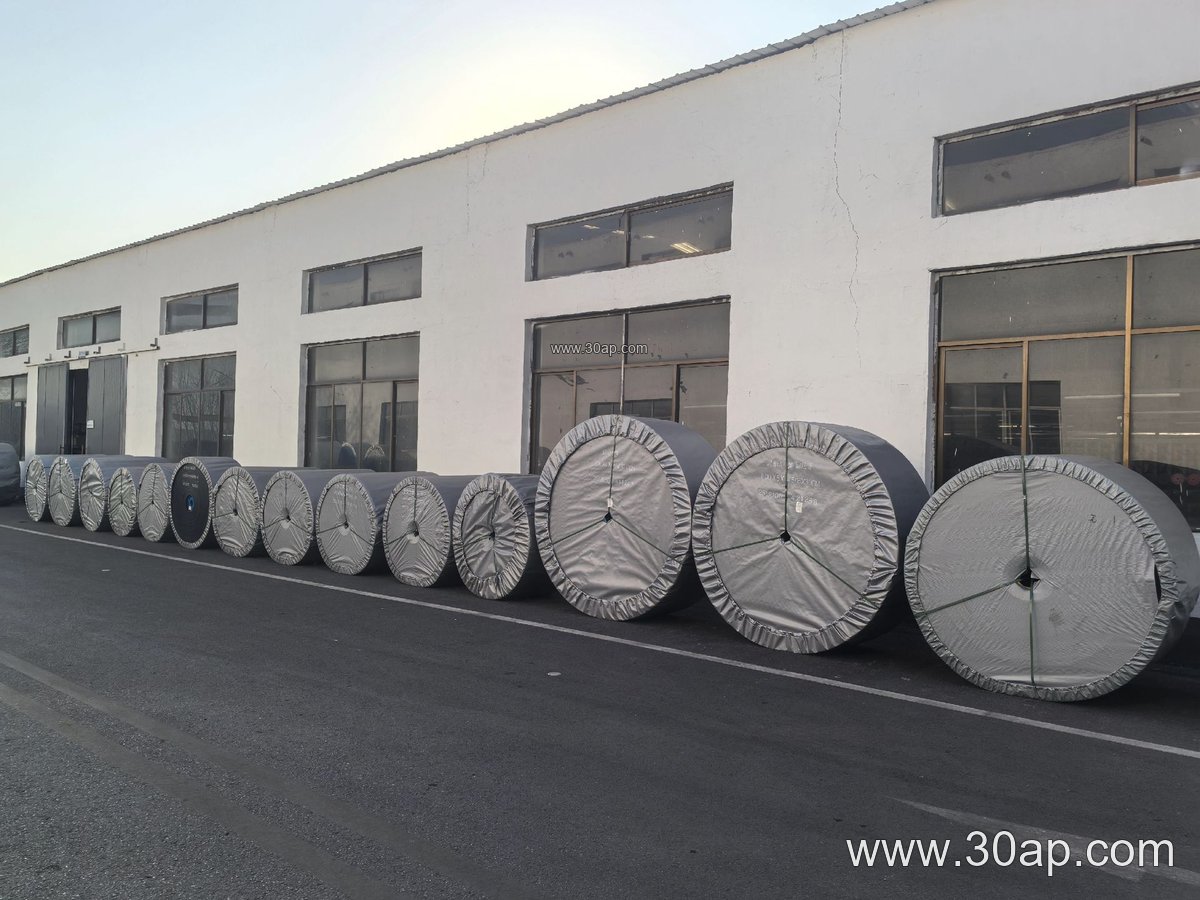
Construction and Common Specifications
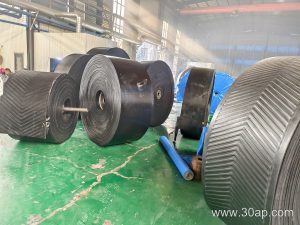
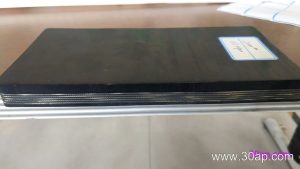
The carcass is the backbone. EP fabric (polyester warp, nylon weft) and NN nylon fabric are common in medium-duty tunnelling and plant conveyors; steel-cord belts suit long, high-tension runs. PVC and PVG belts are chosen where flame resistance and antistatic behavior matter, which is typical in coal mines. Cover compounds are selected for wear, heat, oil, cold, or acid and alkali exposure, and patterned surfaces such as herringbone or chevron help on inclines. The table below gives reference values; actual supply is confirmed by design.
| Item | Common reference values |
|---|---|
| Belt type | EP, NN, steel cord, PVC, PVG; wear, heat, oil, flame-retardant, antistatic, cold, acid and alkali resistant, patterned, chevron, corrugated sidewall |
| Strength grade | EP200, EP315, EP400, EP500, EP630, EP800, EP1000, EP1250, EP1600, EP2000 |
| Belt width | B500, B650, B800, B1000, B1200, B1400, B1600, B1800, B2000 |
| Cover thickness | 3+1.5, 4+2, 5+2, 6+2, 8+3 mm |
| Carcass plies | Usually 2 to 6 fabric layers |
Width and pulley diameter are separate design choices, so a given belt width does not fix one pulley size. Shaft diameter should come from the conveyor design, not from belt width alone.
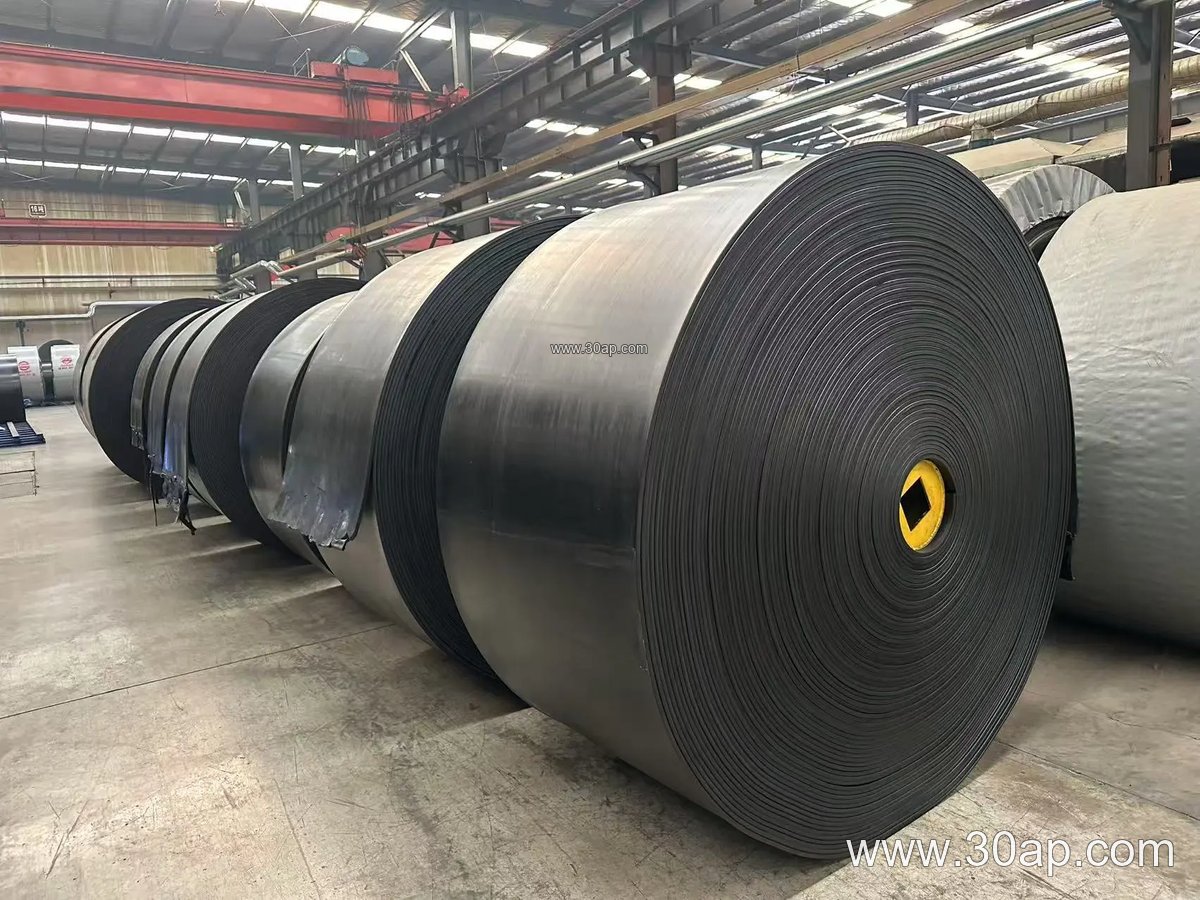
Where It Fits in the System
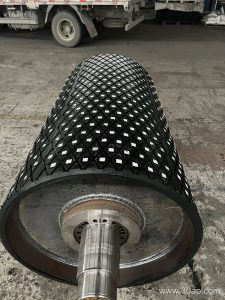
On a typical underground installation, the belt is supported by troughing and return idler rollers spaced along the frame, guided at loading points, and driven by a drive pulley that may be lagged for grip. A tail pulley redirects the belt, while bend pulleys shape the return path and tensioning arrangement. Conveyor brackets and frames hold these parts in alignment. In a coal mine, a flame-retardant PVG belt is often paired with idlers and pulleys rated for dusty, damp conditions. In a sand and gravel yard or a cement plant, an EP belt with a thicker wear cover may be preferred for sharp, abrasive material. Each choice follows the duty, not a single standard answer.
Buyer Checklist
- Define the material: lump size, density, moisture, temperature, and whether it is oily or abrasive.
- State the duty: tonnage per hour, incline angle, and start-stop frequency.
- Confirm the strength grade and carcass plies against the calculated tension, with a sensible safety margin.
- Choose cover compound and thickness for the environment, plus flame resistance or antistatic properties if the site requires them.
- Match belt width to the loading and frame design, and coordinate pulley and idler roller dimensions with the conveyor builder.
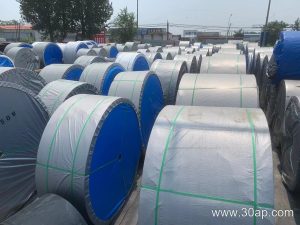
- Plan splices, storage, and spare belt so repairs do not stall the haul.
Care and Maintenance Notes
Misalignment is the most common cause of edge damage, so check idler rollers and pulleys for wear and buildup. Keep loading centered and impact idlers in good condition to protect the carcass. Inspect splices and covers regularly, and store spare belt rolls away from sunlight and moisture. With the right grade and routine attention, an underground conveyor belt can serve long shifts in mines, plants, and yards without frequent interruption.