What a Heavy-Duty Lagged Pulley Does
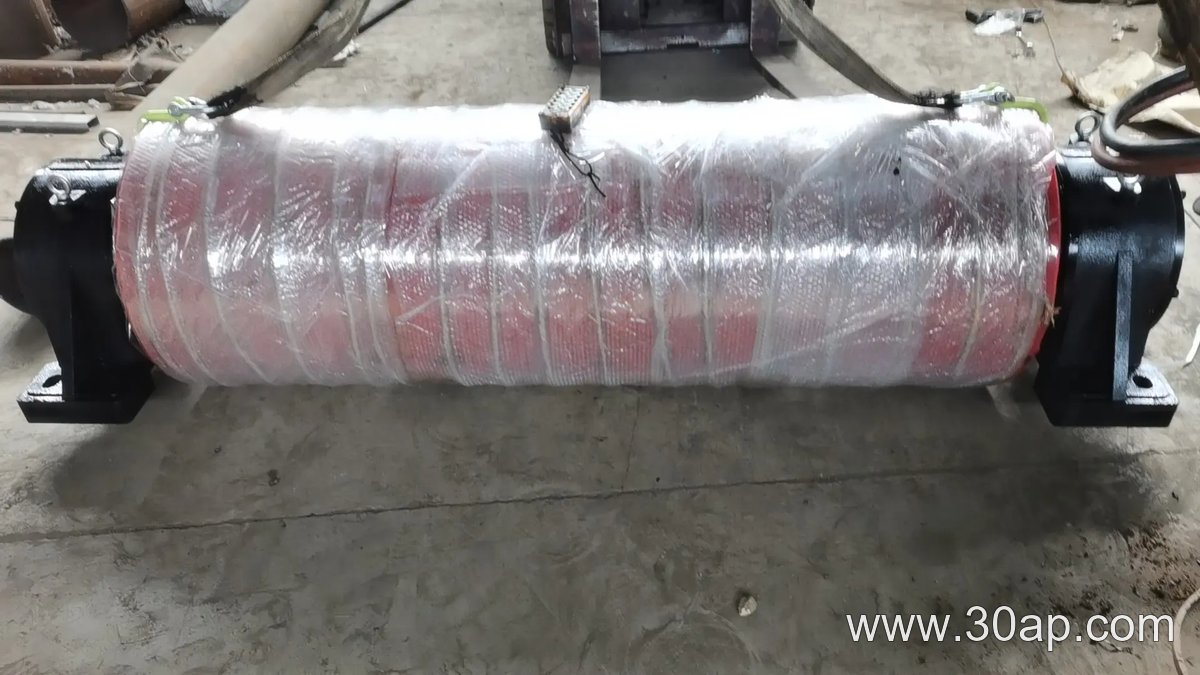
A heavy-duty lagged pulley is a conveyor pulley whose outer shell carries a rubber or ceramic lagging layer bonded to the drum surface. That lagging is what separates it from a plain steel drum. In a quarry, a coal handling plant, or a cement clinker line, the pulley has to grip the conveyor belt firmly, resist abrasive dust, and keep torque flowing without slipping. The lagging raises friction between the shell and the belt, protects the shell from wear, and helps shed moisture or fine material that would otherwise reduce traction.
This is not just a drive component. A heavy-duty lagged pulley can be the head pulley at the discharge end, a tail pulley that returns the belt, or a bend pulley that changes belt direction. Each position places different demands on the lagging and the shell. A drive pulley must transmit power; a tail pulley mostly guides the belt. The design and lagging pattern should match the job, not just the diameter.
How the Pulley Is Built
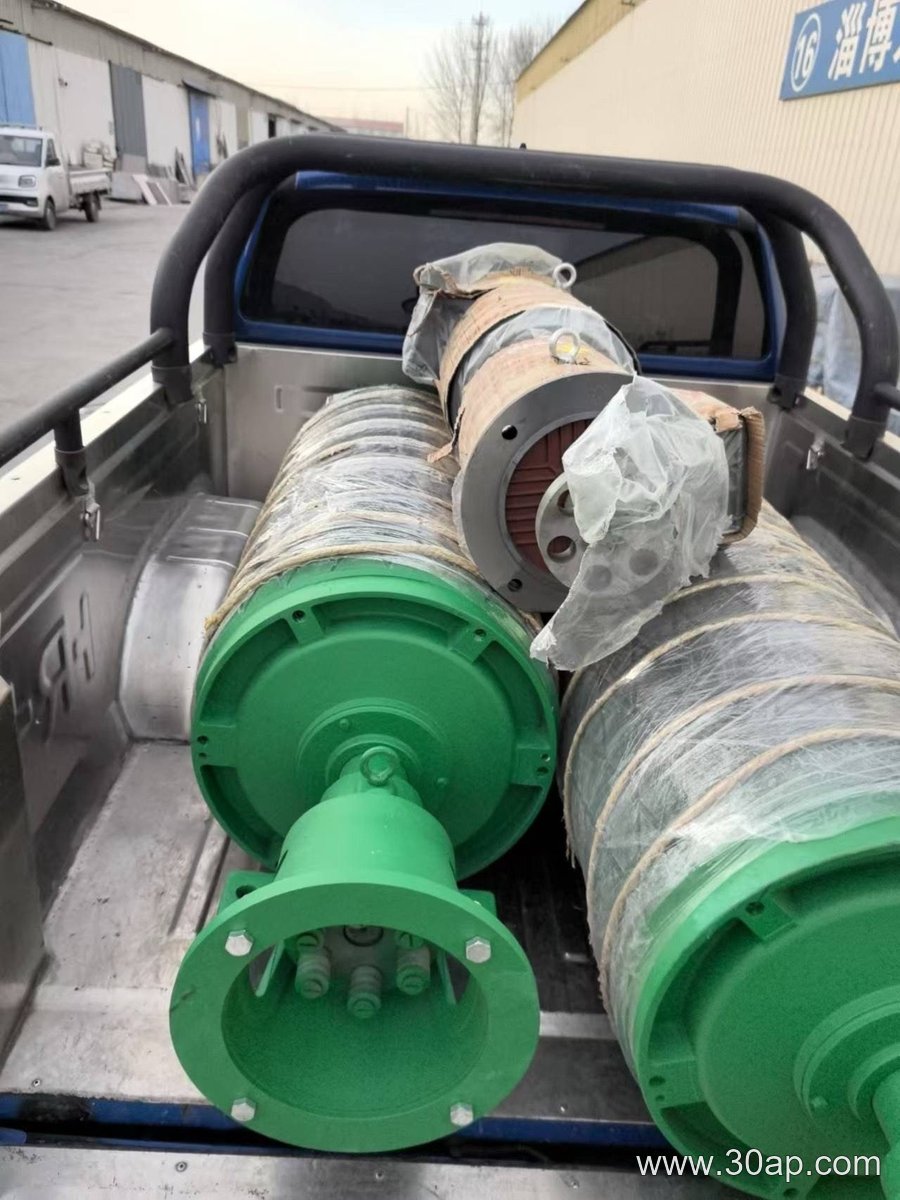
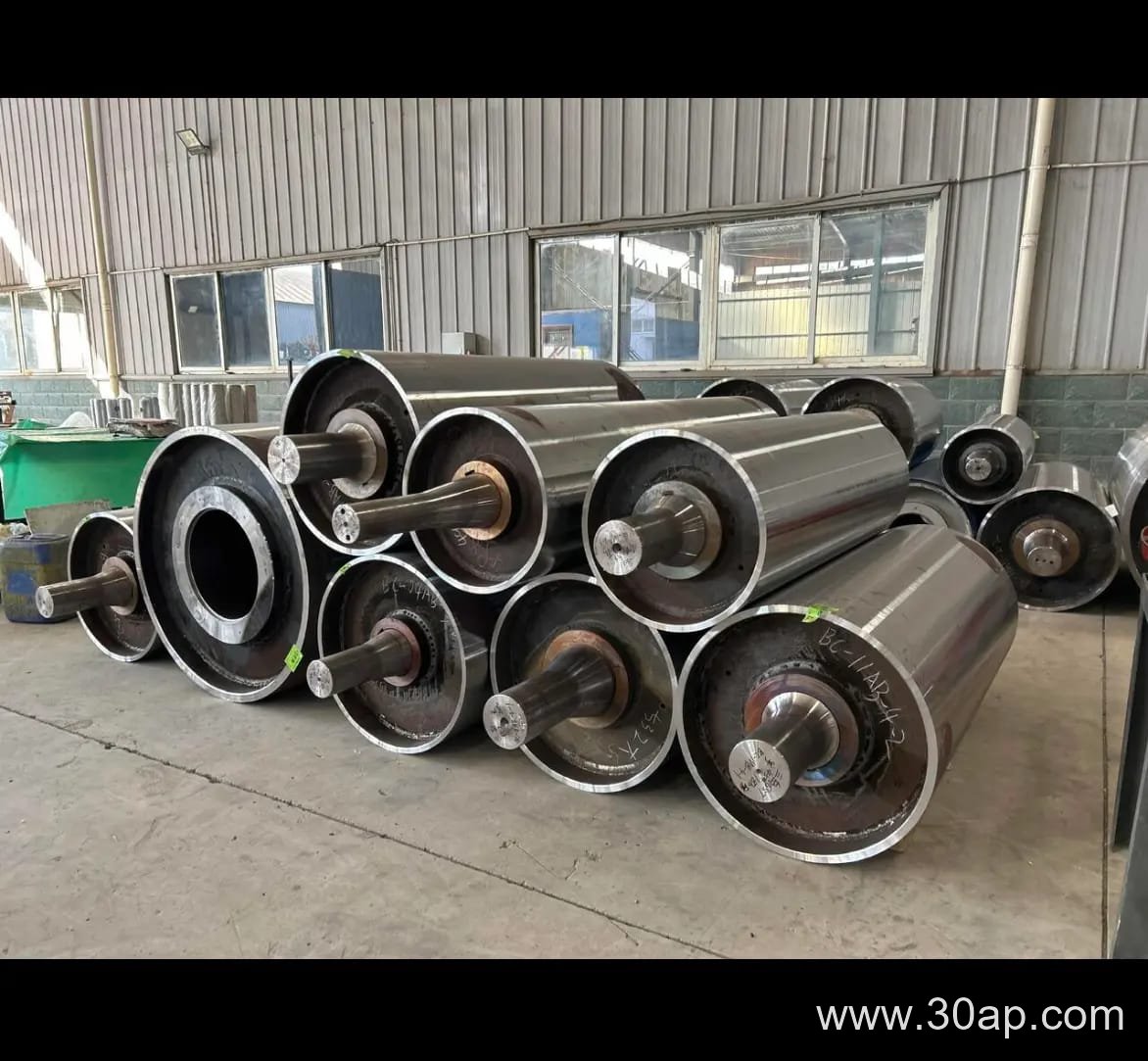
The core is a steel cylinder, often machined and balanced, with end discs welded to a shaft. Shaft diameters commonly range from Ø50 mm up to Ø200 mm, chosen by torque and load rather than by belt width alone. The drum face width is usually a little wider than the belt it carries. For example, a B800 belt typically runs on a pulley face around 950 mm, while a B1400 belt may use a face near 1600 mm. These are common reference values, not fixed pairings.
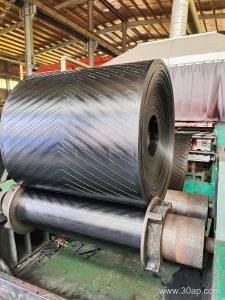
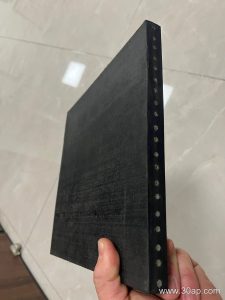
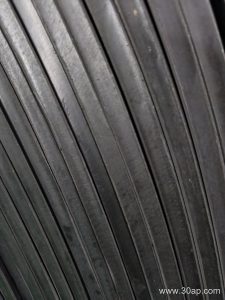
Lagging is applied in several ways. Cold-bonded rubber, hot-sulphurised rubber, and cast rubber are common. Surface patterns include plain, diamond, herringbone, and ceramic. Thickness is often 8 mm, 10 mm, 12 mm, 15 mm, or 20 mm depending on the duty. A smooth lagging may suit a clean tail position; a diamond or herringbone pattern is frequent where slip and water are concerns. Ceramic lagging is used where abrasion is severe and belt grip must stay high.
Common Sizes and Arrangements
Heavy-duty lagged pulleys are made in many combinations. A few examples that appear in real conveyor layouts include B1200 × Ø1000, B800 × Ø500, and B1400 × Ø800. Diameter families commonly run from Ø200 mm to Ø1800 mm, but the right choice depends on belt tension, wrap angle, and the space available. A larger diameter reduces belt bending stress; a smaller one saves space. Neither is automatically correct.
| Parameter | Common Range | Note |
|---|---|---|
| Belt width | B400 to B2400 | Face width is usually wider than the belt |
| Pulley diameter | Ø200 to Ø1800 mm | Selected by tension and wrap angle |
| Shaft diameter | Ø50 to Ø200 mm | Determined by torque and load |
| Lagging thickness | 8 to 20 mm | Plain, diamond, herringbone, or ceramic |
When the pulley sits at the head end, it often works as a drive pulley. At the tail, it may be a tail pulley or a tension pulley. A bend pulley changes direction along the line. These are not interchangeable names, and a heavy-duty lagged pulley should be specified for its actual duty position.
Where It Fits in the Plant
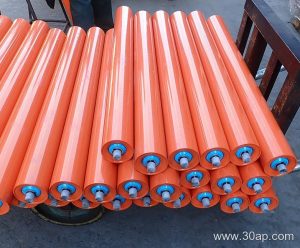
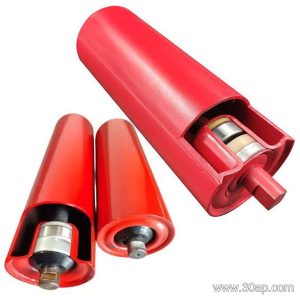
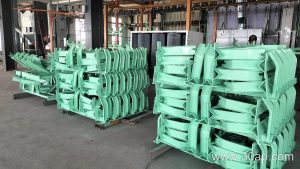
You will find these pulleys in limestone mines, iron ore concentrators, coal preparation plants, power station coal yards, and sand and gravel lines. They also appear in tunnel muck removal, fertiliser handling, and grain silos. In each case, the conveyor belt, idler rollers, and conveyor brackets around the pulley matter as much as the pulley itself. A heavy-duty lagged pulley works best when the belt is tracked correctly, the idlers turn freely, and the brackets hold the shaft square to the frame.
Dust, moisture, and fines are the usual enemies. In a cement plant, fine clinker dust can pack into a smooth lagging and reduce grip. In a coal yard, wet coal can make a plain drum slip. A patterned or ceramic lagging helps in both situations, provided the belt itself is suitable for the pattern.
What Buyers Should Check
- Duty position: confirm whether it is a drive, tail, bend, or tension pulley before choosing lagging.
- Belt width and face width: match the pulley face to the belt, not the other way around.
- Shaft and bearing size: shaft diameter follows torque and load, not a simple belt-width rule.
- Lagging type and thickness: plain, diamond, herringbone, or ceramic, in 8 to 20 mm, according to abrasion and grip needs.
- Balance and runout: a heavy-duty pulley should run true to avoid belt tracking problems.
- Environmental fit: consider dust, water, and temperature at the installation point.
A heavy-duty lagged pulley is a wear part and a power transmission part at the same time. Getting the lagging, diameter, shaft, and face width right for the conveyor belt and the site conditions is what keeps a line running. The numbers above are reference points, not universal rules. Final sizing always belongs to the conveyor design.