Why Your Conveyor Belt Choice Defines System Efficiency
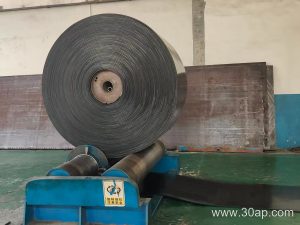
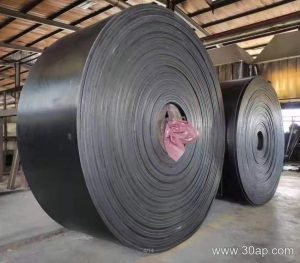
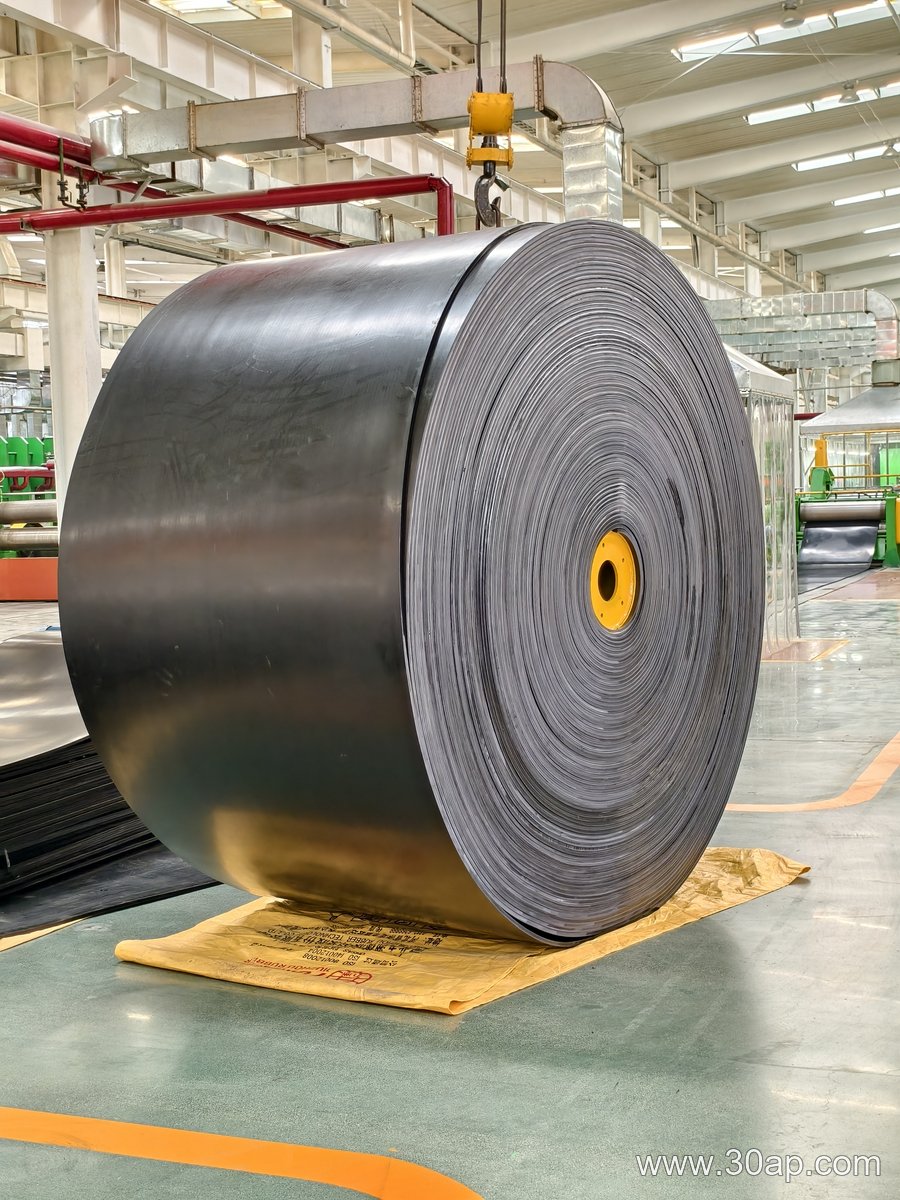
The conveyor belt is the single most critical component in any material handling line. A mis-specified belt leads to downtime, product damage, and inflated energy costs. When evaluating options, focus on three core parameters: belt material, tensile strength, and surface profile.
Core Material Considerations
- Rubber (general duty): Best for abrasive materials like ore or gravel. Check abrasion resistance per ISO 10247.
- PVC/PU (hygienic): Ideal for food, pharmaceutical, or packaging. Ensure FDA or EU 10/2011 compliance.
- Metal mesh or modular plastic: For high-temperature (over 150°C) or cutting loads. Choose stainless steel for washdowns.
Load and Speed Rating
Calculate your peak load in kg/m, not just total weight per hour. Confirm the belt’s maximum operating tension (kN/m) against your drive system’s starting torque. For speeds above 2 m/s, specify a low-elongation carcass (e.g., polyester/nylon) to prevent sagging.
Surface and Tracking
Select the top cover: smooth for sliding packages, chevron (up to 30° incline) for bulk solids, or textured for inclined cartons. Always request crowned pulleys and a trained, vulcanized or mechanically fastened splice. For purchasing, ask for a guaranteed belt life in running hours under your specific duty cycle.
Final Purchasing Advice
Never buy by price per meter alone. Compare total cost of ownership: spare joints, idler spacing, and energy rating. Request a free sample edge to test flex fatigue. If you operate in dusty or oily environments, verify anti-static and oil-resistant compounds. A correct belt will outlast two cheap replacements.
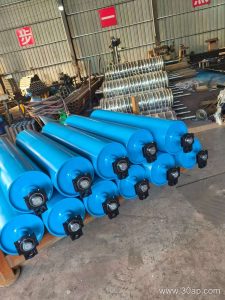
The Critical Role of the Idler Roller in Bulk Handling
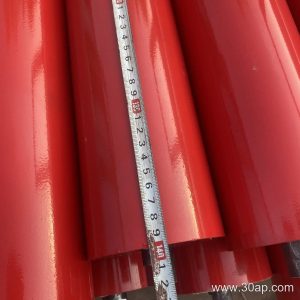
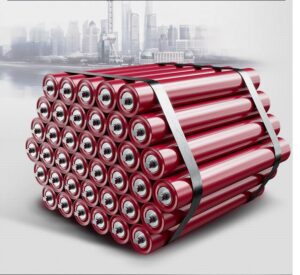
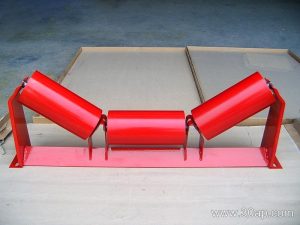
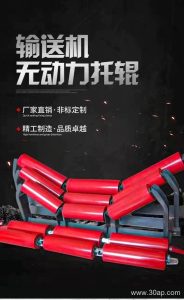
The idler roller is the unsung workhorse of any belt conveyor system. It supports the belt and material load, shapes the belt into a trough, and minimizes friction during travel. Without properly specified idler rollers, belts misalign, wear accelerates, and energy consumption spikes.
Key Selection Criteria for Industrial Idler Rollers
When purchasing idler rollers, focus on three core factors: load rating, sealing effectiveness, and shell durability.
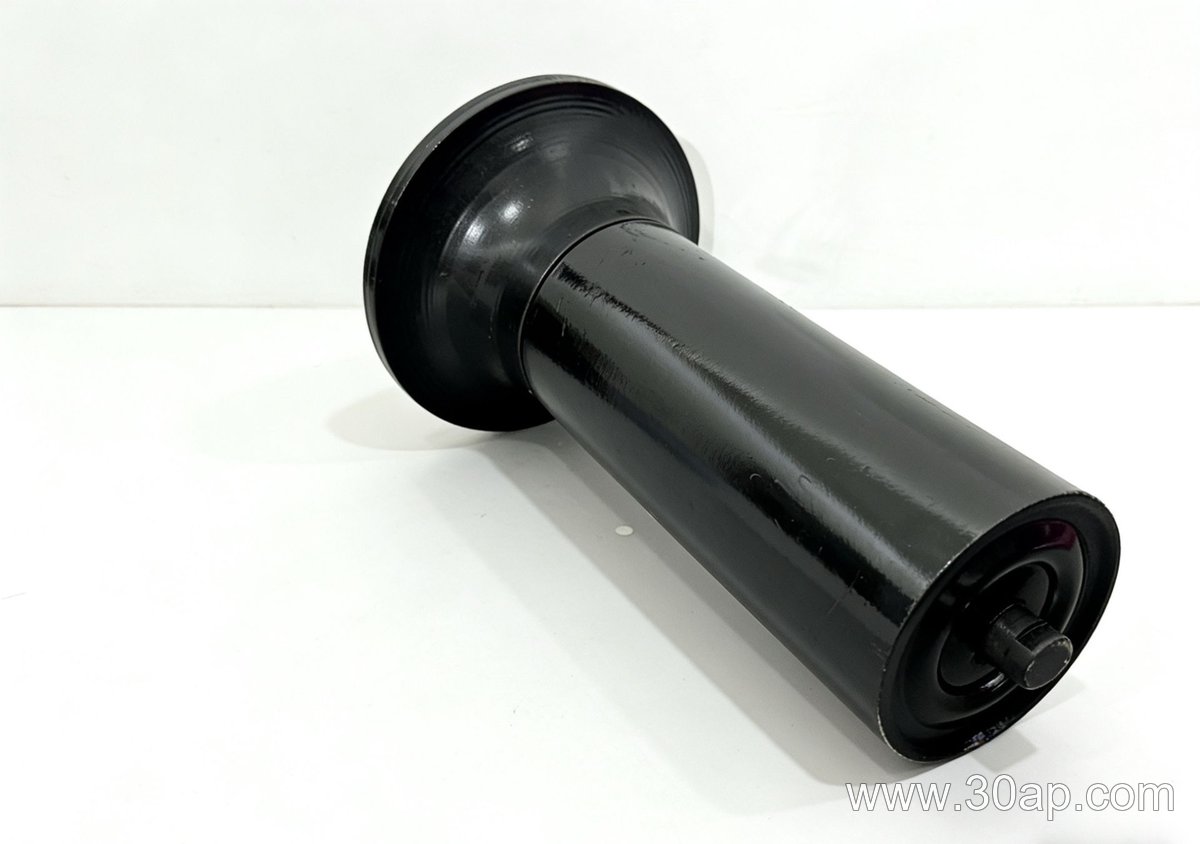
- Load rating: Calculate the dynamic load per roller based on belt speed, material density, and lump size. Never undersize — fatigue failure is the leading cause of downtime.
- Sealing system: Choose labyrinth or contact seals based on your environment. For dusty or wet sites, opt for triple-labyrinth with a rubber lip for moisture ingress protection.
- Shell thickness vs. diameter: For abrasive materials (e.g., crushed ore), use heavy-wall steel or rubber-coated idler rollers to resist impact and extend service life.
Practical Purchasing Advice
Always verify the roller’s compliance with CEMA or ISO standards. Request a sample for a 30-day trial on your most demanding transfer point. Also, compare the total cost of ownership — a slightly more expensive idler roller with superior bearings will save far more in replacement labor and belt damage. Finally, confirm that the roller’s axle and bracket dimensions match your existing frames; mismatched fits cause vibration and premature locking.
Why the Conveyor Pulley Dictates System Efficiency
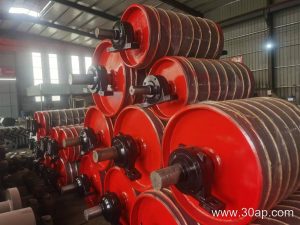
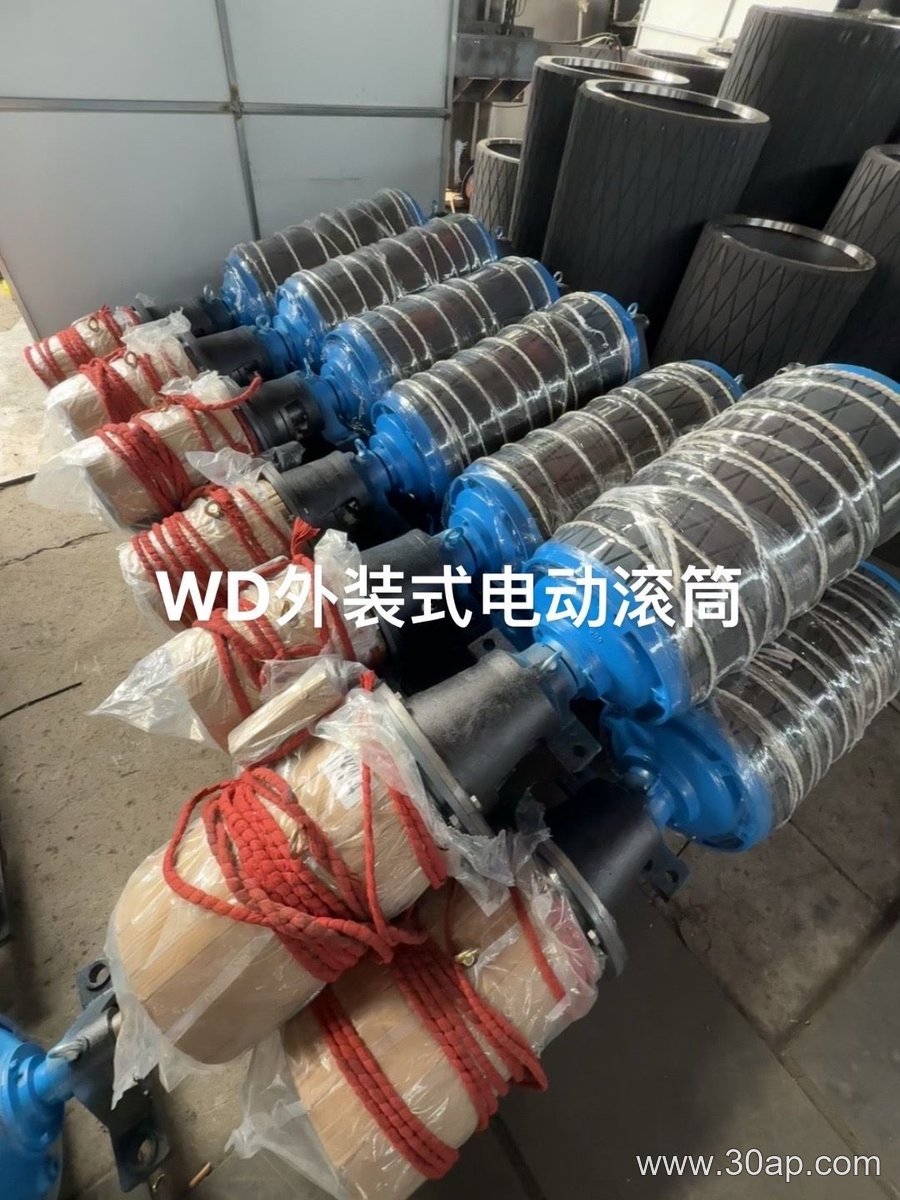
The conveyor pulley is the mechanical heart of any belt conveyor, transferring drive torque and maintaining belt tension. Choosing the wrong unit leads to slippage, misalignment, and premature belt failure. For industrial buyers, understanding pulley types, lagging, and shaft specification is non-negotiable for uptime.
Key Types and Their Roles
- Drive (head) pulley: Positions at the discharge end, providing traction via motor and gearbox. Select a larger diameter for higher belt speed and lower wrap stress.
- Bend (tail) pulley: Returns the belt, often with a snub configuration to increase wrap angle on the drive. Crowned faces improve self-centering.
- Take-up pulley: Maintains constant tension, either gravity or screw type. Oversized shafts prevent deflection under heavy loads.
Material and Surface Selection
Steel pulleys (C45 or S355) suit standard duty; stainless or rubber-coated variants resist corrosion and impact. Lagging—ceramic or rubber—boosts friction coefficient by up to 0.4, critical for wet or high-incline operations. Diamond grooving expels debris, while smooth lagging suits light belts.
Purchasing Advice for Plant Engineers
- Calculate effective tension (Te) and belt speed first; then match pulley diameter to belt width.
- Verify shaft keyways and bearing housings align with your existing frame—customizing after delivery costs time.
- Ask for dynamic balancing reports on pulleys above 30 m/s to avoid vibration.
- Inspect hub-to-disk welds for full penetration; ask about X-ray or ultrasonic testing on critical nodes.
Always request a load deflection curve for the shaft. A correctly specified conveyor pulley reduces energy consumption by up to 5% and extends belt life by years—a small component with outsized operational leverage.
Why the Conveyor Bracket Determines System Longevity
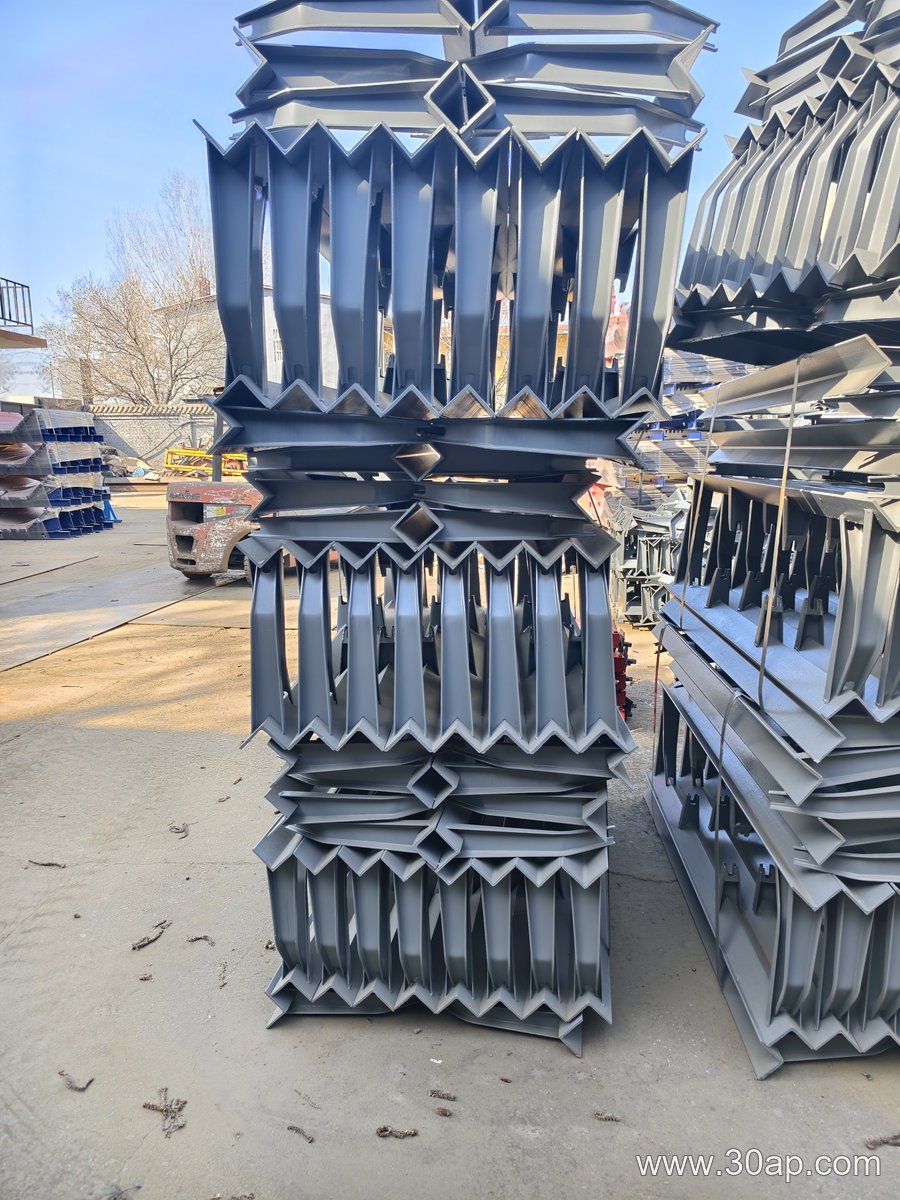
A conveyor bracket is the structural link that mounts idler rolls, return rollers, and impact beds to the conveyor frame. Despite its small footprint, this component directly controls belt alignment, load distribution, and maintenance intervals. Choosing the wrong bracket leads to vibration, premature belt wear, and costly downtime.
Key Selection Criteria for Industrial Buyers
- Material grade: For abrasive or corrosive environments, select hot-dip galvanized or stainless steel brackets. Powder-coated carbon steel suits dry, indoor applications.
- Load rating: Verify the bracket’s static and dynamic load capacity against your bulk density and belt speed. Underrated brackets deform under peak surges.
- Slot geometry: Adjustable slotted holes allow fine-tuning of idler tilt (typically 0–5°) to correct belt tracking without frame modification.
- Compatibility: Match the bracket’s base plate hole pattern to your existing conveyor stringer or use universal adapters for retrofits.
Purchasing and Installation Advice
Always request dimensional drawings and torque specs before ordering. Check weld seam quality—a cracked weld at the pivot point is the most common field failure. For high-speed conveyors (>3 m/s), use brackets with reinforced gussets and rubber-lined clamps to dampen resonance. Stock spare brackets for critical transfer points, as lead times for custom profiles often exceed four weeks. Finally, inspect brackets every 500 operating hours for corrosion pitting or bolt loosening; re-torque to manufacturer values to prevent fatigue fractures.