What a Custom Conveyor Bracket Does on the Line
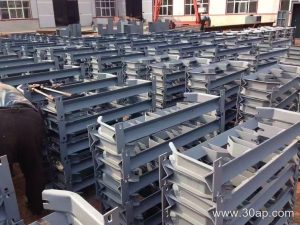
A custom conveyor bracket is the fabricated steel component that holds idler rollers in the correct position under or above the conveyor belt. Because every conveyor structure has its own frame geometry, hole spacing, and loading profile, a made-to-order bracket is often the practical choice when standard stock parts do not line up with the existing steelwork. In a crushing and screening plant, for example, the transition from the feed point to the main carry run frequently needs a bracket that matches a non-standard cross member rather than forcing the frame to be re-drilled.
The bracket itself does not move the belt. It positions the idler roller so the belt keeps its intended trough shape, alignment, and clearance. Get the bracket right and the belt runs quietly; get it wrong and the belt may drift, pinch, or wear on one edge.
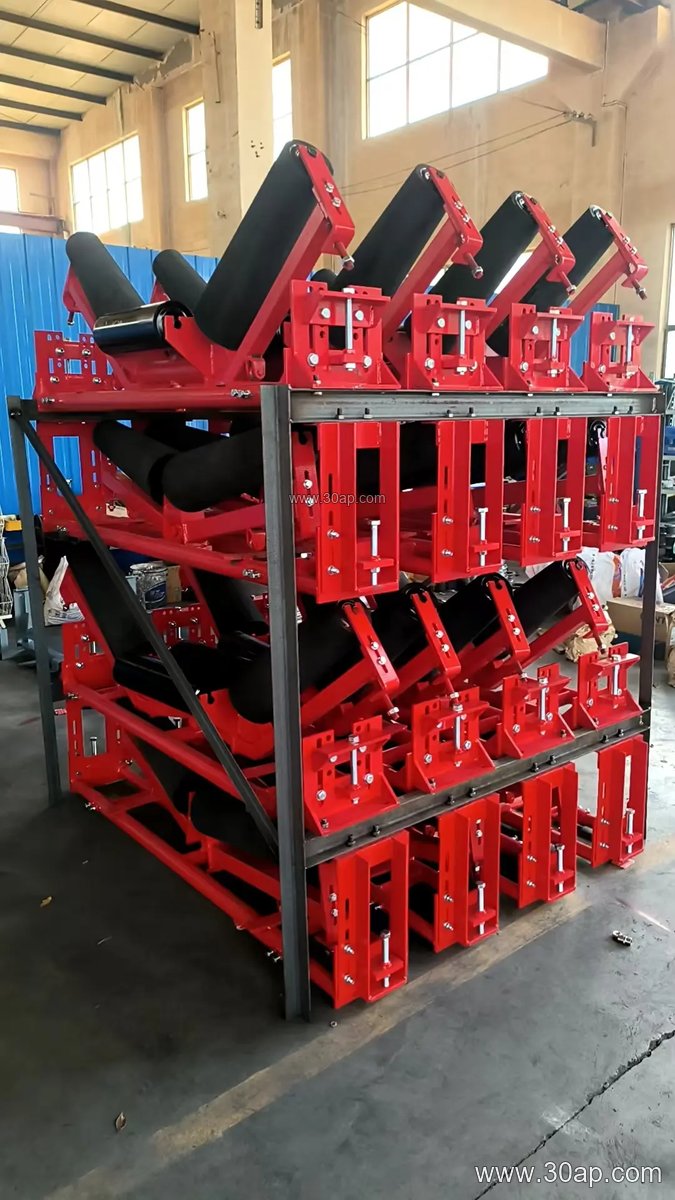
How the Bracket Is Built
Most brackets are formed from angle steel, channel steel, or folded plate. The choice depends on the load and the mounting method. Heavier bulk streams in an iron ore or coal preparation plant usually call for channel or folded plate sections with gusseted corners, while lighter duties in a grain silo or fertilizer handling line can use angle sections.
Typical construction steps include cutting to length, punching or drilling mounting slots, bending the trough angle, welding the idler seats, and a surface treatment suited to the site. In dusty or wet locations, galvanizing or a suitable coating helps the bracket survive. The mounting hole spacing and crossbeam length are determined by the belt width and trough angle, so they should be confirmed against the actual frame drawing rather than assumed.
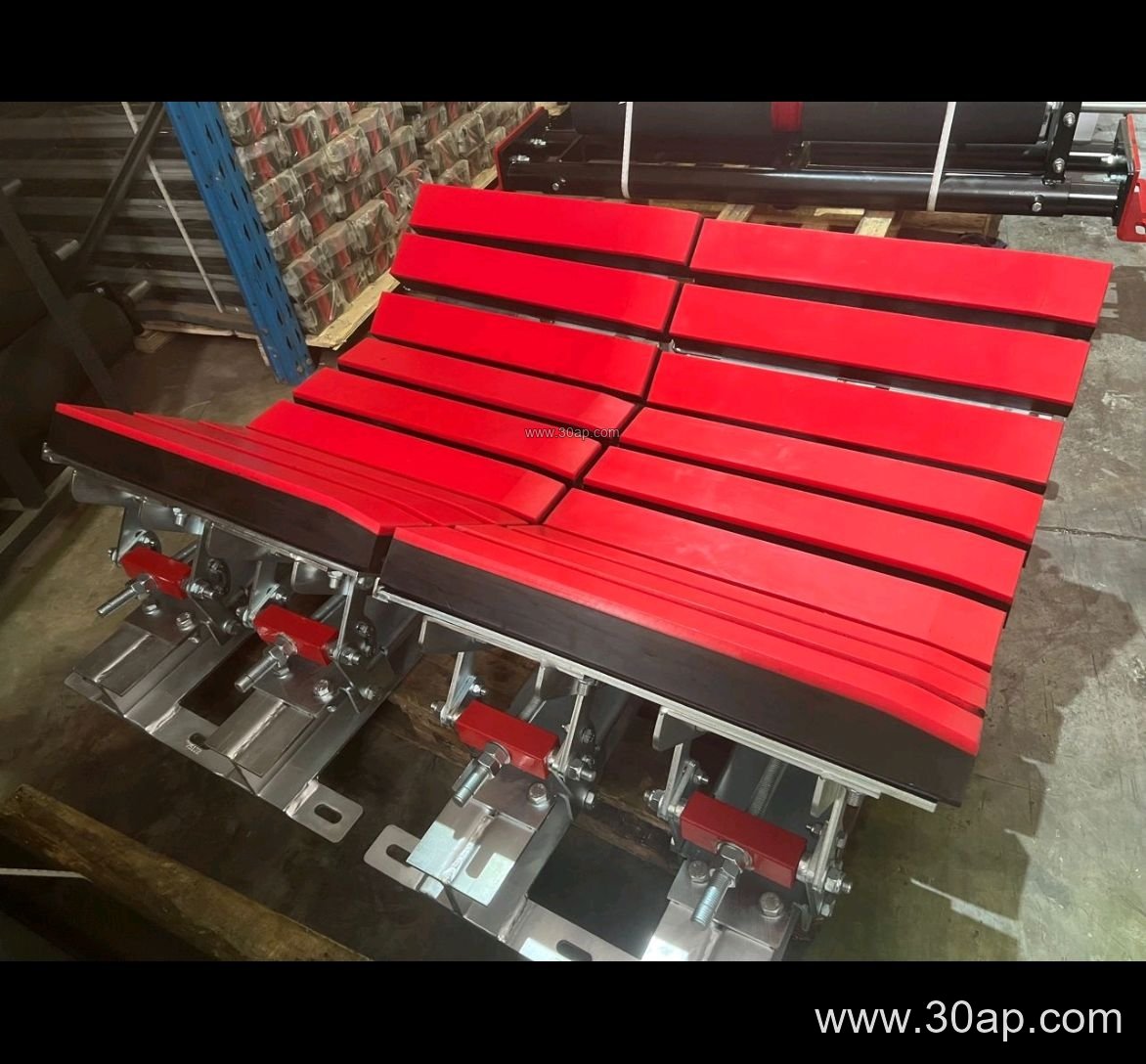
Common Forms and Where They Sit
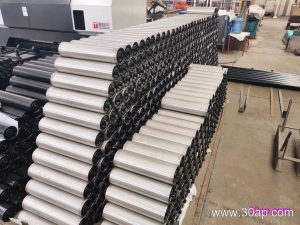
Brackets appear at several points along a conveyor, and each position has its own job. A trough bracket carries the three idlers that shape the belt on the carrying side. A transition bracket eases the belt from a flat pulley into the trough section. Return brackets support the belt on its way back, and a V-shaped return bracket helps centre the belt. Impact brackets sit under the loading zone where material falls onto the belt.
Adjustable brackets allow the trough angle to be set on site, which is useful when a plant changes its material or throughput. Fixed brackets are simpler and stiffer. Neither is universally better; the choice follows the duty.
Matching Bracket, Belt Width, and Roller Diameter
Belt width and roller diameter are related but not locked together. A B800 belt may run with Ø89 or Ø108 idlers depending on load and speed, and a B1200 conveyor might use Ø133 or Ø159. The bracket must be built for the combination actually selected. The table below shows common reference combinations; these are examples, not fixed rules, and final values should be confirmed by design.
| Belt width | Trough angle | Idler diameter | Typical bracket form |
|---|---|---|---|
| B500 | 20° / 30° | Ø89 | Trough, return |
| B650 | 30° / 35° | Ø89 / Ø108 | Trough, transition |
| B800 | 30° / 35° / 45° | Ø108 / Ø133 | Trough, impact |
| B1000 | 35° / 45° | Ø108 / Ø133 / Ø159 | Trough, V-return |
| B1200 | 35° / 45° | Ø133 / Ø159 | Trough, transition |
| B1400 | 35° / 45° | Ø133 / Ø159 / Ø194 | Trough, impact |
| B1600 | 35° / 45° | Ø159 / Ø194 | Trough, return |
| B1800 | 35° / 45° | Ø159 / Ø194 | Trough, V-return |
| B2000 | 35° / 45° | Ø194 | Trough, impact |
A forward-leaning bracket, usually set at about 1.5° to 2°, is sometimes used to help keep the belt tracking. It is a different fitting from a standard trough bracket and should not be treated as a drop-in substitute.
Buyer Checklist Before Ordering
- Confirm the frame drawing, including hole centres and cross member size.
- State the belt width, trough angle, and idler roller diameter as a set.
- Say whether the bracket is fixed or adjustable, and which angle range is needed.
- Describe the environment: dust, moisture, wash-down, or high impact.
- Ask for the material and finish in writing.
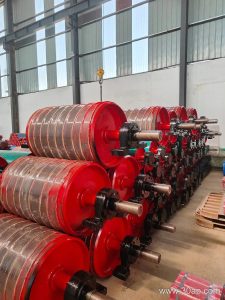
- Check that the bracket is designed for the idler type it will hold, since drive, tail, and bend pulleys are not interchangeable with carrying idlers.
In a power plant coal handling system or a limestone quarry, a well-specified bracket is a small part of the capital cost but a large part of how smoothly the conveyor belt runs. Ordering by drawing, not by habit, is the surest way to avoid a mismatch at installation.