What a Mining Idler Does on a Belt Conveyor
A mining idler is the rotating roller assembly that supports the conveyor belt along its carrying and return runs. In a quarry, a limestone mine, or a coal preparation plant, these rollers carry the weight of the belt plus the material load while allowing the belt to move with low resistance. The idler roller is a consumable part, but it strongly influences belt life, energy use, and downtime. A poorly matched idler can wear the belt cover, misalign the belt, or seize under dust and moisture.
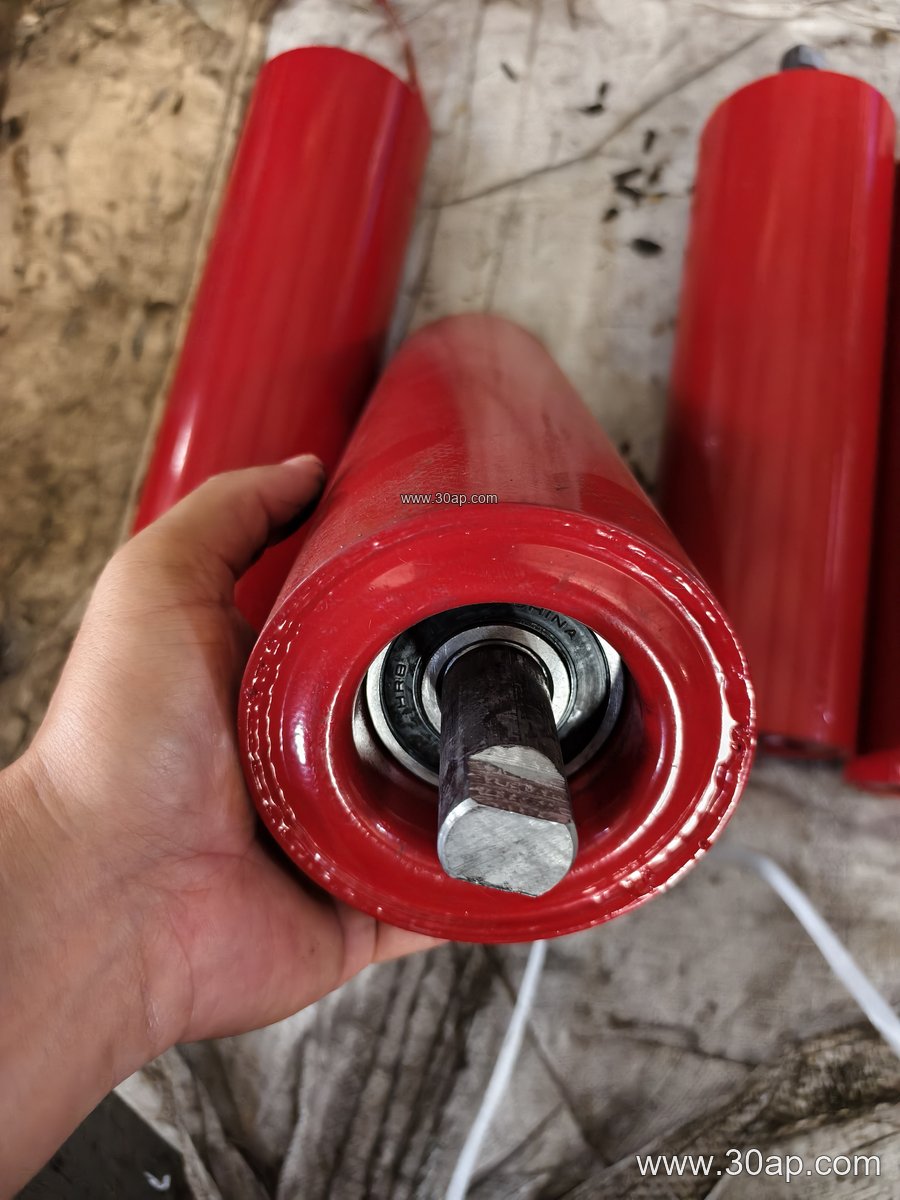
The assembly usually consists of a steel tube shell, a shaft, bearing housings, seals, and a bearing set. Common bearing numbers include 6204, 6205, 6305, 6306, 6308, and 6310, but no single bearing is tied to one roller diameter. The roller surface may be plain steel, nylon, ceramic, or rubber rings, depending on whether the goal is abrasion resistance, material buildup control, or impact absorption.
Construction Details That Matter
Sealing is often the difference between a long service life and a premature failure. Dust, gritty water, and fine ore particles enter through the gap between the shaft and the end cap. Labyrinth seals, contact seals, and grease retention features are common approaches. The shell thickness and weld quality also matter in high-tonnage operations, because a thin shell can deflect under load and cause uneven belt contact.
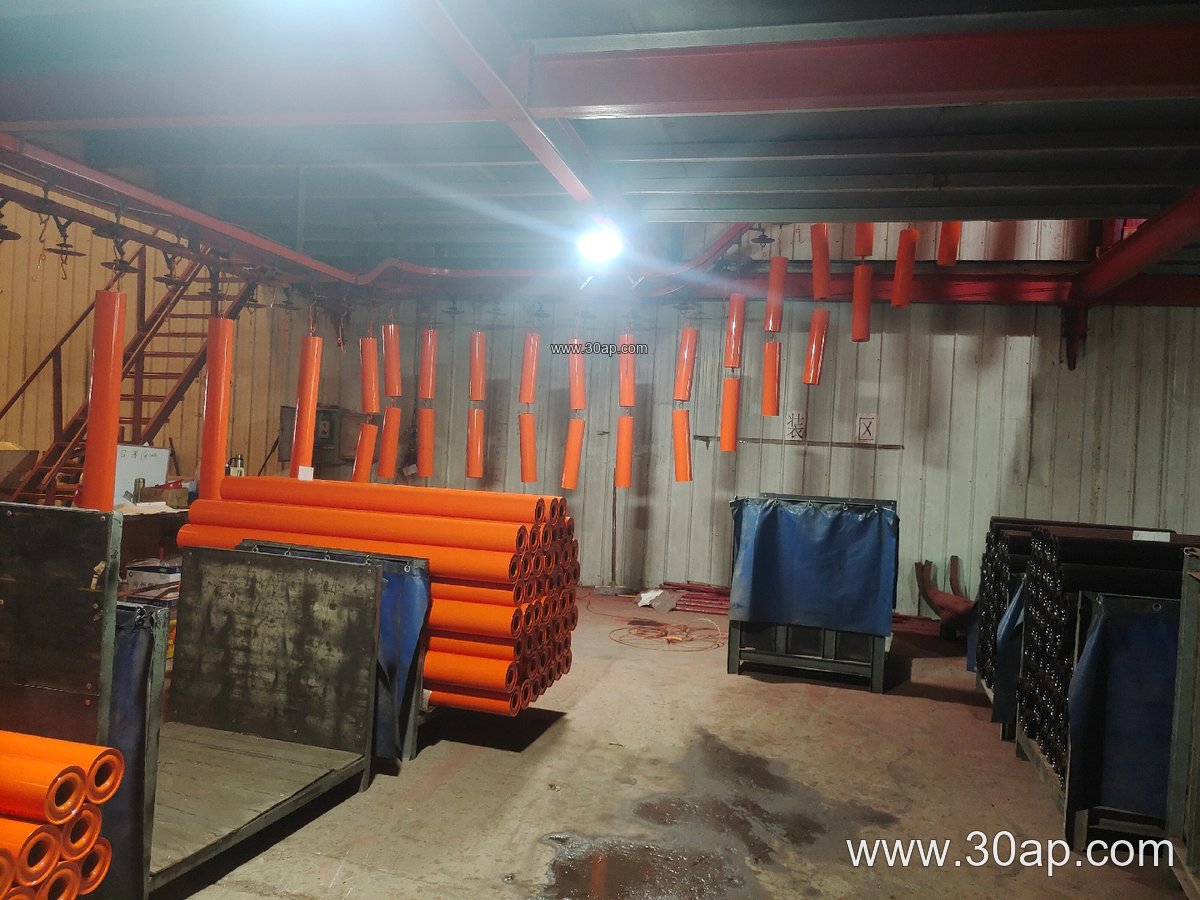
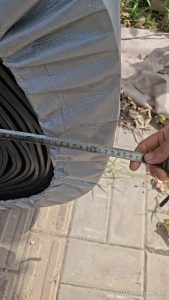
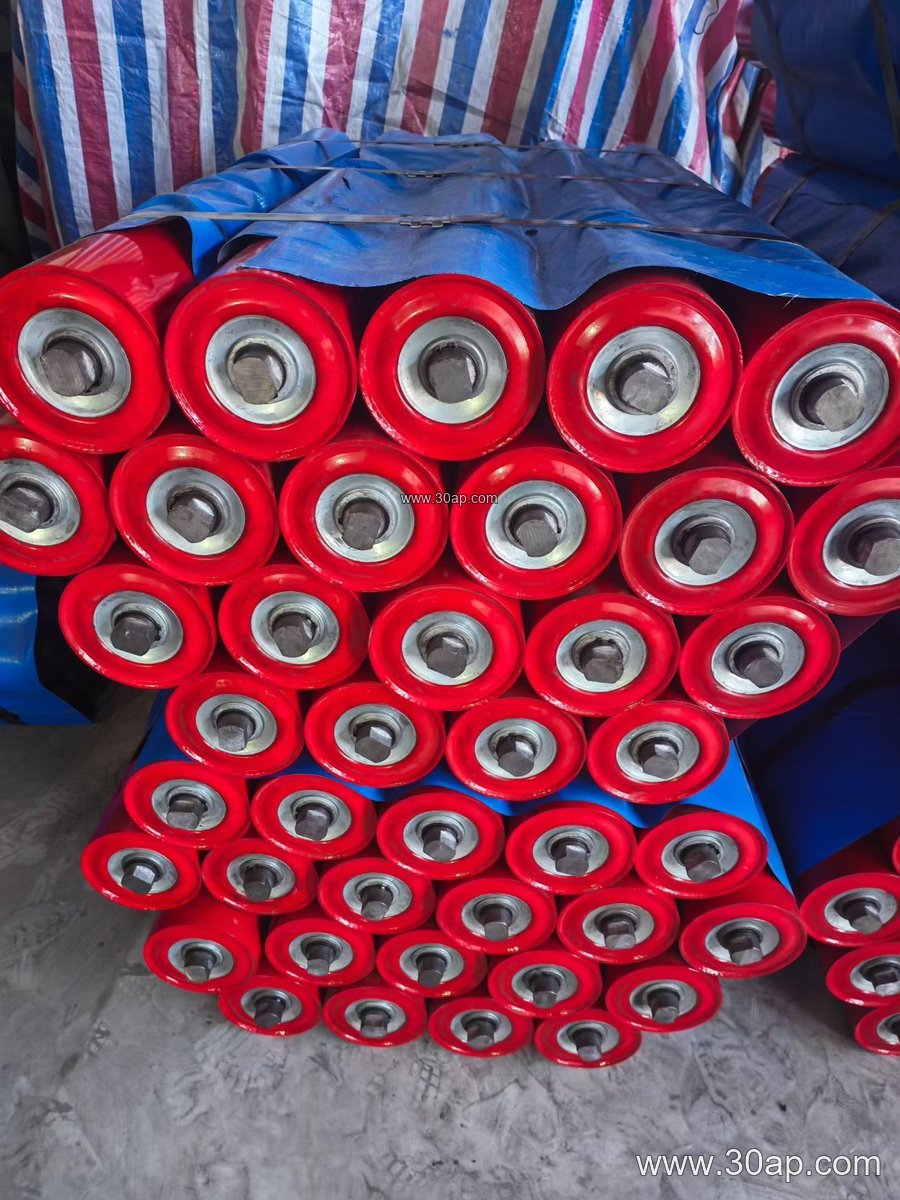
Roller diameter is selected together with belt width and load. Typical diameters include Ø63, Ø76, Ø89, Ø102, Ø108, Ø127, Ø133, Ø159, Ø178, Ø194, and Ø219 mm. Small diameters suit lighter runs, while larger diameters are used where load, speed, or lump size is higher. Roller length changes with belt width, trough angle, and idler arrangement. Common examples for three-roll troughing sets are roughly 200 mm for B500, 250 mm for B650, 315 mm for B800, 380 mm for B1000, 465 mm for B1200, 530 mm for B1400, 600 mm for B1600, 670 mm for B1800, and 750 mm for B2000. Side rollers and center rollers can differ, so these are reference examples rather than fixed pairings.
Trough Angles and Idler Arrangements
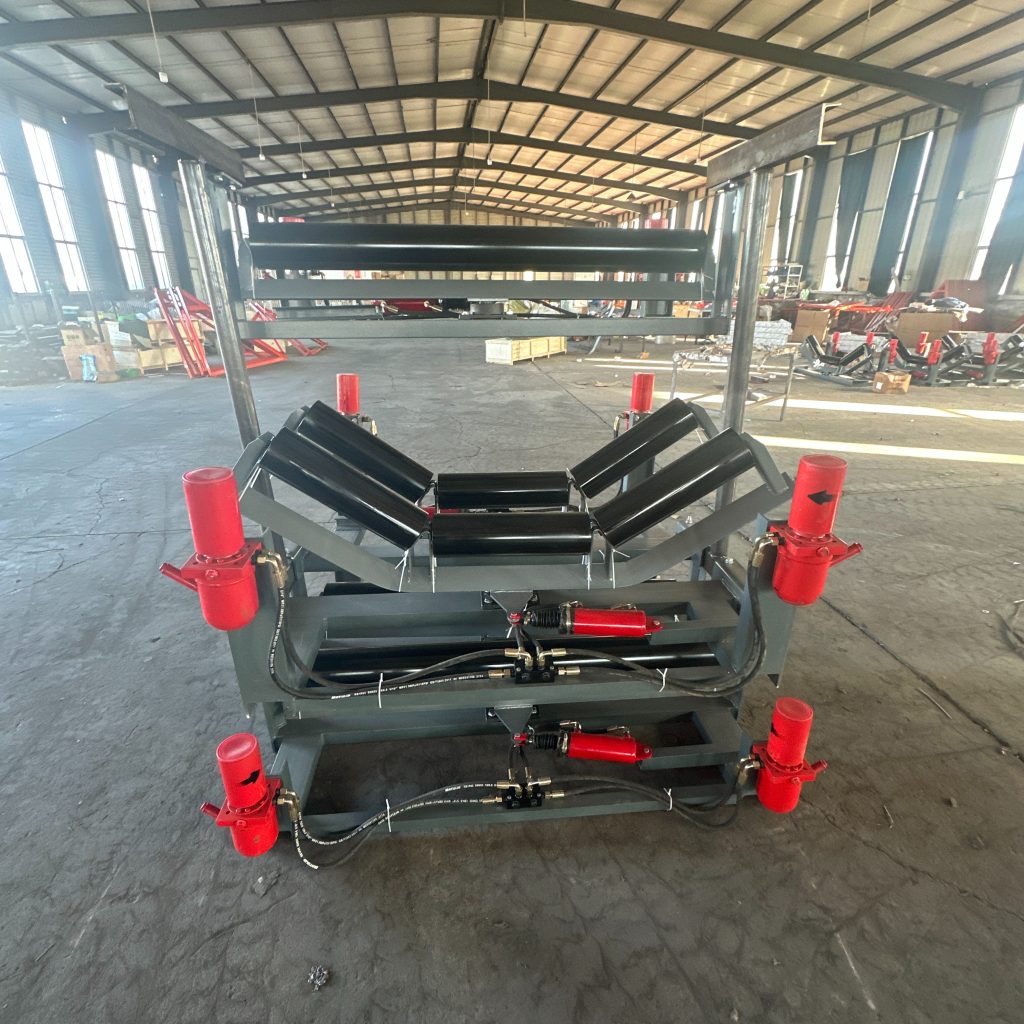
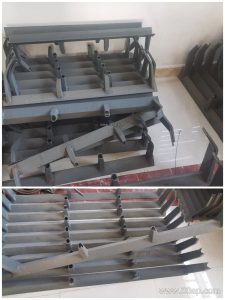
Troughing idlers are usually built as single-roll, two-roll, or three-roll sets. A three-roll troughing set with a 20, 30, 35, or 45 degree trough angle is common in bulk handling. A steeper trough angle centers the load better on a wide belt, but it can also increase belt flexing and power demand. Transition idlers are placed near pulleys to gradually change the belt from flat to troughed, reducing edge stress.
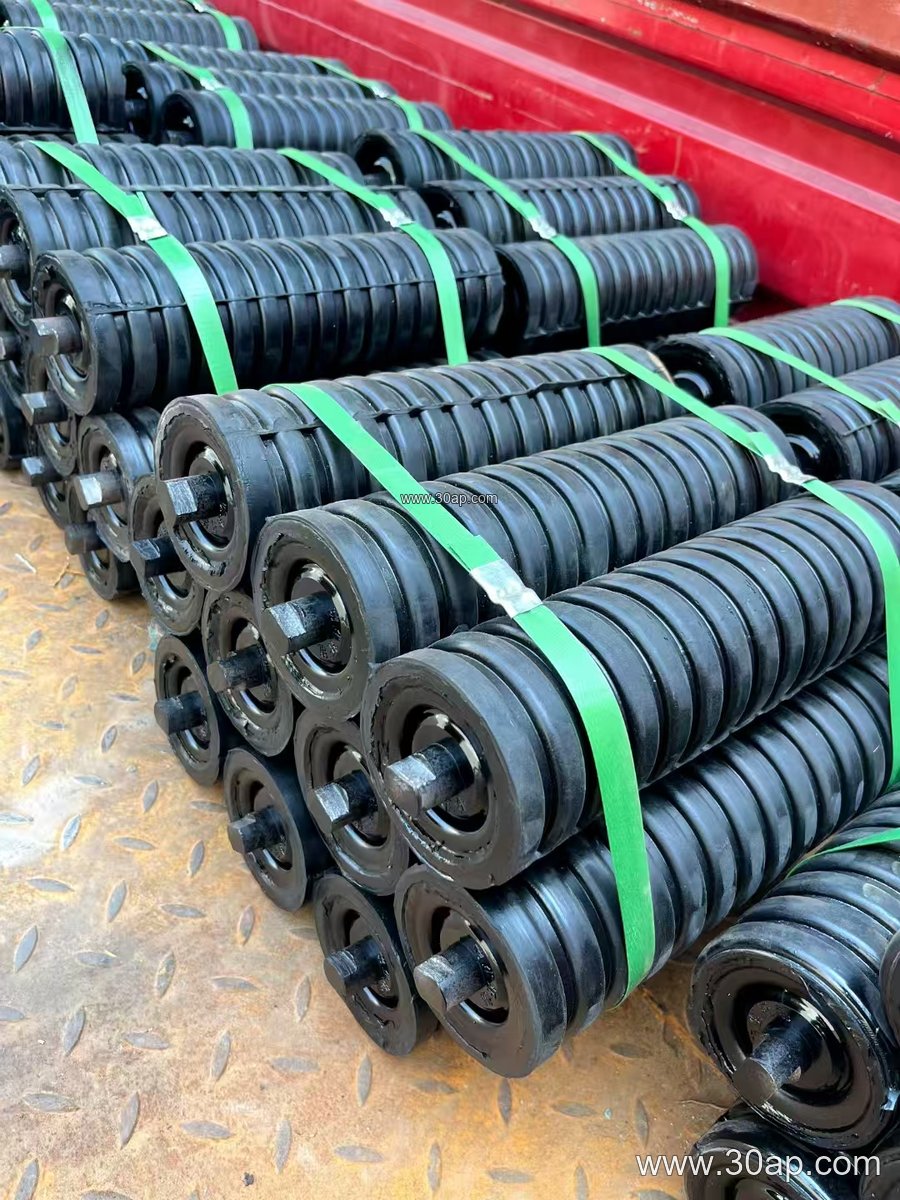
Return idlers support the empty belt. Flat return rollers, V-type return idlers, and spiral return rollers each serve different needs. A V-type return idler helps center the belt, while a spiral roller can shed sticky material. Impact idlers with rubber rings are used at transfer points below a crusher or screen, where falling rock would damage a standard roller. Self-aligning idlers, including friction and tapered types, are used where belt tracking is a recurring problem.
Where Mining Idlers Are Used
These rollers appear in sand and aggregate lines, iron ore and copper ore handling, cement plants, power plant coal yards, and tunnel spoil removal. In a crushing and screening circuit, impact idlers are often placed under the discharge chute, while troughing idlers carry the crushed rock to the next stage. In a coal preparation plant, flame retardant and anti-static belt grades are often specified, and the idler seals must tolerate washdown and fine coal dust.
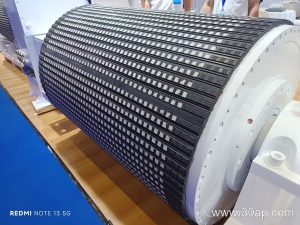
The idler works together with the conveyor belt, conveyor pulley, and conveyor bracket. Drive pulleys, tail pulleys, and bend pulleys are separate components with different functions and are not interchangeable with idlers. A worn idler can cause belt mistracking that is sometimes blamed on a pulley, so inspection should cover the whole line.
Buyer Checklist
- Confirm belt width, trough angle, and idler set form before choosing roller length.
- Match roller diameter to load, belt speed, and lump size rather than assuming one size fits all.
- Check seal design for dust, water, and washdown conditions.
- Specify rubber rings or impact rollers at transfer points below crushers and screens.
- Review bearing size and lubrication access with the supplier.
- For coal mines, confirm flame retardant and anti-static requirements for the belt and related components.
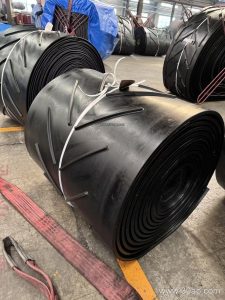
Related belt grades such as Mining Conveyor Belt, EP Conveyor Belt, and Steel Cord Conveyor Belt are often selected together with the idler specification. A balanced choice of roller, belt, and pulley keeps a quarry or cement line running with fewer stoppages.