What a Tapered Self-Aligning Idler Does
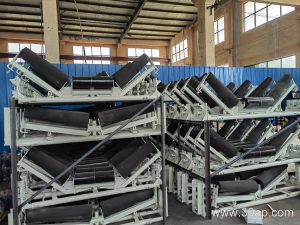
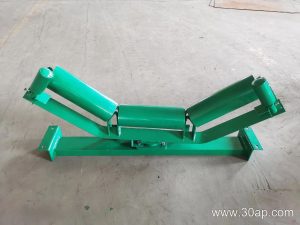
A tapered self-aligning idler is a specialized conveyor idler roller designed to keep the conveyor belt centered on its path. Unlike a standard flat or troughed idler, this unit features tapered rolls—often arranged in a V or two-roll configuration—that create a slight inward force when the belt begins to drift. This corrective action helps prevent belt edge damage and material spillage in demanding settings such as limestone quarries, coal washing plants, and aggregate crushing circuits.
Also known as a cone-shaped self-aligning idler or taper training idler, this component is typically installed on the carrying side or return side where belt misalignment is most likely. It works passively, using the belt’s own motion to pivot the idler frame slightly and steer the belt back to center.
Construction and Key Components
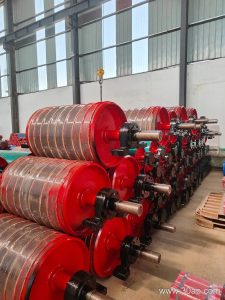
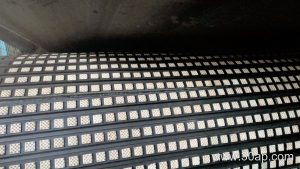
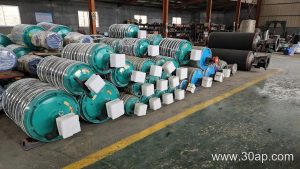
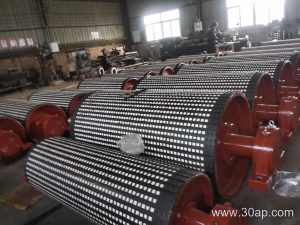
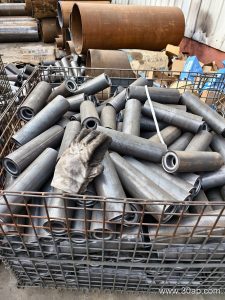
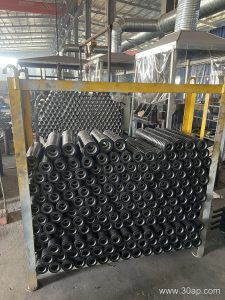
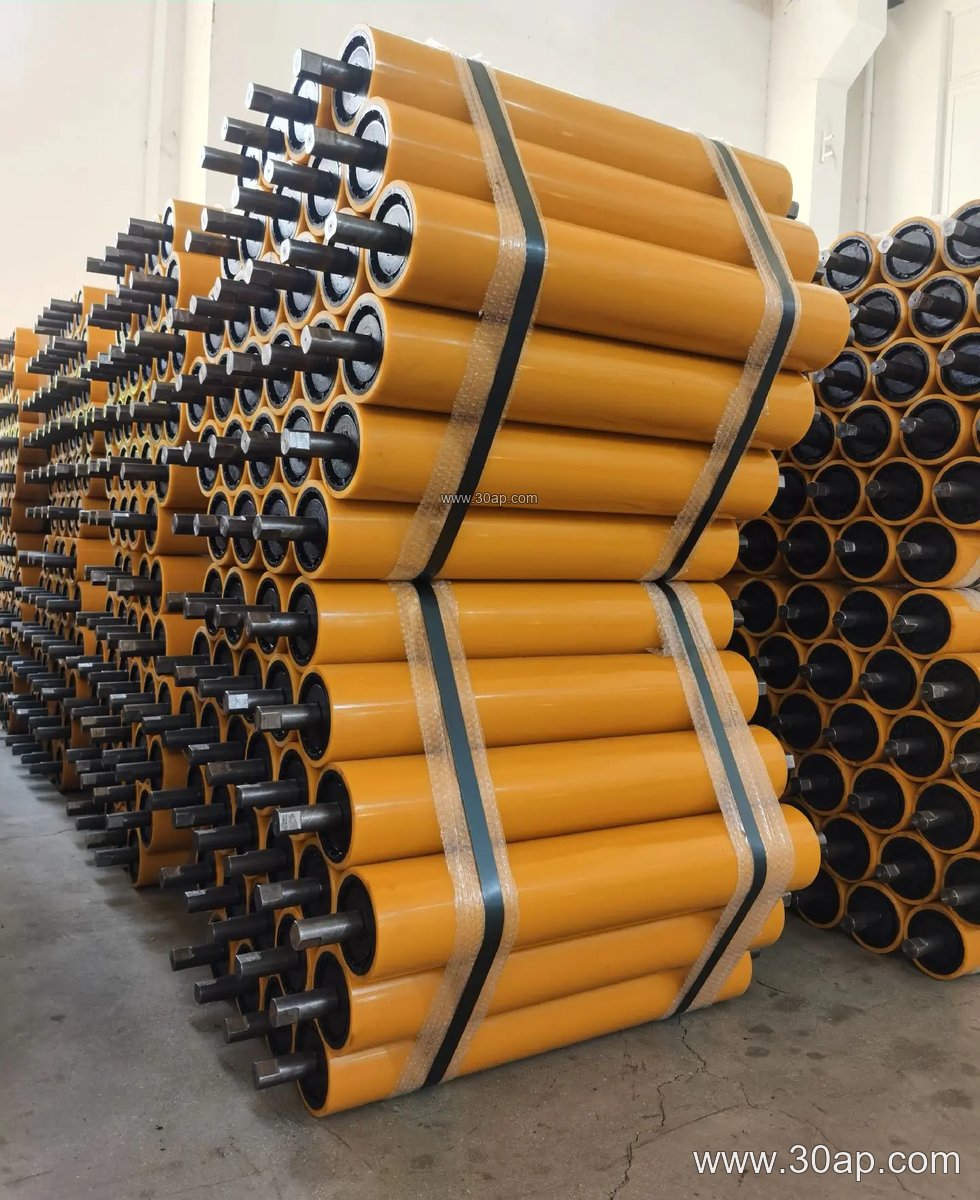
The idler consists of a sturdy steel frame, two tapered rollers mounted on sealed bearings, and a pivot mechanism that allows the assembly to rotate horizontally. The tapered shape is critical: as the belt contacts the conical surface, differential friction generates a centering force. Rollers are commonly made from steel tube with options for rubber lagging or ceramic lagging to improve grip in wet or dusty conditions.
Bearing selection varies with load and speed. Common bearing numbers include 6204, 6205, 6305, 6306, 6308, and 6310, matched to the roller diameter and shaft design. The pivot bushings or bearings must be protected from dust and moisture, especially in coal handling or cement plants where fine particles are abundant.
Where It Fits on the Conveyor
Tapered self-aligning idlers are often placed just after the loading point or before the head pulley, where belt tracking is most vulnerable. In a typical conveyor system, they may complement troughing idlers, impact idlers, and return idlers, but they are not interchangeable with drive pulleys, tail pulleys, or bend pulleys—those are different components with distinct roles.
For example, a belt conveyor in a copper mine might use a three-roll troughing set for carrying, a V-return idler for the empty strand, and a tapered self-aligning idler near the transfer chute to counter misalignment caused by off-center loading. Similarly, a power plant coal yard may deploy these idlers on long overland conveyors to reduce maintenance calls caused by belt wander.
Common Sizes and Configurations
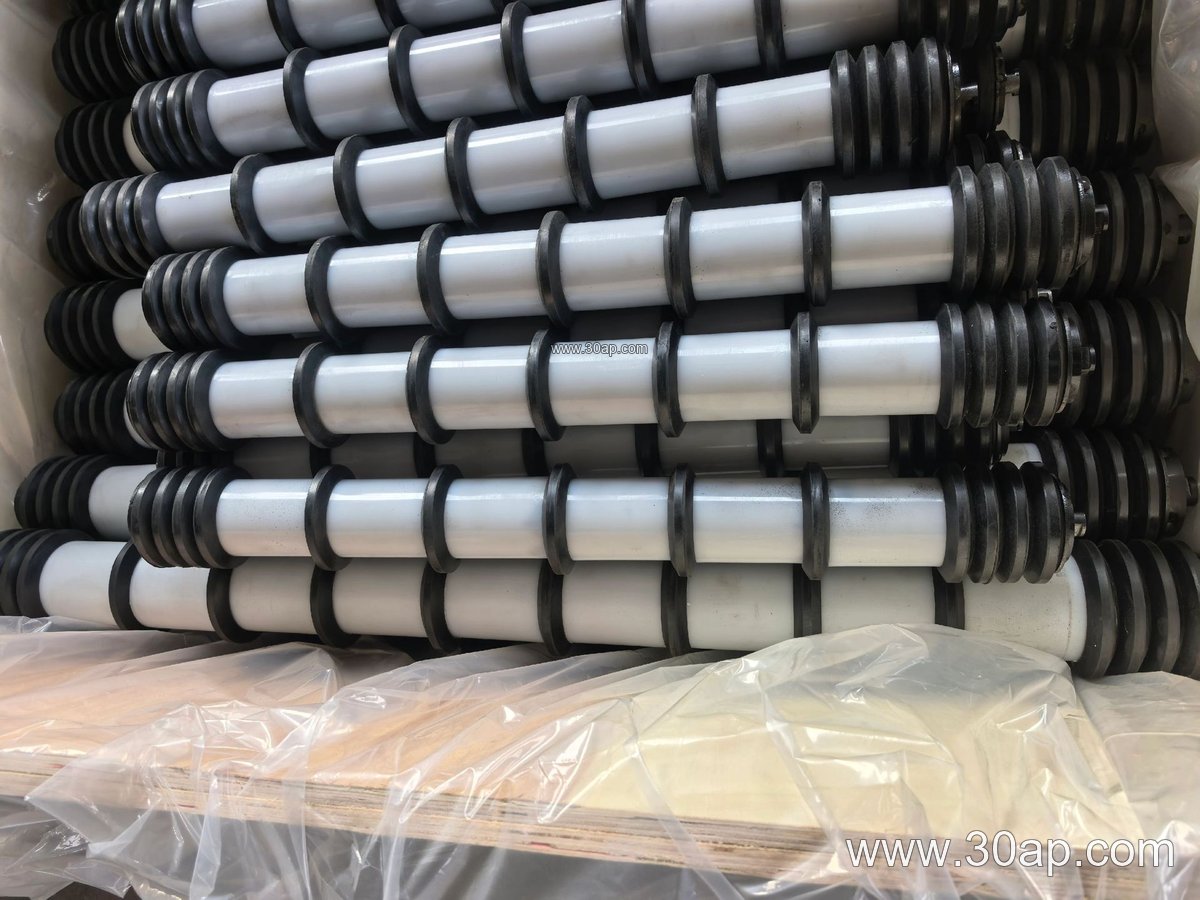
Roller diameters for tapered self-aligning idlers typically range from Ø63 mm to Ø219 mm, with popular sizes including Ø89, Ø108, Ø133, and Ø159. Belt widths from B400 to B2400 are commonly accommodated, though the exact roller length depends on belt width, trough angle, and idler arrangement. The table below gives typical examples; actual dimensions should be confirmed with the conveyor design.
| Belt Width (mm) | Typical Roller Length (mm) | Common Roller Diameter (mm) |
|---|---|---|
| B500 | 200 | Ø63–Ø89 |
| B650 | 250 | Ø76–Ø108 |
| B800 | 315 | Ø89–Ø133 |
| B1000 | 380 | Ø108–Ø159 |
| B1200 | 465 | Ø108–Ø159 |
| B1400 | 530 | Ø133–Ø178 |
| B1600 | 600 | Ø133–Ø194 |
| B1800 | 670 | Ø159–Ø219 |
| B2000 | 750 | Ø159–Ø219 |
Trough angles of 20°, 30°, 35°, and 45° are available for related troughing idlers, and a slight forward tilt of about 1.5° to 2° is sometimes used on self-aligning units to enhance training effect. Surface options include plain steel, rubber lagging, and ceramic lagging to suit abrasive or wet materials.
Selection and Maintenance Tips
When choosing a tapered self-aligning idler, consider belt speed, material lump size, and environmental conditions. In a tunnel excavation project, dust and moisture may call for enhanced sealing; in a fertilizer plant, chemical resistance might be important. Always check that the idler’s pivot mechanism moves freely and that the rollers rotate without binding.
Routine inspection should include checking for worn lagging, loose brackets, and material buildup on the tapered rolls. A well-maintained self-aligning idler reduces belt edge damage, extends conveyor belt life, and minimizes downtime in industries ranging from sand and gravel to steel sintering.