Why an Idler Roller Squeals on a Bulk Port Conveyor
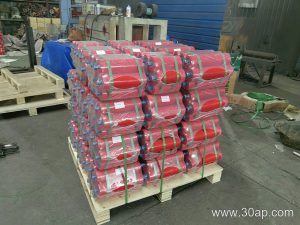
A squealing idler roller often signals a single problem: a dry or contaminated bearing race. At a bulk-material port terminal, coal or ore dust can breach worn seals. The fix is not to replace the roller blindly — first isolate whether the noise comes from the roller, the belt, or the frame.
Step 1: Confirm the idler roller is the source
Run the empty belt. Listen near each idler roller. If the squeal stops when the belt is lifted, the roller is suspect. Check for a locked shell that drags the belt.
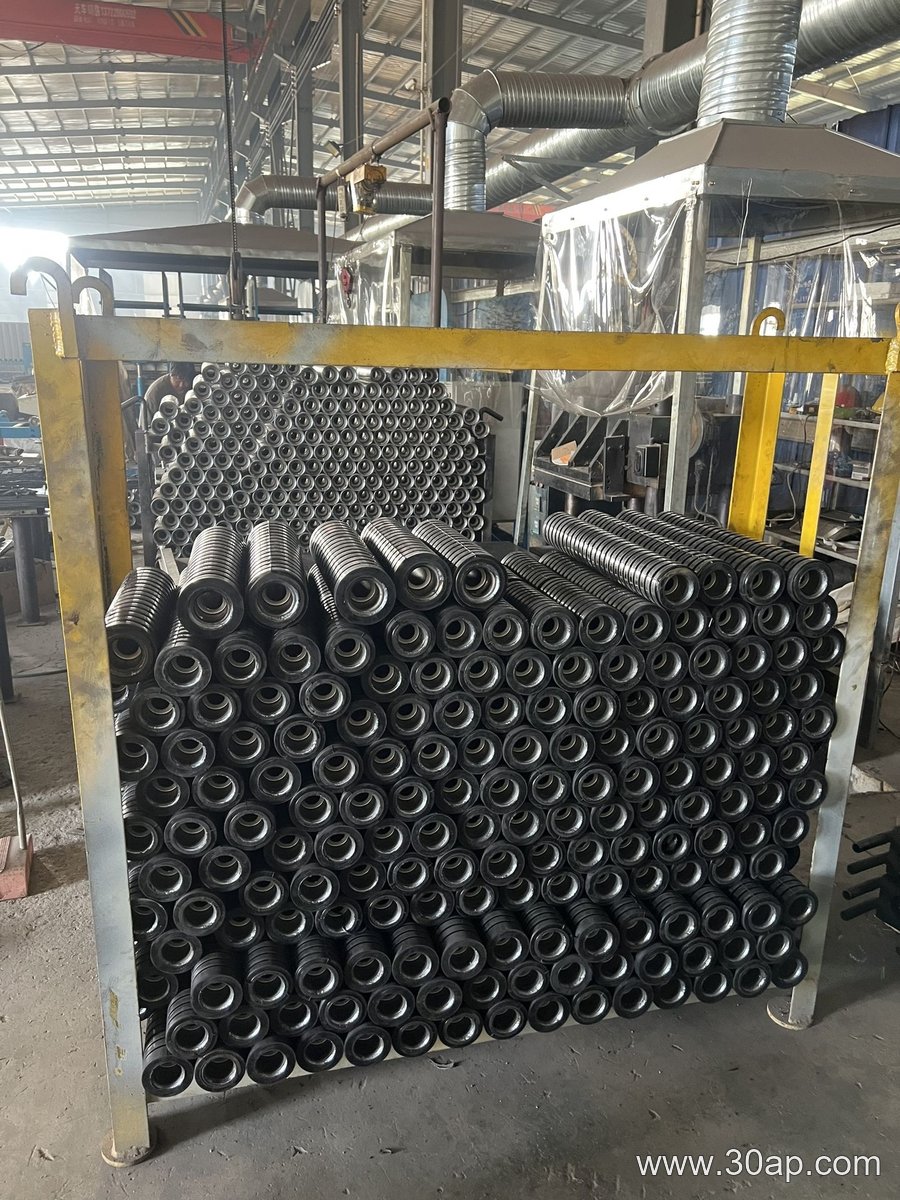
Step 2: Check seal and bearing condition
- Remove the idler roller and spin by hand. Roughness points to bearing damage.
- Inspect the seal lip for embedded grit or a worn labyrinth.
- If grease has turned black or gritty, moisture and fines have entered.
Step 3: Correct the root cause before replacing
Fit an idler roller with a better dust-excluding seal, or add a secondary shield in the terminal’s dusty zone. Re-align the frame so the roller runs true. A new idler roller without these fixes will squeal again.
Why the Default Conveyor Pulley Often Fails
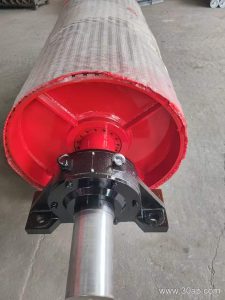
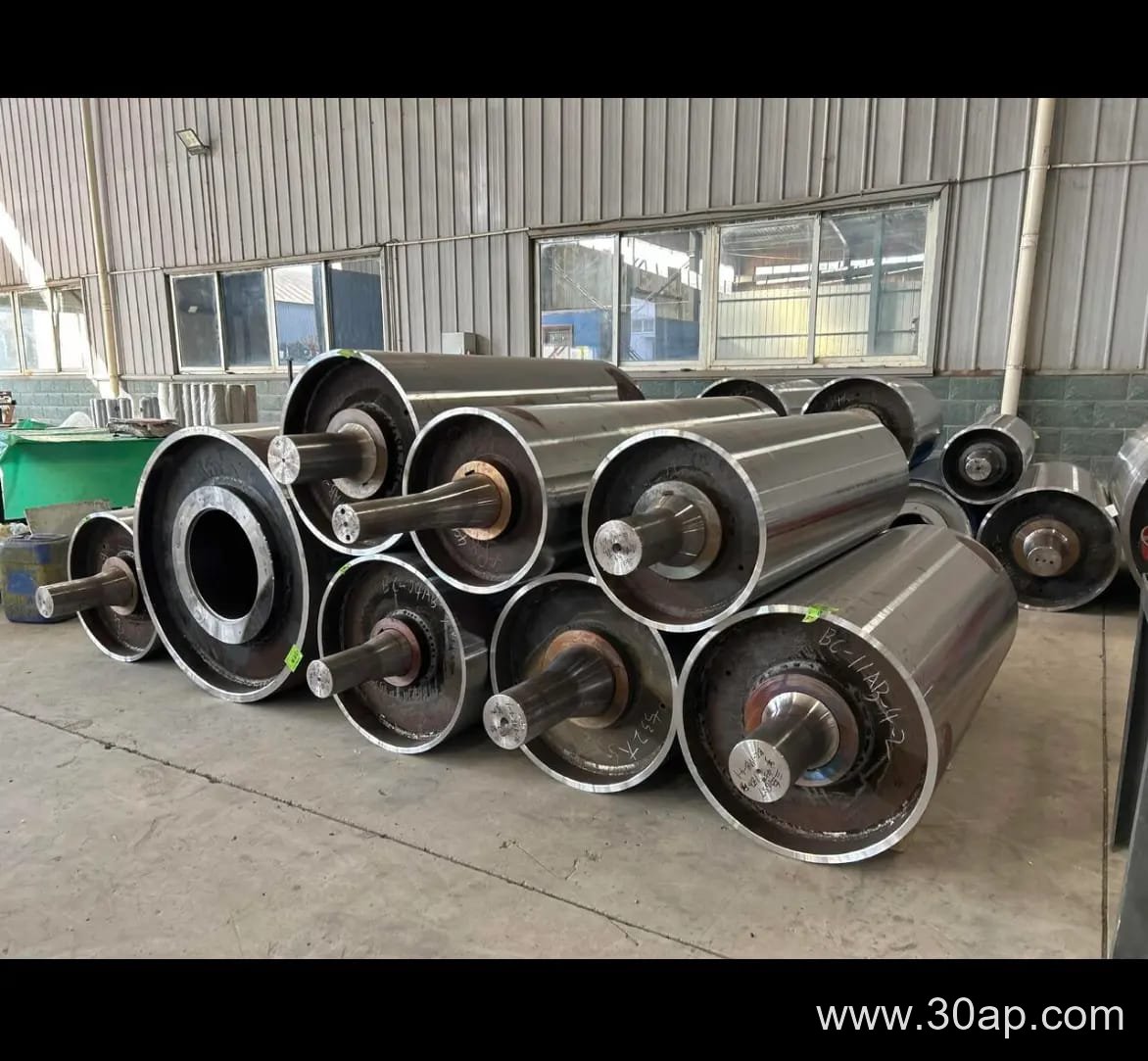
A common misconception is that any standard conveyor pulley will perform equally in a mineral-processing plant. In reality, the pulley sits at the intersection of abrasive ore, fluctuating loads, and harsh ambient conditions, so selection must follow a structured decision path.
Start with the Conveyed Material
Highly abrasive ore demands a conveyor pulley with wear-resistant lagging and robust shell construction. Fine, wet material may require improved sealing to protect bearings.
Match Speed and Temperature
Higher belt speeds increase dynamic loads and heat buildup. In hot climates or after dryers, verify that bearing lubricant and lagging compounds tolerate the expected temperature range.
Confirm Operating Conditions
- Duty cycle and starting frequency affect shaft and bearing sizing.
- Belt tension determines the required pulley diameter and face width.
- Environmental dust and moisture guide seal and coating choices.
These hypothetical checks help engineers specify a conveyor pulley that lasts, rather than simply replacing failed units.
Symptoms and Causes of Conveyor Bracket Failure
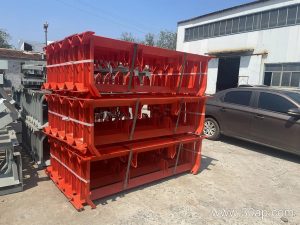
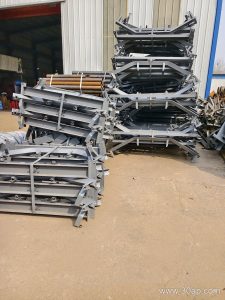
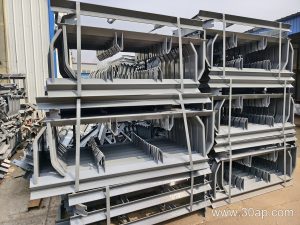
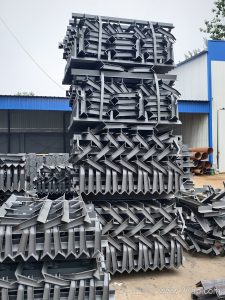
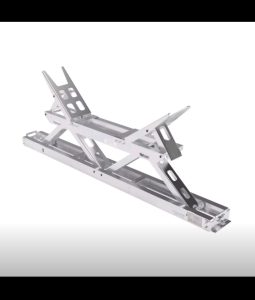
A loose or cracked conveyor bracket often signals more than a bad weld. In a mineral-processing plant, check for fatigue, abrasive wear, and misalignment before replacing it.
Three plausible causes
- Cyclic loading from idler vibration loosens bolts or fatigues the bracket.
- Fine ore dust erodes the bracket’s contact surfaces and mounting holes.
- Stringer misalignment imposes bending the bracket was not designed to carry.
Inspect the pattern of damage: a crack at a weld toe points to fatigue, while thinning near the base suggests abrasion. Correct the cause, not just the bracket.
What Is a Wet Outdoor Conveyor Belt?
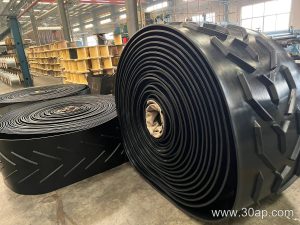
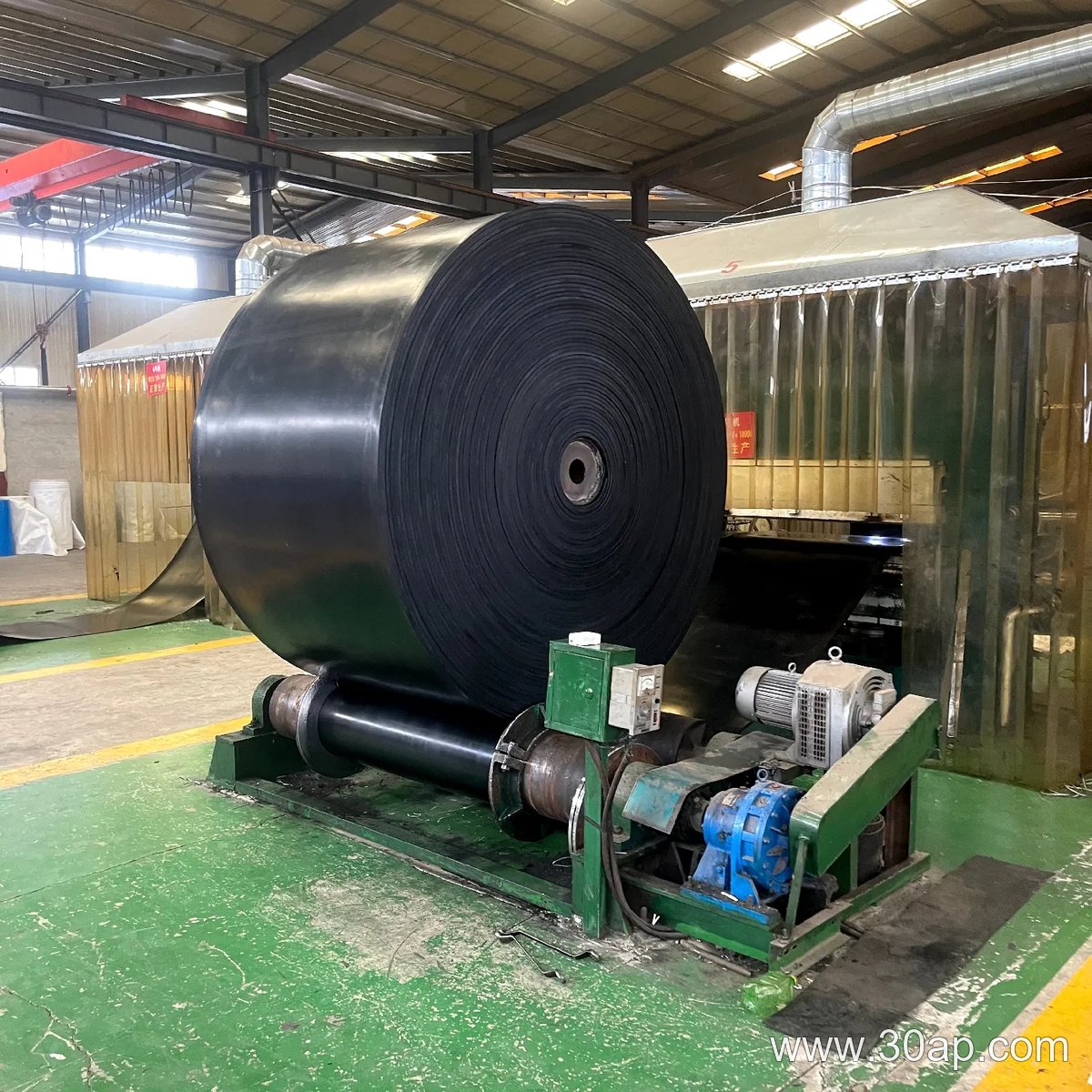
A wet outdoor conveyor belt is a subtype of conveyor belt built to run in rain, washdown, and humid air. It usually combines a fabric carcass (often EP) with rubber covers. The top cover resists abrasion and water; the bottom cover protects the carcass. Edges are sealed to limit moisture wicking.
Construction and Features
- EP fabric plies for strength and troughability
- Moisture-resistant rubber covers
- Sealed edges and optional drainage cleats
These features reduce slippage, ply separation, and edge fraying. Uses include quarries, ports, and outdoor stockpiles.