What a Power Plant Conveyor Idler Does
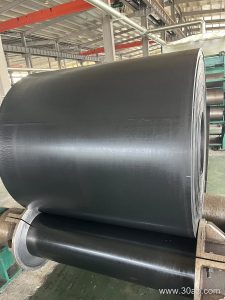
In a coal-fired power station, the coal handling system moves fuel from the stockyard or receiving pit to the bunkers above the boilers. The conveyor belt itself is supported and guided by a power plant conveyor idler, also called a belt conveyor idler roller. These rotating cylinders sit under the loaded belt and carry its weight, keep the belt tracking, and reduce friction so the drive system does not have to pull the entire load unaided. A single long overland or gallery conveyor may use hundreds of them, which makes their reliability a direct factor in plant availability.
How the Idler Is Built
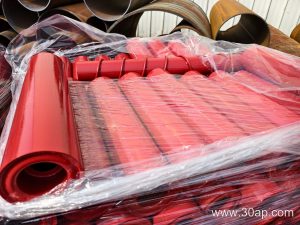
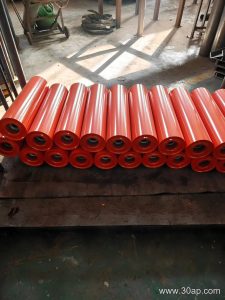
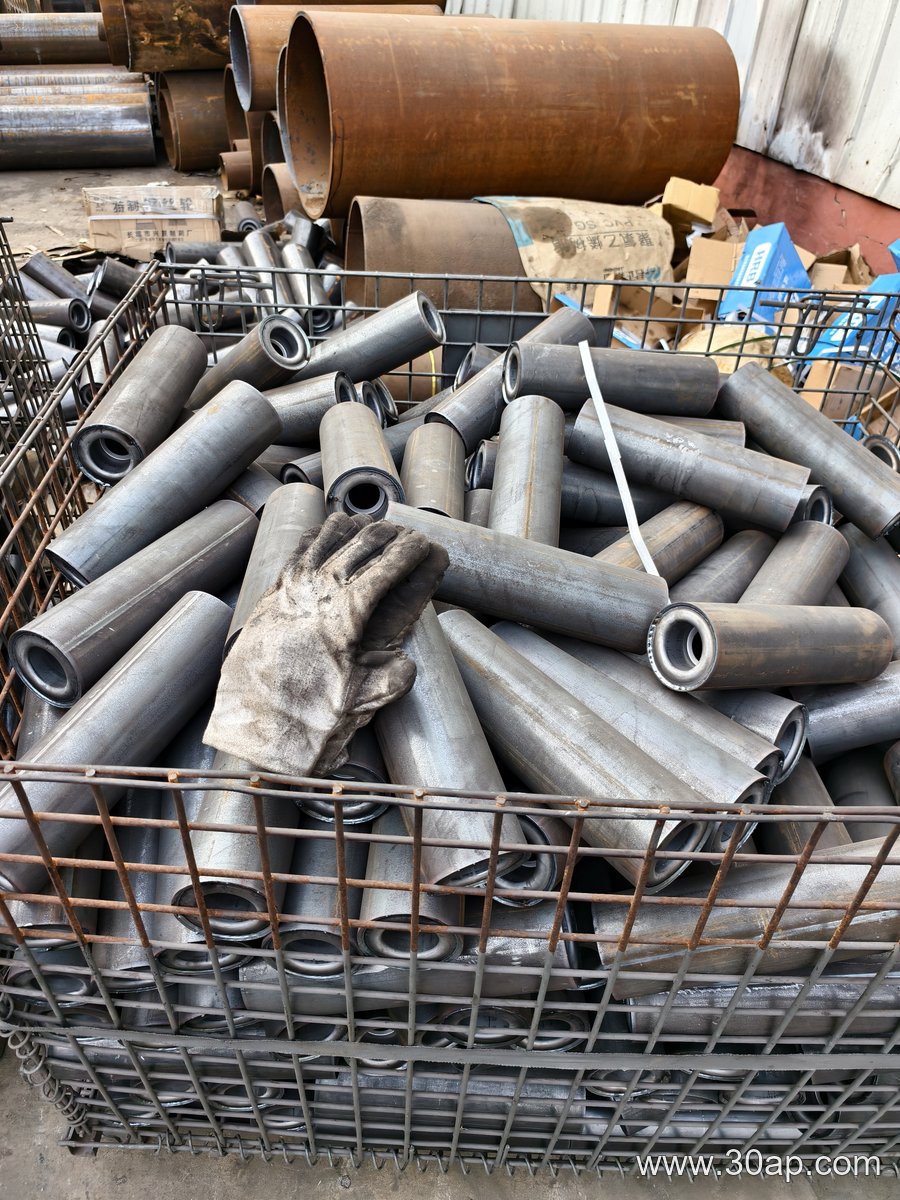
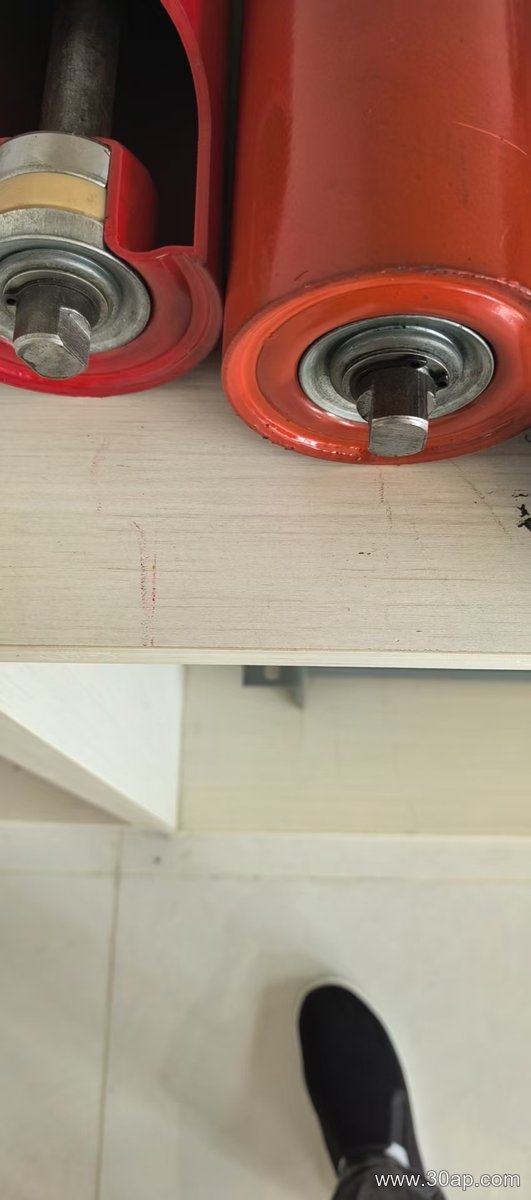
A typical idler roller consists of a steel tube shell, two bearing housings pressed into the ends, a shaft that runs through the centre, and a sealing arrangement. The shell may be plain steel, nylon-coated, ceramic-lined, or fitted with rubber rings, depending on the duty. Seals matter in coal handling because coal dust is abrasive and penetrates ordinary gaps. Labyrinth seals or combined contact and labyrinth designs are common. Bearings are usually deep-groove ball bearings such as 6204, 6205, 6305, 6306, 6308, or 6310, though the correct bearing for a given roller depends on load and speed, not on a fixed rule.
Where Idlers Sit on the Conveyor
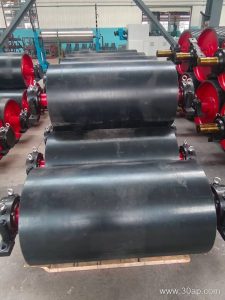
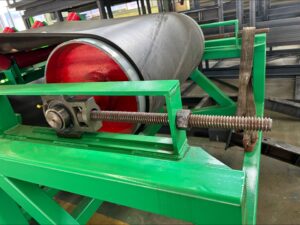
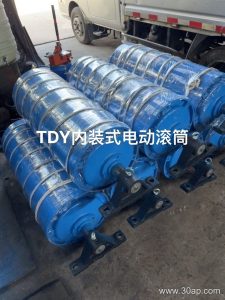
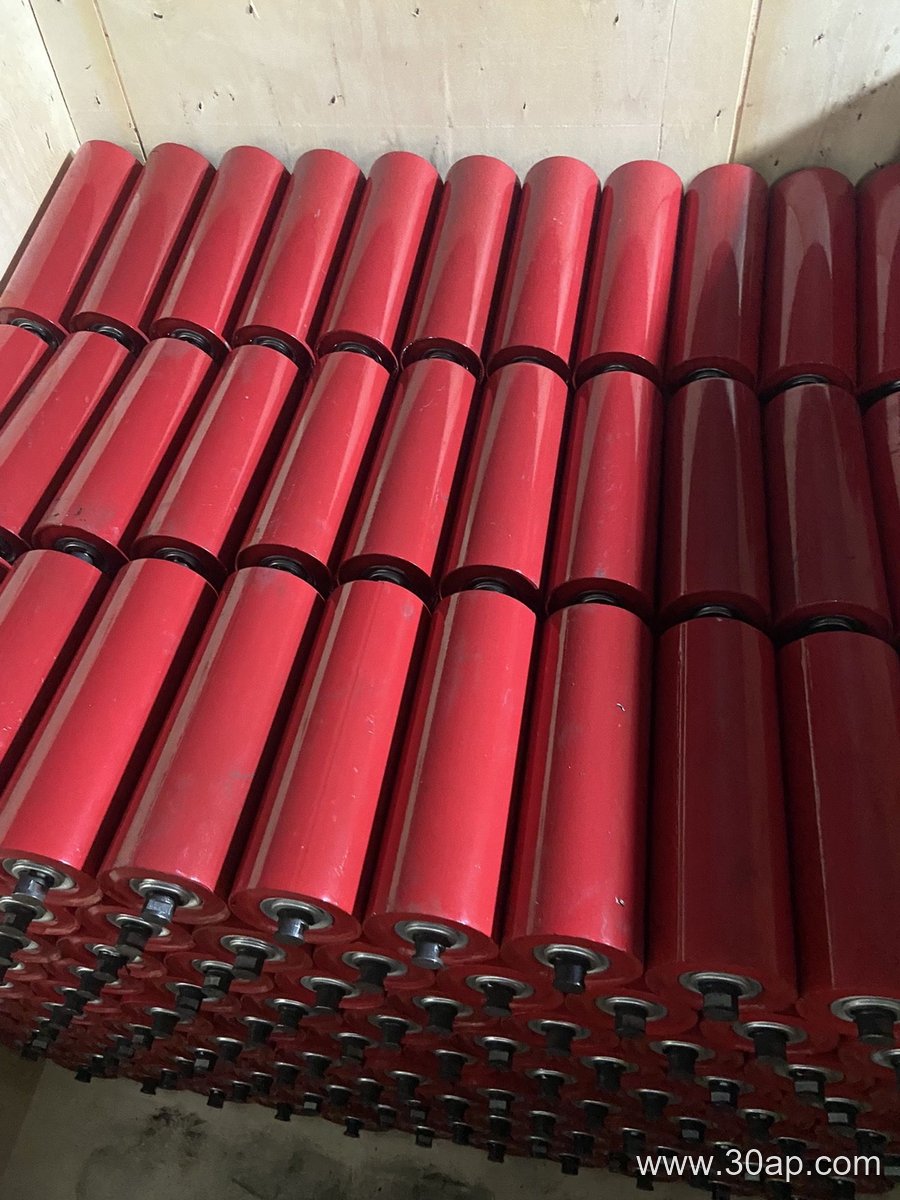
Carrying idlers support the loaded belt and are commonly arranged in three-roll troughing sets. Return idlers support the empty belt on the way back. Impact idlers with rubber rings are placed under the loading chute, where coal drops onto the belt. Training or self-aligning idlers correct belt drift, and transition idlers ease the belt from flat to troughed profile near the head and tail. Drive pulleys, tail pulleys, and bend pulleys are different components and are not interchangeable with idlers; they transmit motion and change belt direction, while idlers only support and guide.
Common Sizes and Configurations
Roller diameter and belt width are selected together with the conveyor design, not copied from a single table. The values below are common reference examples only, not universal rules or a supply promise.
| Belt width | Typical three-roll troughing idler length |
|---|---|
| B650 | about 250 mm |
| B800 | about 315 mm |
| B1000 | about 380 mm |
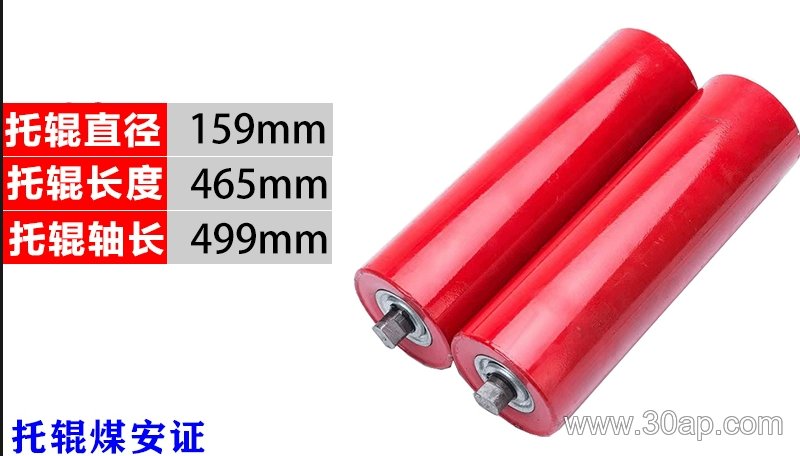
| B1200 | about 465 mm |
| B1400 | about 530 mm |
Roller diameters often seen in power plant coal conveyors include Ø89, Ø108, Ø127, Ø133, Ø159, and Ø178. The trough angle is usually 20, 30, 35, or 45 degrees; a three-roll set with a 35-degree trough is common for coal. Side rollers and the centre roller can have different lengths, so the figures above are only an indication. A forward tilt of about 1.5 to 2 degrees is sometimes used on training idlers to help belt tracking.
What a Buyer Should Check
- Match the roller diameter and shaft to the actual load and belt speed, not to belt width alone.
- Confirm the sealing type suits the dust level at the plant.
- Check whether the idler group is a single roll, two-roll, or three-roll troughing set.
- Verify the bracket and frame dimensions against the existing conveyor bracket spacing.
- Ask for the bearing designation and shell material so replacement parts remain consistent.
Maintenance Notes
A seized or rough-running idler can wear the conveyor belt and increase motor current. In coal handling, inspections usually focus on idlers under the loading point and near the head, where impact and fines are heaviest. Replacing a failed roller before it damages the belt is normally cheaper than repairing the belt later. Keeping a small stock of the most common sizes reduces downtime during a shift.