What a Fixed Conveyor Bracket Does
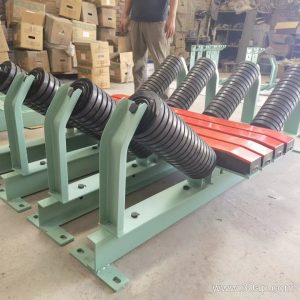
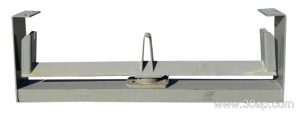
A fixed conveyor bracket is the stationary support that holds idler rollers at a set position along a conveyor frame. Unlike an adjustable bracket, its mounting angle and hole spacing are locked in during fabrication, so the trough shape stays constant while the belt runs. In a quarry, a coal handling system, or a cement plant, these brackets keep the conveyor belt tracking evenly and reduce the chance of material spillage at transfer points.
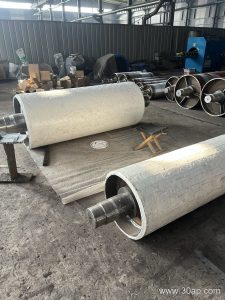
The bracket usually works together with a conveyor pulley at the head or tail end, while the bracket itself carries the carrying-side or return-side rollers in between. It is a simple part, but its geometry directly affects how the belt sits and how long the rollers last.
How a Fixed Bracket Is Built
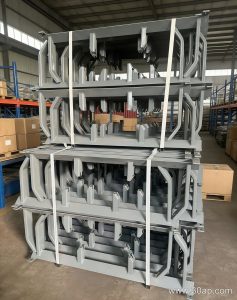
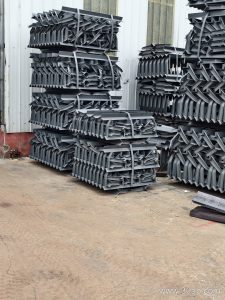
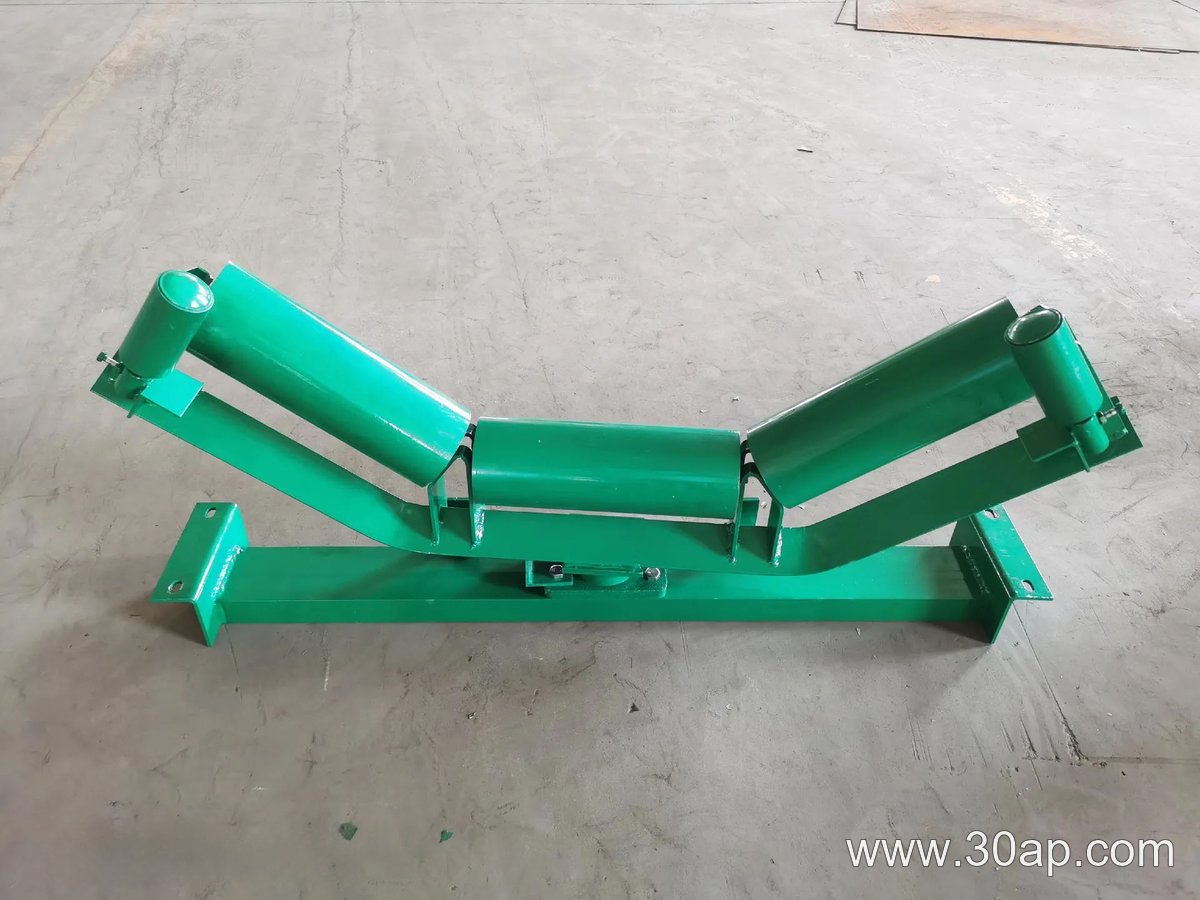
Most fixed brackets are made from angle steel, channel steel, or folded steel plate. The material choice depends on the load and the environment. In a sand and gravel line, a folded plate design can be lighter, while a heavy iron ore duty may call for thicker channel sections.
Key construction details include:
- Welded or bolted frame that matches the conveyor stringer spacing
- Mounting slots or holes for the idler roller shaft
- Fixed trough angle formed by the bracket position
- Reinforcement at the base where vibration is highest
Because the bracket is fixed, the trough angle cannot be changed on site. That means the angle must be chosen correctly before production.
Where It Is Used and How It Fits
Fixed brackets appear in many bulk handling sectors. In a coal washing plant, they support rollers under a loaded belt that carries wet coal. In a power plant coal yard, they hold idlers on long overland conveyors. In a crushing and screening circuit, they keep the belt aligned after a crusher discharge.
The bracket is not a pulley. A drive pulley, tail pulley, and bend pulley each have their own function, and they are not interchangeable with a bracket. A fixed bracket simply supports the idler roller that the conveyor belt rolls over.
Common Types and Parameters
Fixed brackets come in several forms, and each matches a specific position on the conveyor. The table below shows typical examples. Values are common reference points, not universal specifications or supply promises.
| Type | Typical Position | Common Belt Width | Common Trough Angle | Common Roller Diameter |
|---|---|---|---|---|
| Troughing bracket | Carrying side | B500 to B2200 | 20, 30, 35, 45 degrees | Ø89 to Ø194 |
| Return bracket | Return side | B500 to B2200 | Flat or V shape | Ø89 to Ø159 |
| Impact bracket | Loading point | B650 to B1600 | 30 or 35 degrees | Ø108 to Ø159 |
| Transition bracket | Near pulley | B800 to B1800 | 20 to 35 degrees | Ø108 to Ø133 |
For example, a B800 conveyor with a 35-degree trough angle and Ø108 rollers is a common combination in a small aggregate plant. A B1200 conveyor in a cement plant may use a 45-degree trough angle with Ø133 rollers. These are examples only; the final choice depends on belt width, material, and load.
What a Buyer Should Check
Before ordering a fixed conveyor bracket, confirm the following:
- Belt width and required trough angle, because the bracket is fixed and cannot be adjusted later
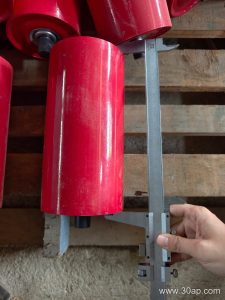
- Roller shaft diameter and mounting hole spacing, which must match the idler roller
- Frame material and thickness for the expected load and dust or moisture level
- Whether the bracket is for carrying side, return side, or impact zone
Also check that the bracket fits the existing conveyor stringer. A bracket that is too short or too long will not align with the idler roller, and that can cause belt misalignment. In a tunnel boring or port application, where space is tight, a compact folded design may be easier to install.
Maintenance and Long-Term Use
Fixed brackets have no moving parts, so maintenance is mostly inspection. Check for bent frames, loose bolts, and rust at welded joints. In a fertilizer or grain silo environment, corrosion can be a concern, so a coated or galvanized bracket may be preferred. If a bracket is damaged, replacing it with the same fixed geometry keeps the trough angle unchanged and avoids re-aligning the whole conveyor.
When the bracket is matched correctly to the conveyor belt, the idler roller, and the surrounding conveyor pulley, the belt runs smoother and the system needs less attention.