Conveyor Pulley: The Core of Reliable Material Transport
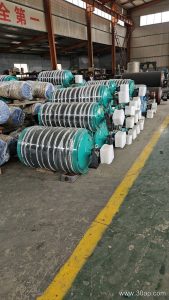
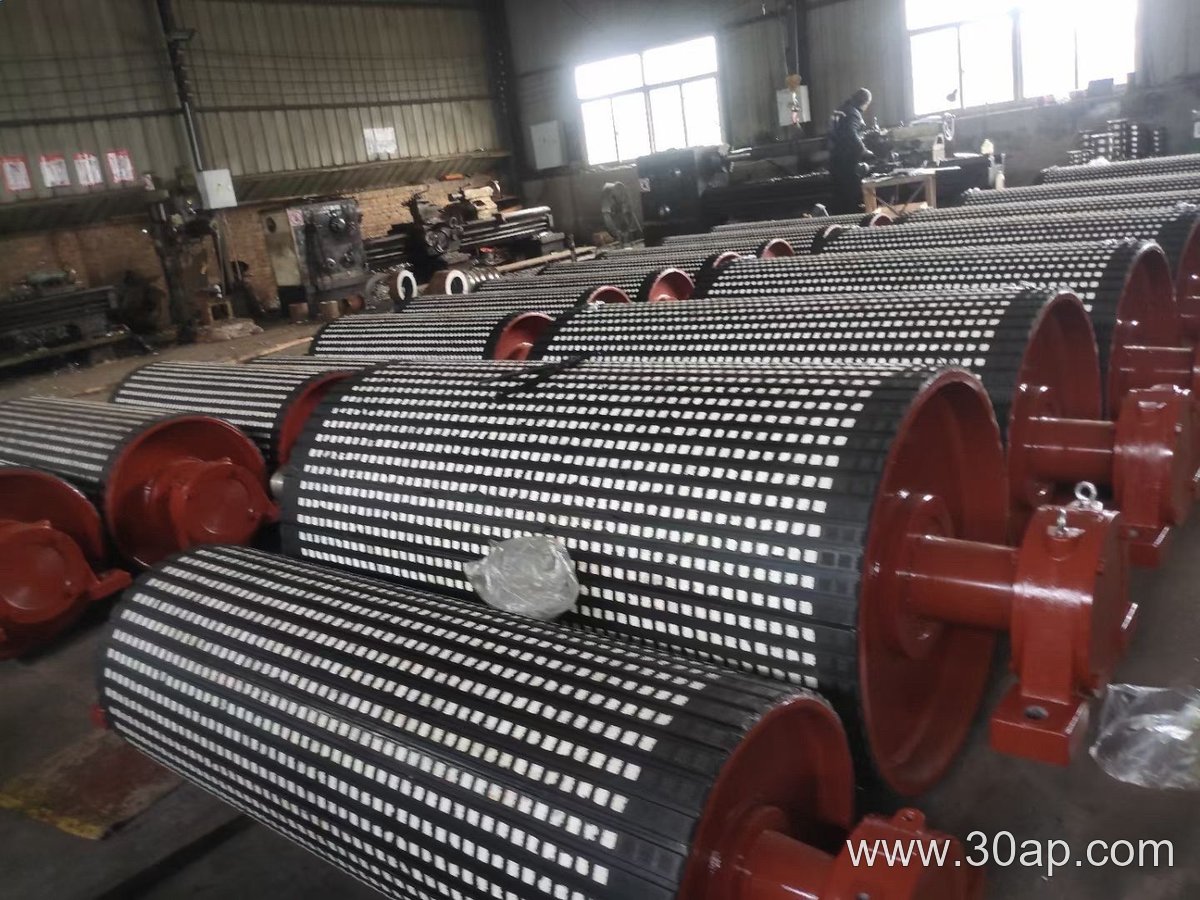
The conveyor pulley is not just a rotating cylinder; it is the primary drive and tension element of any belt conveyor system. Choosing the wrong one leads to belt slippage, premature wear, and costly downtime.
Key Engineering Considerations
- Diameter vs. Belt Wrap: Larger pulleys reduce belt flex fatigue and increase the contact arc for drive traction, but require more space and cost. A minimum diameter ratio to belt thickness is mandatory.
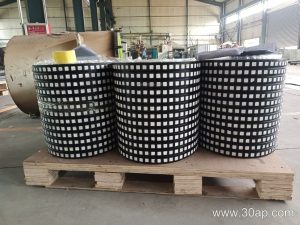
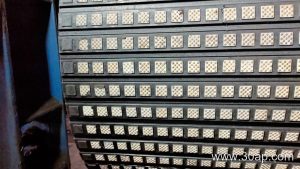
- Lagging Type: Ceramic lagging improves grip under wet or dusty conditions; rubber lagging is ideal for general use. Smooth steel is only for snub or bend pulleys.
- Shaft and Bearing Loads: Calculate the resultant force from belt tension and weight. Use a fatigue-rated shaft with a keyway designed for the expected torque.
Purchasing and Inspection Advice
- Specify crown face profiles for self-centering of the belt on the head pulley.
- Verify the pulley’s balance grade—G6.3 is standard for medium-speed conveyors; G2.5 for high-speed units.
- Always request the manufacturer’s static load test report and shell thickness certificate.
- For replacement, measure the existing pulley’s bore, hub length, and face width precisely—never assume from a model number.
- Inspect the pulley’s weld seams and end discs quarterly for micro-cracks, especially on drive pulleys under reversing loads.
Why the Conveyor Bracket Defines System Reliability
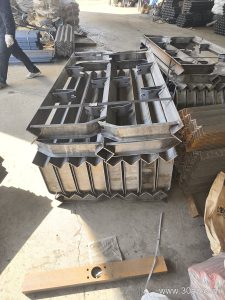
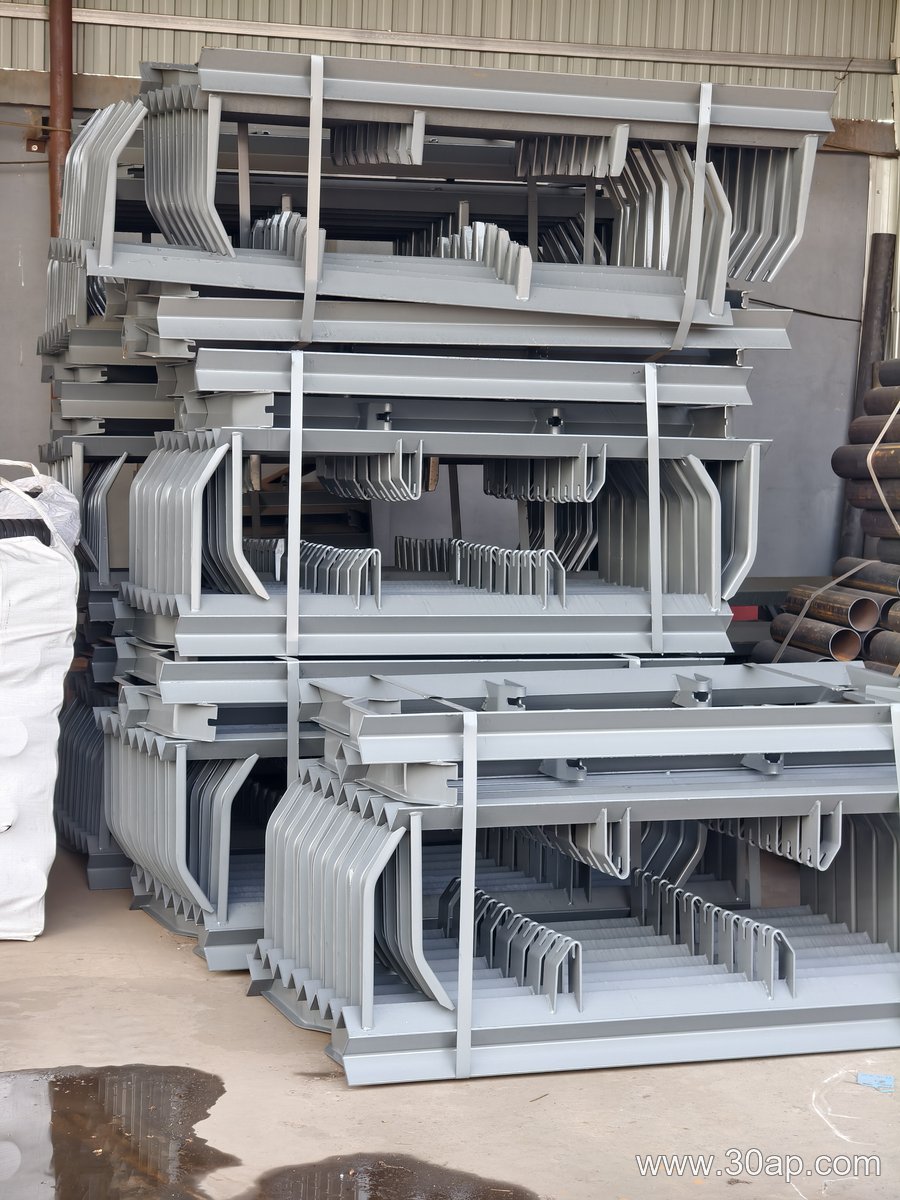
The conveyor bracket is the silent load-bearing interface between your belt or roller path and the supporting steelwork. A poorly chosen bracket induces vibration, misalignment, and premature wear on idlers and frames. For OEMs and plant engineers, focusing on bracket geometry—not just finish—is critical.
Material and Coating Choices
Select galvanized or stainless steel for washdown or corrosive environments. Powder-coated carbon steel suits dry, indoor applications. Always verify the bracket’s yield strength against dynamic load peaks, not only static weight.
Fit, Adjustability, and Installation
- Check slot lengths for belt tracking adjustments—allow at least ±10 mm lateral travel.
- Use slotted mounting holes with serrated washers to prevent slip under shock loads.
- For curved sections, request pre-angled brackets to match your radius precisely.
Purchasing Advice
Ask suppliers for deflection test data at rated load. Compare the cost per bracket against expected service life. Always order a spare set of fasteners and shims with your first batch—mismatched hardware is the top cause of on-site fit failures.
Why the Conveyor Belt Defines Your Line’s Efficiency
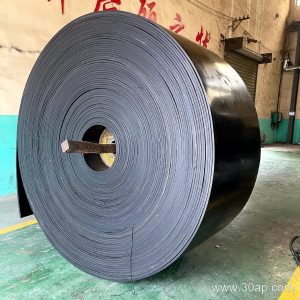
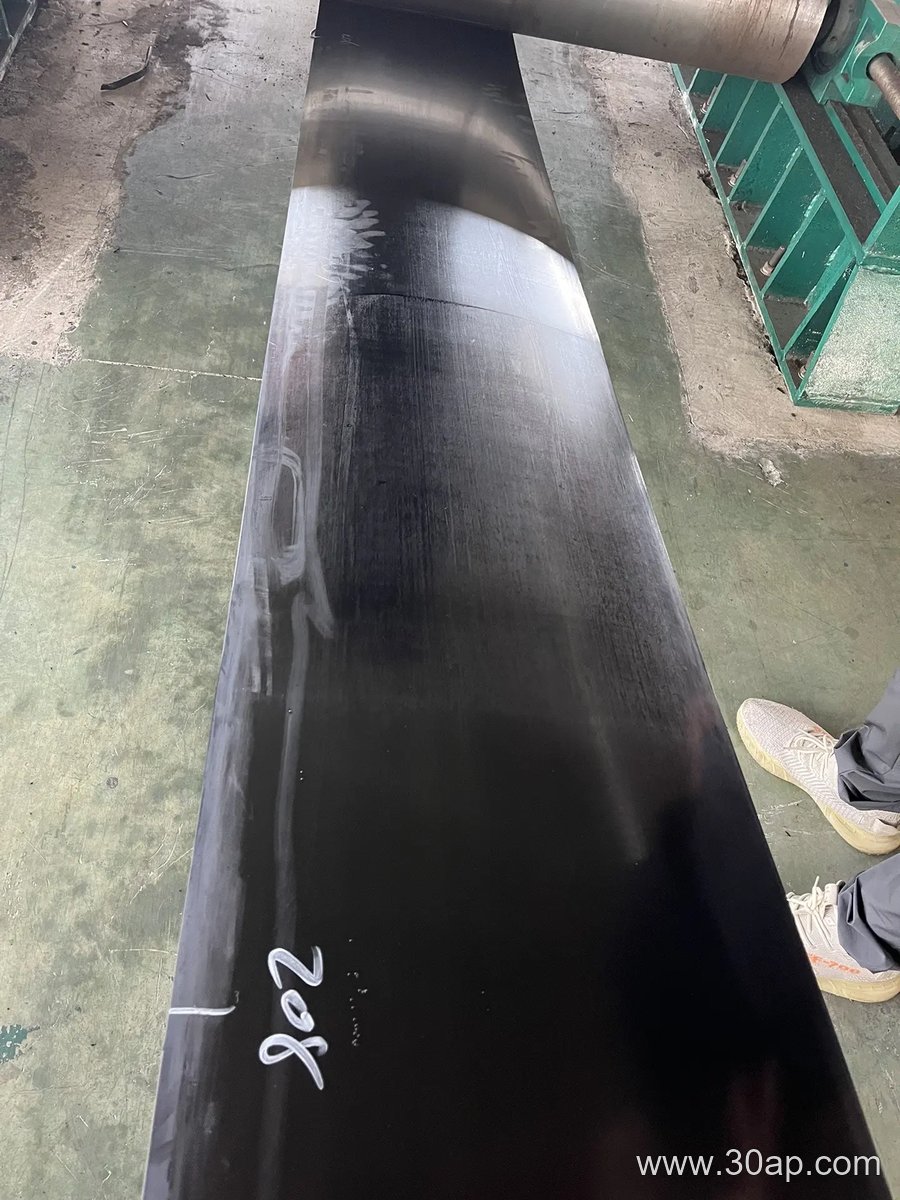
The conveyor belt is the backbone of any material handling system. Its surface, tension, and splice quality directly affect throughput, downtime, and product safety. Selecting the wrong belt leads to premature wear, misalignment, and costly stoppages.
Key Selection Criteria
- Material compatibility: Match the belt cover to the product (e.g., oil-resistant rubber for food, antistatic PVC for electronics).
- Load and speed: Calculate maximum belt tension and choose a carcass (polyester, nylon, or steel cord) that handles peak loads without stretching.
- Environmental factors: For heat, cold, or chemical exposure, request a belt with a temperature range and cover compound tested for those conditions.
Purchasing Advice
Always request a detailed technical datasheet and a sample for a bend test. Verify that the belt’s thickness and edge sealing meet your idler spacing. Also, ask for splicing kits and training from the supplier—proper installation doubles belt life. Finally, compare total cost of ownership, not just price per meter; a premium belt with lower friction saves energy and reduces replacement frequency.
Idler Roller: The Backbone of Efficient Bulk Material Handling
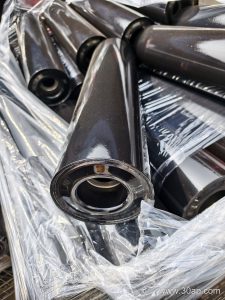
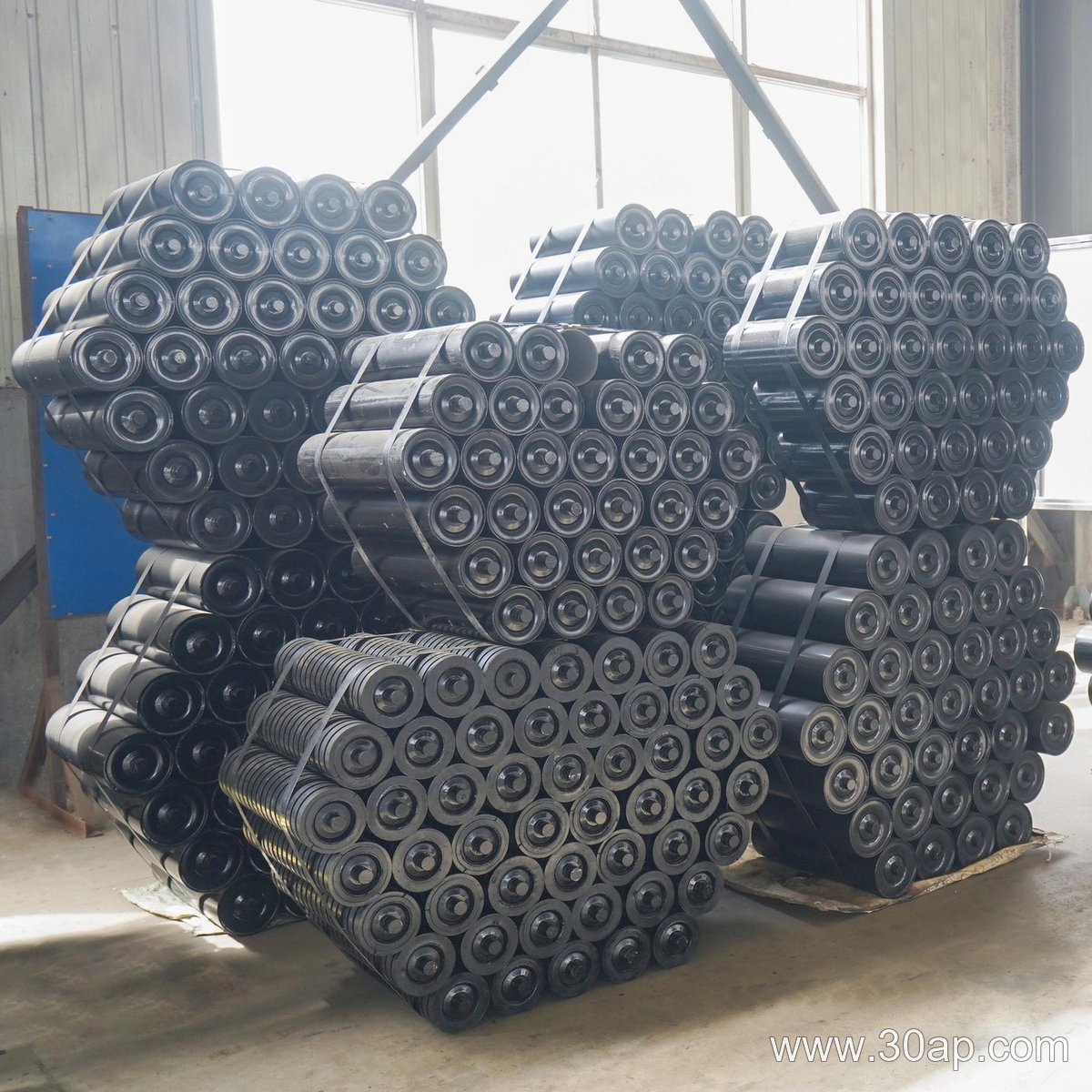
An idler roller is not just a rotating cylinder; it is the critical support structure that shapes your conveyor belt, minimizes friction, and protects your cargo. Without properly selected idler rollers, even the best belt will suffer from premature wear, misalignment, and costly downtime.
Key Factors When Selecting an Idler Roller
- Load Capacity: Match the roller’s dynamic rating to your material weight and belt speed. Under-specifying causes shell deflection and bearing failure.
- Roller Diameter & Wall Thickness: Larger diameters reduce belt sag and impact, while thicker steel walls extend life in abrasive environments.
- Sealing System: For dusty or wet conditions, choose labyrinth or triple-lip seals to keep contaminants out and grease in.
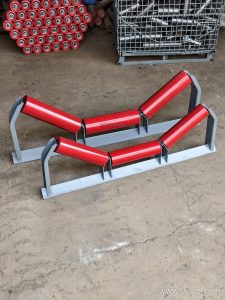
- Frame Type: Troughed, flat, or impact idlers each serve a purpose—use impact idlers at loading zones to absorb shock.
Maintenance and Purchase Advice
Always buy from a manufacturer that offers certified balancing and shell run-out tolerances below 0.5 mm. Schedule regular rotation and lubrication intervals, and keep spare rollers for critical transfer points. If you need low noise or food-grade handling, request polyurethane-covered shells or stainless-steel options.