What Is a Guide Idler Bracket?
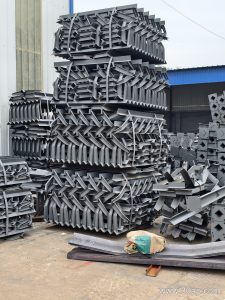
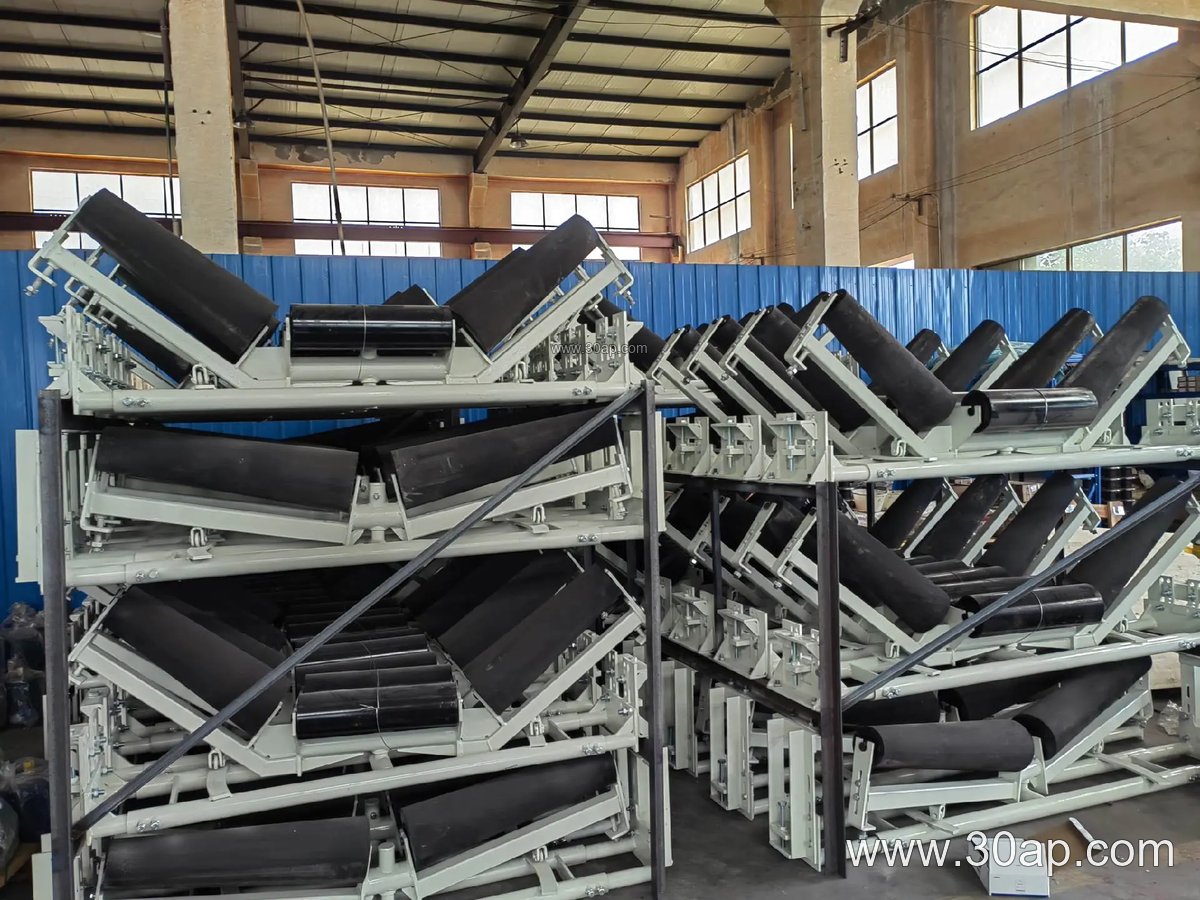
A guide idler bracket is a specialized mounting component used to position and secure guide idlers on a conveyor system. Unlike standard carrying or return brackets, this bracket is designed to hold idler rollers that actively guide the conveyor belt, preventing it from drifting off-center. Also known as a belt guide bracket or training idler bracket, it plays a critical role in maintaining belt alignment, especially in demanding environments such as coal mines, cement plants, and aggregate quarries.
Construction and Design
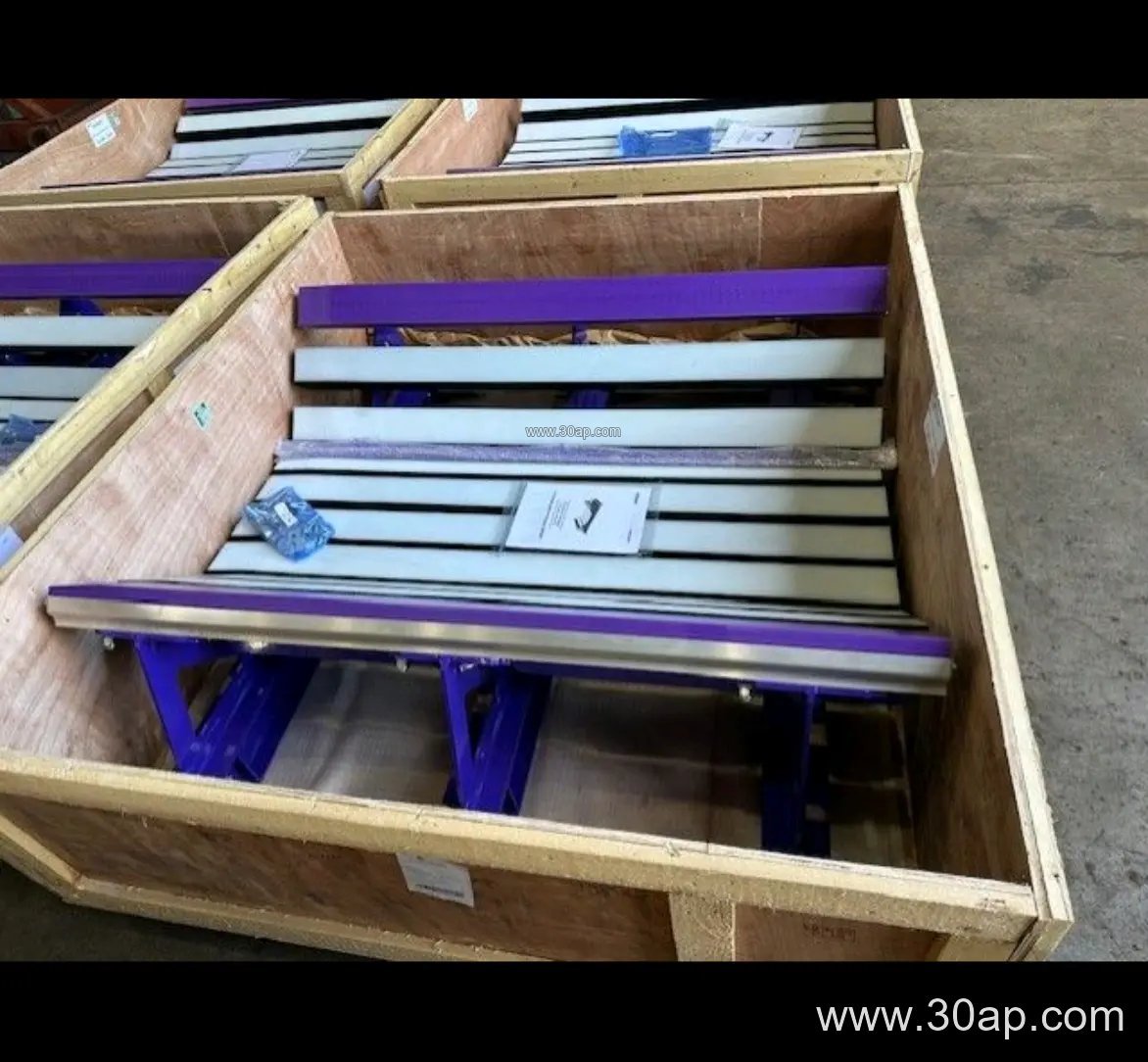
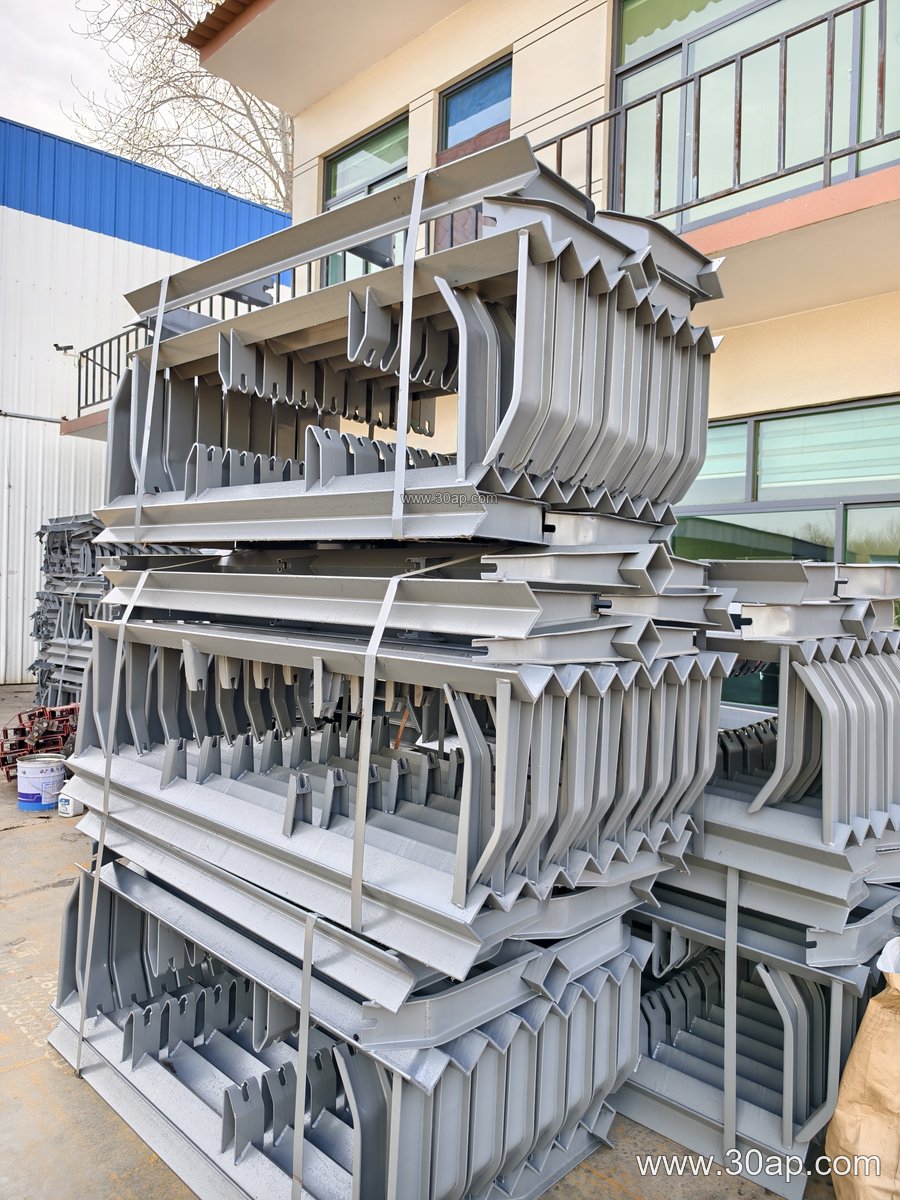
Guide idler brackets are typically fabricated from angle steel, channel steel, or bent steel plate to withstand heavy loads and harsh conditions. The design often includes adjustable features that allow the guide idler to be positioned at the optimal angle for effective belt training. Common materials include carbon steel with protective coatings or galvanized finishes for corrosion resistance. The bracket must be robust enough to absorb lateral forces exerted by the belt during misalignment correction.
Where It Is Used
These brackets are essential in industries where conveyor belts operate under continuous heavy duty, such as mining, power generation, and material handling. In a coal handling plant, a guide idler bracket ensures the belt stays centered as it transports coal from stockpile to crusher. In a limestone quarry, it helps maintain alignment on inclined conveyors, reducing spillage and edge damage. The bracket is often installed on the return side or near transition points where belt wandering is most likely.
Key Selection Factors
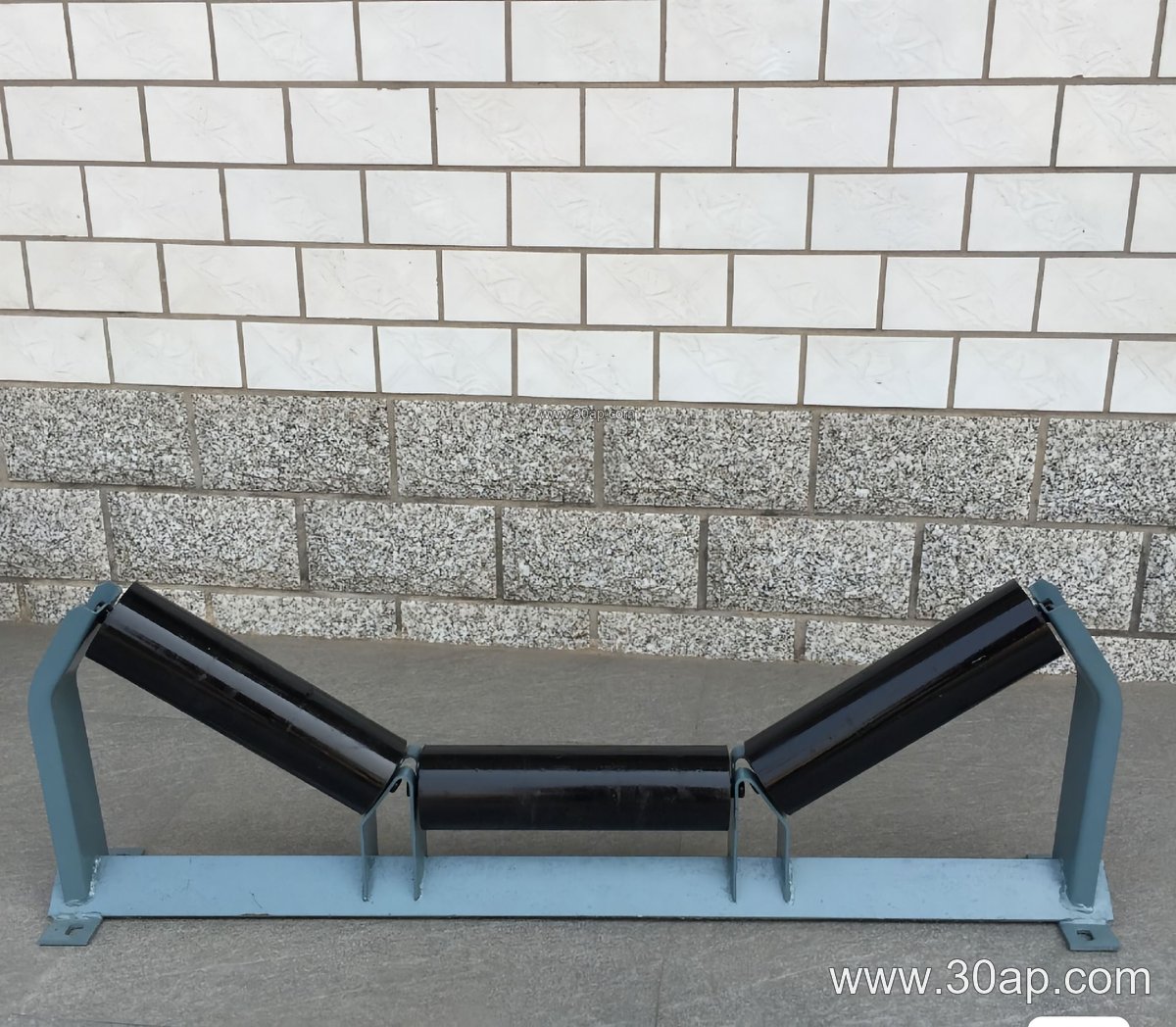
When choosing a guide idler bracket, several parameters must be considered to match the conveyor design. The bracket must be compatible with the belt width, idler diameter, and trough angle. Below is a reference table of common configurations; actual dimensions depend on the specific conveyor design and manufacturer.
| Belt Width (B) | Typical Idler Diameter (Ø) | Common Trough Angle | Bracket Type |
|---|---|---|---|
| B500 | Ø89 | 20°–30° | Adjustable guide bracket |
| B650 | Ø89–Ø108 | 30°–35° | Fixed or adjustable |
| B800 | Ø108–Ø133 | 35°–45° | Adjustable guide bracket |
| B1000 | Ø108–Ø159 | 35°–45° | Heavy-duty adjustable |
| B1200 | Ø133–Ø159 | 35°–45° | Heavy-duty adjustable |
| B1400 | Ø133–Ø194 | 35°–45° | Heavy-duty fixed |
| B1600 | Ø159–Ø194 | 35°–45° | Heavy-duty fixed |
Note that the table provides typical ranges; a single belt width can accommodate multiple idler diameters and trough angles. Always consult the conveyor design specifications for exact requirements.
Installation and Maintenance Tips
Proper installation of a guide idler bracket is crucial for effective belt training. The bracket should be mounted squarely to the conveyor frame, and the guide idler should be adjusted so that it contacts the belt edge with sufficient force to correct misalignment without causing excessive wear. Regular inspection of the bracket for loose bolts, deformation, or corrosion is recommended, especially in dusty or wet environments like coal preparation plants or port terminals. Lubrication of moving parts, if applicable, should follow the manufacturer’s schedule.
Compatibility with Conveyor Components
A guide idler bracket works in conjunction with conveyor idler rollers, the conveyor belt, and other conveyor brackets to ensure smooth operation. It is not a substitute for drive pulleys, tail pulleys, or bend pulleys, but rather a complementary component that enhances belt tracking. When replacing or upgrading, ensure the bracket’s mounting dimensions match the existing conveyor frame and that the guide idler’s diameter and length are suitable for the belt width.
Buying Considerations
Buyers should specify the belt width, idler diameter, trough angle, and mounting hole pattern when ordering guide idler brackets. Adjustable brackets offer flexibility for future modifications, while fixed brackets provide cost-effective solutions for stable conveyor layouts. It is advisable to request dimensional drawings and material specifications to verify compatibility. Avoid assuming that a bracket for one belt width will fit another; always confirm with the supplier.