What a Flame Retardant Conveyor Belt Is
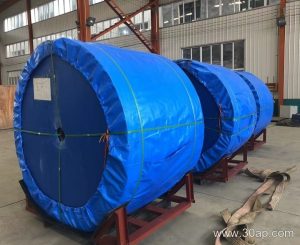
A flame retardant conveyor belt is a rubber or PVC-based belt whose cover compound and construction are designed to resist ignition and limit flame spread along the conveyor line. It is the belt of choice where sparks, hot material, friction heat, or combustible dust create a real fire risk, such as coal handling in a mine, coal-fired power plants, cement kilns, and dusty crushing plants in sand and gravel yards. The accurate equivalent name is fire-resistant conveyor belt; the two terms describe the same product, and both keep the same subtype qualifiers.
Flame resistance does not replace good housekeeping. It buys time, reduces the chance of a belt fire growing, and supports a safer conveyor system when it is correctly matched to the duty.
How the Belt Is Built
The construction follows normal fabric or steel-cord belt logic, with flame retardant compounds applied where they matter.
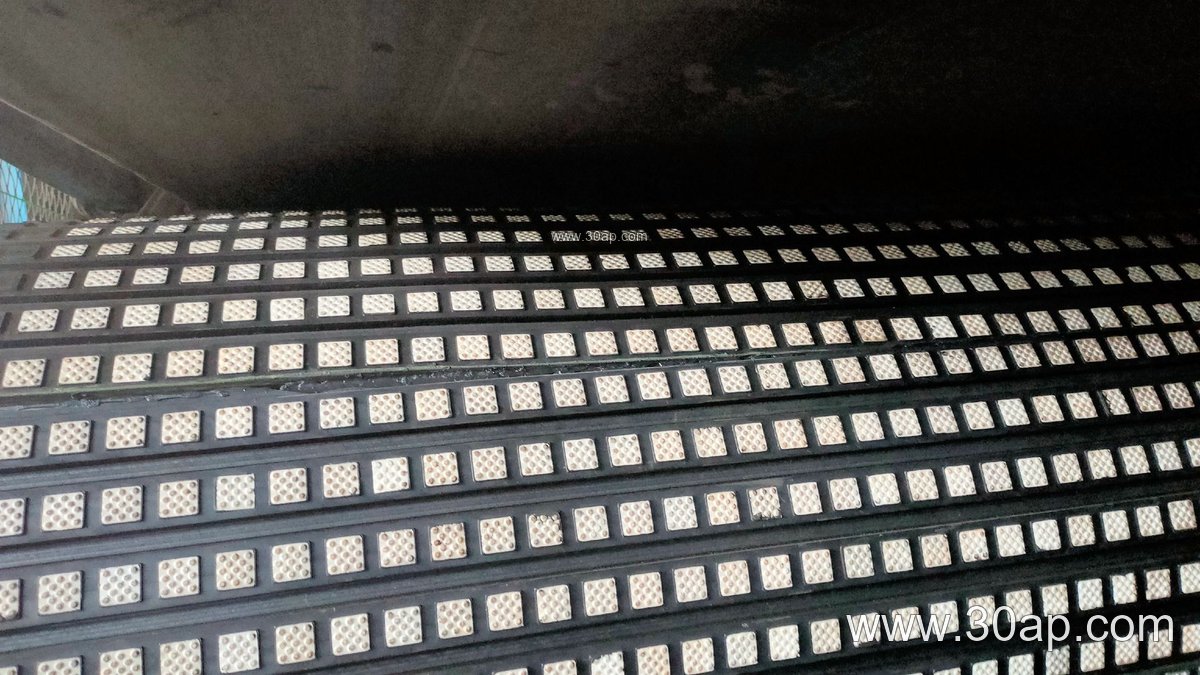
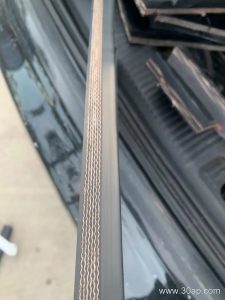
- Carcass: EP fabric, NN nylon fabric, or steel cord, usually 2 to 6 fabric plies depending on tension.
- Cover rubber: flame retardant top and bottom cover, often also antistatic, with thickness such as 3+1.5, 4+2, 5+2, 6+2, or 8+3 mm.
- Edges and splices: cut edges or molded edges, with splice methods chosen to keep flame performance across the joint.
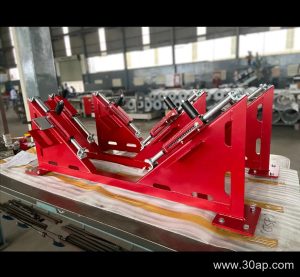
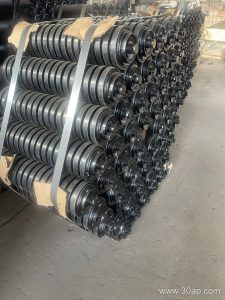
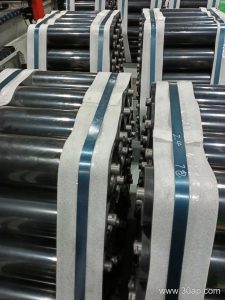
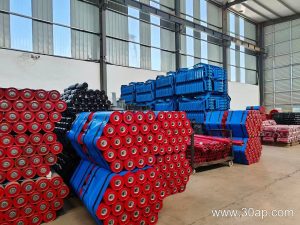
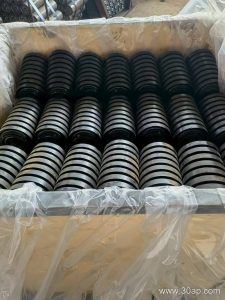
The belt runs over a conveyor pulley at the head, a tail pulley at the load point, and bend pulleys on inclined routes, supported by idler rollers and mounted on conveyor brackets. These parts are not interchangeable, and each affects belt tracking and wear.
Common Specifications
Values below are typical reference data, not fixed supply promises; confirm every figure with the belt maker and the conveyor design.
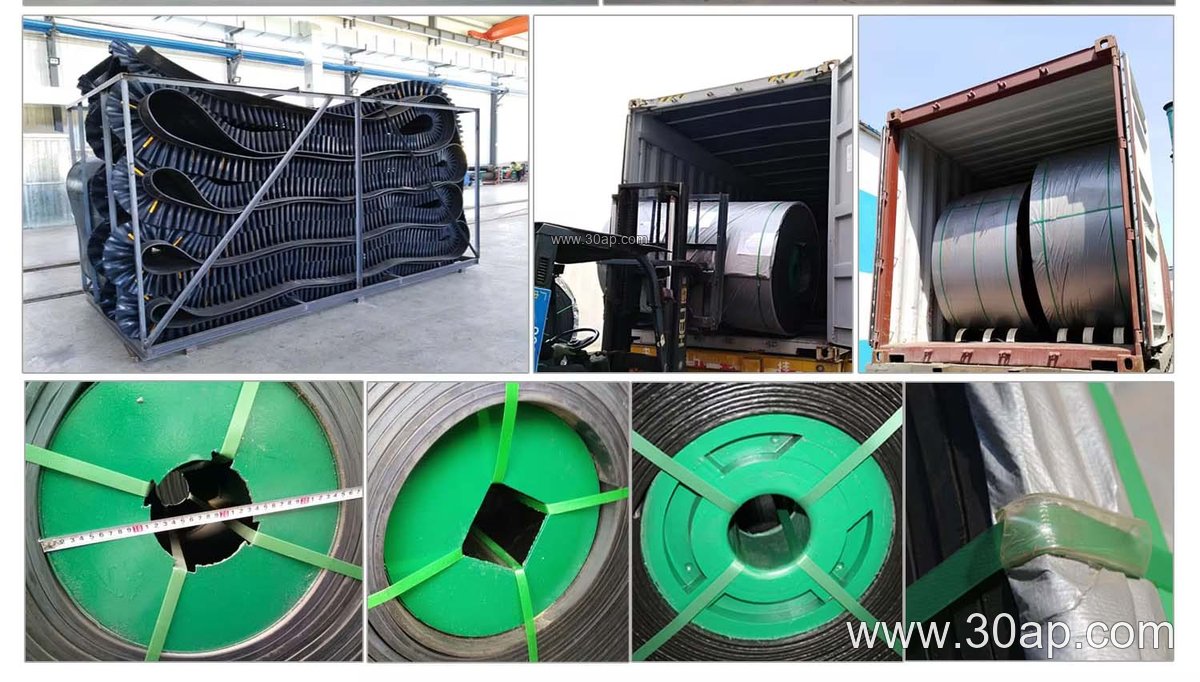
| Parameter | Common options |
|---|---|
| Belt type | EP, NN nylon, steel cord, PVC, PVG |
| Tensile strength | EP200, EP315, EP400, EP500, EP630, EP800, EP1000, EP1250, EP1600, EP2000 |
| Belt width | B500, B650, B800, B1000, B1200, B1400, B1600, B1800, B2000 |
| Cover thickness | 3+1.5, 4+2, 5+2, 6+2, 8+3 mm |
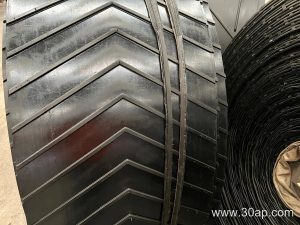
| Surface form | smooth, patterned, chevron, corrugated sidewall |
Other grades such as wear resistant, heat resistant, oil resistant, cold resistant, and acid and alkali resistant can be combined with flame retardancy when the site needs both properties.
Where It Is Used
Typical duty points include raw coal transport in mines, coal yard and boiler feed lines in power plants, clinker and raw meal handling in cement works, and crushed stone lines in sand and gravel plants. In these places the belt often works beside idler rollers that pick up fines, and near a conveyor pulley where slip can generate heat. A flame retardant belt is one layer of protection in that system, together with antistatic behaviour, proper belt speed, and regular cleaning.
Buyer Checklist
- State the material, lump size, temperature, and whether combustible dust is present.
- Confirm the required flame and antistatic performance with the supplier in writing.
- Match belt strength and width to the actual conveyor calculation, not to a catalogue habit.
- Check cover thickness against abrasion and impact, and choose a patterned or chevron surface only if the incline needs it.
- Ask how splices are made and whether the joint keeps the flame rating.
- Review pulley and idler roller condition, since a worn pulley or seized idler can overheat a belt.
Keep the belt clean, align idlers and brackets, and inspect covers for cuts. A fire-resistant conveyor belt performs best when the whole conveyor is maintained as one system.