What a Belt Conveyor Pulley Does on a Conveyor System
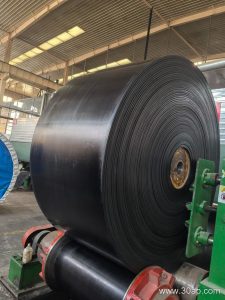
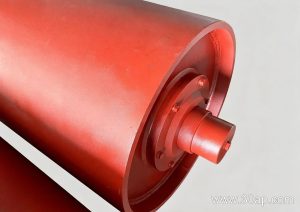
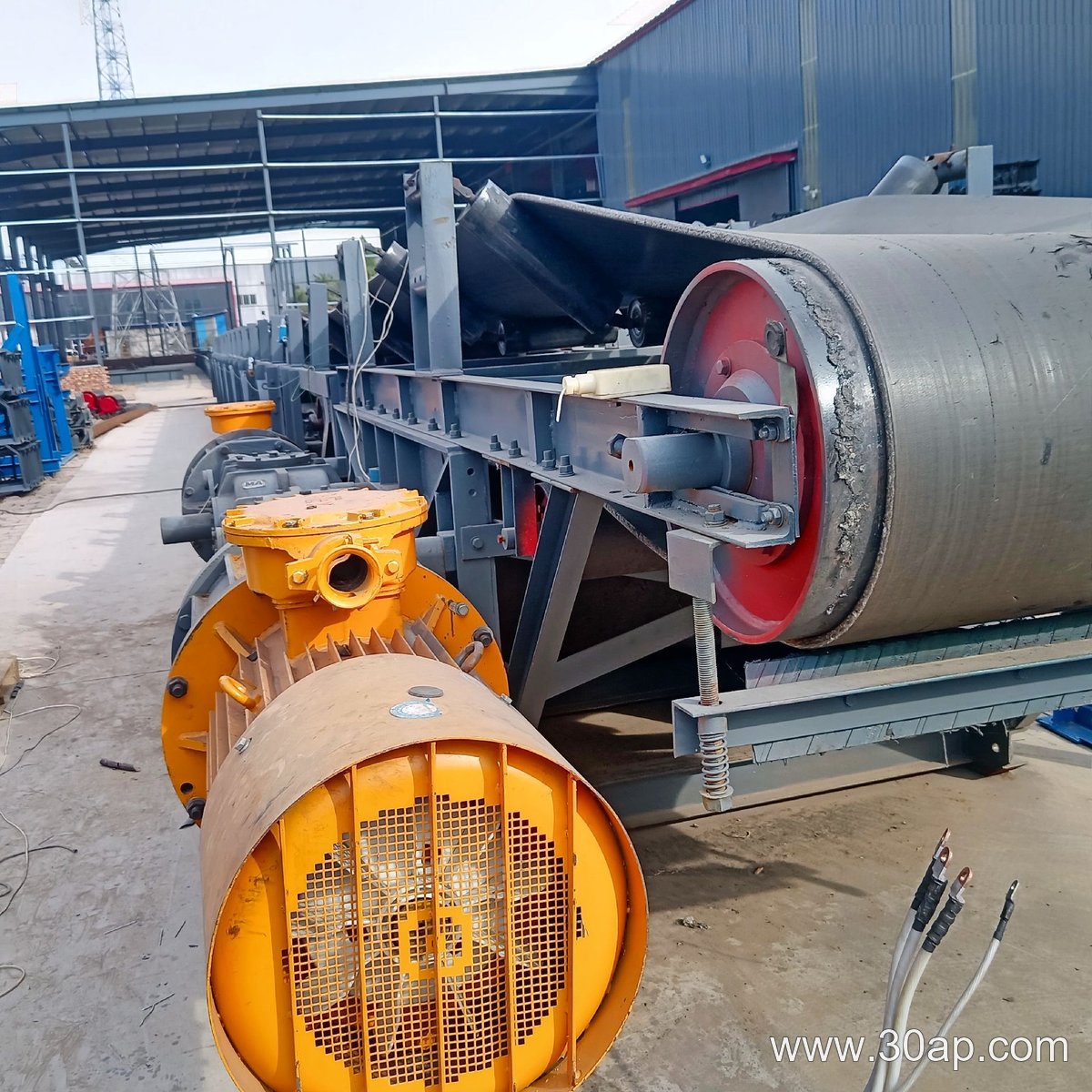
A belt conveyor pulley is the rotating cylindrical assembly that supports and drives the conveyor belt at critical points along the route. In practice, it is often called a conveyor drum or conveyor roller, but the term belt conveyor pulley usually refers to the larger, shaft-mounted unit that carries the belt at the head, tail, or bend sections. Unlike a small idler roller that only supports the belt, a pulley transmits torque, maintains belt tension, or changes the belt direction. In a quarry, cement plant, or coal handling system, choosing the right pulley directly affects belt tracking, belt life, and the overall reliability of the conveying line.
Main Construction Details
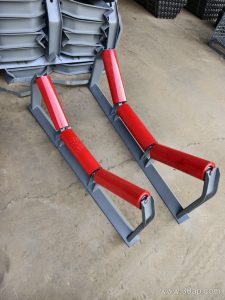
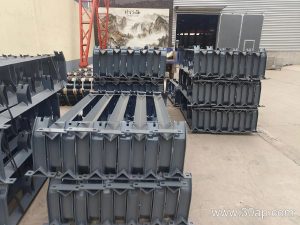
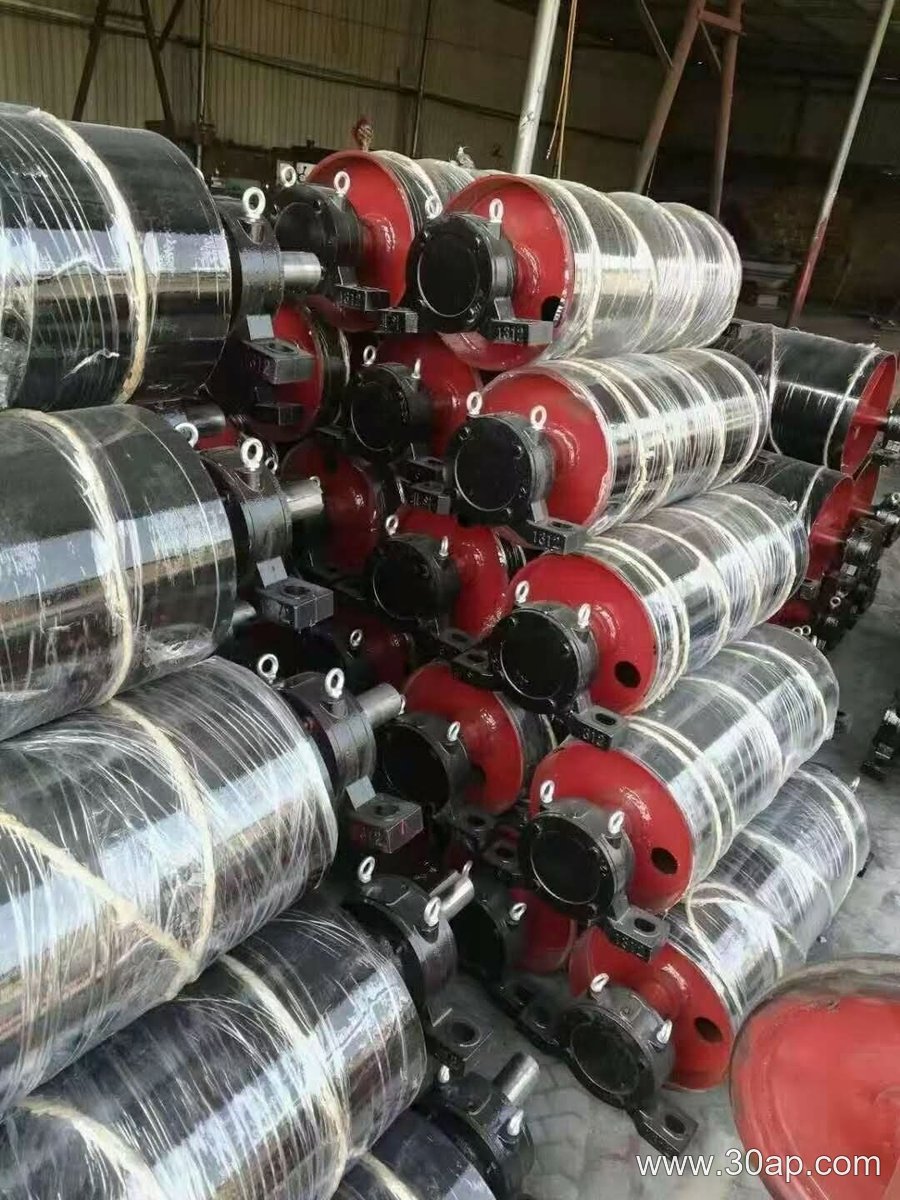
A typical pulley consists of a cylindrical shell, two end discs, a shaft, and a locking assembly or keyed connection. The shell can be seamless steel pipe or fabricated from rolled plate. Surface treatment is an important choice: plain finish, rubber lagging, or ceramic lagging. Rubber lagging may be applied by cold bonding or hot vulcanization, and common patterns include diamond and herringbone. Lagging thickness often falls in the range of 8 mm to 20 mm depending on the application. The shaft diameter is not fixed by belt width alone; it is determined by torque, radial load, and the drive arrangement. Common shaft sizes include Ø50, Ø80, Ø100, Ø120, and Ø160, but these are reference values. A conveyor bracket or bearing housing supports the shaft at each end, and the bracket must align with the pulley centerline to avoid edge loading.
Where It Is Used
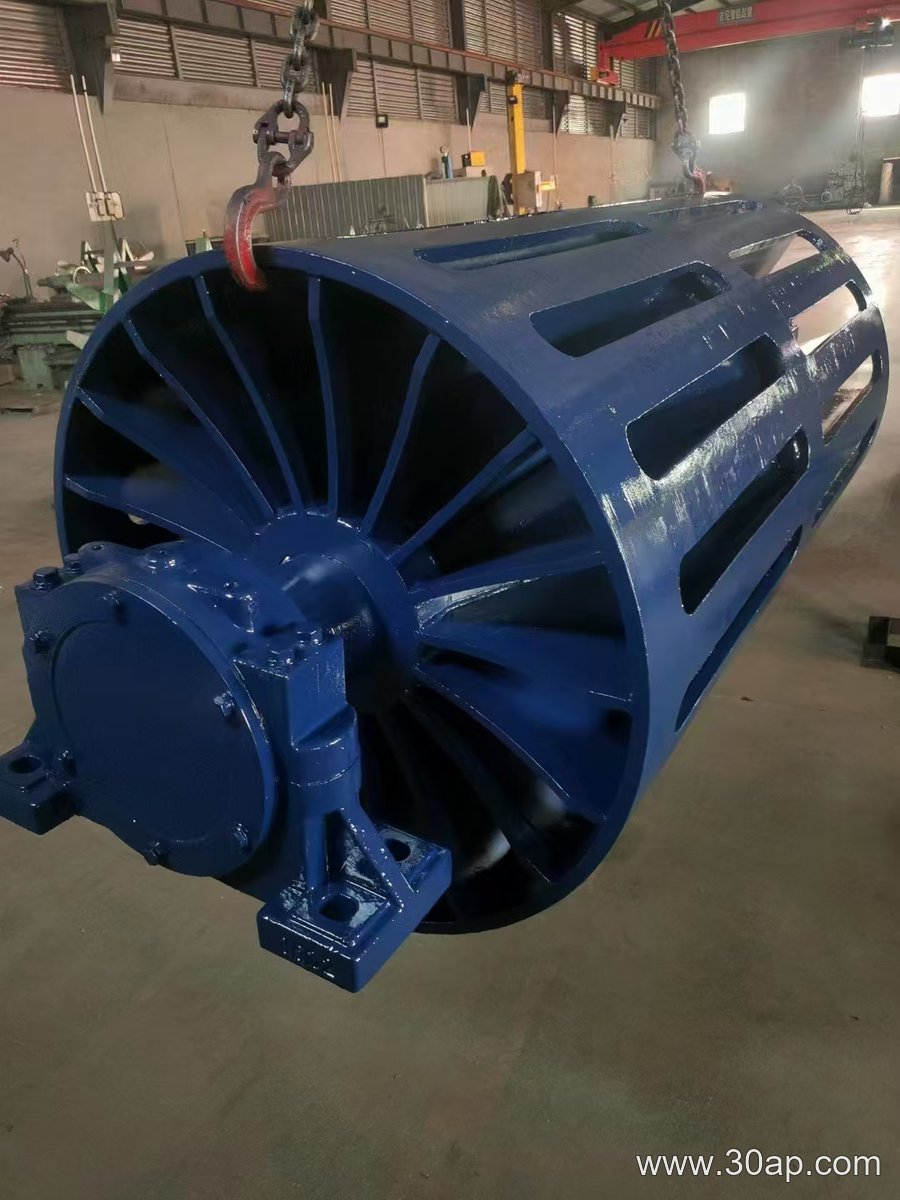
Belt conveyor pulleys appear in many bulk material handling environments. In a sand and gravel plant, a head pulley with rubber lagging drives the belt while a tail pulley keeps tension. In a coal-fired power station, a bend pulley may redirect the belt around a transfer tower. In a cement plant, a wing pulley can be used at the tail position to shed sticky material. Other common locations include iron ore mines, tunnel boring spoil removal, fertilizer granulation lines, and grain silos. The drive pulley, also called the head pulley, is not interchangeable with the tail pulley or a bend pulley because each performs a different function in the conveyor layout.
Common Size and Surface Combinations
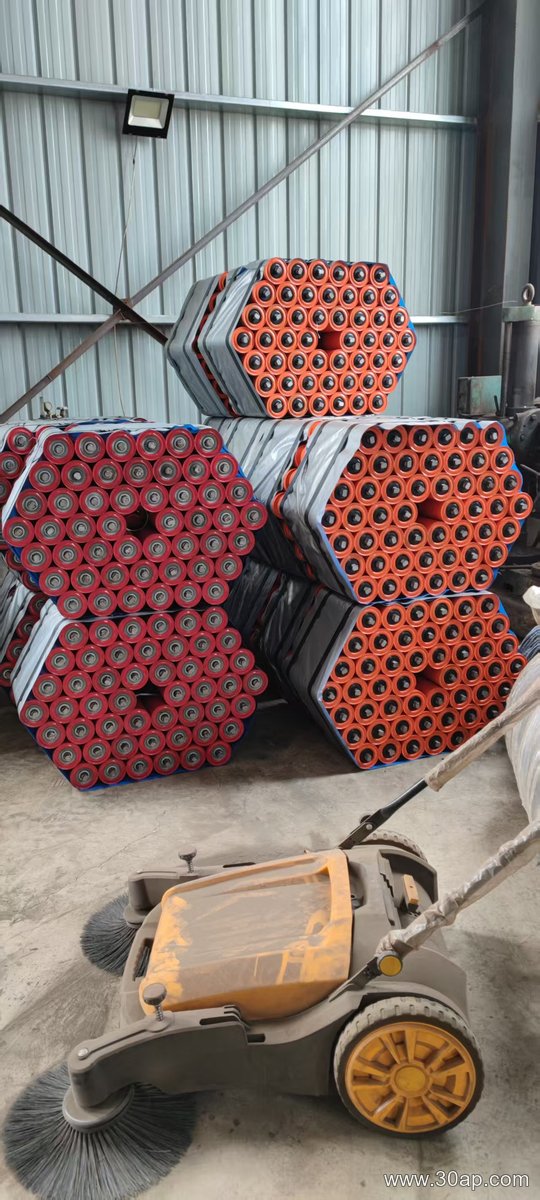
The table below shows reference combinations that appear in industrial projects. These are not mandatory matches; a B1200 belt may use different pulley diameters depending on the duty and available space.
| Belt Width | Typical Pulley Face Width | Reference Pulley Diameter | Common Surface |
|---|---|---|---|
| B500 | About 600 mm | Ø250 to Ø400 | Plain or rubber lagged |
| B800 | About 950 mm | Ø400 to Ø630 | Diamond rubber lagging |
| B1000 | About 1150 mm | Ø500 to Ø800 | Herringbone or ceramic lagging |
| B1200 | About 1400 mm | Ø630 to Ø1000 | Hot vulcanized rubber |
| B1400 | About 1600 mm | Ø800 to Ø1250 | Ceramic or diamond lagging |
When selecting a pulley, consider the belt speed, the ambient conditions, and the material being carried. Abrasive materials such as iron ore or clinker may call for thicker lagging, while food or fertilizer applications may require a smooth, cleanable surface. The pulley face width is usually greater than the belt width to allow for belt misalignment, but the exact value should come from the conveyor design.
What a Buyer Should Check Before Ordering
- Confirm the pulley function: drive, tail, bend, take-up, or snub. These are not interchangeable names.
- Provide the belt width, belt speed, and maximum tension so the manufacturer can calculate shaft diameter and bearing size.
- Specify the lagging type and thickness if extra grip or wear protection is needed.
- Check the shaft end configuration, keyway, and locking assembly dimensions against the drive or bearing housing.
- Ask for the balancing grade if the pulley will run at high speed.
- Verify that the conveyor bracket or bearing support matches the pulley shaft diameter and center height.
Maintenance is also part of the selection. A pulley with worn lagging can cause belt slip, while a misaligned bend pulley can lead to edge damage. Regular inspection of the lagging, shaft, and bearing condition helps avoid unplanned downtime. In dusty environments such as a coal yard or a limestone crushing circuit, keep the pulley surface clean and check that the belt cleaner does not damage the lagging.
Final Practical Notes
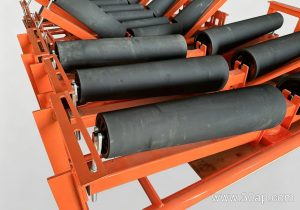
No single pulley size fits every conveyor. The right belt conveyor pulley depends on the conveyor profile, the material, the drive power, and the available space. Use the reference dimensions as a starting point, then work with a qualified engineer to finalize the shell diameter, shaft size, lagging pattern, and bearing arrangement. A well-matched pulley, together with proper idler roller spacing and a stable conveyor bracket, keeps the belt running straight and extends the service life of the entire system.