Precision Shaping and Cutting of the Conveyor Bracket Blank
A common misconception is that a conveyor bracket achieves its structural strength entirely from its final surface treatment. In reality, the mechanical reliability of a conveyor bracket begins at the raw material cutting and shaping stage. When fabricating components destined for a wet outdoor conveyor, heavy steel plates must be precision-cut using laser or plasma systems to eliminate thermal distortion and micro-fractures along the edges.
Thermal cutting parameters directly influence edge hardness. If cutting speeds are set incorrectly, localized rapid cooling creates brittle martensite zones at the cut perimeter. During subsequent handling, these hardened edges can act as stress concentrators. Reputable fabrication facilities apply controlled preheating and post-cutting deburring to ensure that the base geometry of every conveyor bracket remains uniform, providing a stable foundation for structural welding and load distribution under continuous belt tension.
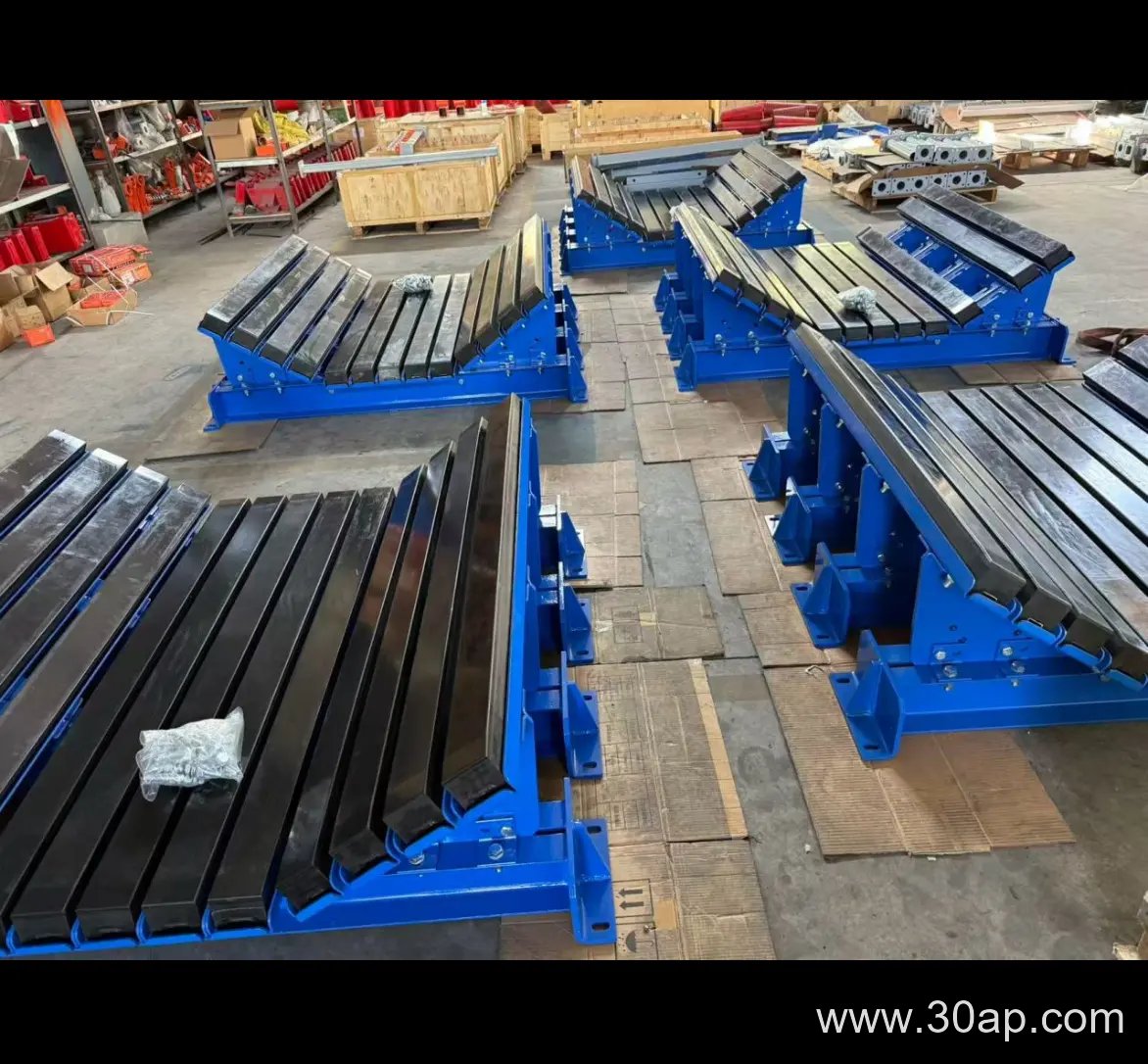
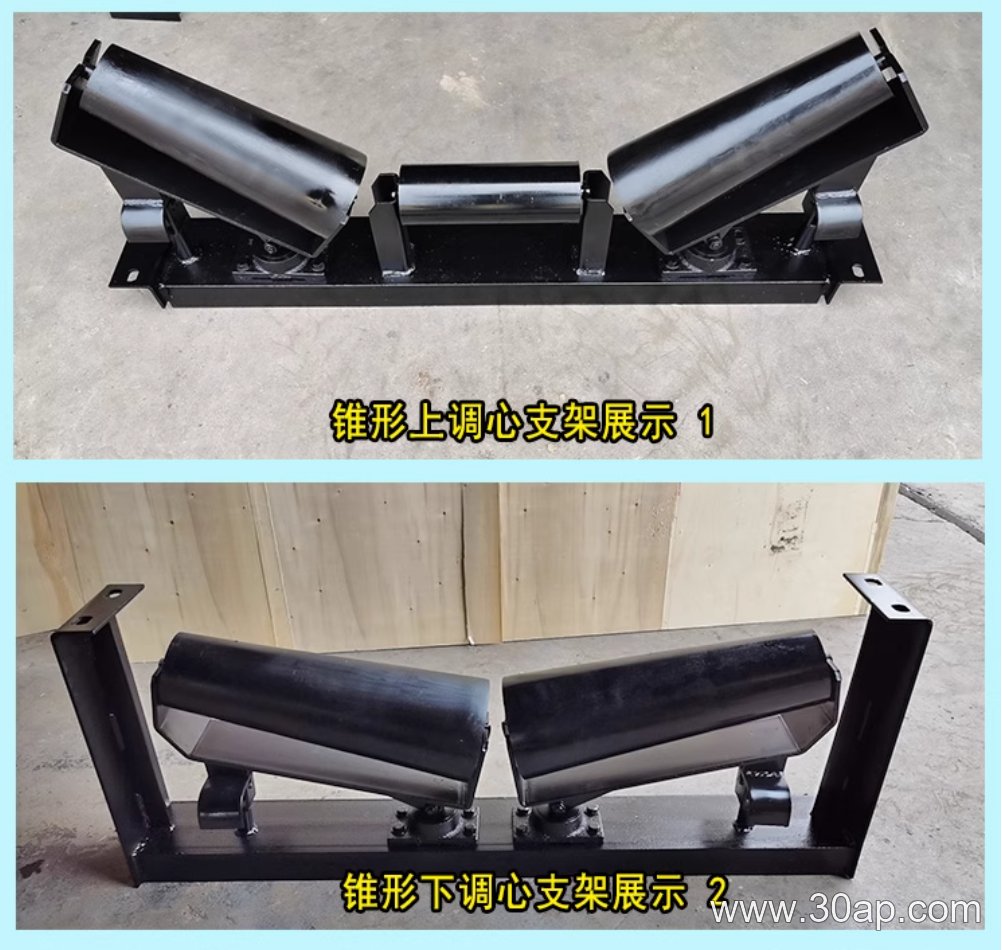
Weld Integrity and Joint Preparation
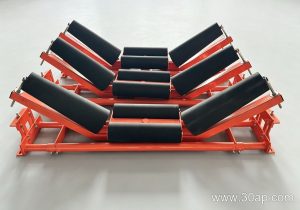
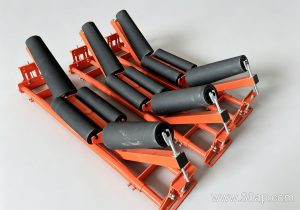
Once individual steel sections are cut and formed, the assembly phase relies heavily on controlled welding procedures. A conveyor bracket typically features multiple gussets and mounting flanges welded together to resist twisting moments. Proper beveling of plate joints ensures full penetration welds rather than superficial surface fillets. In outdoor environments subject to constant rain and humidity, incomplete root penetration creates hidden crevices where moisture ingress triggers accelerated crevice corrosion.
Automated or semi-automated gas metal arc welding (GMAW) maintains consistent heat input, minimizing metallurgical degradation in the heat-affected zone. Welders must manage interpass temperatures carefully to prevent grain growth and embrittlement. A soundly welded conveyor bracket withstands millions of dynamic load cycles without suffering premature fatigue cracking at the critical junction between the mounting base and the supporting arm.
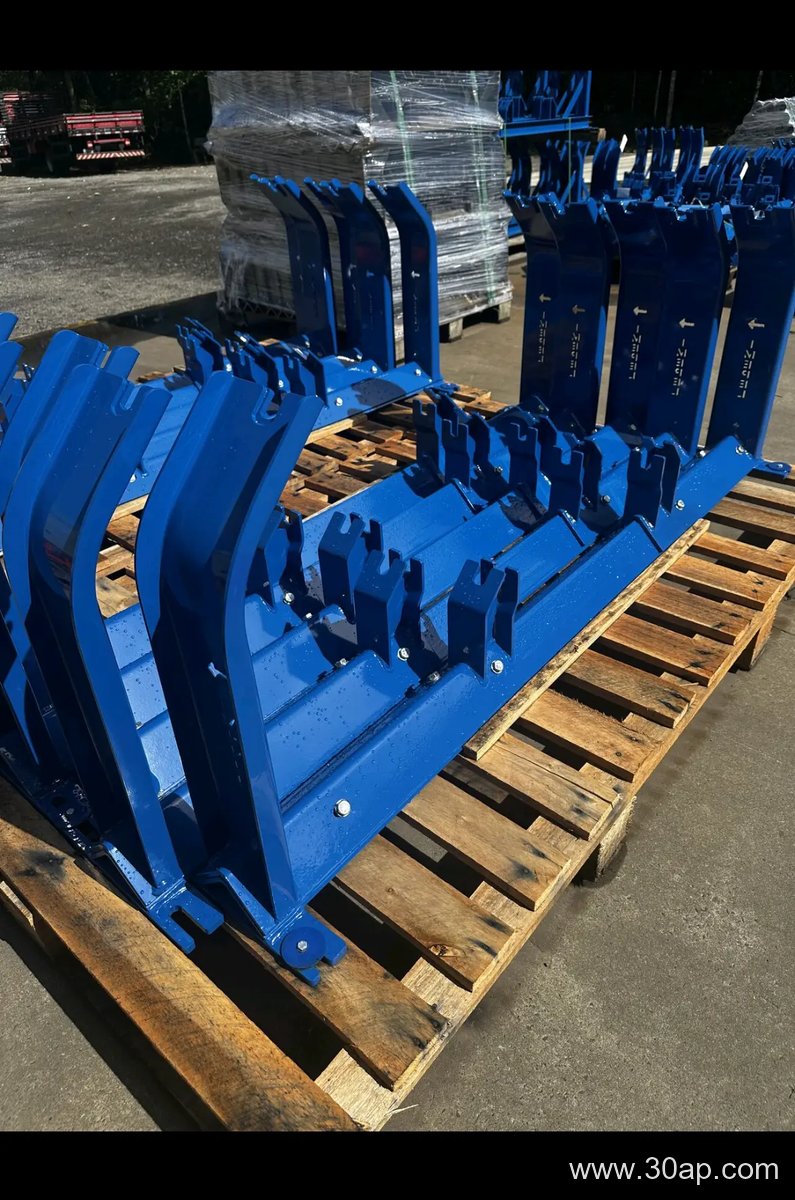
Surface Preparation and Protective Coating Application
The final manufacturing stage involves corrosion protection, which is vital for any conveyor bracket exposed to wet outdoor conditions. Before any coating is applied, abrasive blast cleaning removes mill scale, rust, and surface oils to achieve a near-white metal finish with an optimal anchor profile. This mechanical roughening ensures maximum mechanical bonding between the steel substrate and the protective barrier.
- Hot-dip galvanizing provides sacrificial anodic protection, alloying zinc with the underlying steel to seal micro-cracks.
- Epoxy or polyurethane powder coatings offer chemical and abrasion resistance against wet slurry or corrosive washdown agents.
- Dry-film thickness gauges are used during quality control checks to verify that coating layers meet specified minimum mil thicknesses uniformly across all complex angles.
By controlling each production phase from raw plate cutting to final coating inspection, manufacturers deliver a robust conveyor bracket capable of maintaining structural alignment and operational safety in harsh, moisture-laden environments.