Navigating Conveyor Bracket Choices for Severe Environments
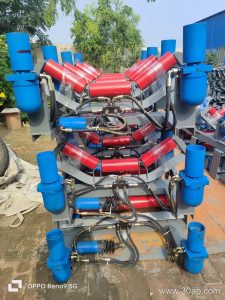
Selecting a conveyor bracket requires a systematic evaluation of material resilience, operating speed limits, ambient temperature ranges, and harsh environmental conditions. In a dusty quarry, airborne silica and heavy impact loads demand robust steel grades and reinforced gussets to prevent premature fatigue failure.
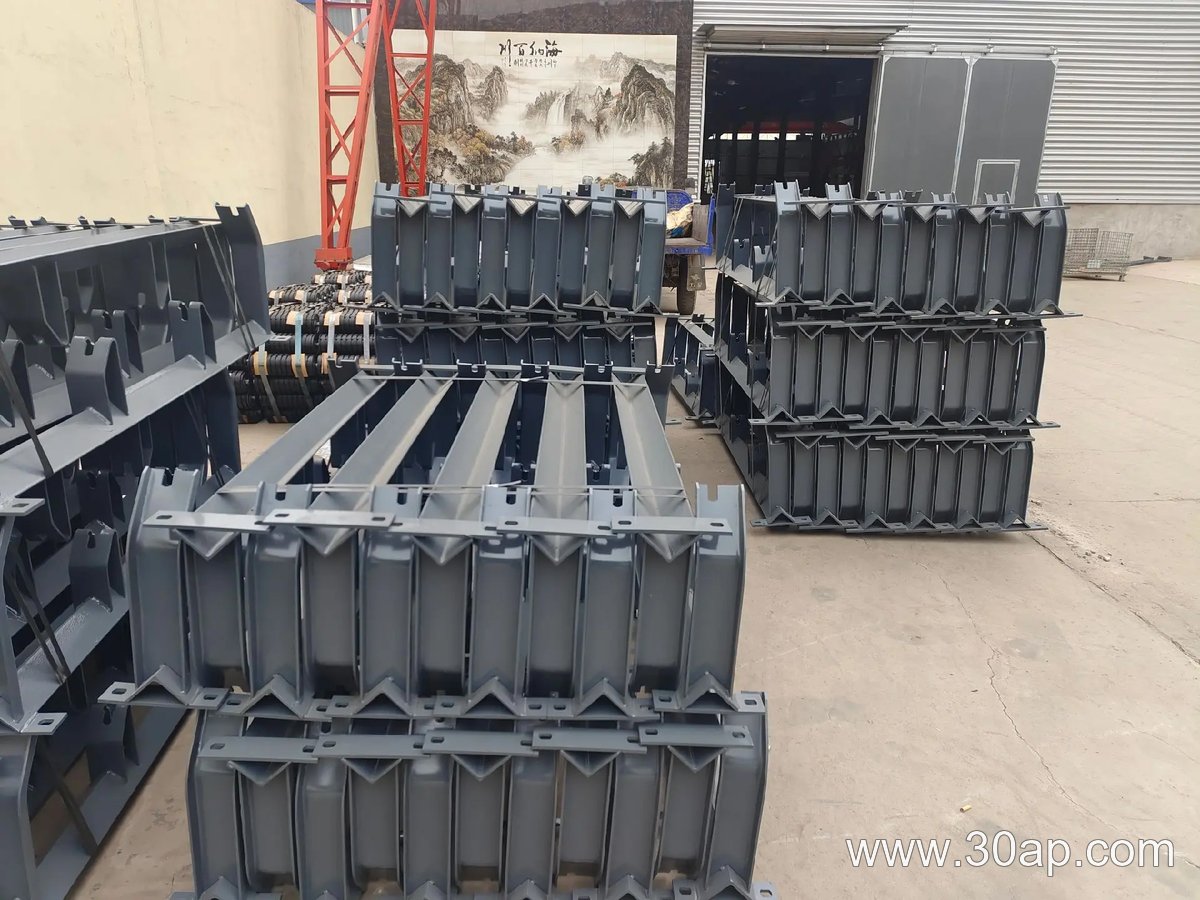
- Assess material composition against abrasion and corrosion risks.
- Match structural rigidity to belt speed and load frequency.
- Account for thermal expansion in high-temperature zones.
Overcoming Slippage on a Port Terminal Conveyor Belt
Heavy coastal rain quickly saturates open-air bulk handling systems, turning iron ore and coal dust into a lubricating slurry. When moisture reaches the drive pulley, a standard conveyor belt loses traction and slips, stalling material transfer off the ship loaders.
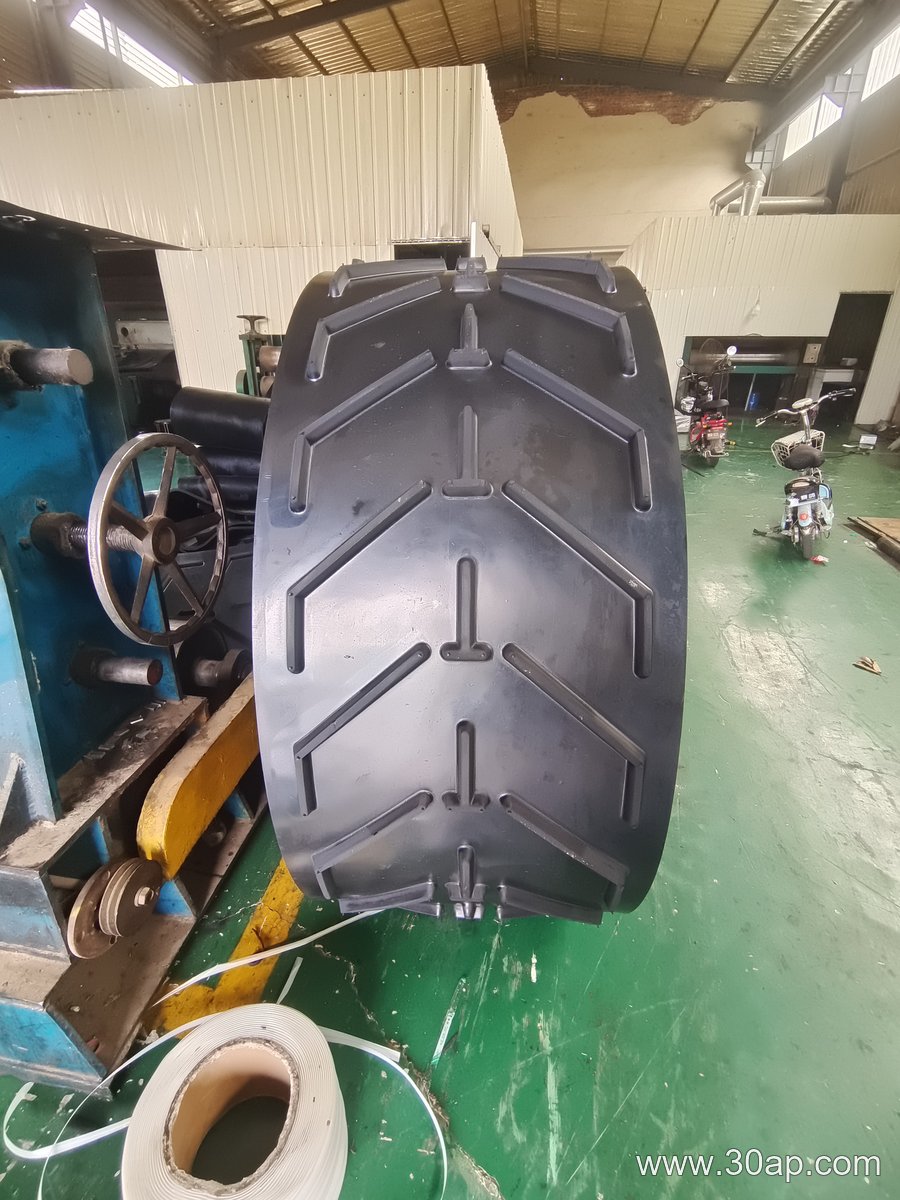
Integrating a High-Friction Port Solution
To eliminate slip in wet conditions, port engineers implement specific integration steps:
- Install diamond-grooved rubber lagging on the drive pulley to channel water away from the contact patch.
- Upgrade to an EP1000 1200mm conveyor belt featuring a high-friction patterned top cover for enhanced grip.
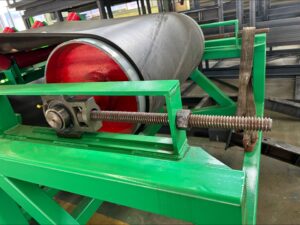
- Adjust gravity take-up weights to maintain correct carcass tension despite thermal and moisture expansion.
Understanding Radial Play in a Cement Plant Idler Roller
In a cement plant raw-mill feed conveyor, an idler roller carries heavy loads under continuous vibration. A critical technical designation in its bearing specification is radial play, defined as the internal clearance between the rolling elements and the raceways before operation.
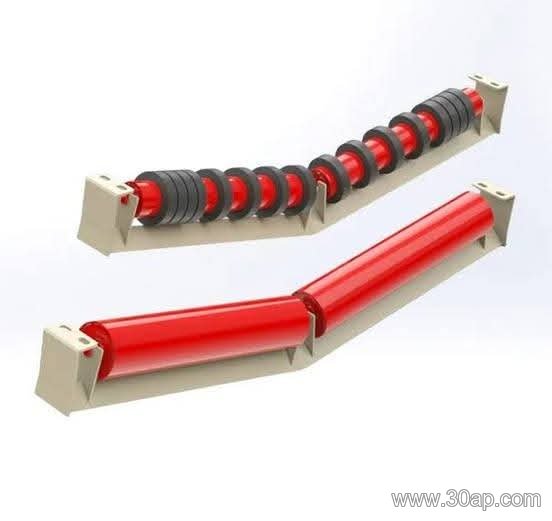
How Radial Play Affects Engineering Decisions
Engineers must specify internal clearance classes carefully. If the radial play is too tight, thermal expansion from heavy friction causes the rolling elements to bind, destroying the idler roller prematurely. Conversely, excessive clearance increases impact shock during clinker loading, raising vibration levels. Selecting the correct clearance ensures stable load distribution across the rotating assembly.
- Evaluate operating temperature swings before fixing clearance classes.
- Match radial play grades to expected shaft deflection values.
Abrasion Mechanisms on a Dusty Quarry Conveyor Pulley
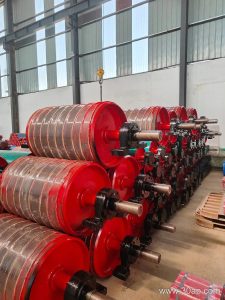
In a dusty quarry, hard mineral particles constantly bombard the rotating components of the system. A conveyor pulley experiences severe surface wear wherever fugitive grit migrates between the belt underside and the steel shell or lagging. Without adequate abrasion resistance, the outer diameter rapidly thins, causing balance issues and structural failure.
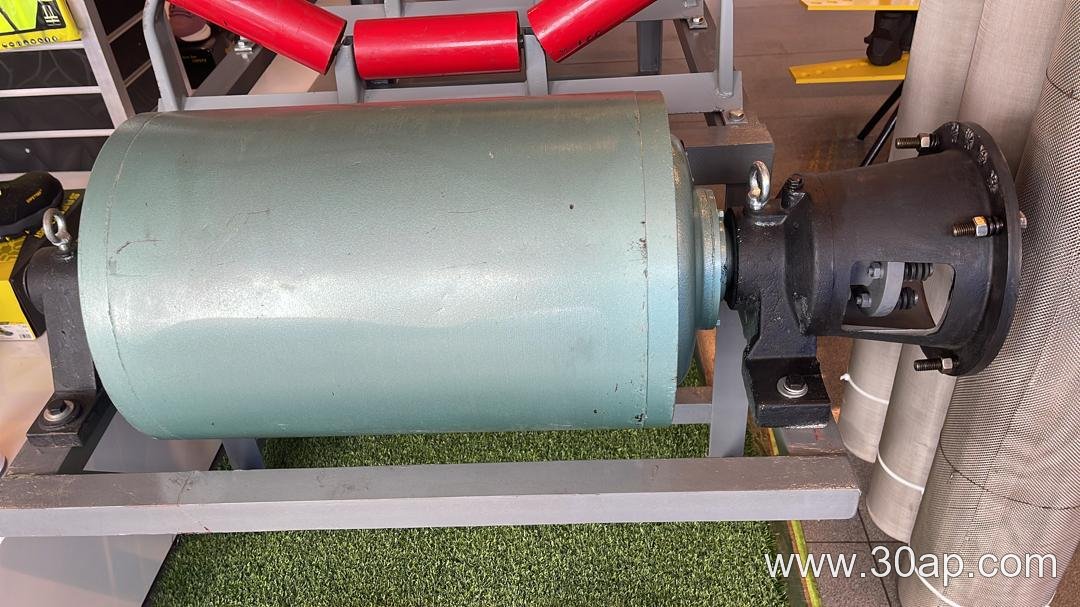
Protecting the Shell With High-Grade Lagging
Engineers combat this abrasive wear by applying specialized ceramic or vulcanized rubber lagging to the conveyor pulley face. These protective covers absorb the grinding impact of stone dust, extend maintenance intervals, and preserve reliable traction under heavy loads.