What a Carrying Trough Idler Does
A carrying trough idler is the rotating assembly that supports the loaded run of a conveyor belt and shapes it into a trough. On a typical belt conveyor, these idlers sit under the belt on the carrying side, spaced along the frame, and they hold the belt up while material rides on top. Because the belt is formed into a curve rather than lying flat, the load stays centered and the belt can move more material without spilling over the edges.
The same component is often called a troughing idler or trough roller. These names describe the same product, not different equipment. Drive pulleys, tail pulleys, and bend pulleys are separate parts of the conveyor and are not interchangeable with a carrying trough idler.
How the Assembly Is Built
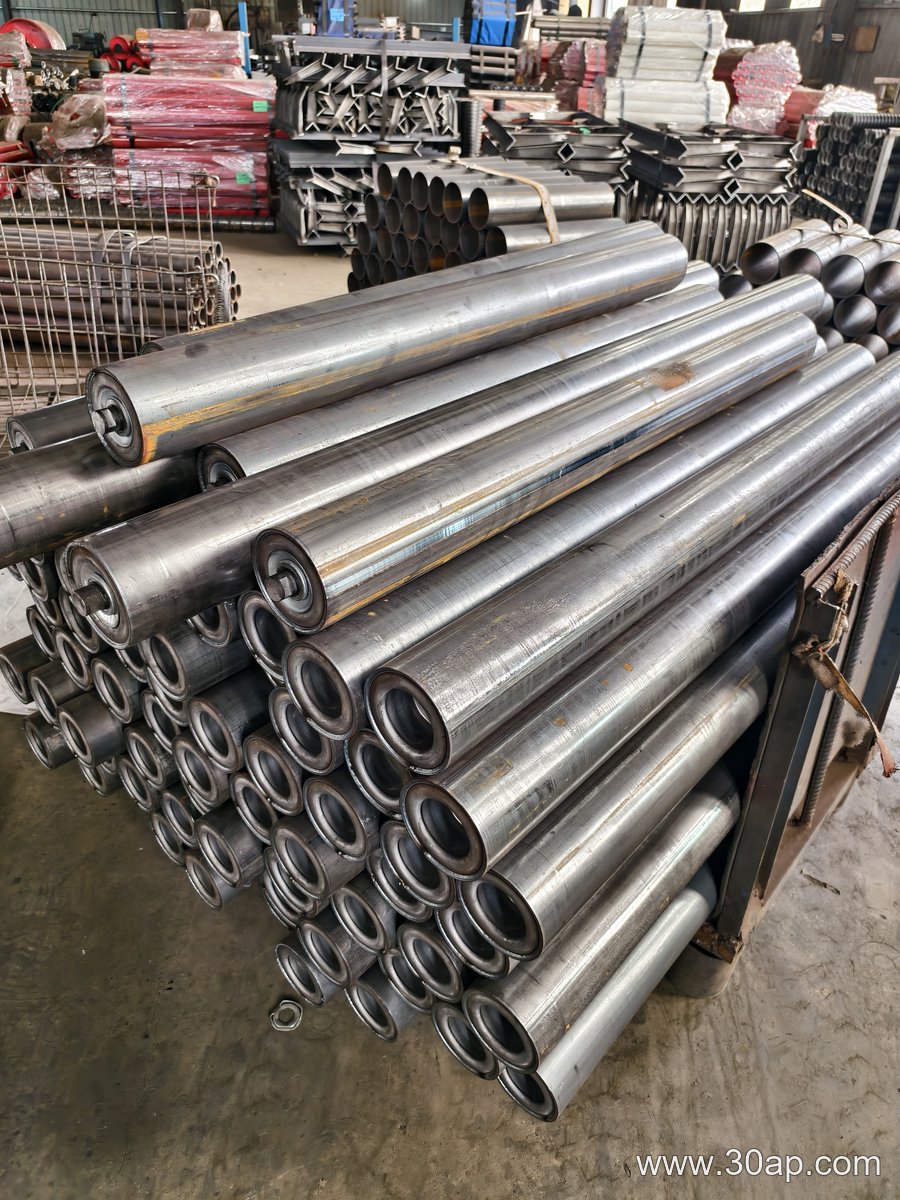
A troughing station usually consists of two or three rolls mounted in a frame. Single-roll, two-roll, and three-roll arrangements are common, with the three-roll form being the most familiar on wider belts. The rolls are held in brackets or a conveyor bracket assembly that fixes the trough angle. A shell, shaft, bearing housing, and sealing arrangement make up each roll.
Roll surfaces may be steel tube, nylon, ceramic, or rubber rings, depending on the duty. Bearings such as 6204, 6205, 6305, 6306, 6308, or 6310 are used in different roll sizes, but a given bearing is not tied to one shell diameter. Sealing matters because fine dust and moisture shorten bearing life, especially in gritty or wet conditions.
Trough Angle and Belt Width
The trough angle is the angle formed by the side rolls relative to the center roll. Common angles include 20, 30, 35, and 45 degrees. A steeper angle gives a deeper trough and can help contain a heavier load, while a shallower angle suits flatter belts or materials that should not be compressed. The right choice depends on belt width, material characteristics, and the conveyor profile, so no single angle fits every line.
Roll length changes with belt width and trough form. For example, a three-roll troughing set on a B500 belt often uses a roll length near 200 mm, while B800 may use about 315 mm and B1200 about 465 mm. Center and side rolls can differ in length. These figures are common examples, not fixed pairings, and final dimensions are set by the conveyor design.
Where It Fits on the Conveyor
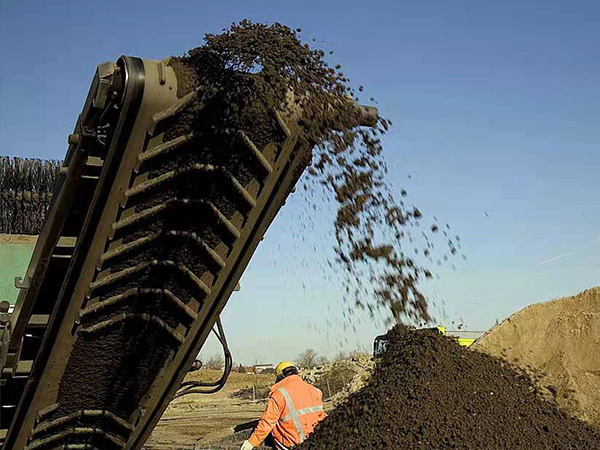
Carrying trough idlers are used on the loaded section of a belt conveyor. In a quarry or sand and gravel line, they support crushed stone after the crusher and before the transfer point. In a coal handling plant or power station coal feed, they keep the belt in a stable trough as fuel moves to the boiler or stockpile.
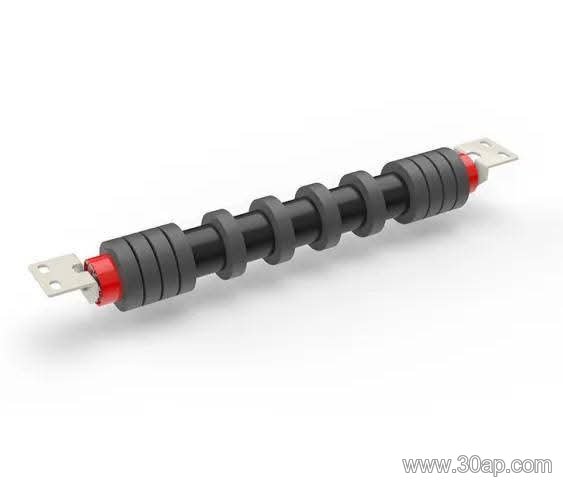
They are not the same as return idlers, which support the empty side of the belt. A flat return roller or V-shaped return idler may be used on the return strand, and impact idlers with rubber rings may be placed under a loading chute. Those are different roles, even though they may share similar shells and bearings.
What Buyers Should Check
- Belt width and trough angle, since these set the roll length and frame geometry.
- Roll diameter and shaft size, which should follow the conveyor design rather than a guessed rule.
- Bearing and seal type for the site conditions, such as dust, moisture, or fine abrasive material.
- Roll surface, because steel, nylon, ceramic, or rubber rings behave differently under impact and wear.
- Spacing along the carrying run, which affects belt sag and load support.
A buyer should also confirm whether the frame is a single roll, two roll, or three roll type and how it mounts to the conveyor bracket. Asking for a drawing or dimensional check avoids a mismatch between the idler and the existing structure.
Maintenance and Selection Notes
Once installed, a carrying trough idler should turn freely and sit square to the belt path. Misalignment, a seized bearing, or a damaged shell can wear the belt edge and cause tracking problems. Replacing a failed roll before it damages the conveyor belt is usually cheaper than repairing the belt itself.
Selection should match the application rather than a one-size-fits-all rule. A conveyor moving grain may need a different sealing and surface choice than one moving wet sand or sinter. The goal is a troughing idler that supports the load, keeps the belt centered, and runs smoothly for the expected service life.