Choosing Between Steel Troughing and Rubber Impact Subtypes for Clinker Transport
When engineering a clinker transport line inside a cement plant, selecting the correct idler roller subtype dictates maintenance intervals and belt longevity. Two primary variants govern this decision: the standard steel troughing subtype and the rubber-disc impact subtype. Each serves a distinct mechanical purpose along the conveyor stringer, balancing wear resistance against shock absorption under high-tonnage conditions.
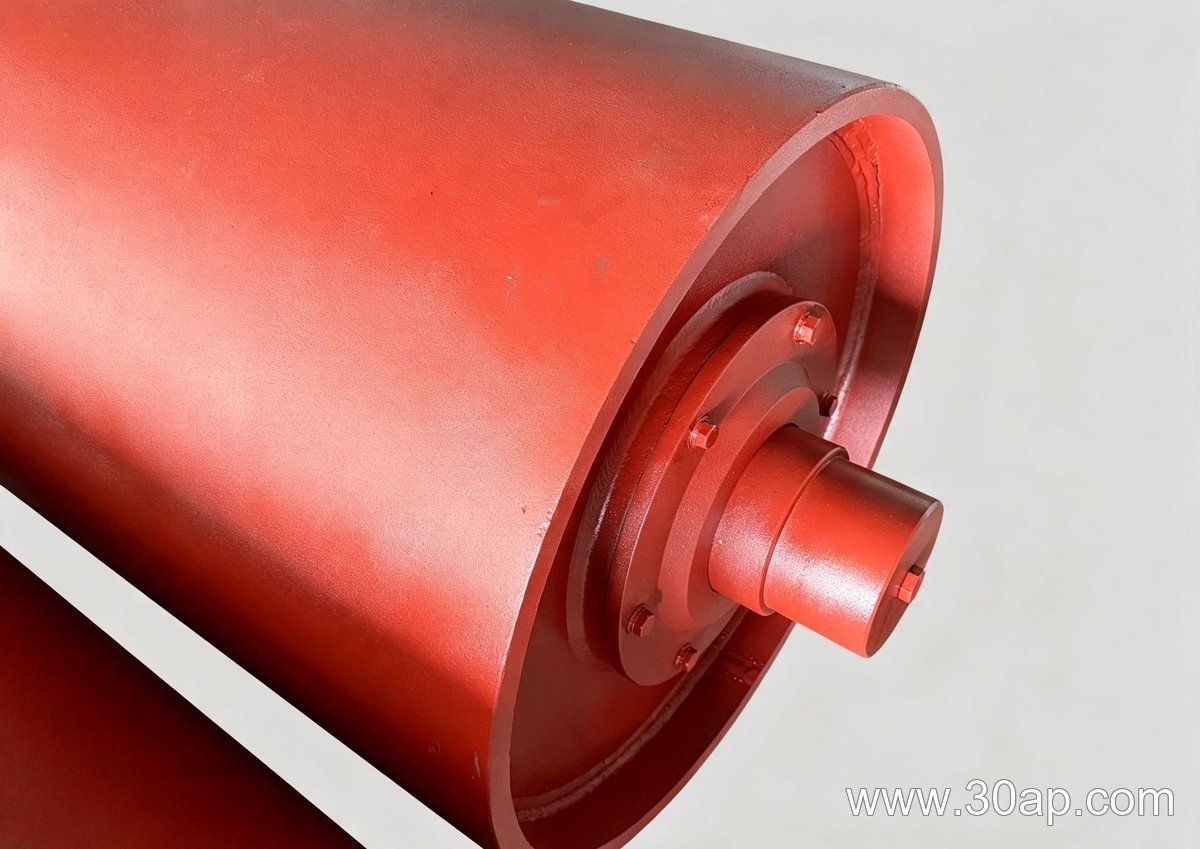
Steel Troughing Subtypes in Continuous High-Load Zones
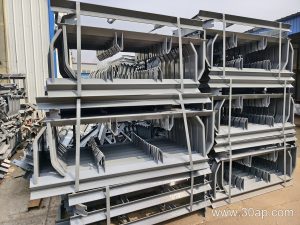
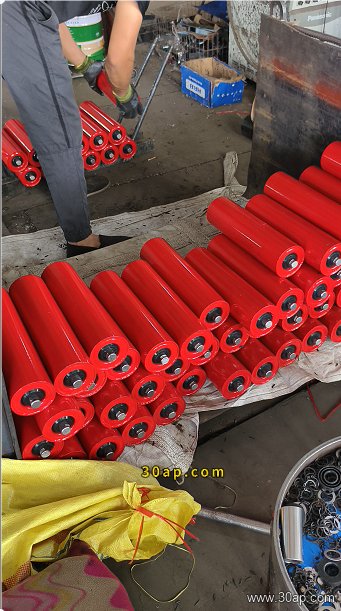
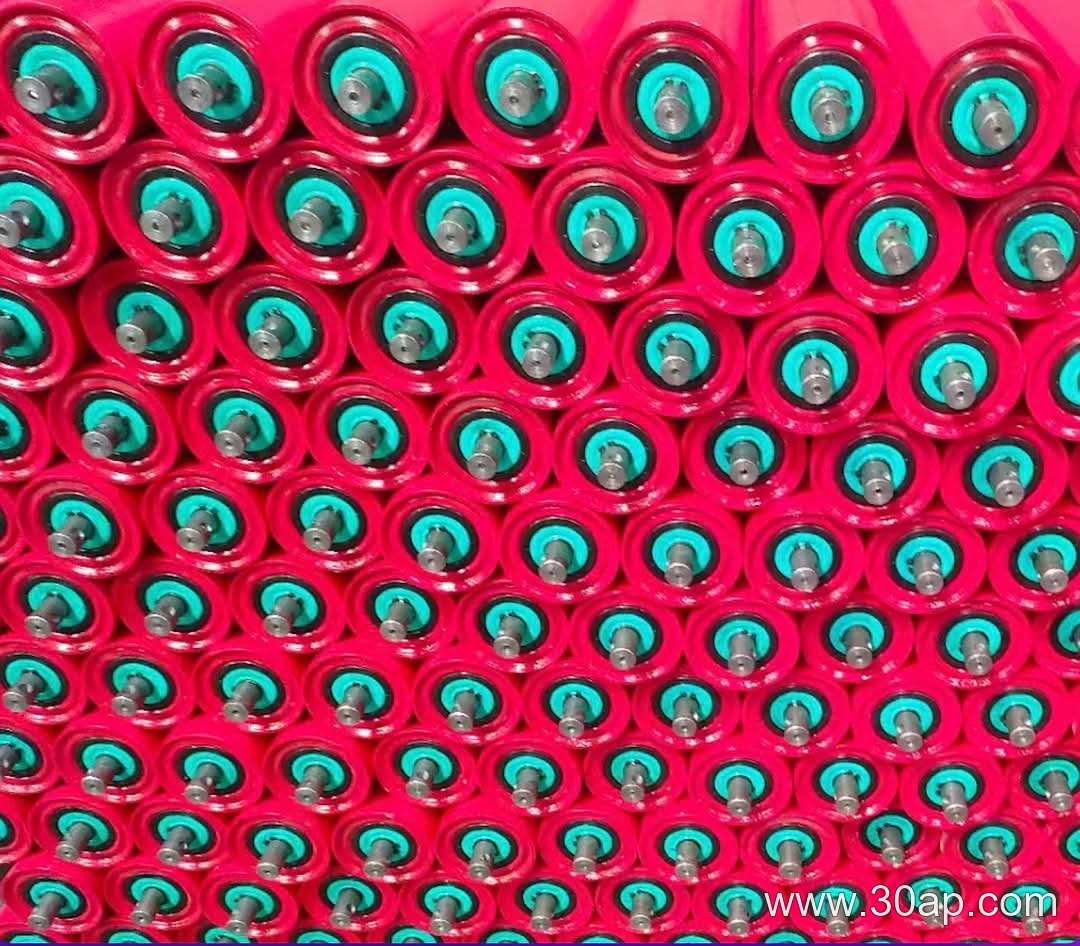
The standard steel troughing idler roller relies on a precision-machined carbon steel shell rotating on deep-groove ball or tapered roller bearings. Its smooth, rigid surface handles continuous running loads with minimal rotational friction, making it the preferred choice for long, straight carrying runs where clinker temperature and abrasion are the primary concerns.
Key benefits and limitations of the steel troughing subtype include:
- High structural rigidity under heavy bulk material loads.
- Exceptional resistance to abrasive wear from coarse clinker surfaces.
- Vulnerability to impact shock when heavy lumps drop directly onto the belt.
- Higher noise emission levels during high-speed operation.
Rubber Impact Subtypes for Heavy Drop Zones
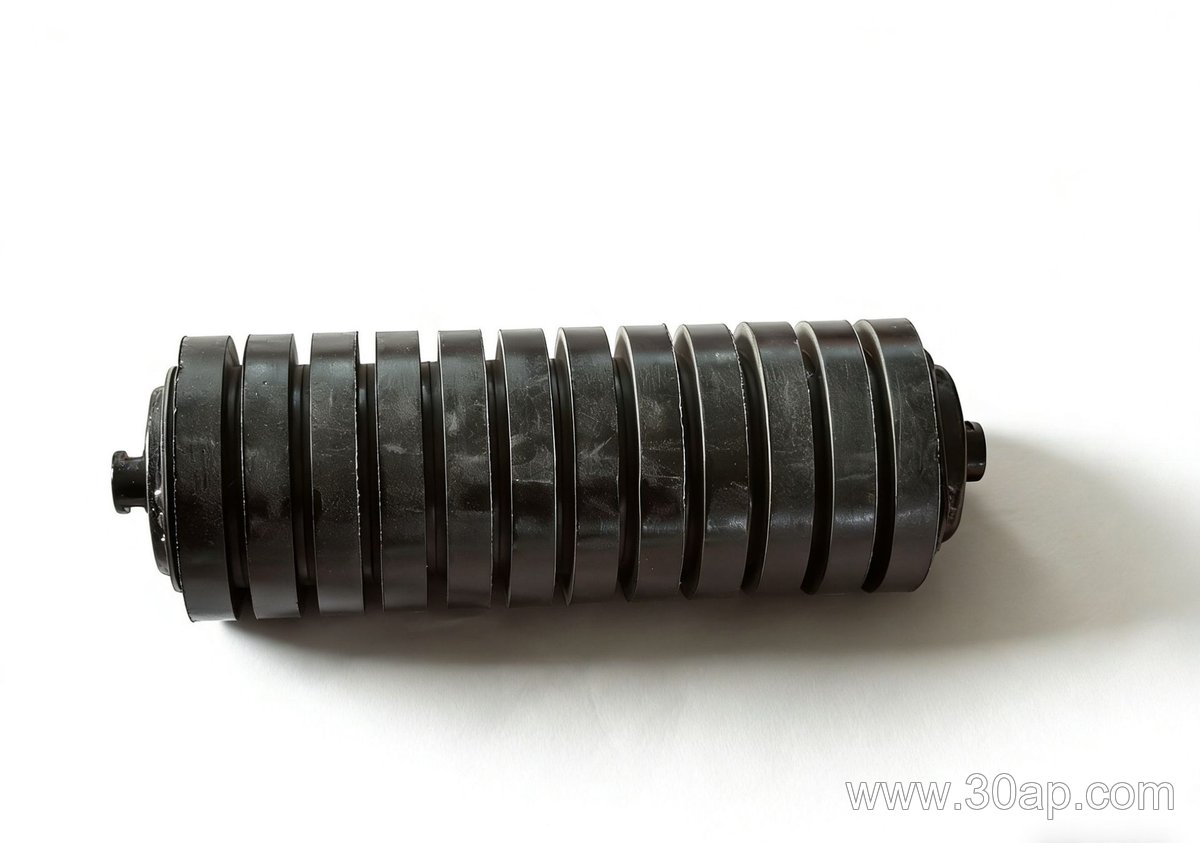
Positioned directly beneath loading points and transfer chutes, the rubber-disc impact idler roller features resilient elastomeric rings mounted along the steel barrel. These rubber cushions compress momentarily when heavy, jagged clinker lumps strike the belt, dissipating kinetic energy before it can fracture the carcass or distort the frame.
Key advantages and operating constraints involve:
- Effective shock absorption that protects both belt and structural supports.
- Lower operational noise compared to solid steel configurations.
- Susceptibility to accelerated rubber degradation if exposed to oils or extreme heat.
- Potential for material buildup between closely spaced rubber rings in wet conditions.
Matching the Subtype to Cement Plant Operating Conditions
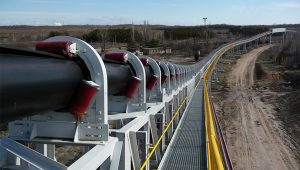
Plant engineers must evaluate specific conveyor zones rather than applying a single subtype uniformly. At the primary crusher discharge and transfer points where heavy, jagged material impacts the belt, the rubber impact subtype is essential to prevent structural damage. Once the clinker settles into a steady stream along inclined or gallery conveyors, transitioning to the steel troughing subtype ensures smooth, energy-efficient transport over long distances.