What the EP1250 1800mm Conveyor Belt Actually Is
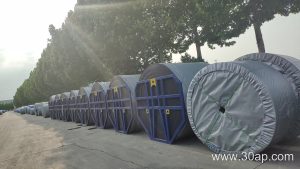
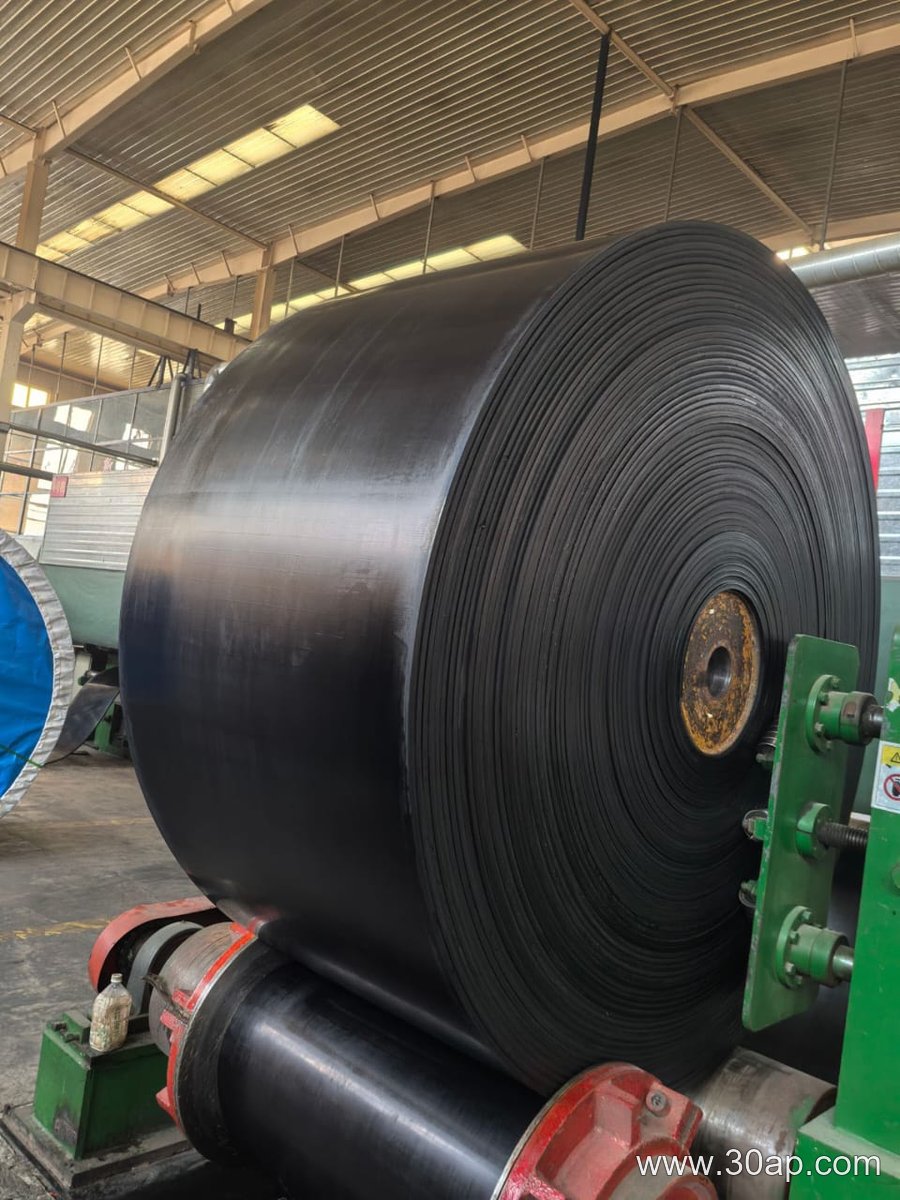
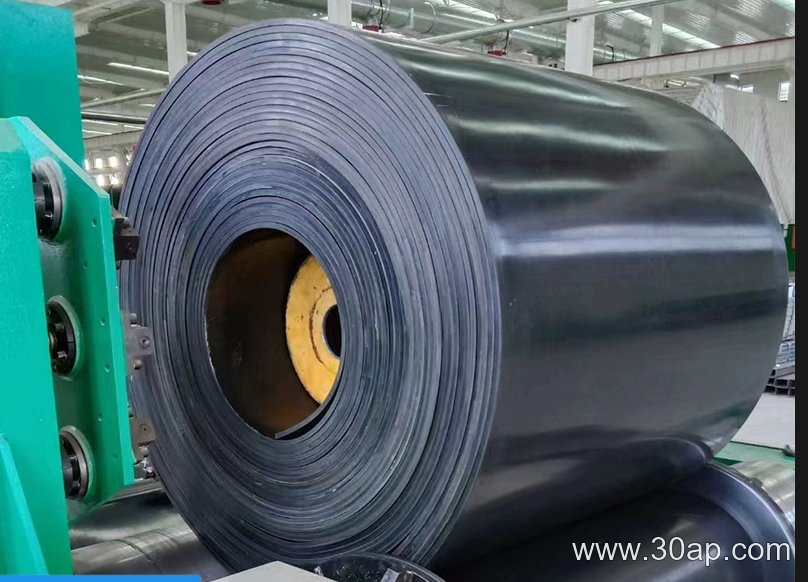
An EP1250 1800mm conveyor belt is a heavy duty rubber belt built with polyester and nylon fabric plies, or EP carcass, and a nominal belt width of 1800 mm. The EP1250 part refers to the belt’s tensile strength rating, usually expressed in newtons per millimeter of belt width, while 1800 mm is the cut width of the finished belt. In practice, this is a wide, strong belt intended for main haulage lines rather than small package handling.
The same product may appear in project documents as an EP1250 1800 mm conveyor belt, an EP fabric belt 1800 mm wide, or a 1250 N/mm EP belt. These are accurate equivalents, not different belts.
How the Belt Is Built
The carcass is the load-bearing part. EP fabric plies are bonded together with rubber skim layers, then covered on both sides with rubber covers. For a belt of this strength class, the carcass usually contains several plies, often in the range of three to six, depending on the required safety factor and the pulley arrangement. Cover thickness follows the duty, with common combinations such as 5+2 mm, 6+2 mm, or 8+3 mm for abrasive bulk materials.
The 1800 mm width is produced by cutting or splicing the belt to size. The tensile strength of the finished belt is rated across the full width, so the total breaking strength is the unit rating multiplied by the belt width. This is why the same EP1250 carcass can be supplied at different widths for different conveyor capacities.
Where This Wide, Strong Belt Fits
An EP1250 1800mm conveyor belt is typically used on long overland conveyors, large stockyard systems, port loading lines, and heavy mineral or aggregate transport. The combination of high tensile strength and wide profile allows a single belt to carry a large tonnage without excessive sag between idler roller stations.
It is not the right choice for every conveyor. A narrower EP400 belt may be sufficient for a short transfer point, and a steel cord belt may be preferred where the route is extremely long and elongation must be minimized. The EP1250 1800mm belt sits in the middle ground: stronger than common light duty EP grades, but still flexible enough for conventional pulley diameters and standard troughing idlers.
Specification Points a Buyer Should Confirm
- Strength class and number of plies, so the belt matches the calculated tension.
- Cover grade and thickness for abrasion, heat, oil, or flame resistance as the site requires.
- Belt width and edge condition, including whether a molded edge is needed.
- Pulley diameters and the drive, tail, and bend pulley layout, because these affect the minimum ply and belt flexibility.
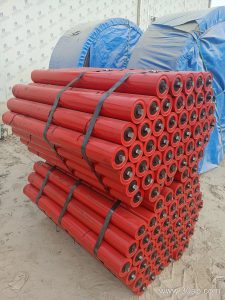
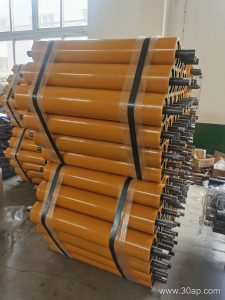
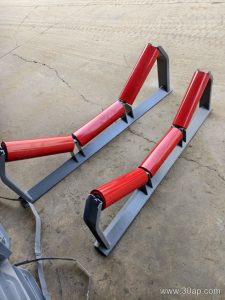
- Idler roller spacing and trough angle, which influence belt sag and load capacity.
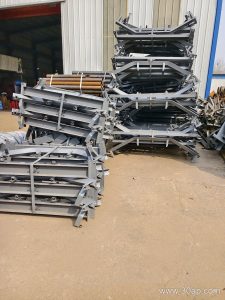
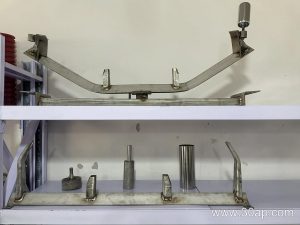
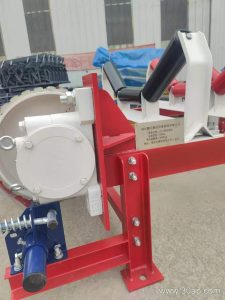
- Conveyor bracket and pulley mounting dimensions, so the new belt fits the existing structure.
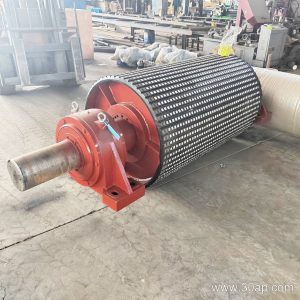
It is worth noting that belt width alone does not fix the pulley diameter. A 1800 mm wide EP1250 belt can run on different pulley sizes depending on the conveyor design, the number of plies, and the required bend radius. The shaft diameter of a conveyor pulley is also determined by the pulley design and load, not by belt width by itself.
Installation and Maintenance Notes
Because an EP1250 1800mm conveyor belt is heavy and stiff, handling and splicing need care. The belt should be stored flat, kept away from direct sunlight and ozone sources, and pulled into place with proper equipment rather than dragged over sharp edges. After installation, check that the belt tracks centrally on the idler roller and conveyor pulley. Misalignment at this width can cause edge damage quickly.
During operation, inspect the covers for cuts, gouges, and exposed fabric. A small repair on an EP belt is usually faster and cheaper than replacing a full section. Keep the drive pulley clean and check that the conveyor bracket and pulley bearings remain aligned, since movement there can change belt tension and tracking.
For a belt of this class, the main selection question is not only strength. It is whether the carcass, cover, width, and pulley layout work together for the material, the route, and the daily operating hours.