What an Idler Bracket Does on a Conveyor
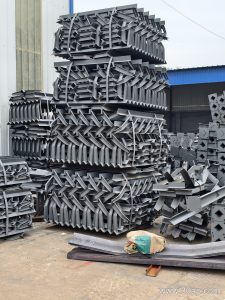
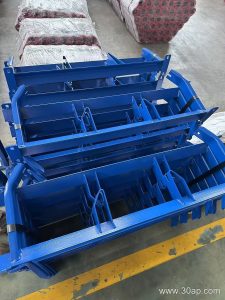
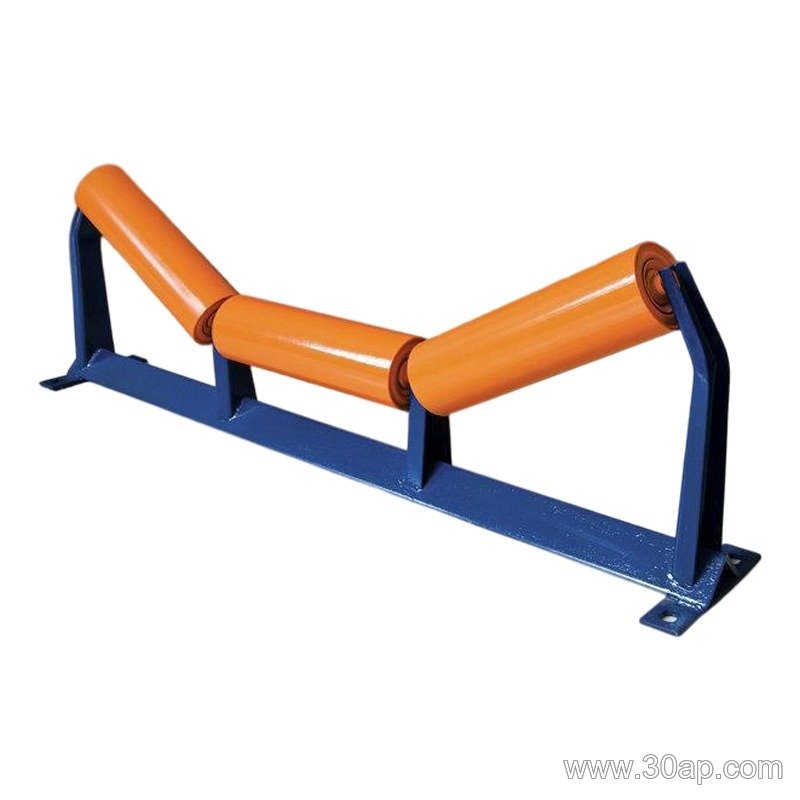
An idler bracket is the structural support that holds a conveyor idler roller in the correct position under or over the conveyor belt. It is a formed steel component, usually made from angle iron, channel steel, or bent plate, and it connects the roller shaft to the conveyor frame. Without a stable bracket, the idler roller would shift, tilt, or vibrate, which quickly leads to belt misalignment and uneven wear.
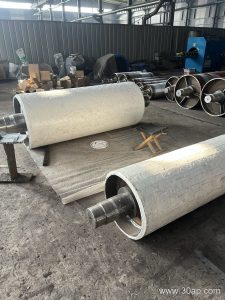
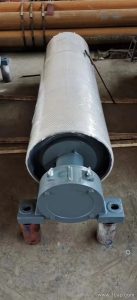
The bracket is not a pulley. A drive pulley, tail pulley, and bend pulley all transmit motion or change belt direction, while an idler bracket only carries the roller that supports the belt. Mixing these functions up during procurement leads to the wrong part arriving at the mine or plant site.
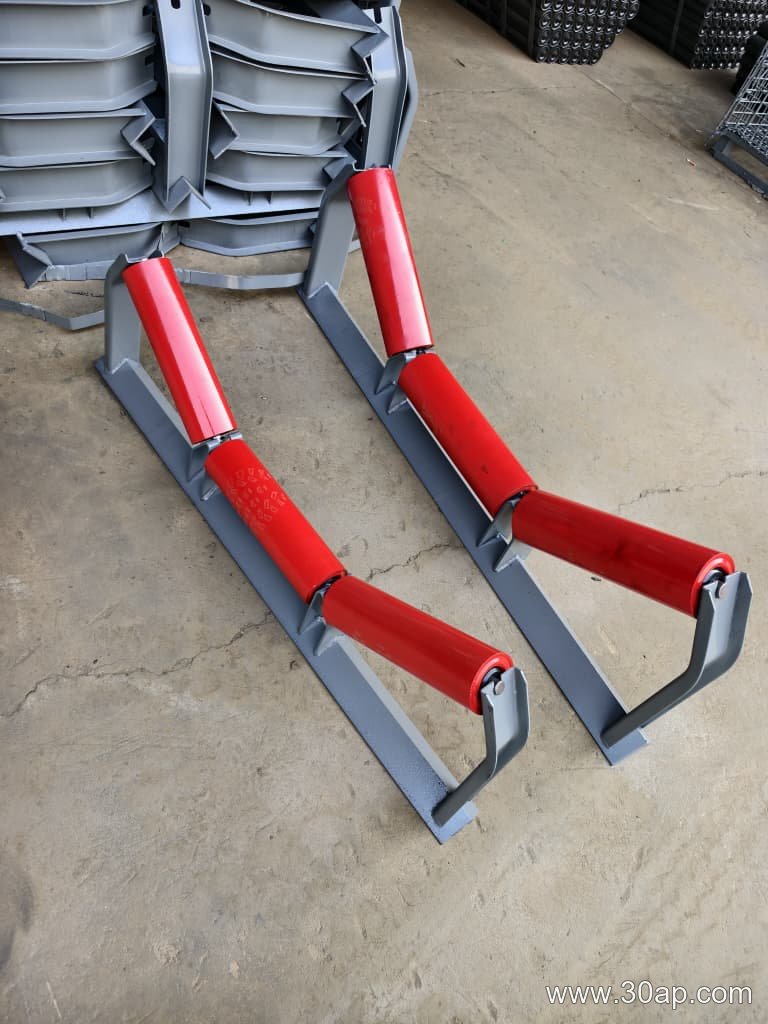
Common Bracket Types and Their Positions
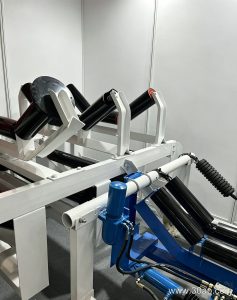
Different positions along a conveyor call for different bracket forms. A troughing idler bracket supports three rollers in a trough shape on the carrying side. A return bracket holds a single flat or V-shaped roller under the belt. A transition bracket sits near the head or tail pulley and gradually changes the belt from flat to troughed. An impact bracket is reinforced to absorb material falling from a crusher or screen. A self-aligning bracket allows slight rotation so the belt can correct its own tracking. A suspended bracket hangs the roller set from a wire or chain in some light-duty installations.
Adjustable brackets let maintenance staff change the trough angle between roughly 20, 30, 35, and 45 degrees. Fixed brackets are welded or bolted at one angle. Forward-tilt brackets, often set around 1.5 to 2 degrees, help guide the belt and reduce mistracking on high-speed lines.
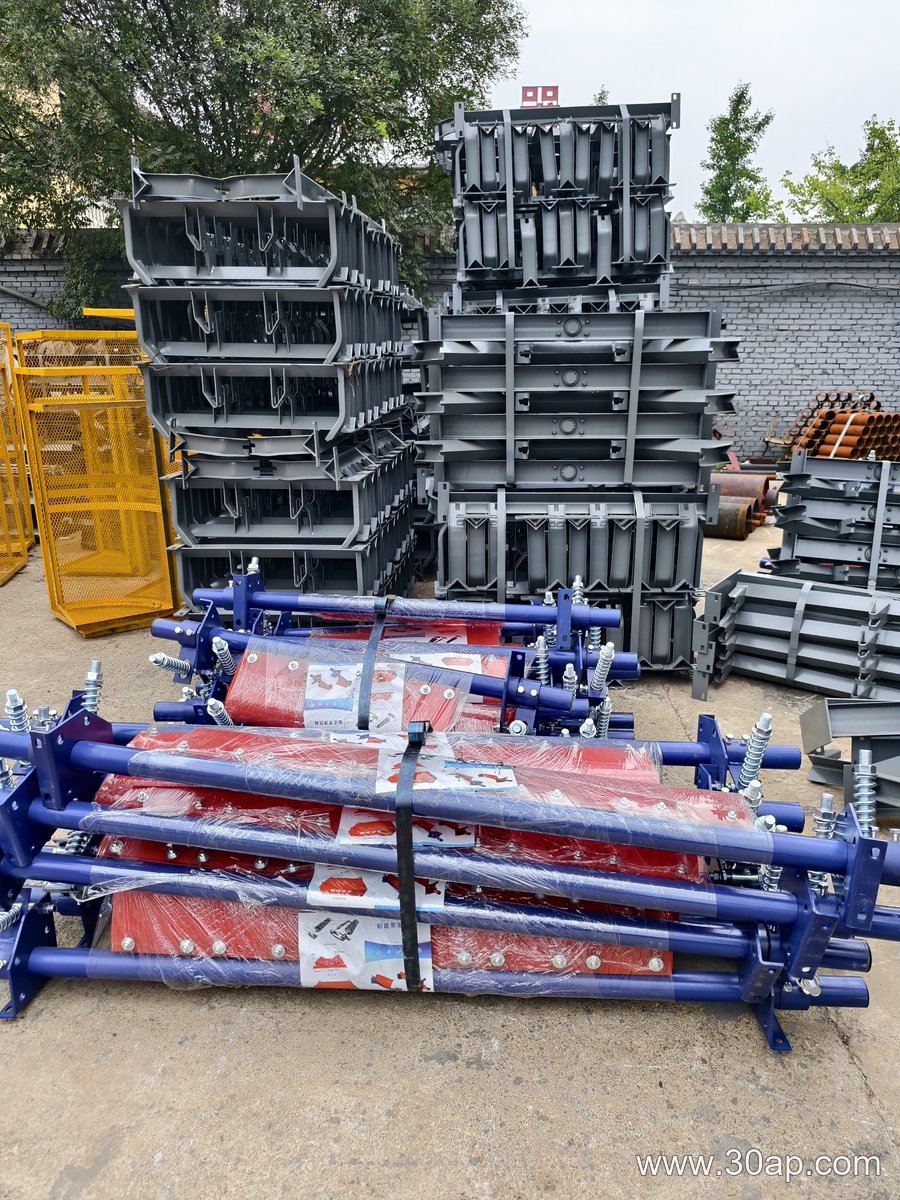
Materials and Build Details
Most brackets are fabricated from low-carbon steel. Angle and channel sections are common because they resist bending along the conveyor axis. Bent plate brackets save weight and can be formed into complex shapes for transition zones. Holes for the roller shaft are punched or drilled, and the mounting holes for the frame are positioned according to the belt width and trough angle. Because mounting hole spacing and crossbeam length change with the design, these dimensions should always be confirmed against the conveyor drawing rather than assumed.
Typical Sizes and Reference Data
The table below shows common reference combinations. Treat these as general examples, not as fixed rules. A given belt width can work with more than one roller diameter or trough angle depending on load, belt speed, and material.
| Belt Width | Trough Angle | Roller Diameter | Typical Use |
|---|---|---|---|
| B500 | 20 degrees | Ø89 | Small transfer conveyors |
| B650 | 30 degrees | Ø89 | Sand and gravel lines |
| B800 | 35 degrees | Ø108 | Aggregate and cement plants |
| B1000 | 35 degrees | Ø108 | Coal handling |
| B1200 | 45 degrees | Ø133 | Iron ore and heavy bulk |
| B1400 | 45 degrees | Ø159 | Large tonnage stockyards |
| B1600 | 35 degrees | Ø159 | Power plant coal feed |
| B1800 | 45 degrees | Ø194 | Port and high-capacity terminals |
| B2000 | 45 degrees | Ø194 | Mining primary haulage |
| B2200 | 45 degrees | Ø194 | Very wide belt systems |
Roller diameters such as Ø89, Ø108, Ø133, Ø159, and Ø194 are common, but the correct choice depends on belt speed, load, and the shaft size the bracket must accept. Do not assume that one belt width locks in one shaft diameter.
Where Idler Brackets Are Used
These brackets appear in many bulk material handling settings. In a coal preparation plant, they support rollers along the raw coal and clean coal conveyors. In a limestone quarry or crushing and screening circuit, impact brackets protect the belt at transfer points. Cement plants use them on clinker and additive lines. Power plant coal yards, port stockyards, and steel sinter plants also rely on them. The common thread is a conveyor belt that needs steady roller support over a long distance.
What Buyers Should Check
- Match the bracket type to its location: troughing, return, transition, impact, self-aligning, or suspended.
- Confirm the belt width, trough angle, and roller diameter against the conveyor drawing.
- Check the mounting hole pattern and crossbeam length before ordering.
- Verify the material thickness and coating for dusty, wet, or corrosive conditions.
- For adjustable brackets, confirm the range covers the angles you need.
- Remember that a conveyor bracket works with the idler roller and conveyor belt as a system, so small mismatches can cause tracking problems.
Accurate selection keeps the belt centered, extends roller life, and reduces downtime in mines, quarries, cement works, and power stations.