What an Impact Idler Bracket Does at the Loading Point
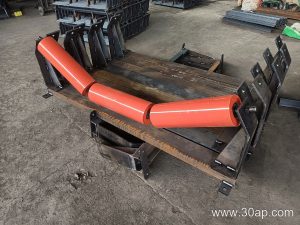
At a conveyor loading point, falling material hits the belt with force. An impact idler bracket is the support structure that holds shock-absorbing idler rollers in place right under that drop zone. It keeps the idler roller at the correct height and angle so the conveyor belt does not sag excessively or get pinched between the roller and the frame. In hard-rock mines, quarry crushing circuits, coal preparation plants, and cement clinker lines, this bracket is often the first component to feel the punishment from large lumps and repeated impact.
The bracket itself is not a moving part. It is a stationary frame that positions other components, usually impact idlers with rubber or spring cushions. A well-built impact idler bracket absorbs vibration, spreads the load across the conveyor bracket structure, and protects both the conveyor belt and the idler roller from premature damage.
Construction and Common Materials
Most impact idler brackets are fabricated from steel. Common material choices include:
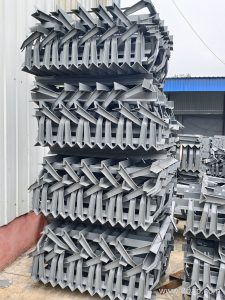
- Angle steel and channel steel for the main beam and uprights
- Folded steel plate for side plates and mounting flanges
- Reinforced base plates where the bracket bolts to the conveyor frame
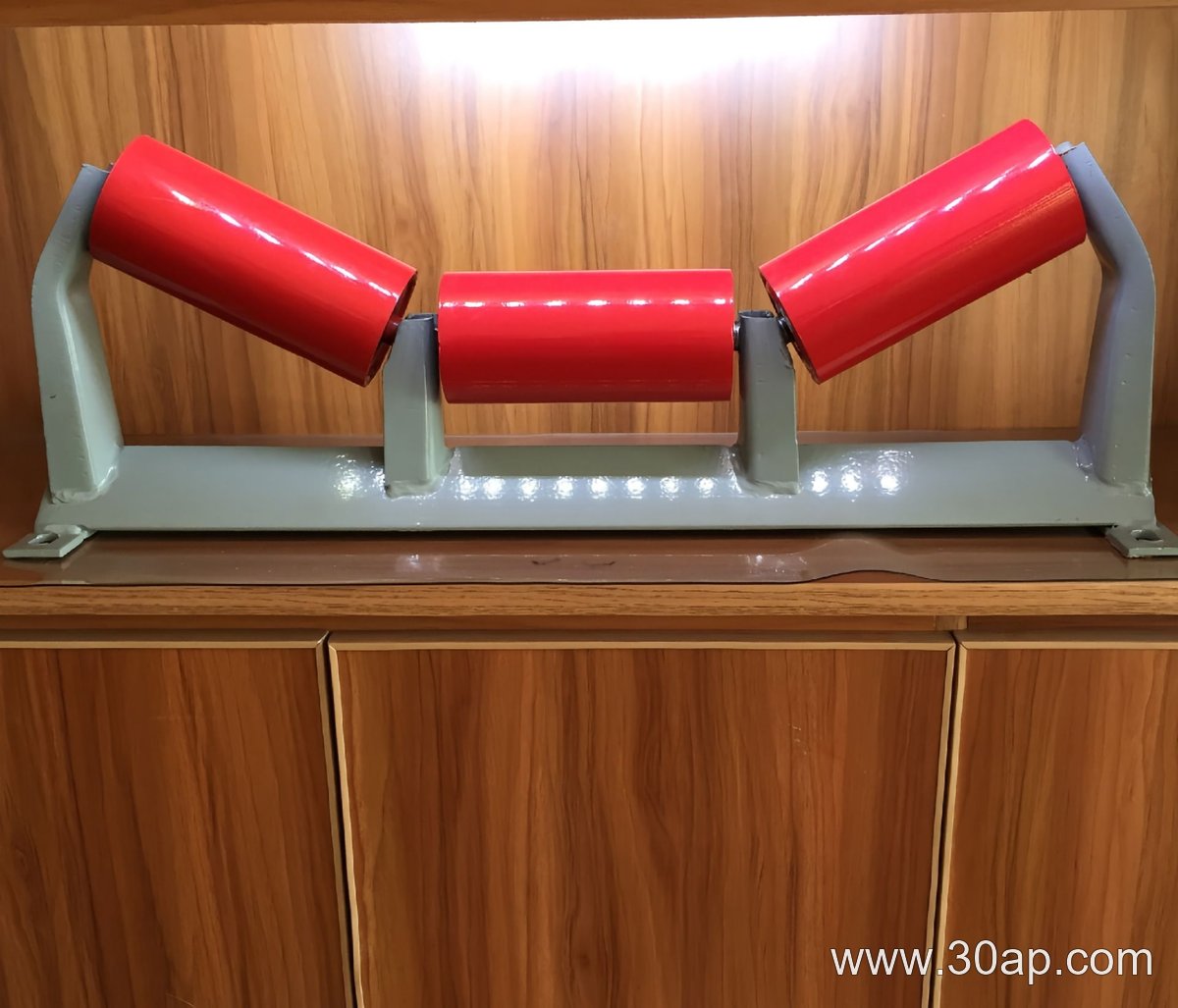
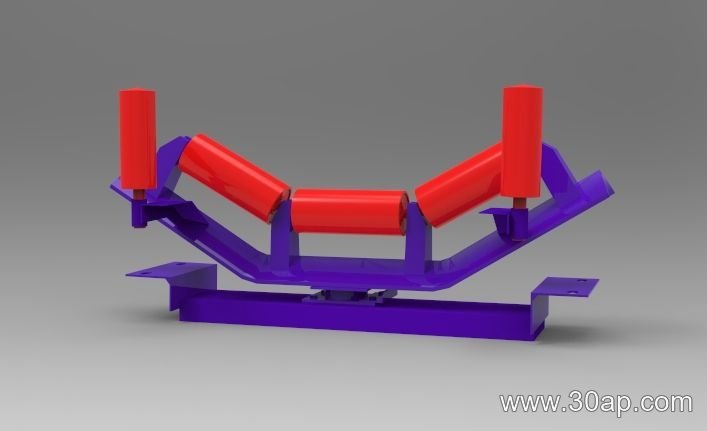
Because the bracket sits in a high-shock zone, the wall thickness and weld quality matter more than the surface finish. A typical unit has a cross beam that spans the conveyor width, two or three mounting positions for the impact rollers, and bolt holes that align with the conveyor stringer. The bracket may also include a height adjustment slot, which allows maintenance crews to fine-tune roller contact with the belt.
Common bracket types used at loading zones
Although the impact idler bracket is the main subject here, it helps to distinguish it from other support frames. A troughing idler bracket carries standard carrying idlers along the normal run of the conveyor, while a return bracket supports the belt on the return side. The impact version is specifically built for the loading point, where the belt receives the material drop. It is not a substitute for a troughing bracket in normal carrying sections, and it is not a return bracket.
Where It Is Used
The most common applications are:
- Primary and secondary crusher discharge points in a quarry or limestone mine
- Coal handling systems at power plants and washing plants
- Transfer towers in port bulk terminals
- Clinker and raw material loading in cement plants
- Sand and gravel production lines with high drop heights
In each case, the bracket works together with the conveyor belt, impact idlers, and the main conveyor frame. It does not replace the conveyor pulley or the drive system; it simply protects the belt at the point of maximum stress.
Matching the Bracket to Belt Width and Roller Diameter
There is no single size that fits every conveyor. The bracket dimensions are usually determined by the belt width, the trough angle, and the roller diameter. Common belt widths include B500, B650, B800, B1000, B1200, B1400, and B1600. Trough angles are often 20, 30, 35, or 45 degrees. Typical impact roller diameters include Ø89, Ø108, Ø133, Ø159, and Ø194.
The table below shows typical combinations, but these are reference examples only. Actual selection depends on the conveyor design, material lump size, and drop height.
| Belt Width | Common Trough Angle | Typical Impact Roller Diameter |
|---|---|---|
| B500 | 20° – 30° | Ø89 |
| B650 | 30° – 35° | Ø89 or Ø108 |
| B800 | 35° | Ø108 |
| B1000 | 35° – 45° | Ø108 or Ø133 |
| B1200 | 35° – 45° | Ø133 |
| B1400 | 35° – 45° | Ø133 or Ø159 |
| B1600 | 35° – 45° | Ø159 or Ø194 |
Installation hole spacing and cross beam length change with belt width and trough angle. Do not assume that one belt width always matches one roller diameter or one trough angle. The design should be confirmed by the conveyor engineer.
What a Buyer Should Check
When specifying an impact idler bracket, ask for the following:
- Belt width and trough angle
- Roller diameter and mounting hole pattern
- Material thickness and weld standard
- Surface treatment, such as painting or galvanizing
- Adjustability, if the loading point may change over time
A fixed bracket is simpler and often cheaper. An adjustable bracket allows the maintenance team to change the trough angle or roller position without cutting and re-welding the frame. In a busy sand and gravel plant or a coal yard, that flexibility can reduce downtime.
Maintenance notes
Check the bracket bolts after the first few weeks of operation, because impact vibration can loosen them. Inspect the roller mounting slots for wear. If the bracket is bent or cracked, replace it rather than trying to straighten it in place. A damaged bracket can misalign the idler roller, which then damages the conveyor belt.
Finally, remember that the impact idler bracket is only one part of the loading zone. Correct belt support also depends on the conveyor pulley alignment, the take-up system, and the condition of the conveyor belt itself. A good bracket does its job quietly, but it matters when tons of rock or coal are dropping onto the belt every hour.