What a Guide Roller Does on a Conveyor
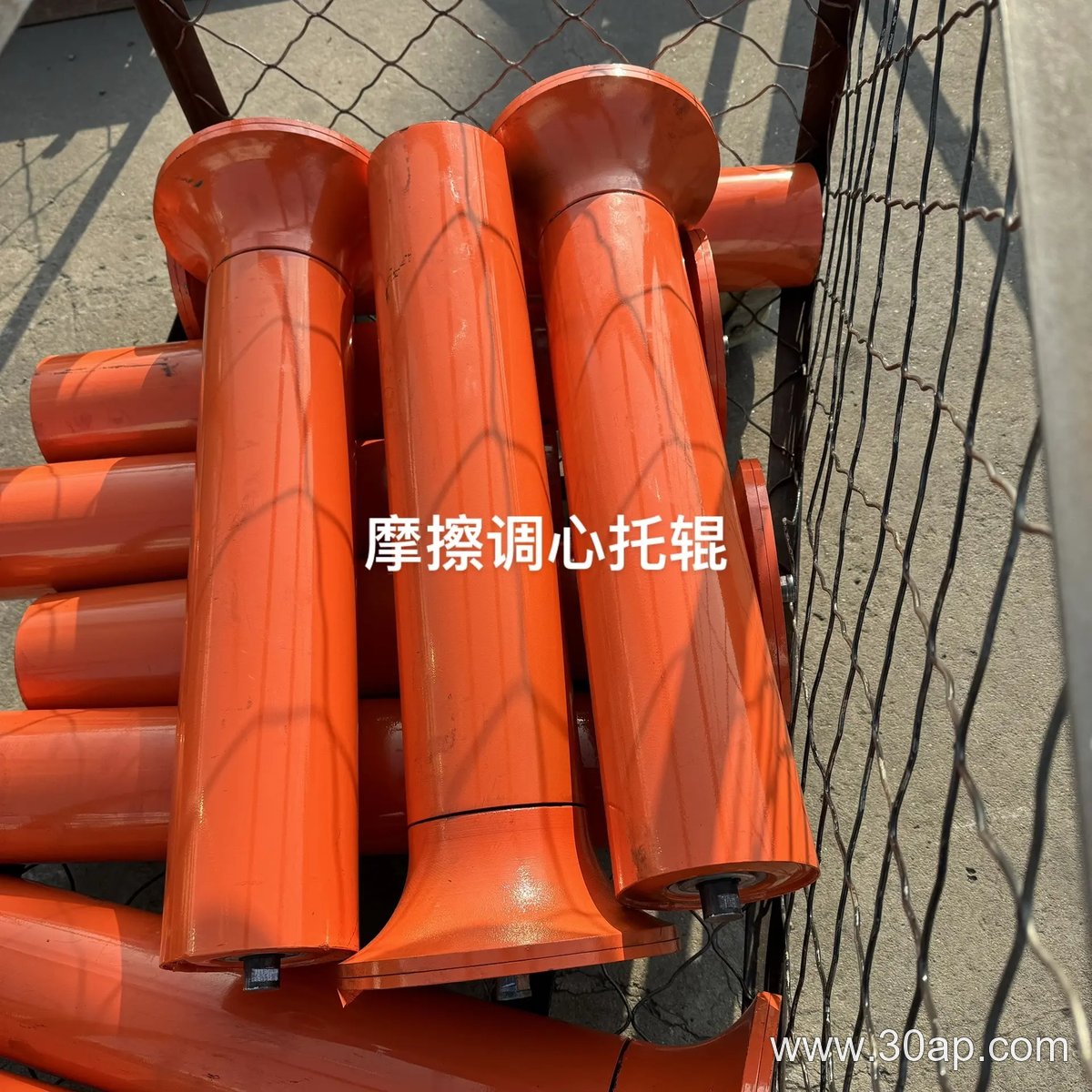
A guide roller is a small but important component that keeps a conveyor belt centered and running smoothly. Unlike a drive pulley, which transmits power, or a tail pulley, which changes belt direction, a guide roller is typically a free-turning idler roller mounted at the edges or along the return side. Its main job is to prevent belt drift and reduce edge damage. In a quarry, coal mine, or cement plant, even a slight misalignment can cause spillage and premature wear, so these rollers are often installed at critical points such as before the head pulley or after the loading zone.
Construction and Common Forms
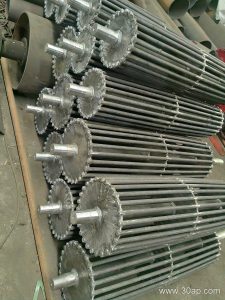
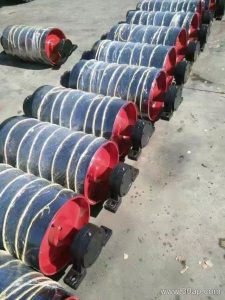
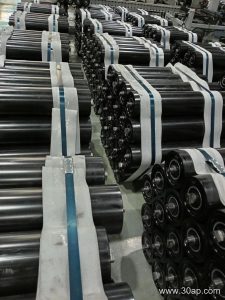
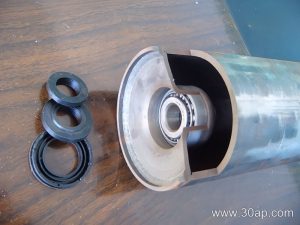
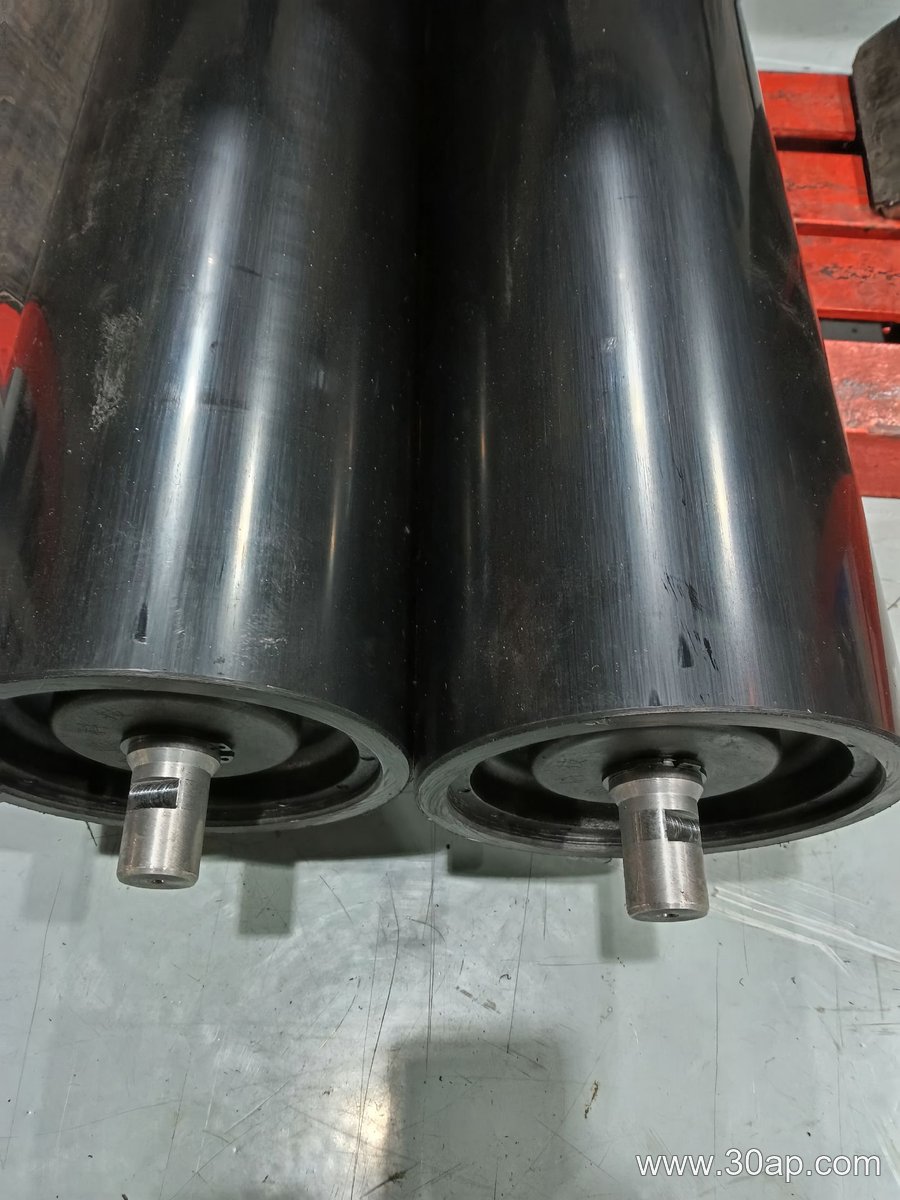
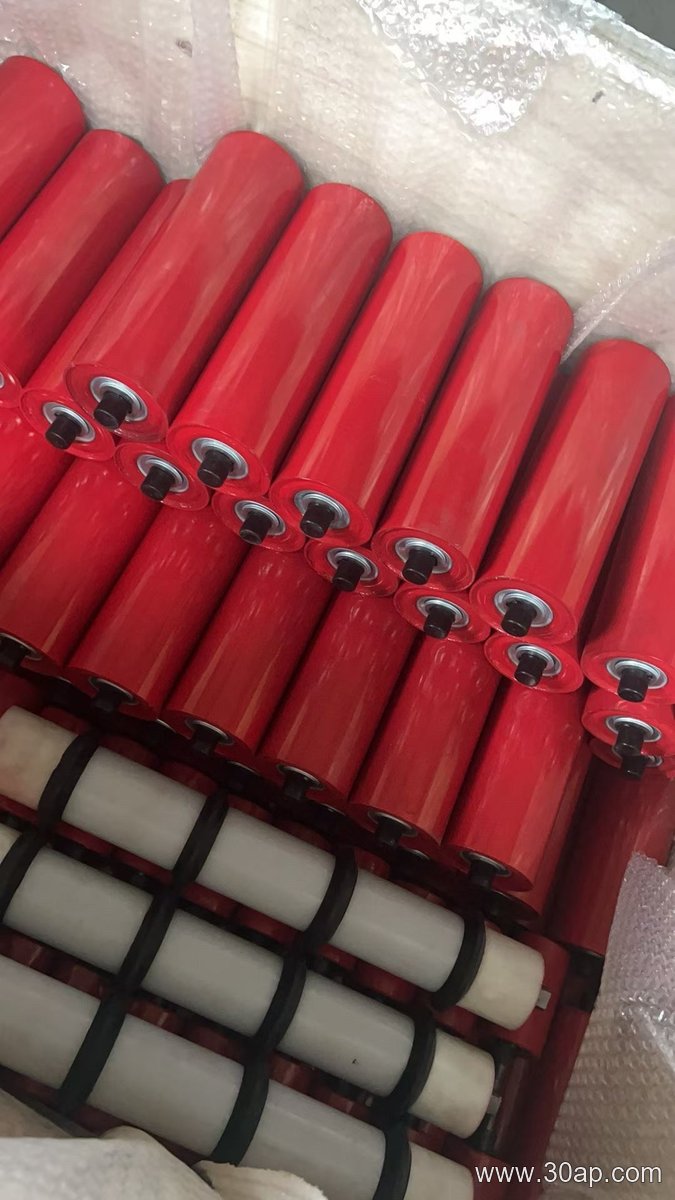
Most guide rollers share the basic structure of a conveyor idler: a steel tube shell, bearing housings, and a shaft. The shell may be plain steel, nylon, rubber-covered, or ceramic-coated for different conditions. Bearings such as 6204, 6205, 6305, or 6306 are common, but the choice depends on load and speed, not on a fixed rule. The roller surface can be flat or have a slight taper. A V-shaped return roller is sometimes used as a guide roller to correct belt tracking on the empty side. For example, a V-return idler with a 10-degree or 15-degree angle helps center the belt after it leaves the material discharge.
Where Guide Rollers Fit in Bulk Handling
You will find guide rollers in many industries, but two common settings are the limestone crushing line and the coal handling system of a power plant. In a limestone quarry, a belt conveyor carrying crushed stone often uses guide rollers near the transfer chute to keep the belt from rubbing against the structure. In a coal-fired power plant, guide rollers on the return strand help control the belt after it passes the drive pulley. Other applications include sand and gravel plants, iron ore concentrators, and fertilizer granulation lines. In each case, the roller works together with a conveyor bracket that holds it at the correct height and angle.
Key Dimensions and How They Relate
Sizing a guide roller is not about matching one belt width to one diameter. Instead, you consider belt width, trough angle, roller group form, and loading conditions. The table below shows common reference values for roller diameter, belt width, and typical roller length for three-roll troughing sets. These are examples only; side rollers and center rollers can differ, and custom lengths are common.
| Roller Diameter (mm) | Belt Width (mm) | Typical Roller Length for Three-Roll Set (mm) |
|---|---|---|
| Ø89 | B500 | 200 |
| Ø108 | B650 | 250 |
| Ø133 | B800 | 315 |
| Ø159 | B1000 | 380 |
| Ø178 | B1200 | 465 |
Note that a 30-degree trough angle is common for many materials, while 35 or 45 degrees may be used for higher capacity. A forward tilt of about 1.5 to 2 degrees is sometimes applied to self-aligning rollers, but this is a design choice, not a universal requirement.
Selection Tips for Buyers
When choosing a guide roller, ask about the operating environment. In a dusty cement plant or a wet sand and gravel operation, sealing quality matters more than a specific bearing number. Rubber-covered rollers can reduce noise and protect the belt in high-impact zones, while ceramic or nylon surfaces may resist abrasion in iron ore or copper mine conveyors. Check that the shaft diameter and bracket fit your existing conveyor frame. Also confirm the roller’s dynamic load rating and speed limit. Avoid assuming that a wider belt automatically needs a larger shaft; the shaft size should come from the manufacturer’s engineering data, not from belt width alone.
Maintenance and Replacement
Guide rollers do not last forever. Listen for squealing, watch for belt misalignment, and check for seized bearings during routine inspections. In a coal handling system, a failed guide roller can cause the belt to rub against the structure, leading to a longitudinal rip. Replace any roller that does not turn freely or shows excessive play. Keep a few spare rollers on hand, but match the diameter, length, and bracket type to the original specification. Remember that a guide roller is not a substitute for a drive pulley or a bend pulley; each has a distinct role. If you need to change belt direction or transmit torque, you need a conveyor pulley, not a guide roller.