Why the Conveyor Bracket Matters More Than You Think
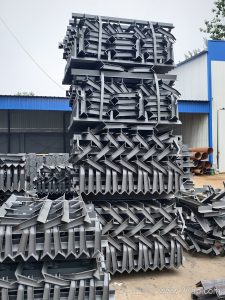
The conveyor bracket is the unsung hero of any belt or roller system. It anchors frames, absorbs vibration, and ensures precise tracking under heavy loads. Without a correctly rated bracket, even the best belt fails prematurely.
Key Selection Criteria for Industrial Buyers
When specifying a conveyor bracket, prioritize material, geometry, and load rating. Steel brackets suit high-impact duty; aluminum offers corrosion resistance for food or chemical plants.
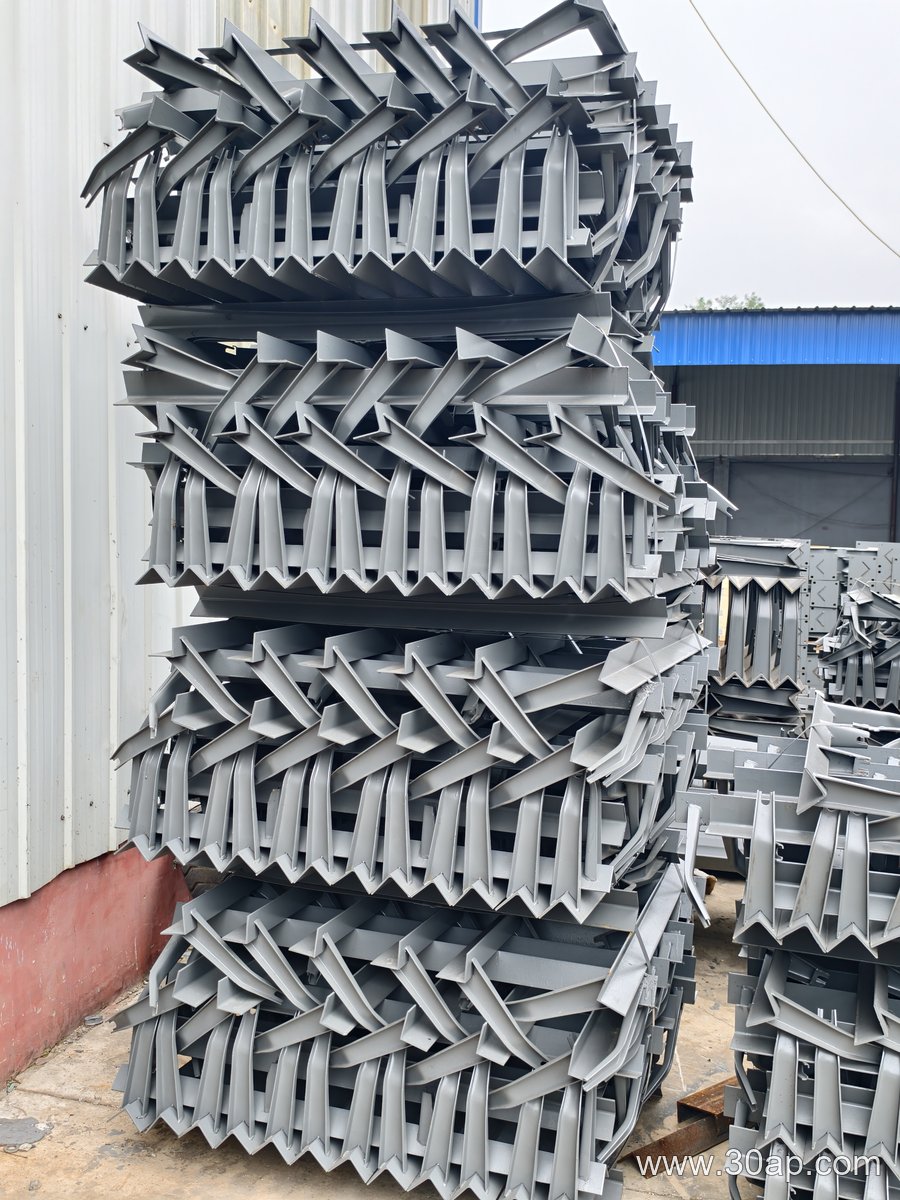
- Check the slot pattern: Match bolt spacing to your existing frame to avoid costly adapters.
- Verify the angle: Troughing brackets (20°, 35°, 45°) must align with idler roll diameter.
- Ask about weld vs. clamp-on: Clamp-on brackets allow quick repositioning during line changes.
Purchasing Advice: Avoid the “Cheap Bracket” Trap
Buy from vendors who publish deflection curves and provide torque specs for fasteners. Request a sample for fit testing before bulk order. Also, confirm availability of galvanized or powder-coated finishes for outdoor use.
Finally, factor in replacement lead times—standardized brackets from stock reduce downtime, while custom brackets may require 4–6 week lead times. A small upfront engineering review will save you from recurring misalignment and belt edge damage.
Why Conveyor Belt Choice Matters
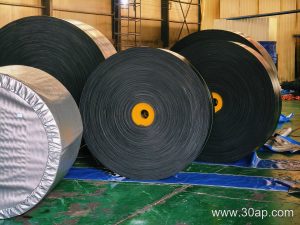
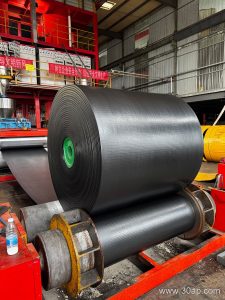
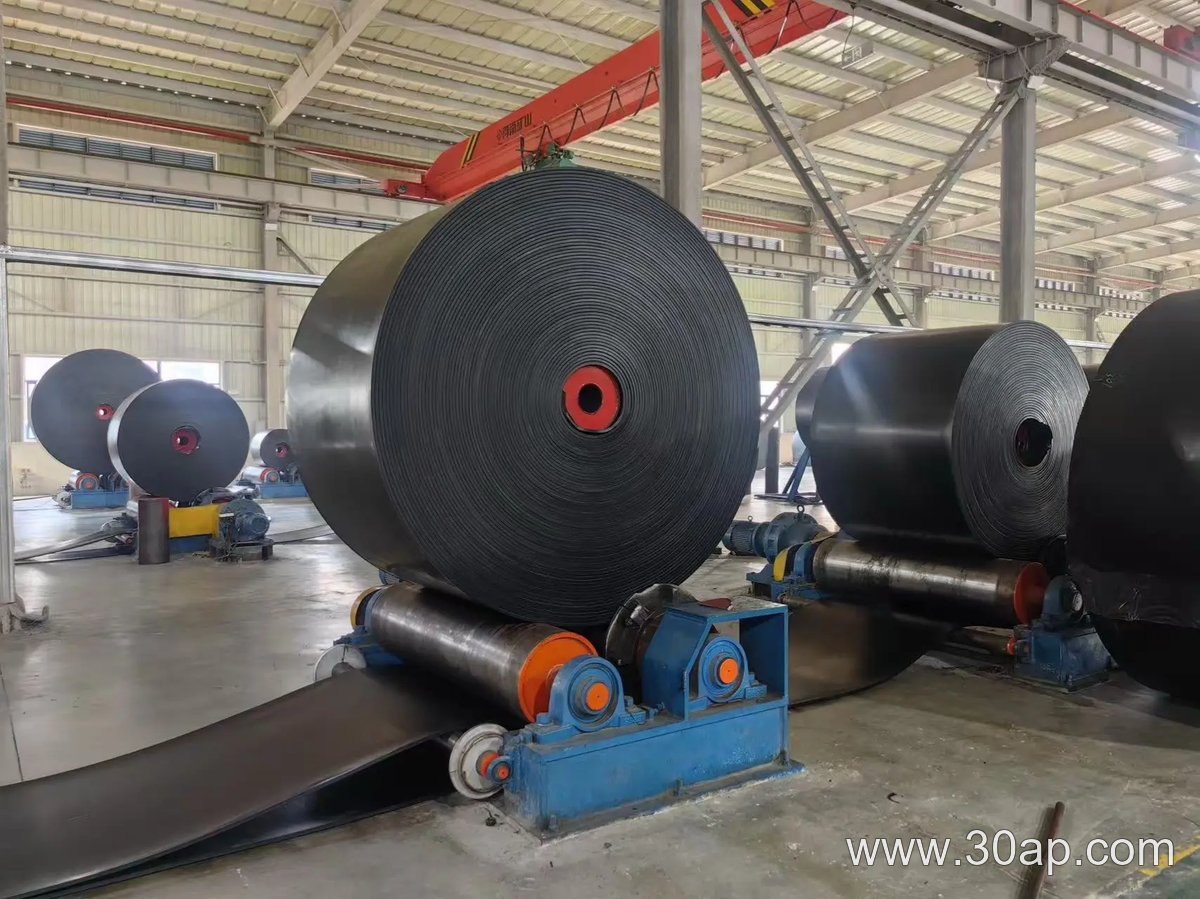
The conveyor belt is the backbone of modern material handling, directly impacting throughput, maintenance costs, and workplace safety. A poorly chosen belt can cause downtime and product damage.
Key Performance Factors
Assess load weight, abrasiveness, operating temperature, and belt speed. For heavy aggregates, a multi-ply rubber belt with reinforced steel cords offers durability. For food handling, use FDA-approved, easy-to-clean thermoplastic belts.
Selection and Purchasing Advice
- Calculate total tensile strength (working tension × safety factor) before ordering.
- Verify pulley diameter compatibility to prevent belt fatigue and premature cracking.
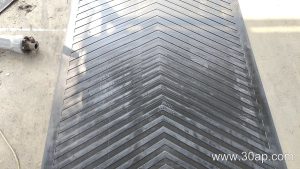
- Choose a surface profile—smooth for inclined transport, textured for slippery goods.
- Request samples for splice testing and compare life-cycle costs, not just upfront price.
- Ensure spare belts and joints are available from the manufacturer for quick replacement.
Always consult the OEM’s technical datasheet and install a belt tracking system to maximize lifespan. Investing in the correct belt type reduces energy consumption by up to 15%.
Understanding the Idle Role of an Idler Roller
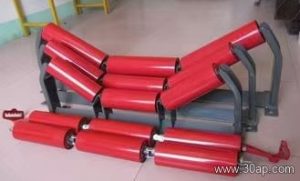
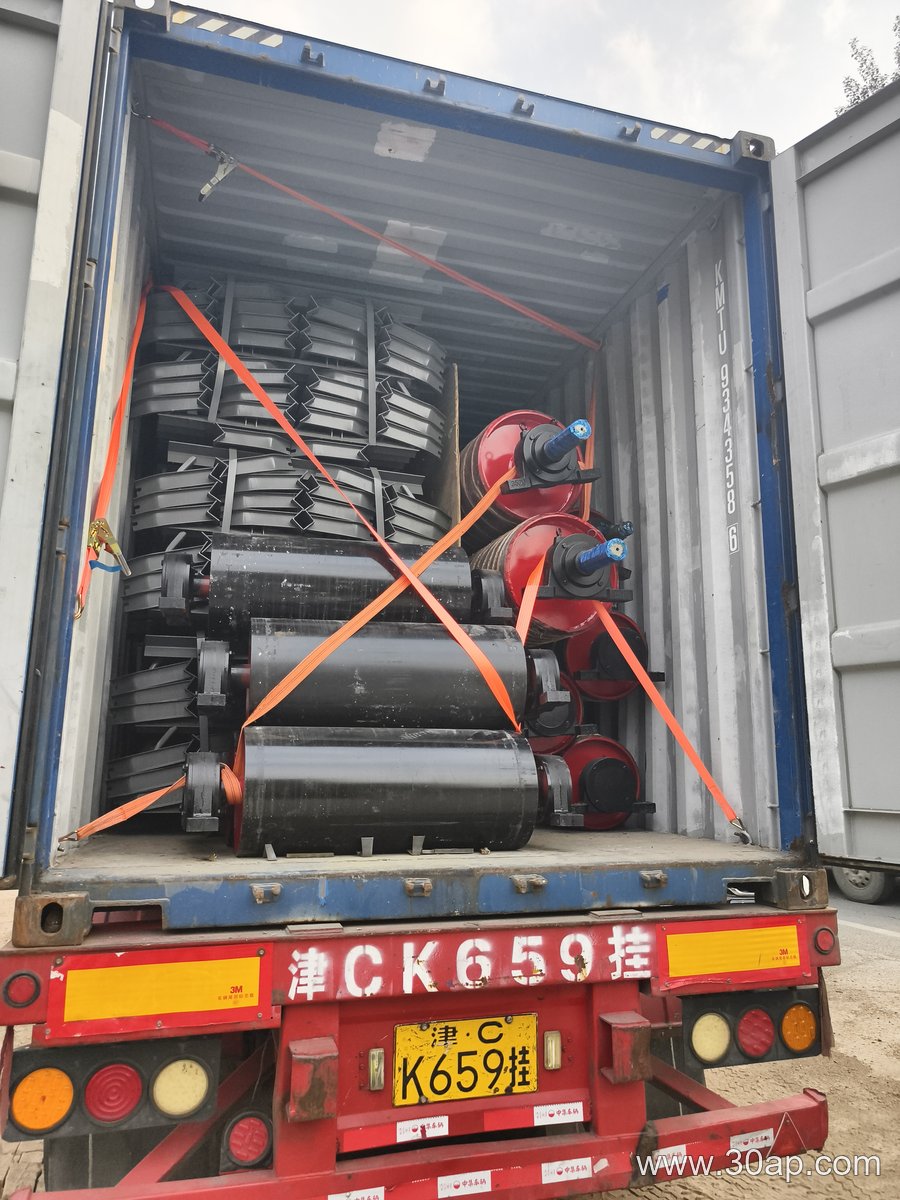
An idler roller is the unsung workhorse of any belt conveyor, providing support, shape, and stability to the belt while carrying material. Without properly specified idlers, belts misalign, spillage increases, and components wear prematurely.
Key Factors in Choosing the Right Idler Roller
- Belt width and speed: Match roller diameter and spacing to your belt’s load and velocity to prevent sagging.
- Material characteristics: Abrasive or corrosive products demand sealed bearings and durable shell materials like steel or HDPE.
- Environment: For dusty or wet conditions, choose self-cleaning or impact-resistant designs.
Purchasing Advice for Long-Term Performance
Always verify the roller’s load rating against peak tonnage, not just average. Inspect bearing seals for ingress protection (IP rating). Buy from manufacturers that offer interchangeable dimensions to simplify replacement. Schedule regular rotation checks—a seized idler roller can double belt drag and increase energy costs.
Why the Conveyor Pulley Defines System Reliability
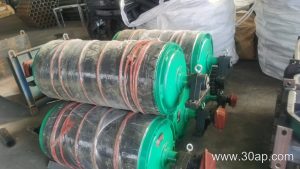
The conveyor pulley is not just a rotating cylinder; it is the mechanical heart that drives belt tension, tracking, and torque transfer. Selecting the wrong pulley leads to belt slippage, misalignment, and unplanned downtime.
Key Types and Their Applications
- Drive pulleys – lagged for friction, located at the head end.
- Return pulleys – support the underside, often with wing profiles.
- Snub and take-up pulleys – adjust wrap angle and tension.
Selection and Purchasing Advice
Verify shaft diameter, hub type, and bearing load ratings against your belt width and speed. Specify crown face or lagging (ceramic vs. rubber) based on moisture and abrasion. For heavy-duty mines, demand a pulley with a minimum of 10 mm shell thickness and a true-running tolerance under 0.5 mm.
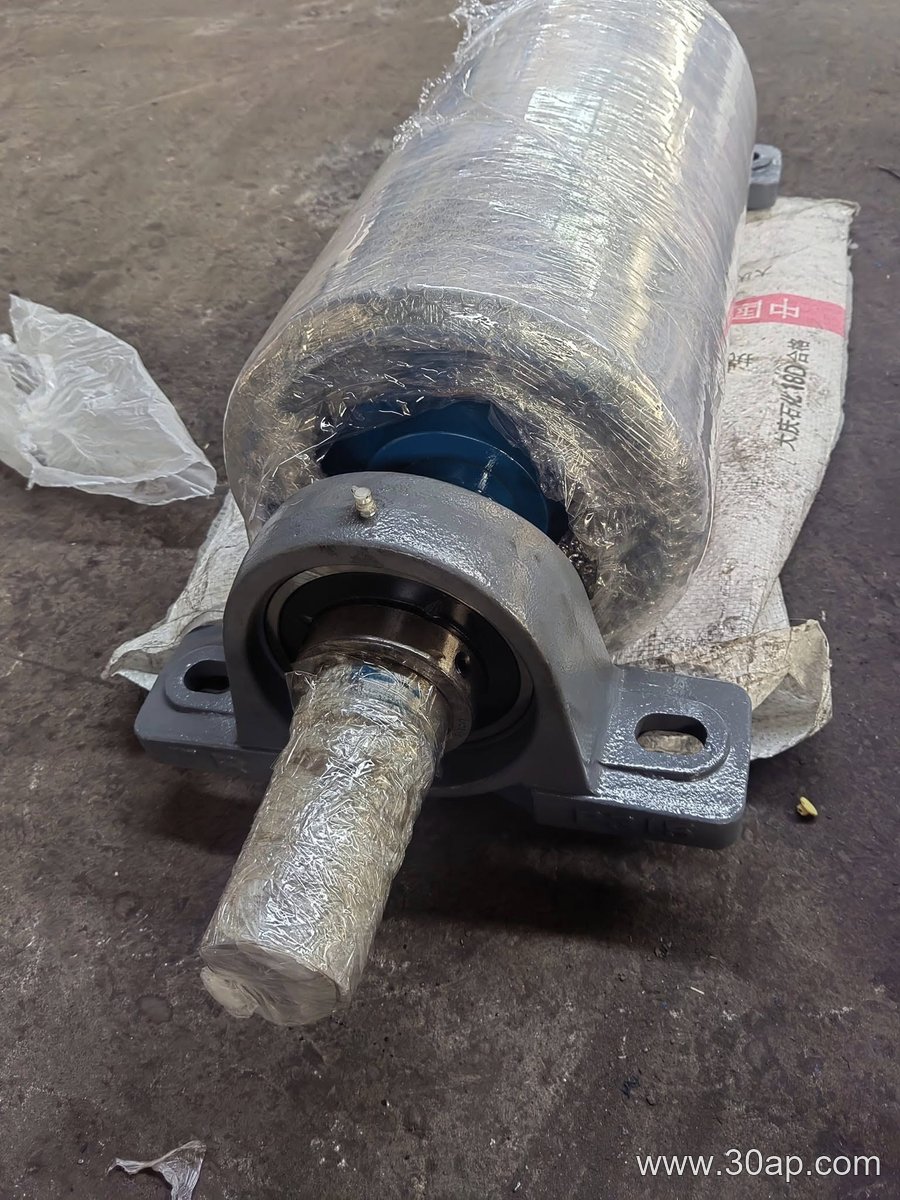
Always request the manufacturer’s fatigue test data. Compare total cost of ownership, not just price—welded vs. fabricated designs affect lifespan. Partner with a supplier who offers balancing reports and onsite inspection support.