What a Q235 Conveyor Bracket Does on a Belt Conveyor
A Q235 conveyor bracket is the structural support that holds idler rollers in the correct position along a conveyor line. Made from Q235 carbon steel, this bracket keeps the troughing rollers at the chosen angle, maintains the belt path, and transfers the load from the conveyor belt into the conveyor frame. In a coal mine, cement plant, or aggregate quarry, the bracket is one of those quiet components that determine whether the belt tracks straight or wanders.
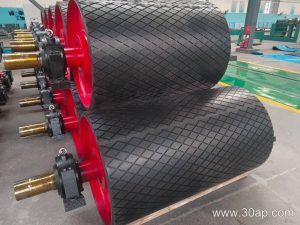
The same item is also called a Q235 steel idler bracket or a Q235 roller support bracket. These names describe the same product, not different items. The bracket works together with the idler roller, the conveyor pulley, and the belt itself, but it is not a pulley and should never be confused with a drive pulley or a tail pulley.
How the Bracket Is Built
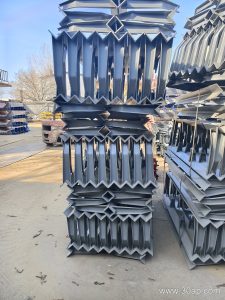
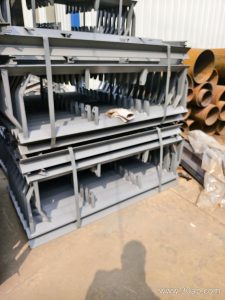
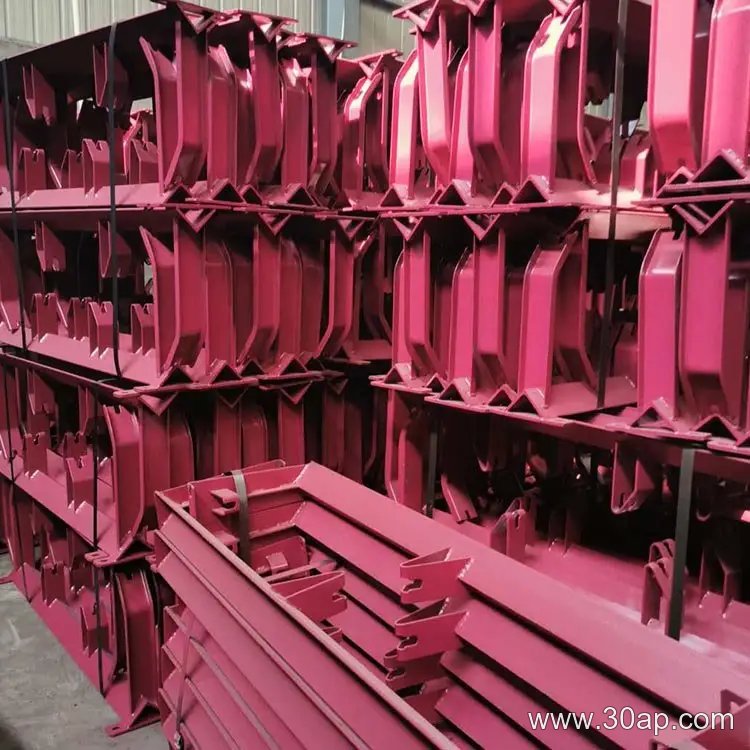
Most Q235 conveyor brackets are fabricated from angle steel, channel steel, or folded steel plate. The material grade Q235 offers a good balance of strength and weldability, which matters in dusty and vibrating environments such as a coal handling system or a stone crushing line. The bracket may be fixed or adjustable.
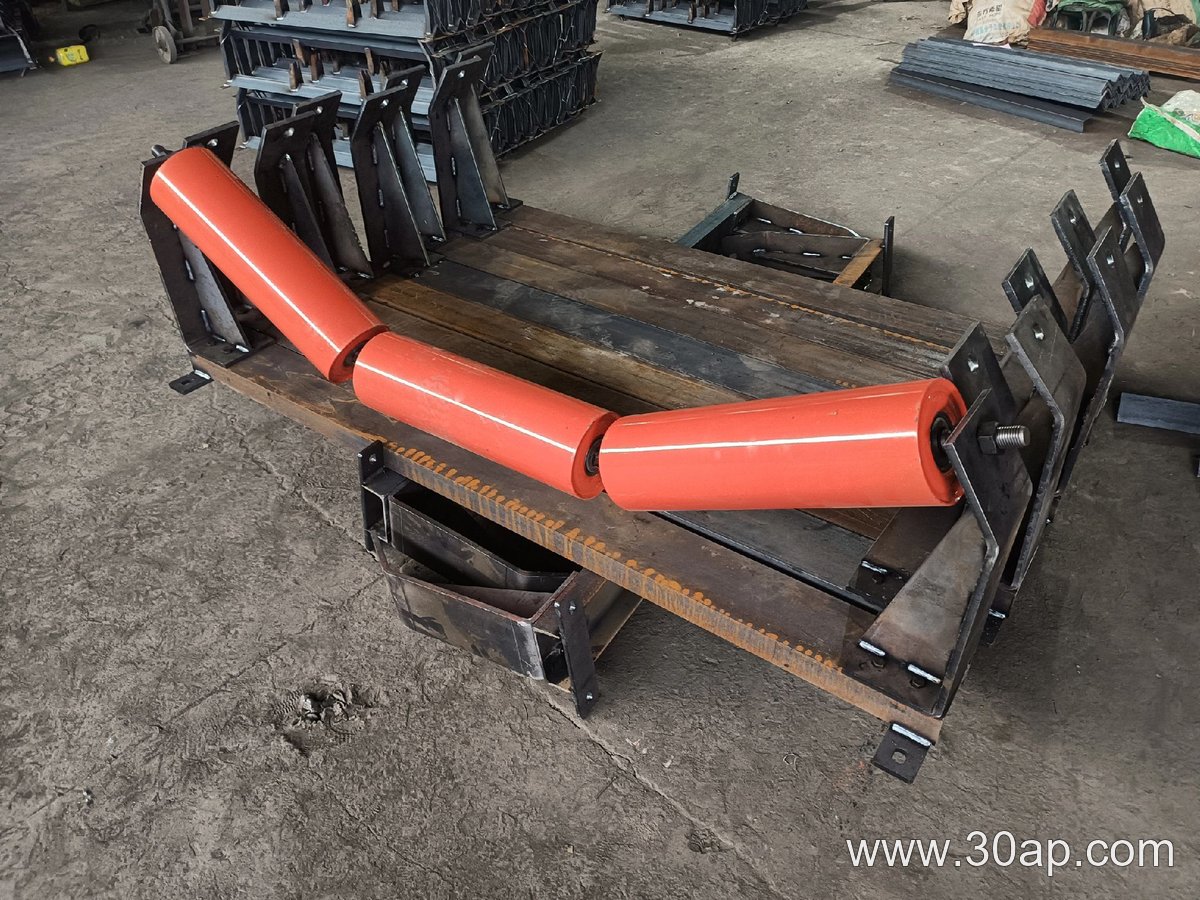
- Fixed bracket: the trough angle is set at the factory, often 20, 30, 35, or 45 degrees.
- Adjustable bracket: the roller positions can be changed within a range, so the same frame can serve different belt loading conditions.
Mounting holes and crossbeam lengths are not universal. They change with belt width, trough angle, and roller diameter. A B800 bracket will not have the same hole spacing as a B1200 bracket, and a 35-degree trough is not the same as a 45-degree trough.
Common Types and Where They Sit
Conveyor brackets appear in several positions along the line. The carrying side usually uses troughing brackets, sometimes with a transition bracket near the pulleys to help the belt change shape gradually. The return side may use a flat return bracket or a V-return bracket. Impact brackets are placed under loading points to absorb shock, while self-aligning brackets help correct belt mistracking.
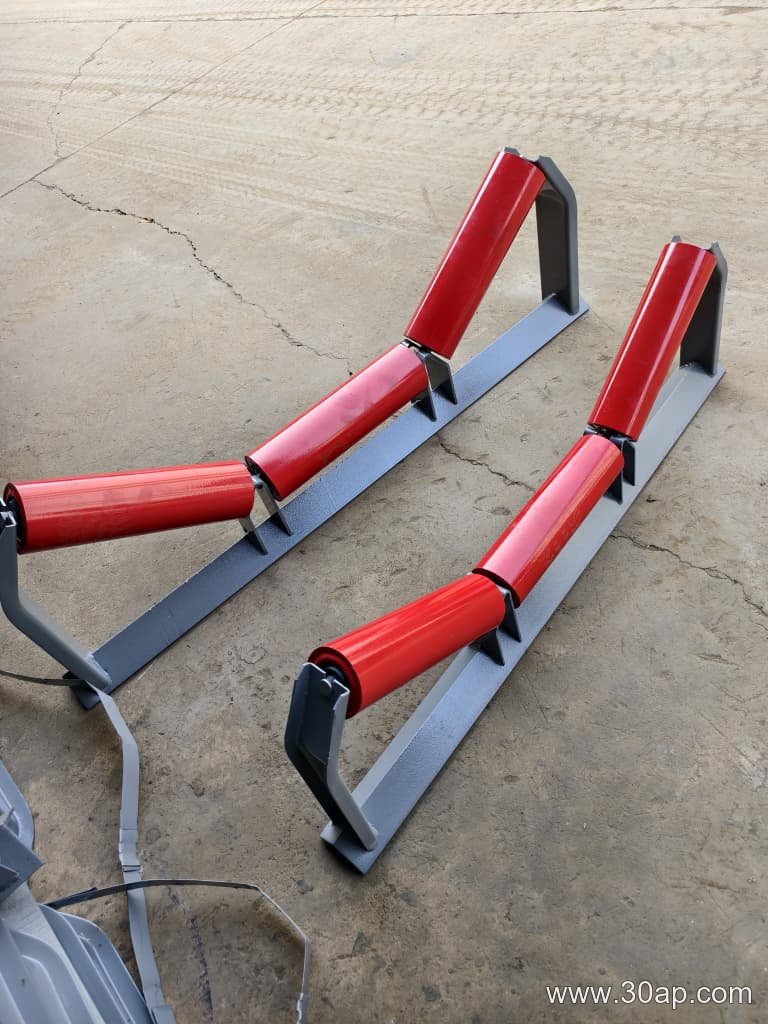
For example, a typical aggregate conveyor might use a B1000, 35-degree troughing bracket with Ø108 idler rollers on the carrying side and a flat return bracket with the same roller diameter on the return side. A coal mine might choose a B1200, 45-degree bracket with Ø133 rollers for higher capacity. These are common combinations, not fixed rules. The final choice depends on the conveyor design, belt width, and material being handled.
Key Dimensions a Buyer Should Check
When specifying a Q235 conveyor bracket, the following details matter. They should be confirmed against the actual conveyor drawing, not assumed from belt width alone.
| Parameter | Common Range / Note |
|---|---|
| Belt width | B500, B650, B800, B1000, B1200, B1400, B1600, B1800, B2000, B2200 |
| Trough angle | 20°, 30°, 35°, 45°; adjustable types can be set between these values |
| Idler diameter | Ø89, Ø108, Ø133, Ø159, Ø194 |
| Bracket material | Q235 angle steel, channel steel, or folded plate |
| Mounting hole spacing | Determined by belt width, trough angle, and frame design |
Two brackets with the same belt width can still differ in hole pattern if the trough angle or roller diameter changes. Never order by belt width alone.
Selection and Maintenance Notes
Choose the bracket type based on its position: troughing for the carrying side, return for the empty side, impact for loading zones, and self-aligning where belt tracking is a concern. The bracket must match the idler roller diameter and the conveyor frame. A mismatch can cause the roller to sit unevenly, which leads to belt edge wear or spillage.
Inspect brackets during routine maintenance. Look for bent steel, elongated holes, loose bolts, or corrosion. In a fertilizer plant or a grain silo, corrosion may be a bigger issue than impact; in a limestone mine, abrasion and shock dominate. Replacing a damaged bracket early is cheaper than replacing a torn conveyor belt or a damaged pulley.
Q235 conveyor brackets are simple, but they are not generic. Confirm the belt width, trough angle, roller diameter, and mounting details before ordering. That way the bracket does its job: keeping the idlers in place and the belt running true.