Choosing the Right Conveyor Pulley
Selecting a conveyor pulley requires balancing load, belt width, and environmental conditions. Consider these factors for optimal performance.
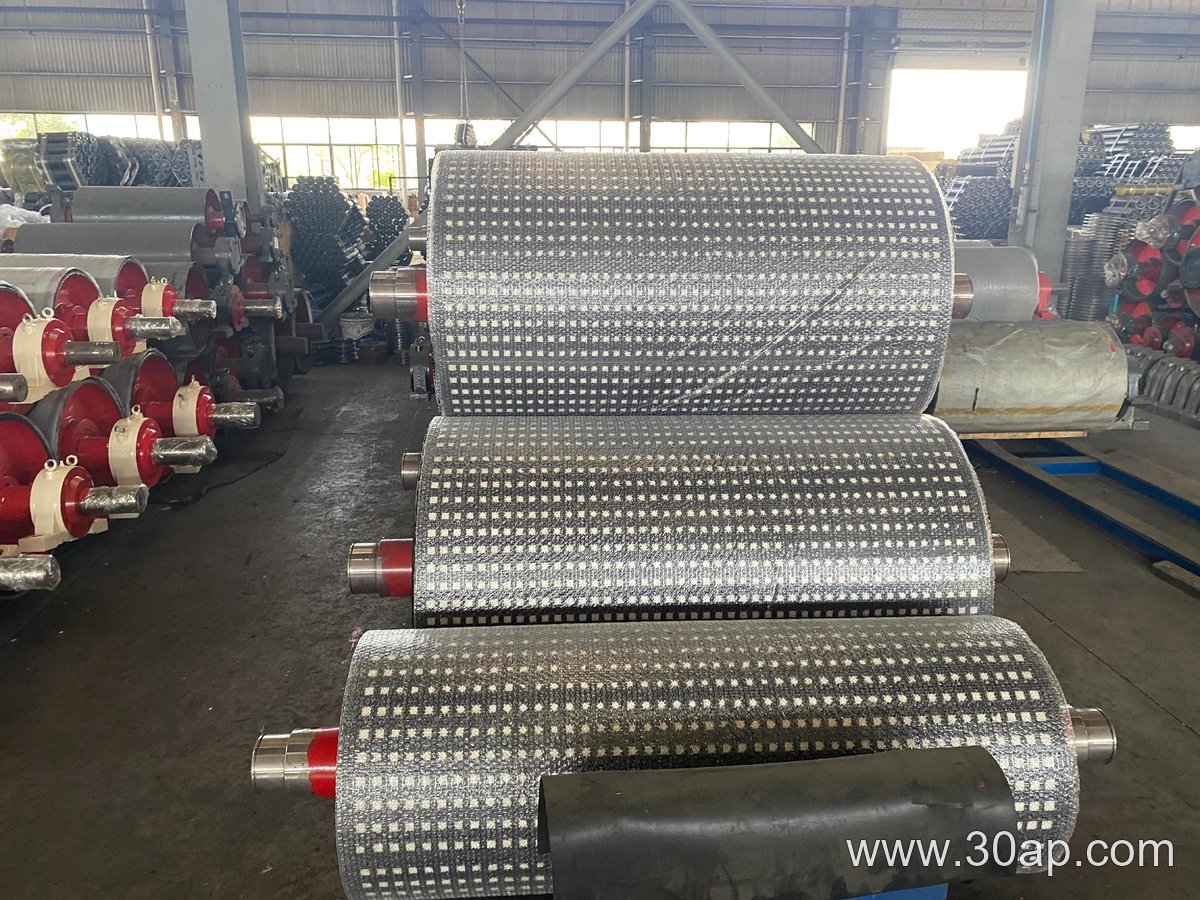
Key Selection Criteria
- Calculate total tension and radial load.
- Match pulley diameter to belt thickness and speed.
- Choose lagging for grip and wear protection.
- Verify shaft and bearing capacity.
Purchasing Advice
Request certified drawings and material reports. Compare lead times and warranty. For harsh environments, specify sealed bearings and corrosion-resistant coatings.
Why the Conveyor Bracket Matters
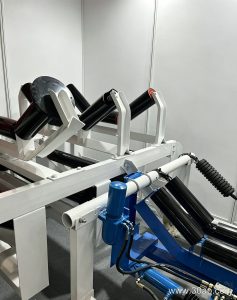
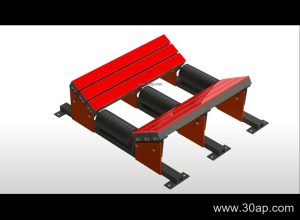
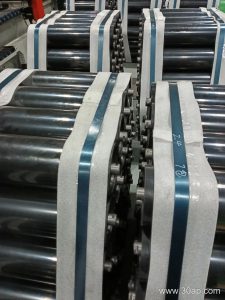
A conveyor bracket is the structural support that aligns rollers, frames and belts, directly affecting load capacity and tracking. Choosing the right bracket prevents vibration, wear and downtime.
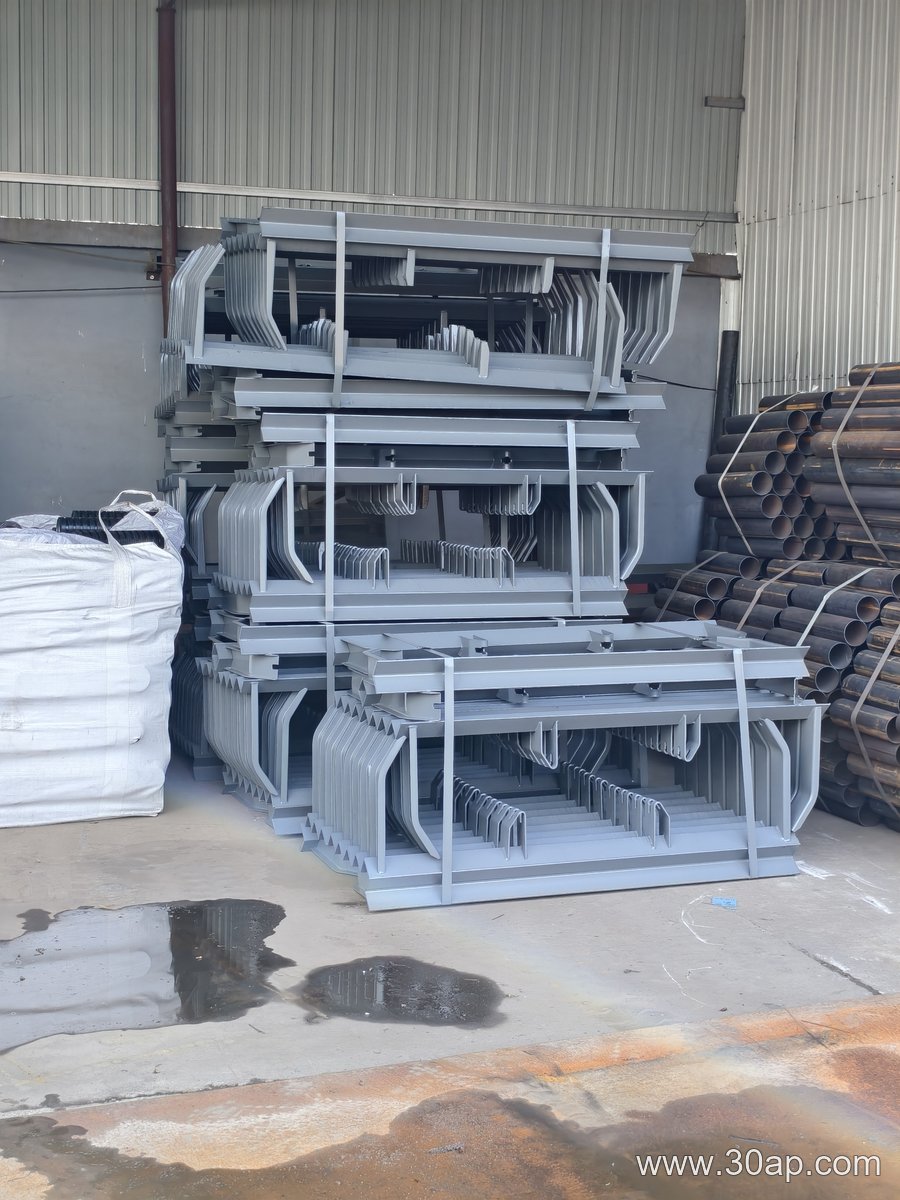
Selection and Purchasing Advice
- Match bracket material to your environment: powder-coated steel for dry plants, stainless steel for washdown or corrosive areas.
- Confirm mounting hole pattern, slot length and load rating against your conveyor frame and roller shaft diameter.
- Prefer adjustable or slotted brackets for easy belt tensioning and alignment.
- Check thickness and weld quality; thin brackets flex under heavy loads.
- Buy from suppliers offering dimensional drawings and batch traceability.
Invest in correct brackets early to extend conveyor life and reduce maintenance costs.
Conveyor Belt Selection and Purchasing Guide
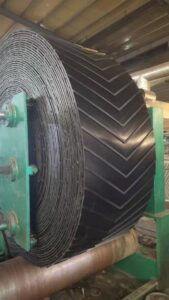
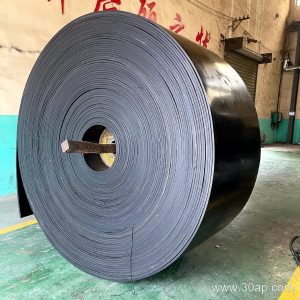
A conveyor belt is the core of any continuous material handling system. Choosing the right belt reduces downtime, energy costs, and maintenance.
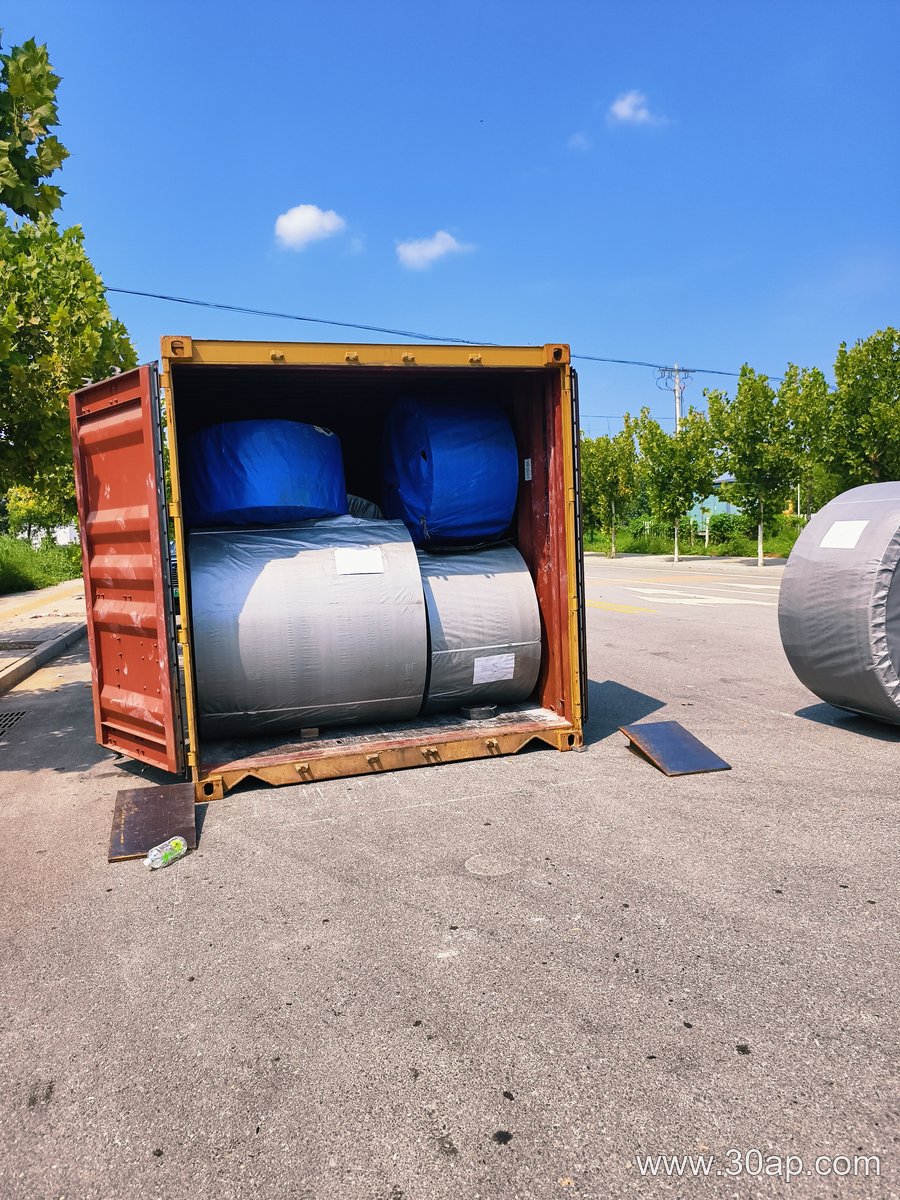
Key Selection Factors
- Load weight, speed, and incline
- Material: abrasion, oil, heat, or food-grade needs
- Belt type: flat, cleated, modular, or steel cord
- Pulley diameter and splice method
Purchasing Advice
Request tensile strength and cover grade data. Compare warranty, lead time, and local service. Buy from suppliers offering splicing tools and technical support.
Idler Roller: Core Selection Factors
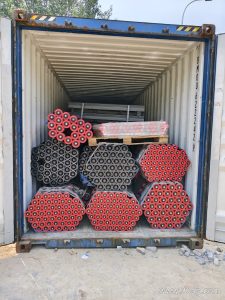
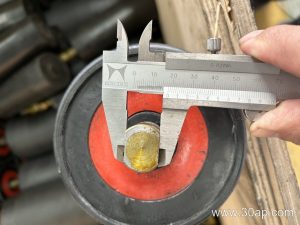
Choose an idler roller by load, speed, environment, and shaft fit. Verify diameter, wall thickness, bearing type, and seal class.
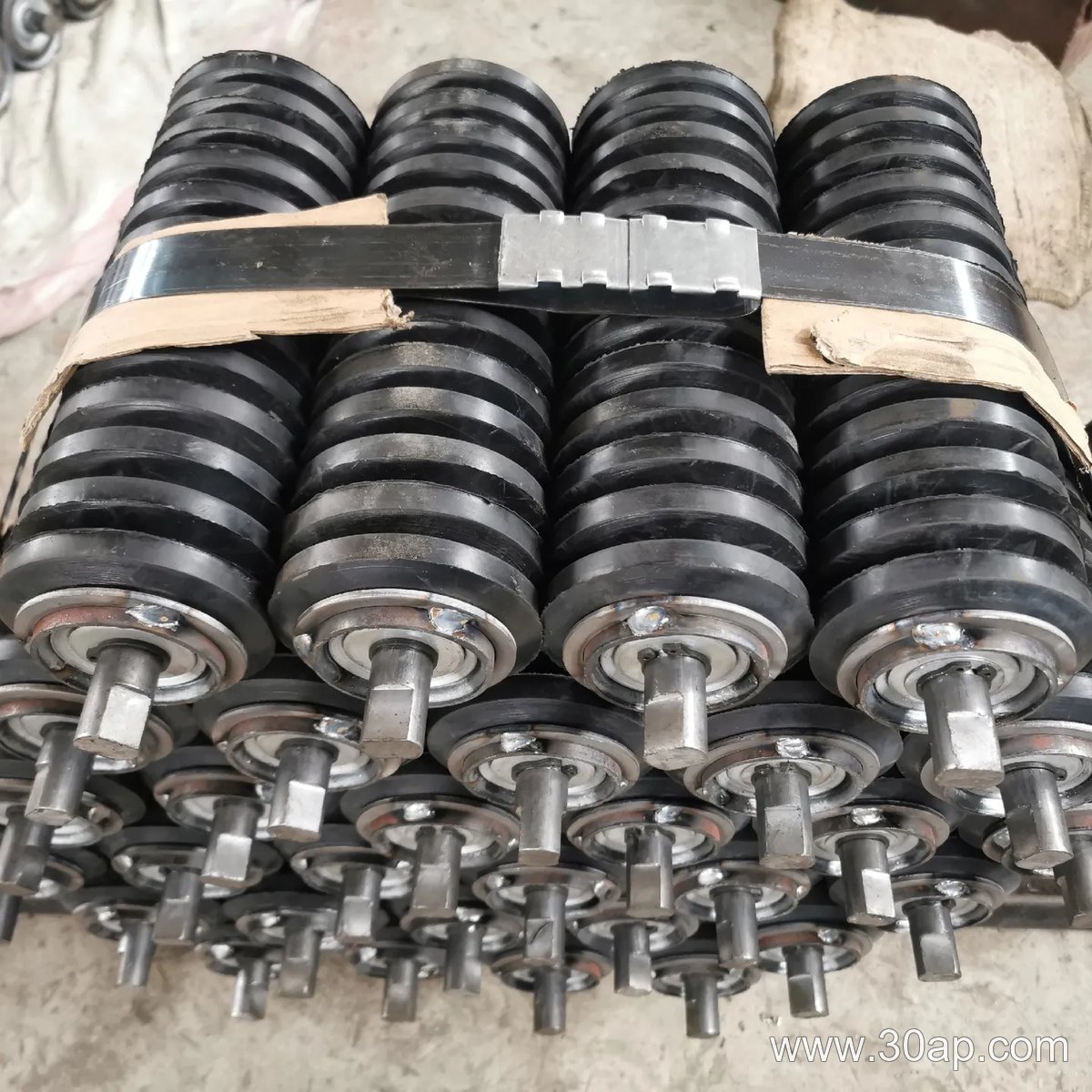
Purchasing Advice
- Match roller material to abrasion and corrosion.
- Confirm dynamic load rating and RPM limits.
- Prefer replaceable bearings for maintenance.
Installation Check
Align frames, torque fasteners, and inspect rotation after startup.