What an Anti-Misalignment Guide Idler Does
An anti-misalignment guide idler is a tracking roller installed along a conveyor to correct belt drift before it becomes a serious problem. Instead of letting the conveyor belt rub against the frame or spill material, this idler applies a small steering force at the belt edge. In many plants it is also called a self-aligning idler or training idler, and those names describe the same product. It is not a drive pulley, a tail pulley, or a bend pulley; those components transmit power or change belt direction, while the guide idler only influences lateral position.
The roller usually sits in a bracket that allows slight rotation or swivel. When the belt moves off center, the idler tilts and the resulting friction pushes the belt back toward the middle of the carrying run. The correction is gradual, so the belt is guided rather than forced.
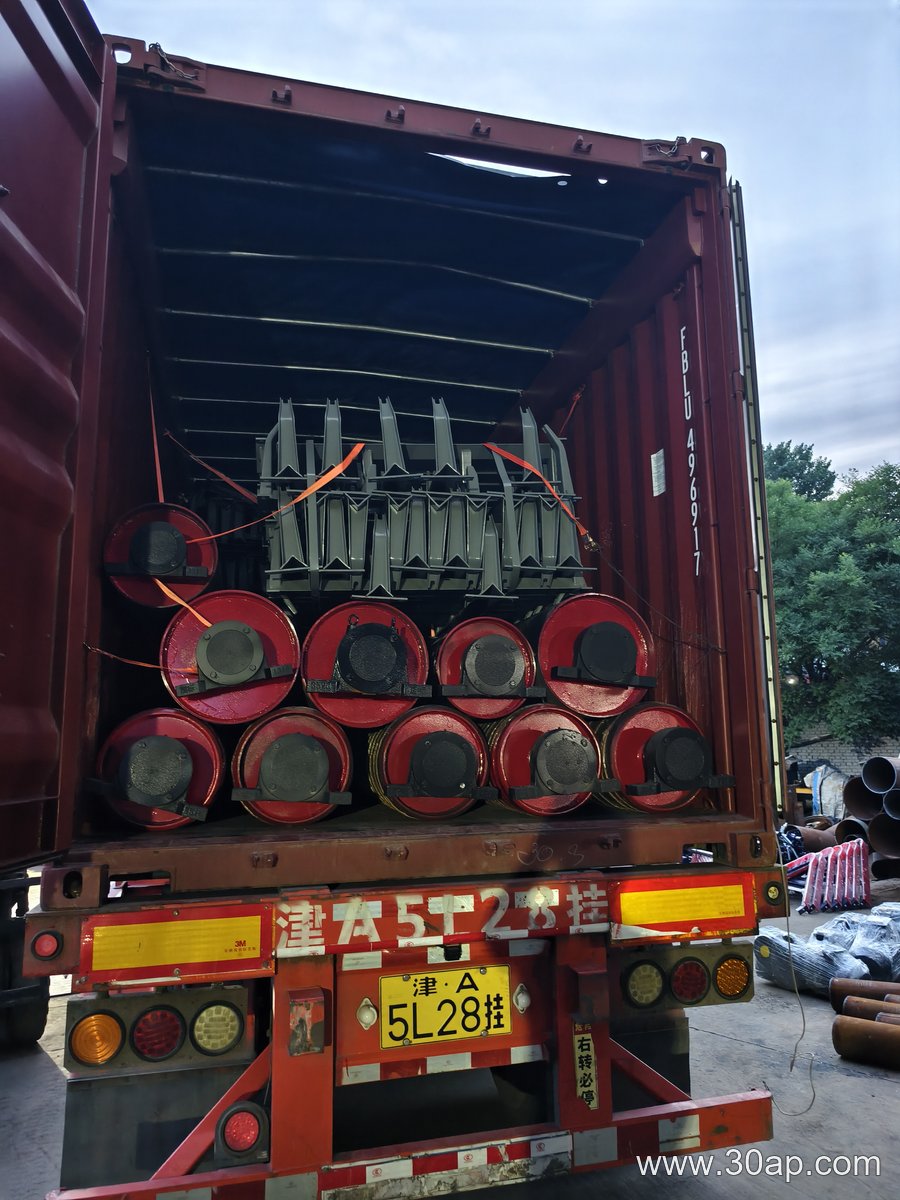
How the Roller and Bracket Are Built
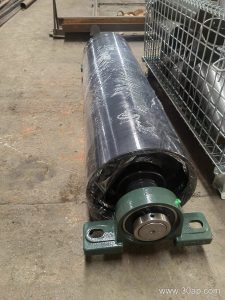
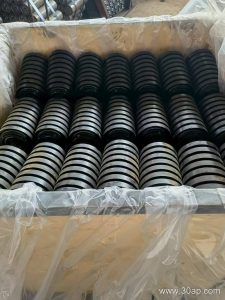
A typical unit combines a steel tube shell, a shaft, sealed bearings, and a mounting frame. Common bearing sizes include 6204, 6205, 6305, 6306, 6308, and 6310, matched to the load and roller diameter rather than to belt width alone. Roller surfaces may be plain steel, nylon, rubber rings, or ceramic, depending on abrasion and material buildup.
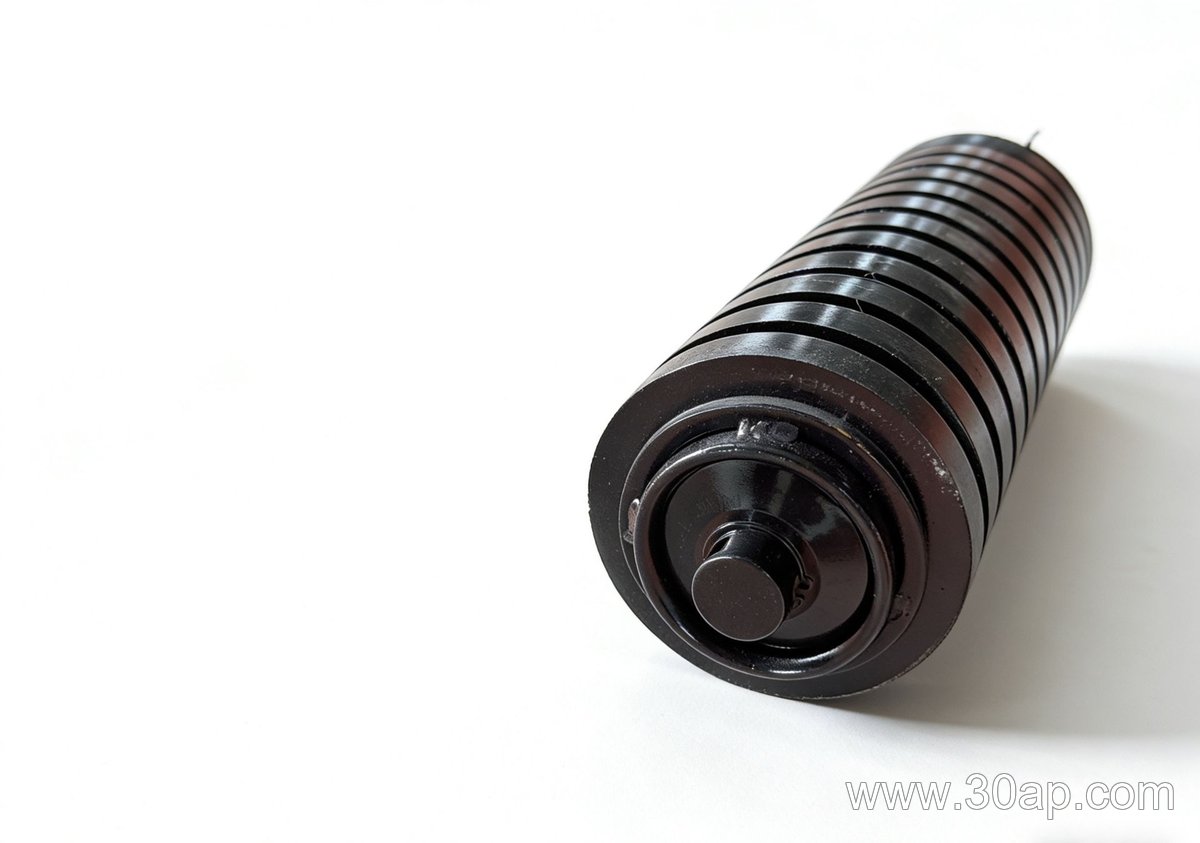
The bracket, sometimes called a conveyor bracket, is the pivot point of the whole assembly. A stiff bracket keeps the roller square to the belt under load, while a worn or bent bracket can make even a good idler ineffective. Inspection of the bracket should therefore be part of any tracking check.
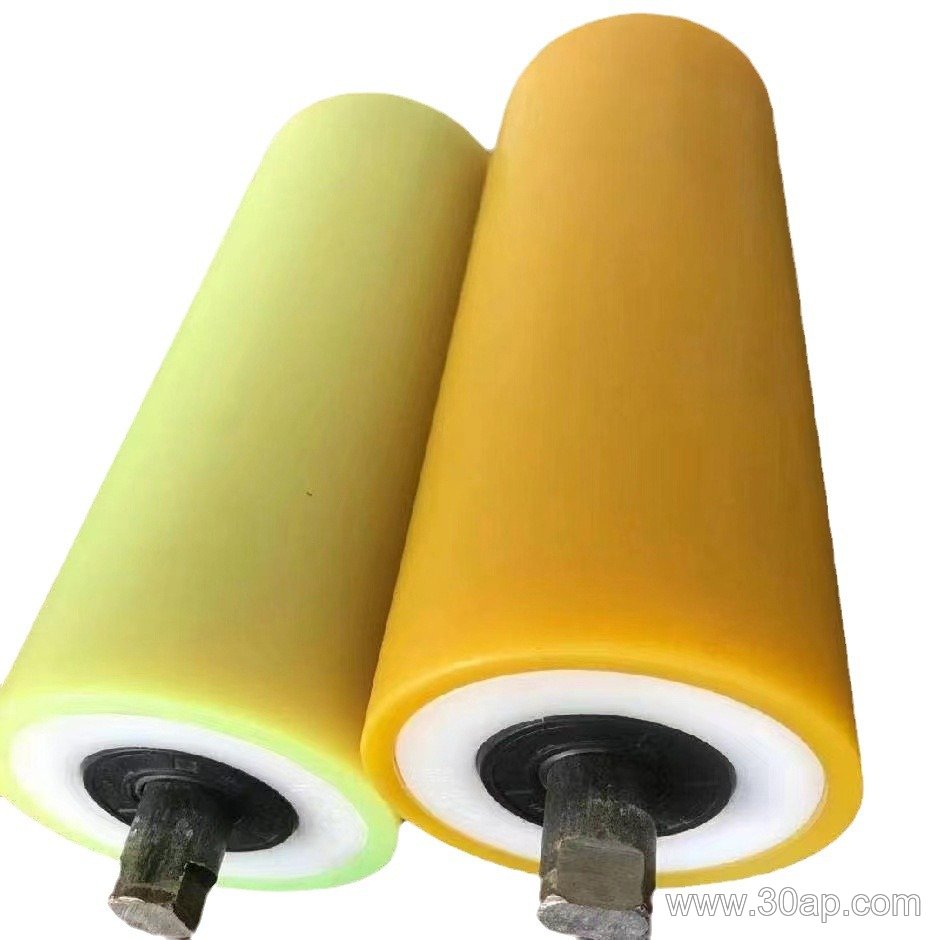
Where It Fits on a Conveyor
Anti-misalignment guide idlers are common in quarry and aggregate lines, where uneven loading and sticky material often push a belt sideways. They are also used in coal handling and crushing circuits. On a typical conveyor, they may appear on the carrying side before the head pulley, on the return strand, or at points where the belt is likely to wander after a transition.
A guide idler is not a replacement for a bend pulley, tail pulley, or drive pulley. It works alongside troughing idlers, return idlers, and impact idlers. For example, a V-type return idler may control the return belt, but a training idler adds active steering where drift is persistent.
Common Sizes and Selection Points
Roller diameter and length are chosen from the conveyor design, not from a single fixed rule. A narrow belt does not automatically dictate one shaft size, and one belt width can work with more than one roller diameter. The table below shows common reference values only; final dimensions should follow the application drawing.
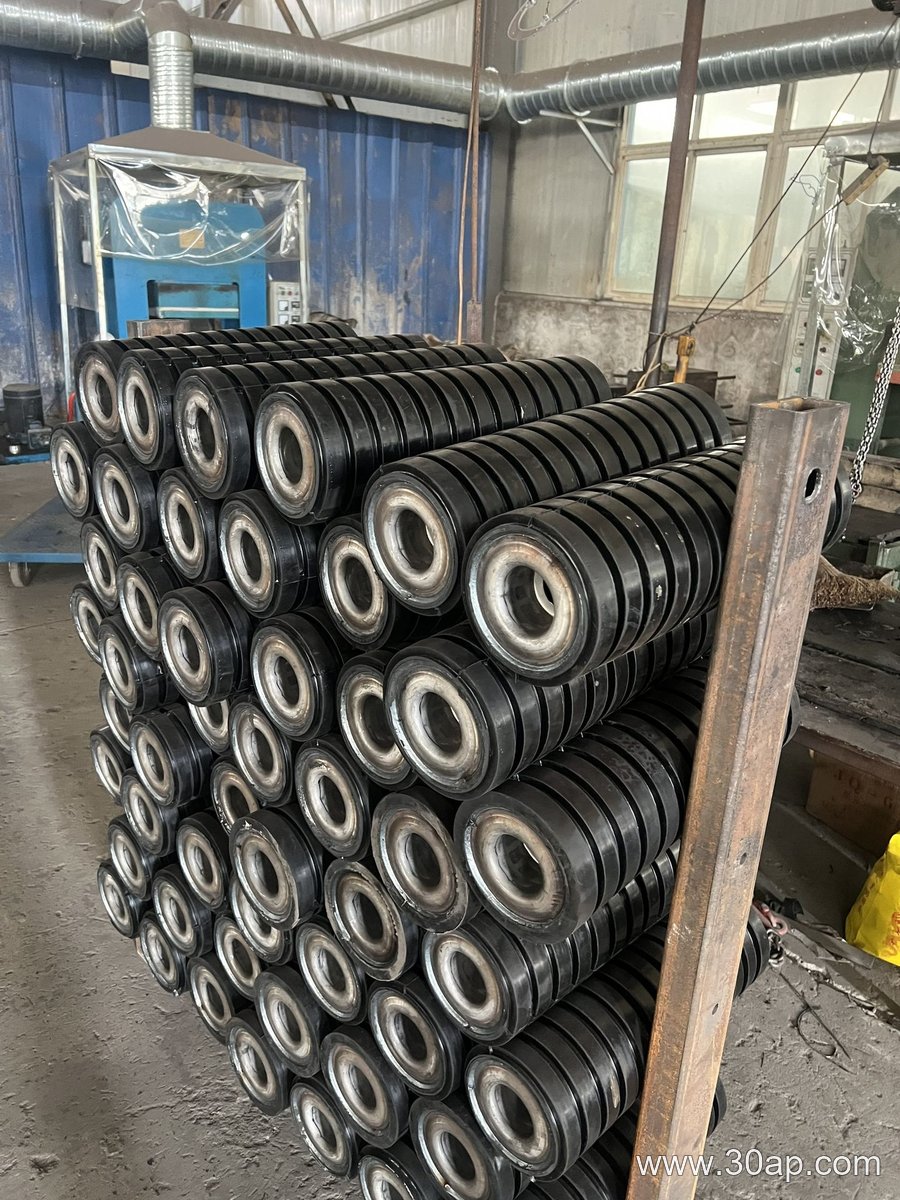
| Parameter | Common reference values |
|---|---|
| Roller diameter | Ø63, Ø76, Ø89, Ø102, Ø108, Ø127, Ø133, Ø159, Ø178, Ø194, Ø219 mm |
| Belt width | B400, B500, B650, B800, B1000, B1200, B1400, B1600, B1800, B2000, B2200, B2400 |
| Troughing angle | 20°, 30°, 35°, 45° |
| Roller surface | Steel tube, nylon, ceramic, rubber rings |
| Bearing | 6204, 6205, 6305, 6306, 6308, 6310 |
For a three-roll troughing set, common roller lengths are about 200 mm at B500, 250 mm at B650, 315 mm at B800, 380 mm at B1000, 465 mm at B1200, 530 mm at B1400, 600 mm at B1600, 670 mm at B1800, and 750 mm at B2000. These are examples, and the side rollers and center roller may differ.
What a Buyer Should Check
- Confirm the belt width and the actual mounting space before ordering a guide idler.
- Match the roller diameter to the load and speed, not only to the belt width.
- Check the bracket type and pivot condition, since tracking depends on free movement.
- Select the roller surface for the material; rubber rings help with impact, while ceramic or nylon may suit different wear conditions.
- Ask for the bearing size and sealing arrangement if the conveyor runs in dust or moisture.
A guide idler is a small component, but it can reduce edge damage, spillage, and downtime. When it is sized correctly and mounted on a sound conveyor bracket, it helps the conveyor belt run centered through the carrying and return zones. If misalignment continues, the cause may be loading, pulley alignment, or structural issues rather than the idler itself.