What a Conveyor Bend Pulley Does
A conveyor bend pulley is a non-driven roller that changes the direction of a conveyor belt, usually at the tail end, near a tensioning device, or wherever the belt path needs to turn. It does not transmit drive torque to the belt, and it is not the same as a drive pulley or a tail pulley. Those parts have different jobs, and treating them as interchangeable can lead to poor belt tracking and premature wear.
On many bulk handling systems, this roller is also called a deflection pulley or a snub pulley when it increases belt wrap around another component. The name changes with the duty, but the function stays the same: guide the belt without pulling it.
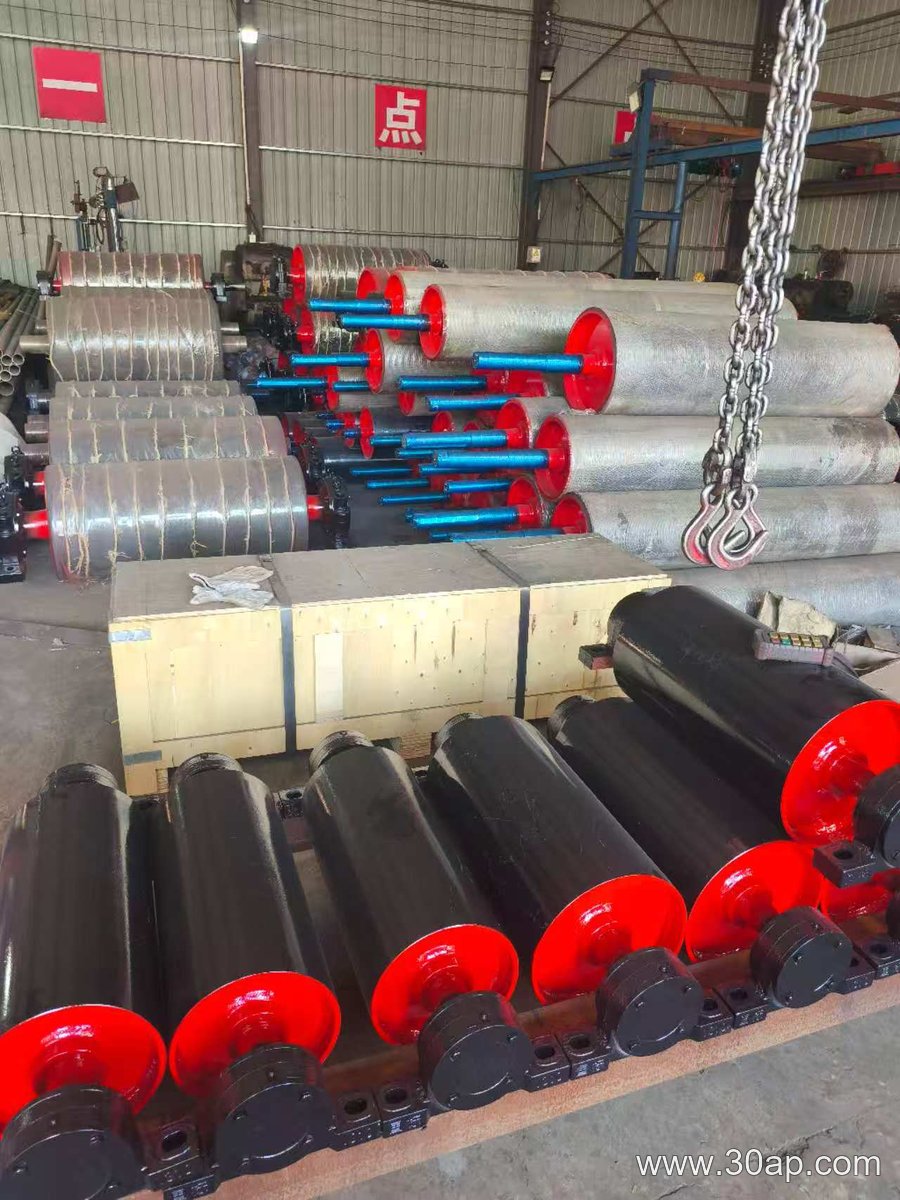
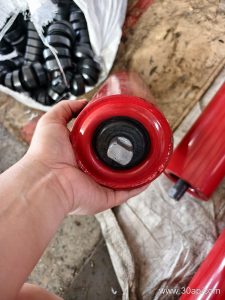
Construction and Surface Options
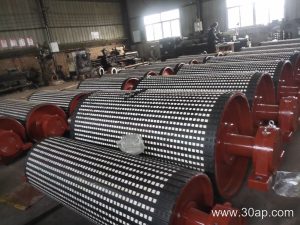
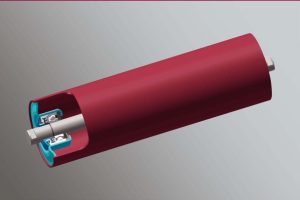
A typical bend roller is built around a steel drum with end discs, a shaft, and bearing housings. The shell may be plain or covered with rubber. Common surface forms include smooth finish, hot vulcanized rubber, cold bonded rubber, diamond grooving, and ceramic lagging. Lagging thickness is often 8 mm, 10 mm, 12 mm, 15 mm, or 20 mm, depending on grip and wear requirements.
For a non-driven position, lagging is mainly used to protect the shell and improve belt contact. It is not a substitute for the traction surface of a drive pulley. If the belt is wet, oily, or dusty, a grooved or ceramic cover may help, but the selection should match the actual conditions rather than a default choice.
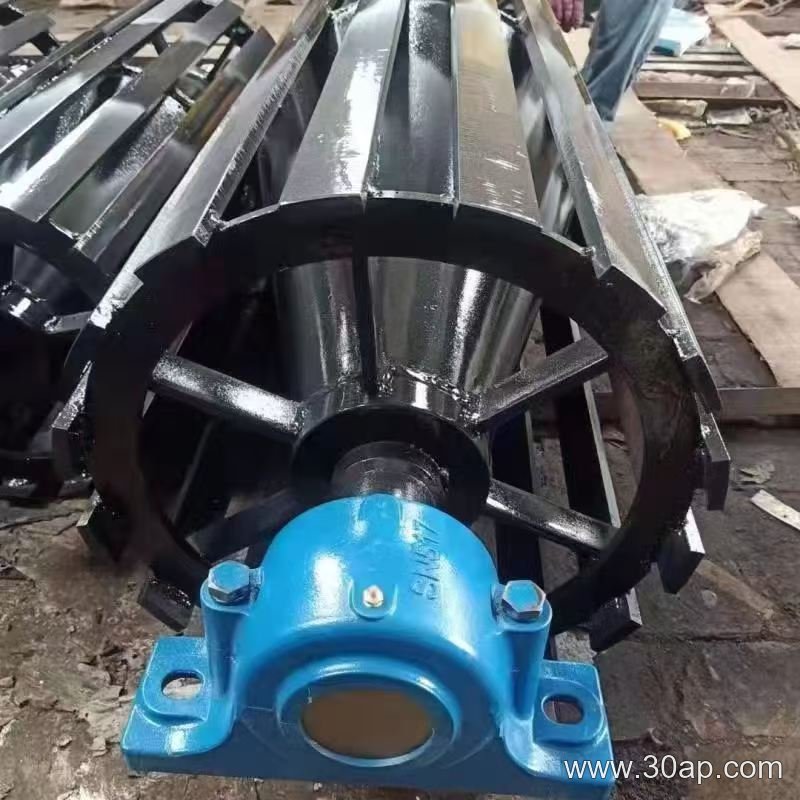
Where It Fits in a Conveyor
These pulleys appear in quarries, sand and gravel plants, coal preparation facilities, and crushing and screening circuits. In a limestone mine, for example, a bend roller may route the belt around an obstacle before the material reaches the discharge point. In a concrete batching plant, a smaller unit may guide the belt near the head or tail. The location determines the load, the wrap angle, and the bearing size.
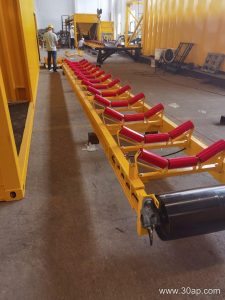
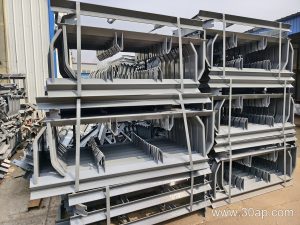
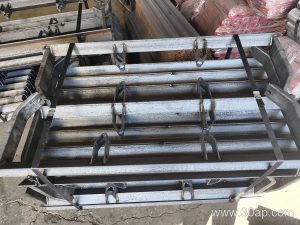
Related equipment includes the conveyor belt, idler rollers, conveyor pulleys, and conveyor brackets. A bend pulley works with these parts, but it should not be confused with a tension pulley or a take-up pulley, which are used to maintain belt tension.
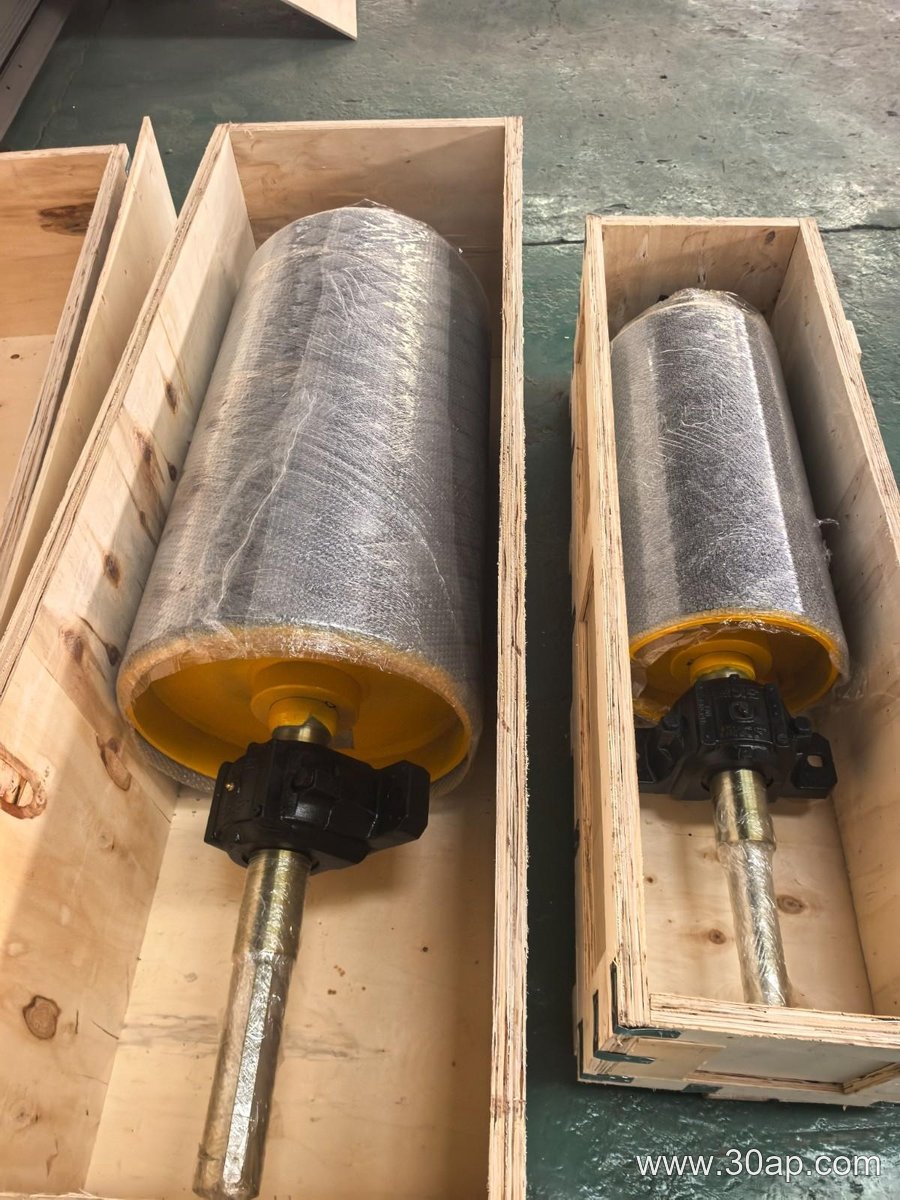
Sizing and Selection Points
Belt width and pulley diameter are related by design, not by a fixed rule. A B800 belt may run with a Ø500 bend pulley in one system and a different diameter in another. Common combinations such as B1200 × Ø1000 or B1400 × Ø800 can be found, but they are examples, not mandatory matches. The shaft diameter is determined by torque and load, not by belt width alone. Typical shaft sizes include Ø50, Ø60, Ø70, Ø80, Ø90, Ø100, Ø120, Ø140, Ø160, Ø180, and Ø200, but the final value comes from the conveyor calculation.
The pulley face width is usually wider than the belt. For reference, B400 may use about 500 mm face width, B500 about 600 mm, B650 about 750 mm, B800 about 950 mm, B1000 about 1150 mm, and B1200 about 1400 mm. These are common ranges, not universal specifications.
What Buyers Should Check
- Confirm the belt path and the wrap angle at the bend point.
- Match the pulley diameter to the belt stiffness and the allowed bending radius.
- Check the bearing type, housing, and shaft size for the actual load.
- Choose lagging only when it supports belt tracking or shell protection.
- Verify the face width against the belt width and the conveyor frame.
- Ask for the balancing grade if the pulley will run at higher speed.
A conveyor bend pulley is a small part of the system, but it affects belt life and alignment. A buyer who understands its role can avoid ordering a drive or tail pulley by mistake and can keep the belt running smoothly through every turn.