What a High-Friction Lagged Pulley Does
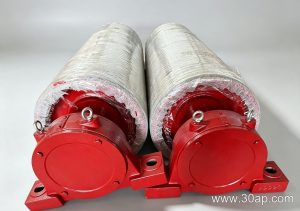
A high-friction lagged pulley is a conveyor pulley whose shell is covered with a rubber or ceramic layer to increase grip on the conveyor belt. This added friction reduces slip, improves torque transmission, and helps maintain belt tracking under heavy loads. In quarry and aggregate circuits, this pulley is often the drive or tail pulley where reliable traction is critical. Unlike a standard smooth pulley, the lagging creates a consistent contact surface that can handle abrasive dust and wet conditions.
The term “lagged” refers to the applied covering, while “high-friction” describes the performance characteristic. This product is not a substitute for a conveyor pulley in general; it is a specific subtype used where standard friction is insufficient. Drive, tail, and bend pulleys serve different roles and are not interchangeable.
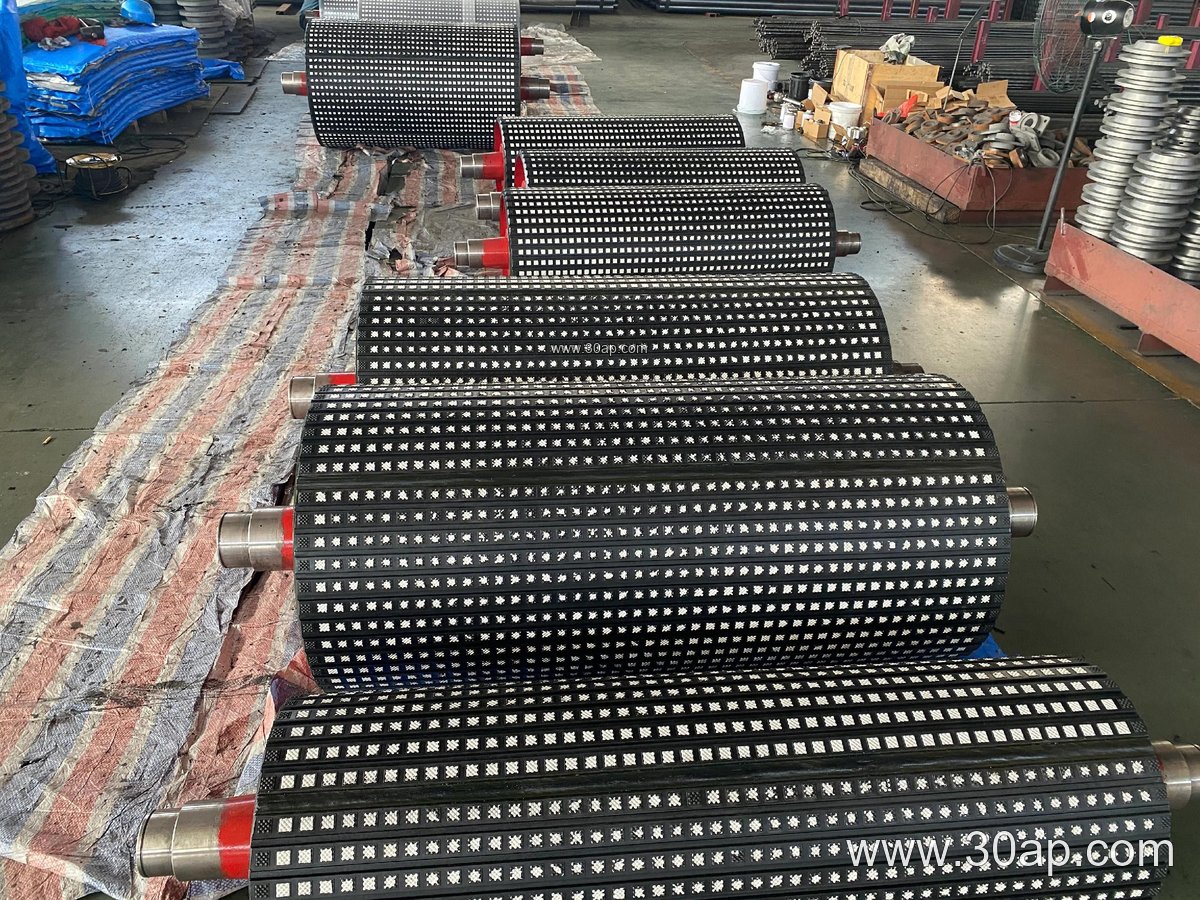
Construction and Surface Options
Build quality starts with the shell, which is typically welded steel, and the shaft, sized by torque and load rather than belt width alone. Common shaft diameters include Ø80, Ø100, Ø120, Ø140, and Ø160 mm, but final selection depends on the conveyor design. The lagging is applied in several ways:
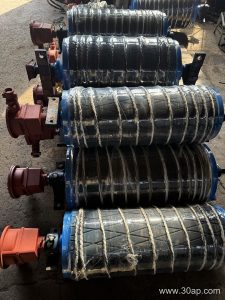
- Hot vulcanized rubber – strong bond, suitable for high-torque drives.
- Cold-bonded rubber – easier to replace in the field.
- Diamond or herringbone pattern – improves water and debris shedding.
- Ceramic lagging – for very abrasive conditions such as iron ore or limestone.
Lagging thickness commonly ranges from 8 mm to 20 mm. The pulley face width usually exceeds belt width; for example, a B800 belt may use a 950 mm face, and a B1200 belt may use a 1400 mm face. These are typical references, not fixed rules. A B1200 × Ø1000 high-friction lagged pulley is a common combination in primary crushing stations, but other diameters such as Ø800 or Ø1250 may also be appropriate depending on belt tension and wrap angle.
Where It Fits in the Conveyor
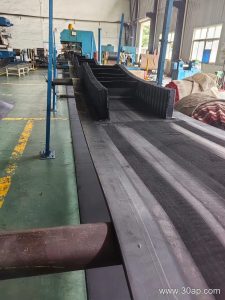
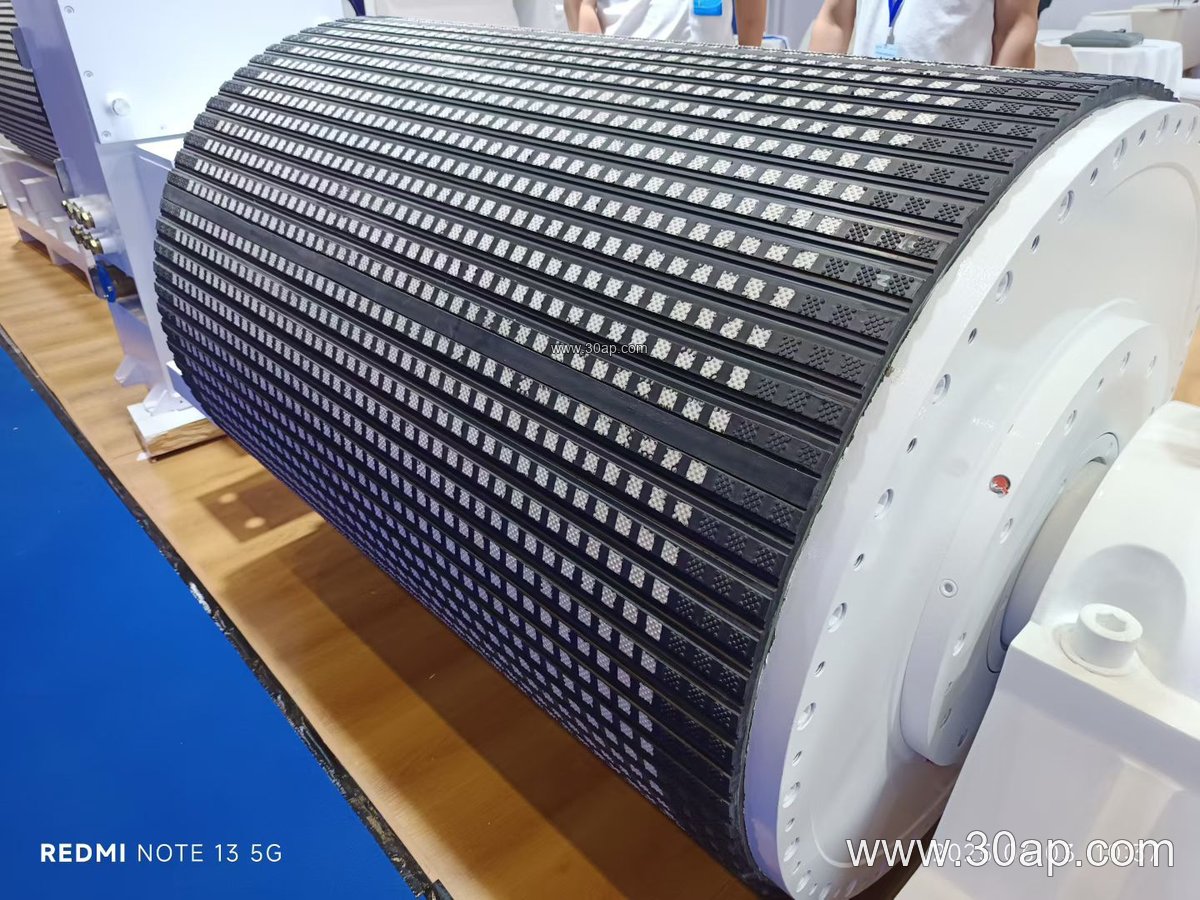
This pulley is often found at the head drive position in stone crushing plants, where it must transmit power without slipping under start-up loads. It also appears as a tail pulley in underground coal mining conveyors, helping to keep the belt aligned during reverse operation. In cement plants, it may be used on clinker conveyors where heat and dust are present, though heat-resistant lagging grades should be specified. Other applications include power plant coal handling and port bulk terminals.
For comparison, a bend pulley changes belt direction without driving, so it usually does not require high-friction lagging. A drive pulley, however, benefits directly from the added grip. This distinction matters when selecting replacement parts: a high-friction lagged pulley is not a drop-in substitute for every pulley position.
Matching the Pulley to the Belt and Load
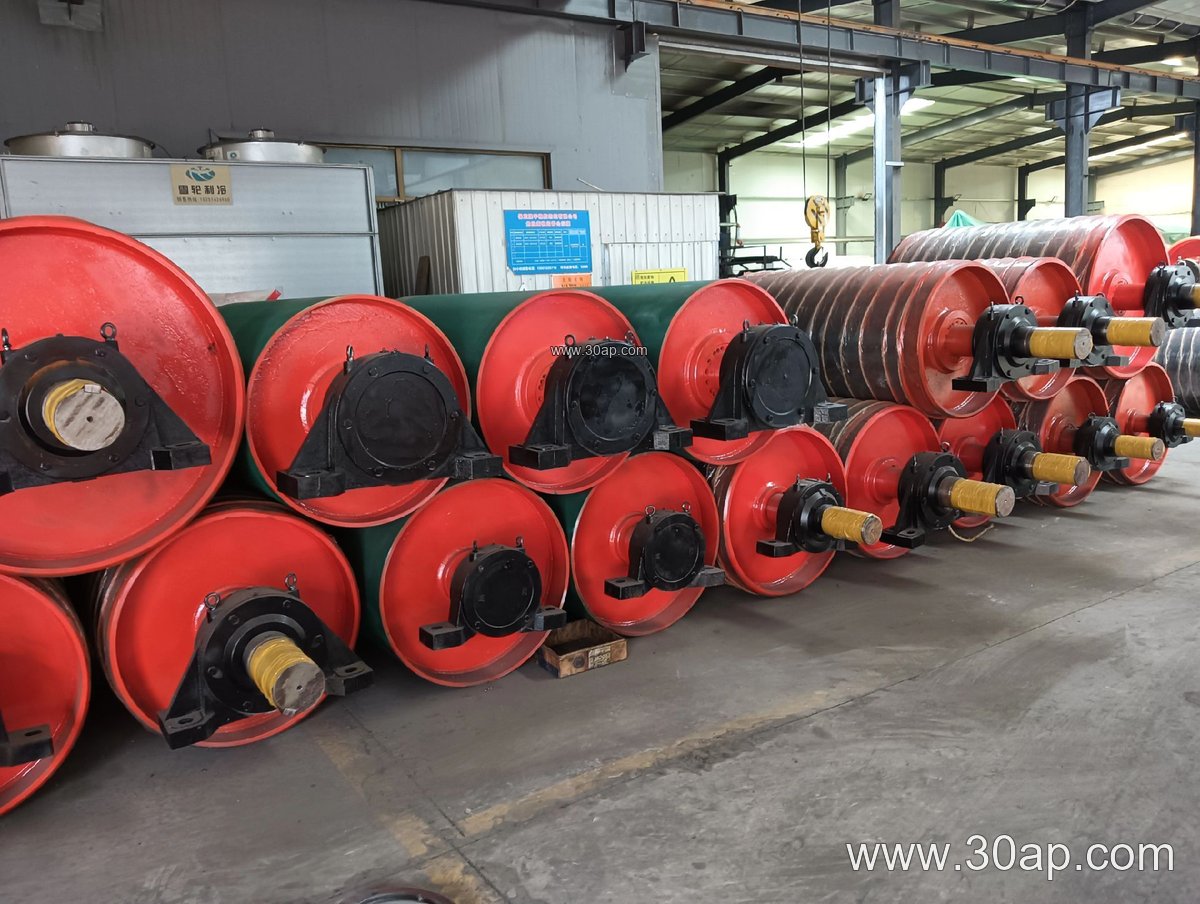
Belt width and pulley diameter are related but not locked together. A 1000 mm wide EP conveyor belt might run on a Ø630 mm pulley in one conveyor and a Ø800 mm pulley in another, depending on tension and space. The key is to calculate the required friction coefficient and confirm the lagging can deliver it. For heavy-duty mining conveyor belts, ceramic or thick rubber lagging is often preferred. For food-grade or oil-resistant belts, check that the lagging compound is compatible.
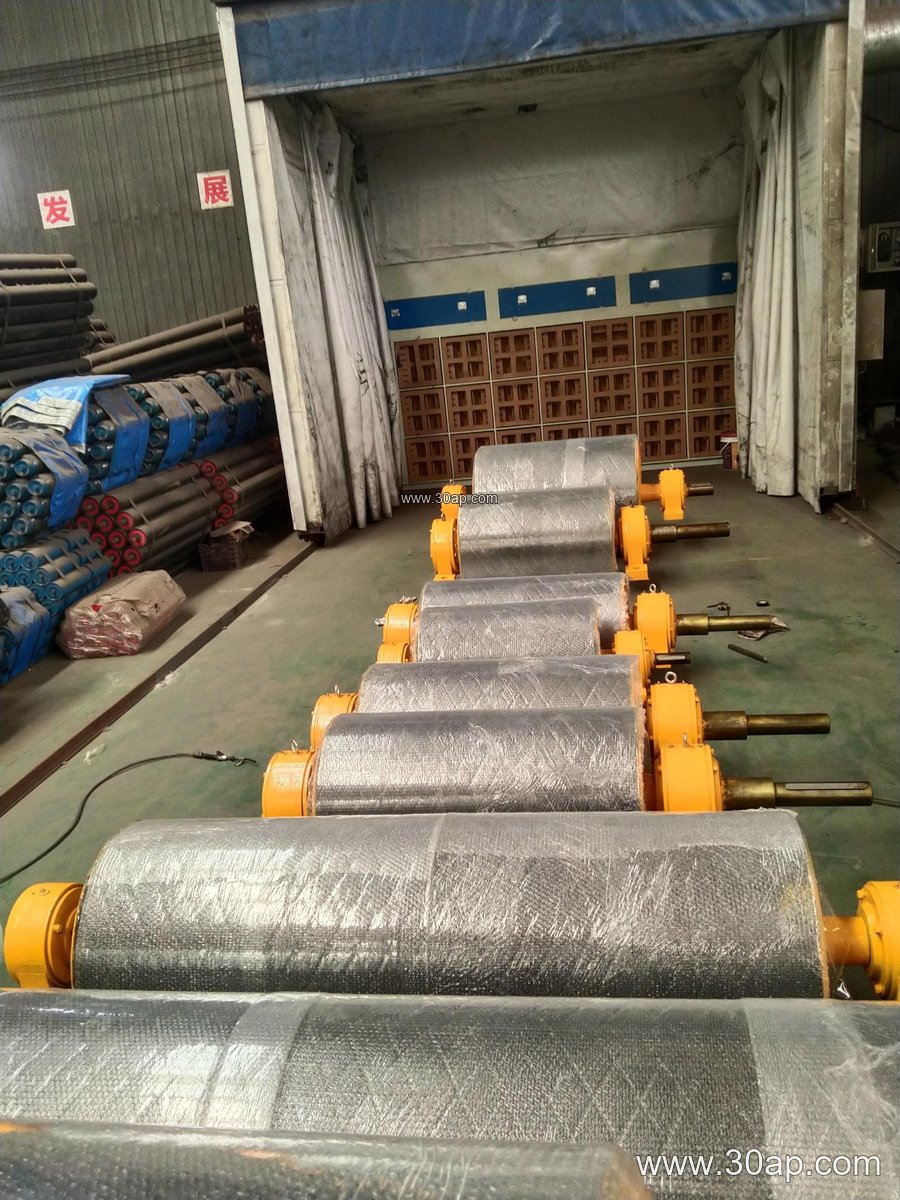
Common belt widths in the field include B500, B650, B800, B1000, B1200, B1400, B1600, and B1800. The pulley face width should be slightly wider than the belt to allow for misalignment. A B650 belt typically uses a 750 mm face, while a B1400 belt may use a 1600 mm face. These are reference values; actual dimensions are confirmed by the conveyor designer.
Buyer Checklist
Before ordering, gather the following information:
- Belt width and type (e.g., fabric core, steel cord, chevron, or corrugated sidewall).
- Pulley position: drive, tail, or take-up.
- Required shaft diameter and bearing size.
- Lagging thickness and pattern (plain, diamond, herringbone, ceramic).
- Environmental conditions: dust, water, oil, heat, or flame risk.
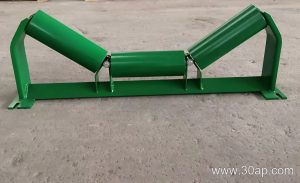
Also consider the idler roller and conveyor bracket compatibility. A high-friction lagged pulley works best when the entire conveyor system is matched, including belt tension and tracking. Maintenance should include periodic inspection of lagging wear; worn or glazed lagging reduces friction and can cause belt slip. Re-lagging is often possible without replacing the whole pulley.
For harsh aggregate or mining duty, specify abrasion-resistant rubber or ceramic lagging. For coal mining, flame-retardant lagging may be required. Always confirm that the selected lagging meets the site’s safety and operational requirements. The goal is a pulley that grips reliably without over-stressing the belt or shaft.