What a Fixed Conveyor Bracket Does on a Belt System
A fixed conveyor bracket is the rigid support that holds idler rollers at a set position under or along the conveyor belt. Unlike an adjustable frame, a fixed bracket locks the roller at one trough angle and one height, so the belt profile stays constant through the whole run. In a quarry, a cement plant, or a power plant coal yard, this rigid geometry is what keeps the belt tracking straight and the material centered.
The bracket is not a wear part in the same way a roller is, but it carries the full load of the belt, the material, and the roller itself. That is why the steel section, the weld quality, and the hole positions matter as much as the roller diameter.
How the Bracket Is Built
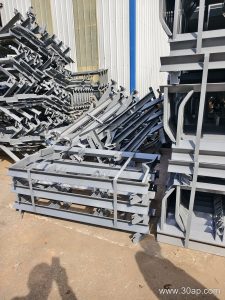
Most fixed brackets are fabricated from angle steel, channel steel, or folded steel plate. A troughing bracket usually has two angled wings that set the side rollers and a flat base or center section for the middle roller. Return brackets are flatter, and V-return brackets are bent to form a shallow V that helps the belt shed debris.
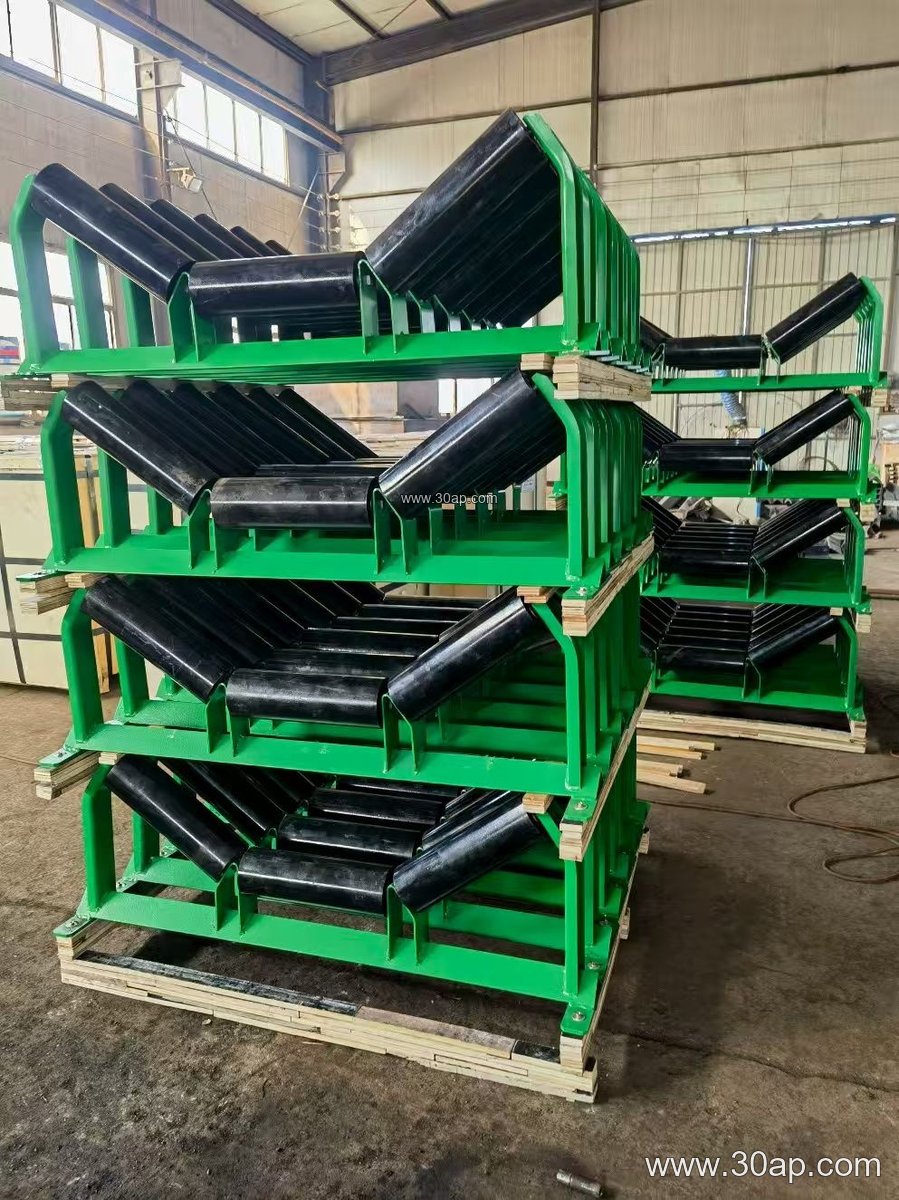
Typical construction points a buyer should check:
- Welds should be continuous at load points, not spot welded.
- Mounting slots or holes must match the conveyor stringer spacing.
- Roller cradle notches should hold the shaft without play.
- Surface finish should resist corrosion in wet or dusty service.
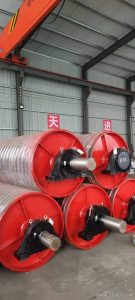
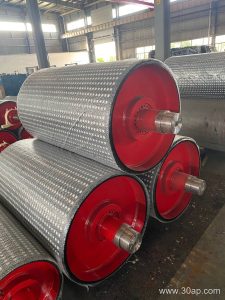
The bracket works together with the conveyor belt, the idler roller, and the conveyor pulley at each end of the run. If the bracket is loose or misaligned, the belt will wander, and the pulley will wear unevenly.
Trough Angles and Roller Diameters
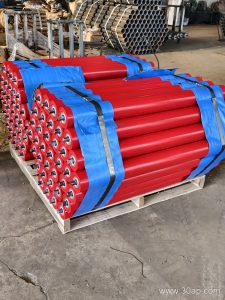
The trough angle is the main specification for a fixed bracket. Common values are 20, 30, 35, and 45 degrees. A 35 degree bracket is a frequent choice for bulk material, while 45 degrees gives a deeper trough for higher capacity. Roller diameters usually range from Ø89 to Ø194, and the bracket cradle must match the shaft size of the roller it carries.
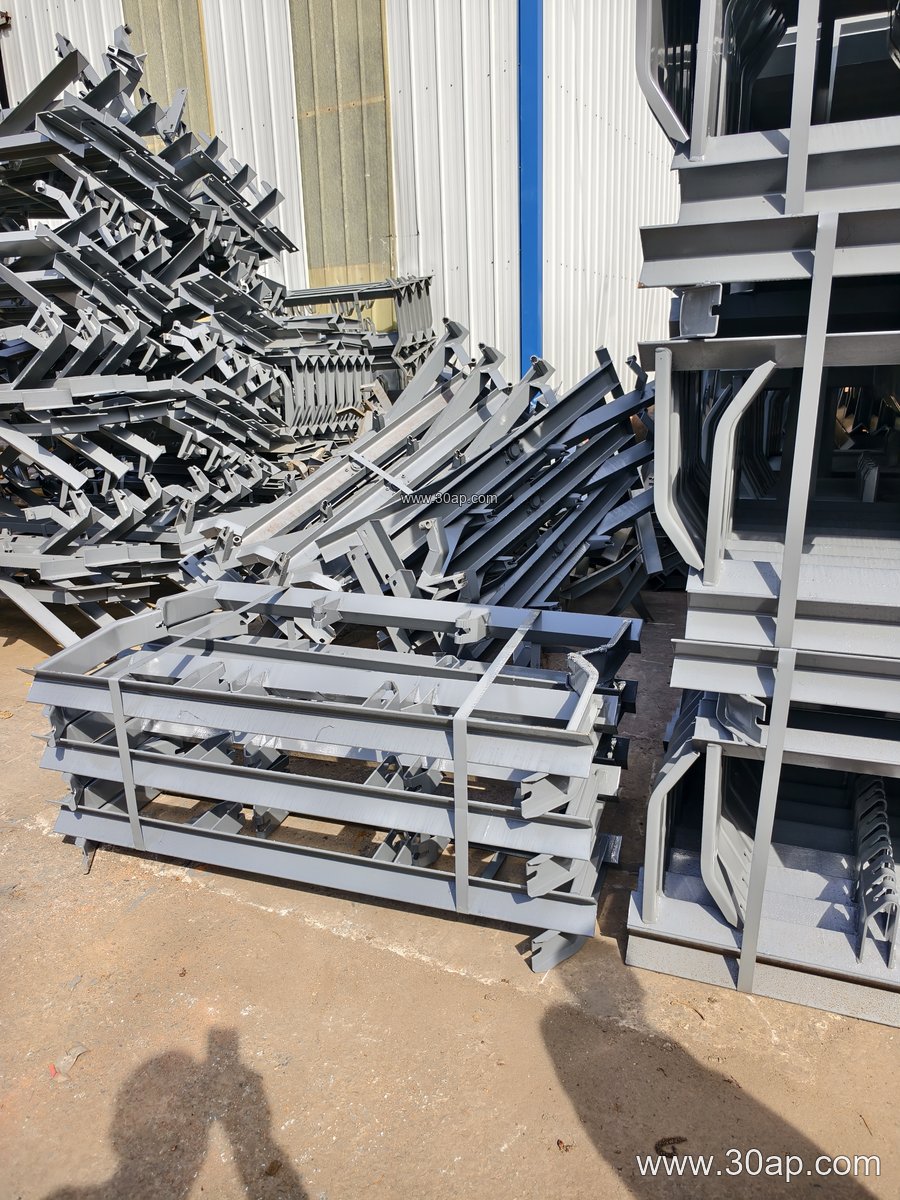
Belt width and trough angle are related but not locked together. A B800 belt can run at 30 or 35 degrees depending on the design, and a B1200 belt may use 35 or 45 degrees. The table below shows common reference combinations, not mandatory pairings.
| Belt Width | Common Trough Angle | Typical Roller Diameter |
|---|---|---|
| B500 | 20–30 degrees | Ø89 |
| B650 | 30 degrees | Ø89–Ø108 |
| B800 | 30–35 degrees | Ø108 |
| B1000 | 35 degrees | Ø108–Ø133 |
| B1200 | 35–45 degrees | Ø133 |
| B1400 | 35–45 degrees | Ø133–Ø159 |
| B1600 | 45 degrees | Ø159 |
| B1800 | 45 degrees | Ø159–Ø194 |
Installation hole spacing and crossbeam length change with belt width and trough angle, so they should be confirmed against the conveyor drawing rather than assumed.
Where Fixed Brackets Are Used
Fixed brackets suit long, stable runs where the belt line does not change. In a limestone mine or a crushing and screening line, the loading zone may use impact brackets, while the rest of the run uses fixed troughing brackets. In a coal washing plant, fixed return brackets keep the empty belt supported and reduce spillage.
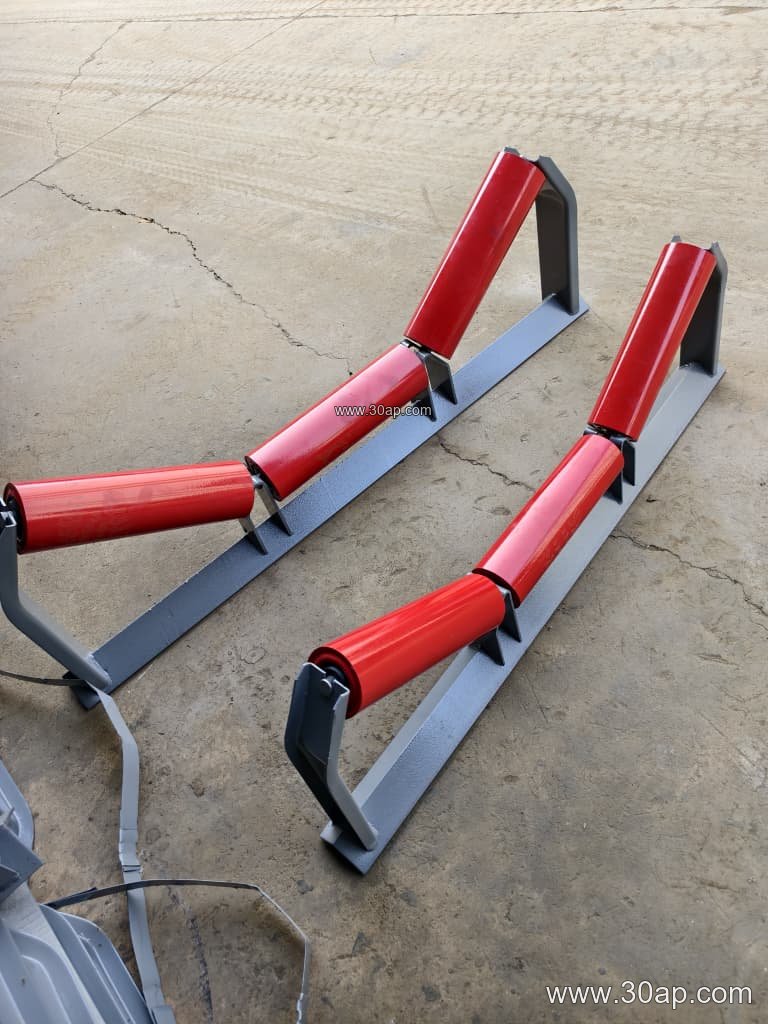
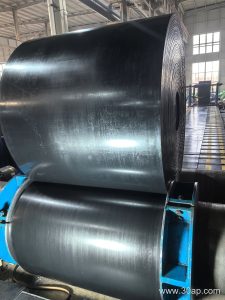
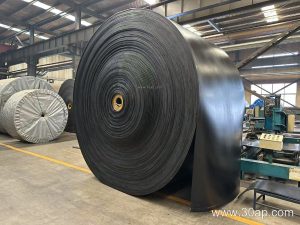
For dusty or abrasive duty, the belt itself is often a heavy-duty mining conveyor belt or an abrasion resistant conveyor belt. In cement plants and power plant coal handling, a flame retardant conveyor belt is common where fire risk must be controlled. The bracket does not change with the belt type, but the roller load does, so heavier belts call for stronger frames.
Fixed Versus Adjustable Brackets
An adjustable bracket lets maintenance staff change the trough angle or roller position without replacing the frame. A fixed bracket gives a more rigid, repeatable profile and usually costs less. It is the better choice when the conveyor design is settled and the belt line should not move. Adjustable frames are useful at transfer points or where the material mix changes seasonally.
Neither type replaces a self-aligning bracket, which is used to correct belt wander. A fixed bracket holds position; an aligning bracket responds to misalignment.
Buyer Checklist
- Confirm belt width, trough angle, and roller shaft diameter as a set.
- Check that hole spacing matches the existing stringer.
- Ask for the steel section and plate thickness.
- Match the bracket finish to the site conditions.
- Order spare brackets for the loading zone, where impact damage is most likely.
For more on matching frames with rollers and belts, see guangxin's conveyor bracket and idler roller pages. A well-chosen fixed bracket is a small part of the conveyor, but it decides how long the belt and rollers last.