What the Trough Idler Bracket Set Does
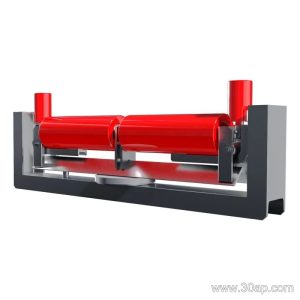
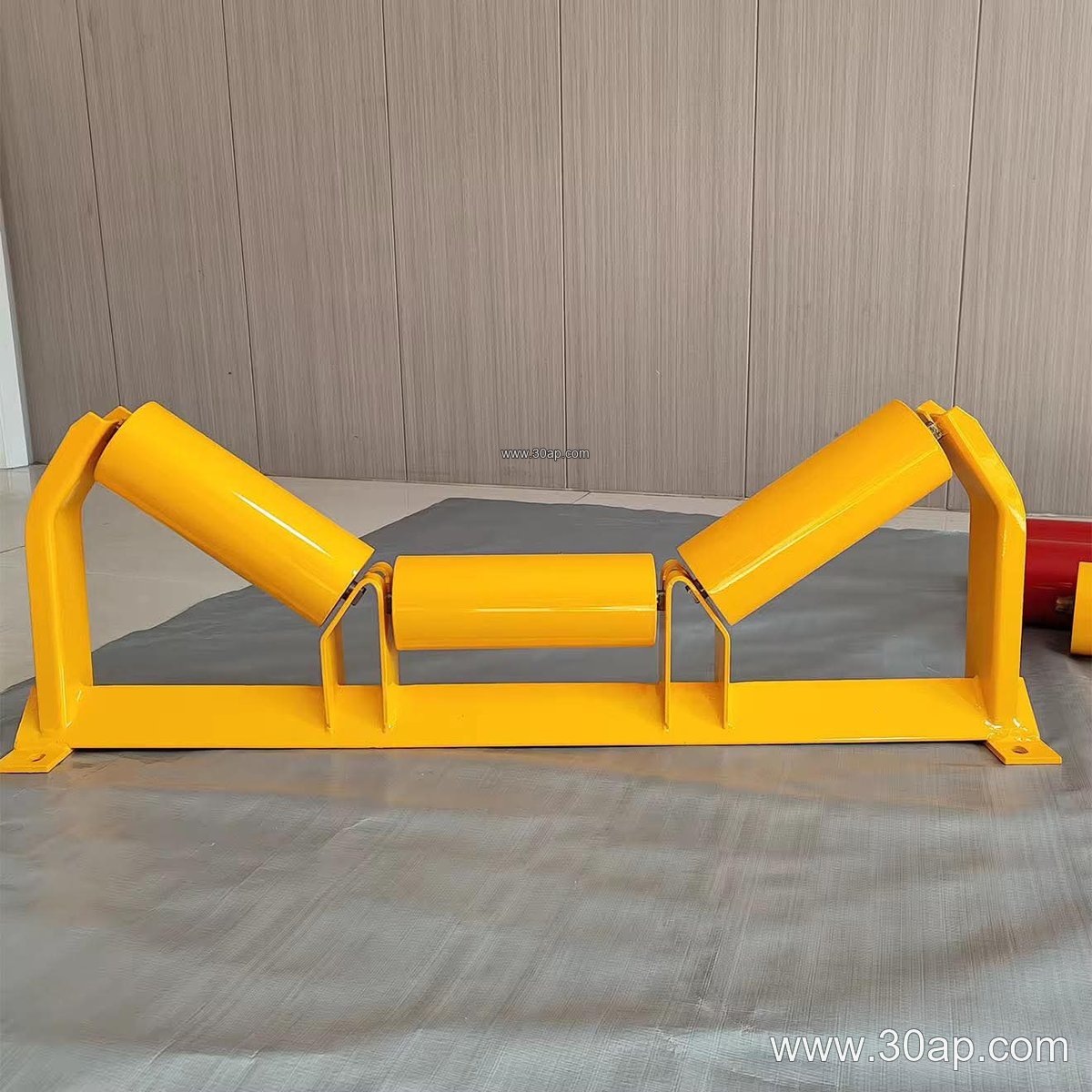
A trough idler bracket set is the support frame that holds the carrying idlers in the shape of a trough, so the conveyor belt keeps a curved profile and the bulk material stays centered on the line. In a quarry, a limestone mine or a cement plant, this set is one of the least expensive parts of the conveyor, yet it decides how evenly the belt runs and how long the idler roller bearings last. The set is usually supplied as a matched group of brackets and cross members for one idler station, ready to bolt onto the conveyor stringer.
The same item is often called a troughing idler bracket set or a carrying idler bracket assembly. Those names describe the same product, while return brackets, transition brackets and self-aligning brackets are different subtypes and are not interchangeable with it.
How the Set Is Built
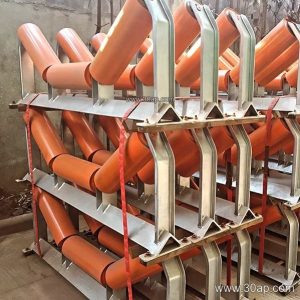
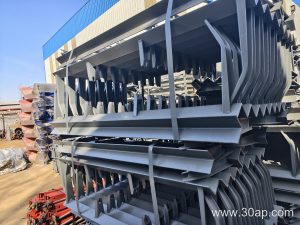
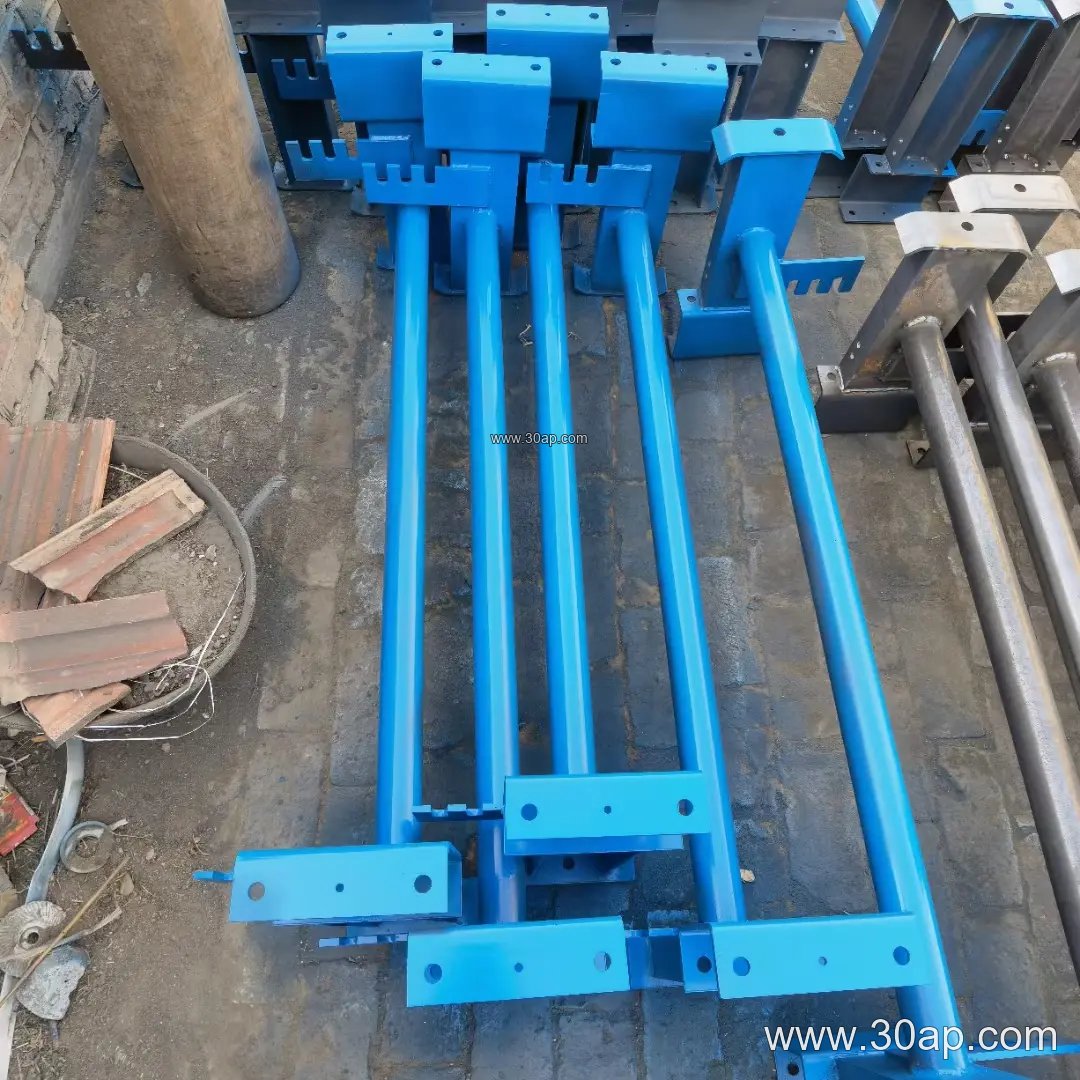
Most sets are fabricated from angle steel, channel steel or folded steel plate. A three-roller station normally has two inclined side brackets and a base section that fixes the trough angle. The brackets carry slotted or drilled mounting points so the idler shafts sit at the correct spacing, and the whole set is fastened to the conveyor bracket on the stringer with bolts.
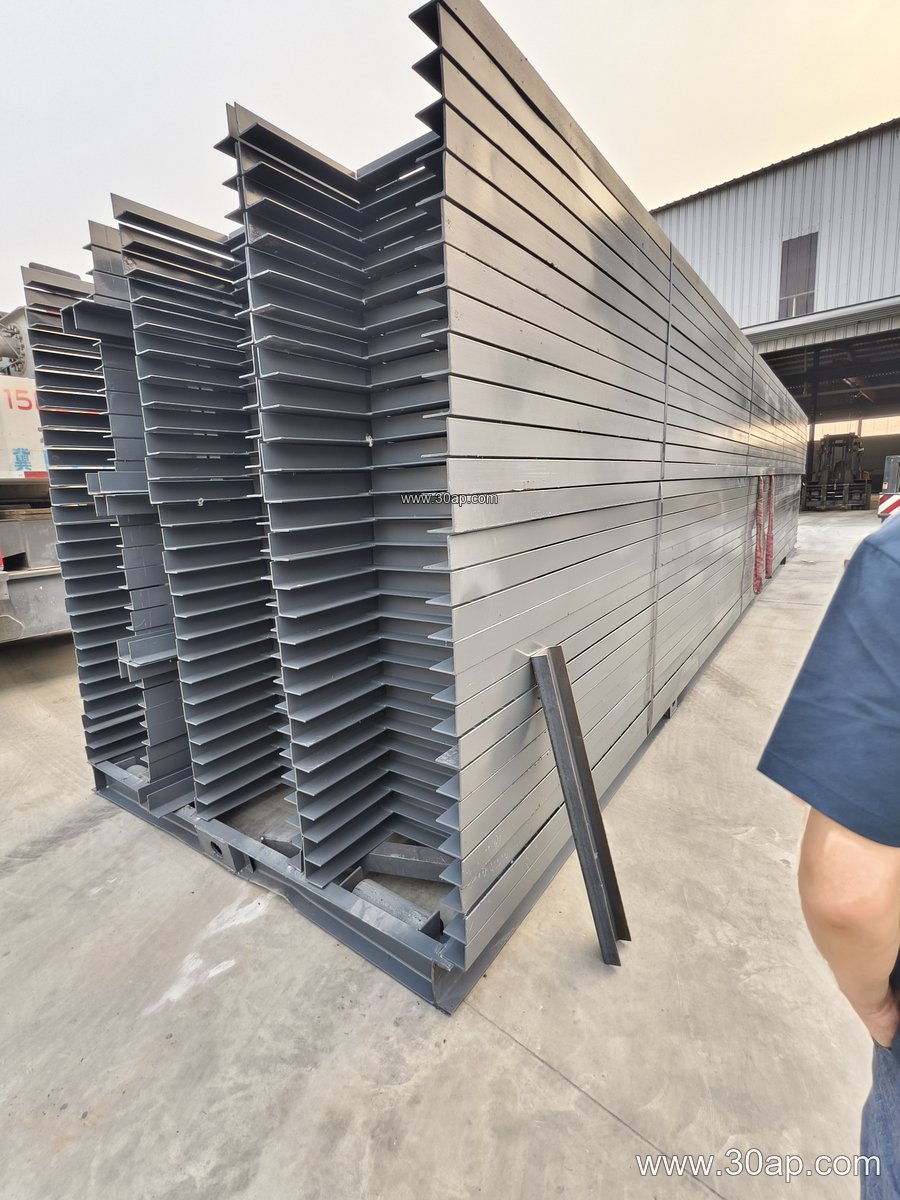
- Side brackets that set the trough angle
- Cross beam or base plate tied to the conveyor frame
- Mounting holes or slots for idler shaft ends
- Optional adjustable arms for changing the trough angle
Fixed and adjustable versions are both common. An adjustable bracket set lets maintenance staff move between 20, 30, 35 and 45 degree trough angles, which is useful when a line handles different materials. Fixed sets are simpler and stiffer, and they are often chosen where the belt loading is steady.
Where It Fits on the Conveyor
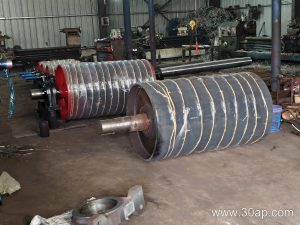
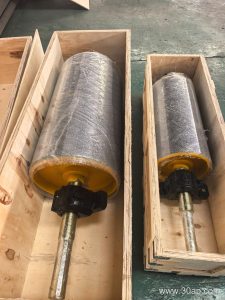
The set belongs to the carrying side of the conveyor. It works together with the conveyor belt, the idler rollers and the conveyor pulley at each end of the line. Drive pulleys, tail pulleys and bend pulleys are separate components with their own duties and are never replaced by a trough bracket set.
Typical locations include:
- Coal handling and coal mining conveyors, including underground mining lines
- Cement plant clinker and raw meal transport
- Power plant coal feeding systems
- Sand and aggregate lines, crusher discharge and screening plants
- Port and ship loading conveyors handling bulk material
On a heavy-duty mining conveyor belt carrying ore, the bracket set must resist vibration and impact. Near a crusher, a buffer or impact bracket set is often used instead of the standard troughing type.
Matching Bracket, Belt Width and Idler Diameter
Buyers should treat the belt width, trough angle and idler diameter as a design group, not as a fixed formula. A B800 belt may run at 30 or 35 degrees with a Ø108 idler, while a B1200 line often uses 35 or 45 degrees with Ø133 rollers. Larger widths such as B1800 and B2000 usually call for heavier brackets and larger roller diameters such as Ø159 or Ø194. Mounting hole spacing and cross beam length change with belt width and trough angle, so they should be confirmed against the drawing rather than assumed.
| Belt width | Common trough angle | Typical idler diameter |
|---|---|---|
| B500 | 20 to 30 degrees | Ø89 |
| B650 | 30 degrees | Ø89 to Ø108 |
| B800 | 30 to 35 degrees | Ø108 |
| B1000 | 35 degrees | Ø108 to Ø133 |
| B1200 | 35 to 45 degrees | Ø133 |
| B1400 | 35 to 45 degrees | Ø133 to Ø159 |
| B1600 | 35 to 45 degrees | Ø159 |
| B1800 to B2200 | 35 to 45 degrees | Ø159 to Ø194 |
These values are reference ranges only. Final selection depends on belt speed, material density and the load carried by each station. For example, an EP conveyor belt or a steel cord conveyor belt running at high tension may need a stiffer bracket set than a light fabric core belt on the same width.
What to Check Before Ordering
- Confirm the belt width and the required trough angle, and state whether the set must be fixed or adjustable.
- Give the idler diameter and shaft end shape so the mounting slots match the idler roller.
- Check the stringer type and bolt hole pattern, since the set must sit flat on the conveyor bracket.
- For dusty or wet sites, ask about galvanizing or painting to slow corrosion.
- Order spare sets for the stations that wear fastest, usually near loading points.
On a coal mining conveyor belt or an abrasive ore conveyor, small alignment errors at the bracket multiply into belt edge wear. Checking bracket height and angle during routine inspection is a simple way to protect the belt, the idlers and the pulleys at the same time.