What the Ø108 Self-Aligning Idler Does
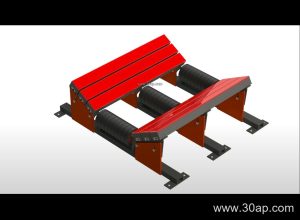
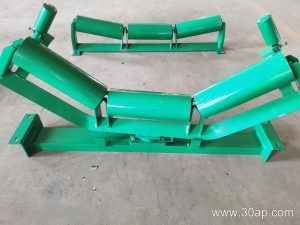
The Ø108 Self-Aligning Idler is a 108 mm diameter roller assembly built to keep a conveyor belt centred on its run. In a sand and gravel line or a cement plant, even a small drift in belt position can rub the belt against the frame and spill material along the whole length of the conveyor. This idler is the component that corrects that drift before it becomes a problem. The “self-aligning” part of the name refers to its ability to pivot slightly and steer the belt back toward the centre line, without any operator input.
The same product is also called a 108 mm self-aligning roller or Ø108 training idler. These names describe one item; they are not different components, and the diameter qualifier should stay with the name so it is not confused with other training roller sizes.
How the Assembly Is Built
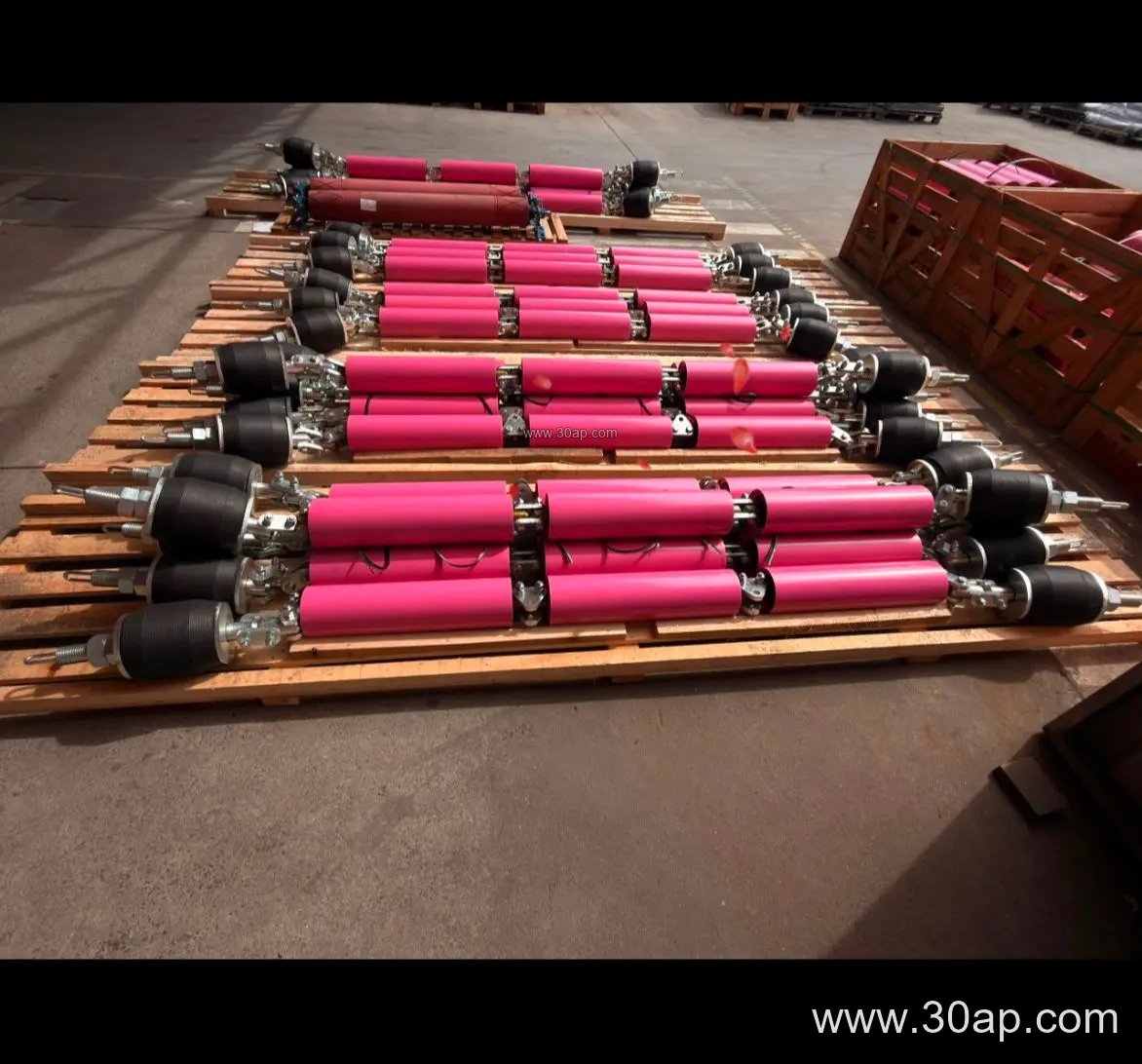
A typical Ø108 self-aligning idler is mounted on a bracket that allows the roller frame to rotate a few degrees around a vertical pivot. When the belt edges contact the guide rollers at each end, the frame swings and the roller axis becomes slightly skewed relative to the belt travel. This skew produces a small sideways force that pushes the belt back to centre. The effect is mechanical and continuous.
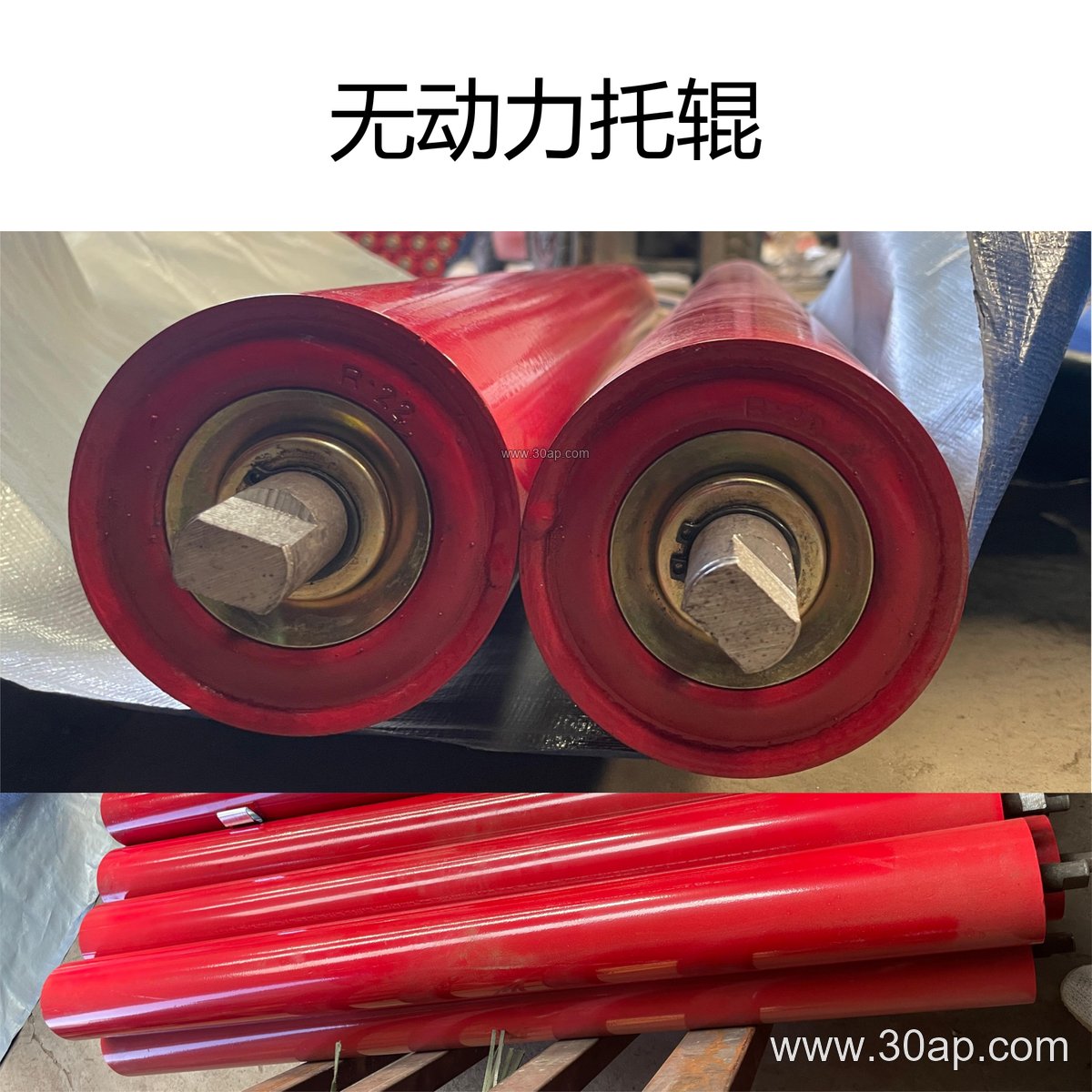
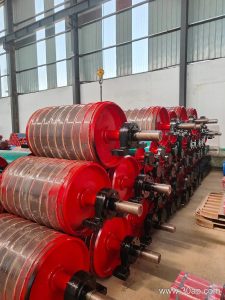
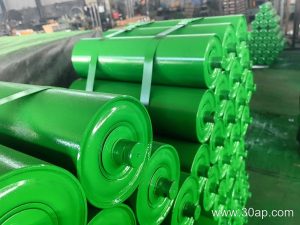
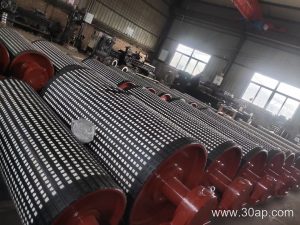
The roller body usually has a steel tube shell, with nylon, rubber or ceramic options where wear or material build-up is a concern. Bearings are commonly sealed deep-groove types; sizes such as 6205, 6305 or 6306 appear in this diameter class, but the bearing is matched to the shaft and load by the manufacturer rather than fixed by the roller diameter alone.
Where It Fits on the Conveyor
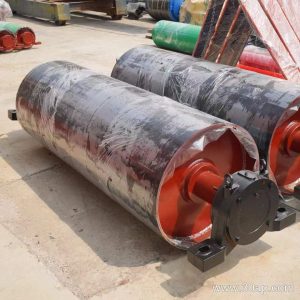
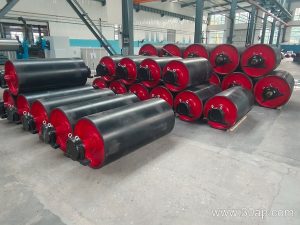
Self-aligning idlers are normally placed on the carrying side at intervals along a long run, and on the return side where the belt is prone to wander. They are not a substitute for a drive pulley, tail pulley or bend pulley; those components transmit power and change belt direction, while the Ø108 self-aligning idler only controls lateral position. A conveyor pulley and a training idler do different jobs and are not interchangeable.
Common locations include:
- Long straight sections in a coal washing plant or power station coal yard, where belt wander is most likely.
- Approach sections before a conveyor pulley, so the belt enters the pulley centred.
- Return runs in a limestone quarry, where off-centre belts can damage the return rollers.
Matching the Idler to the Belt
Belt width and roller length are related but not fixed to one another. For a three-roll troughing set, common roller lengths run from about 200 mm at B500 up to around 750 mm at B2000, with intermediate values such as 315 mm at B800 and 465 mm at B1200. These are reference examples; side rollers and centre rollers can differ, and a Ø108 idler should be selected from the actual conveyor design rather than from belt width alone.
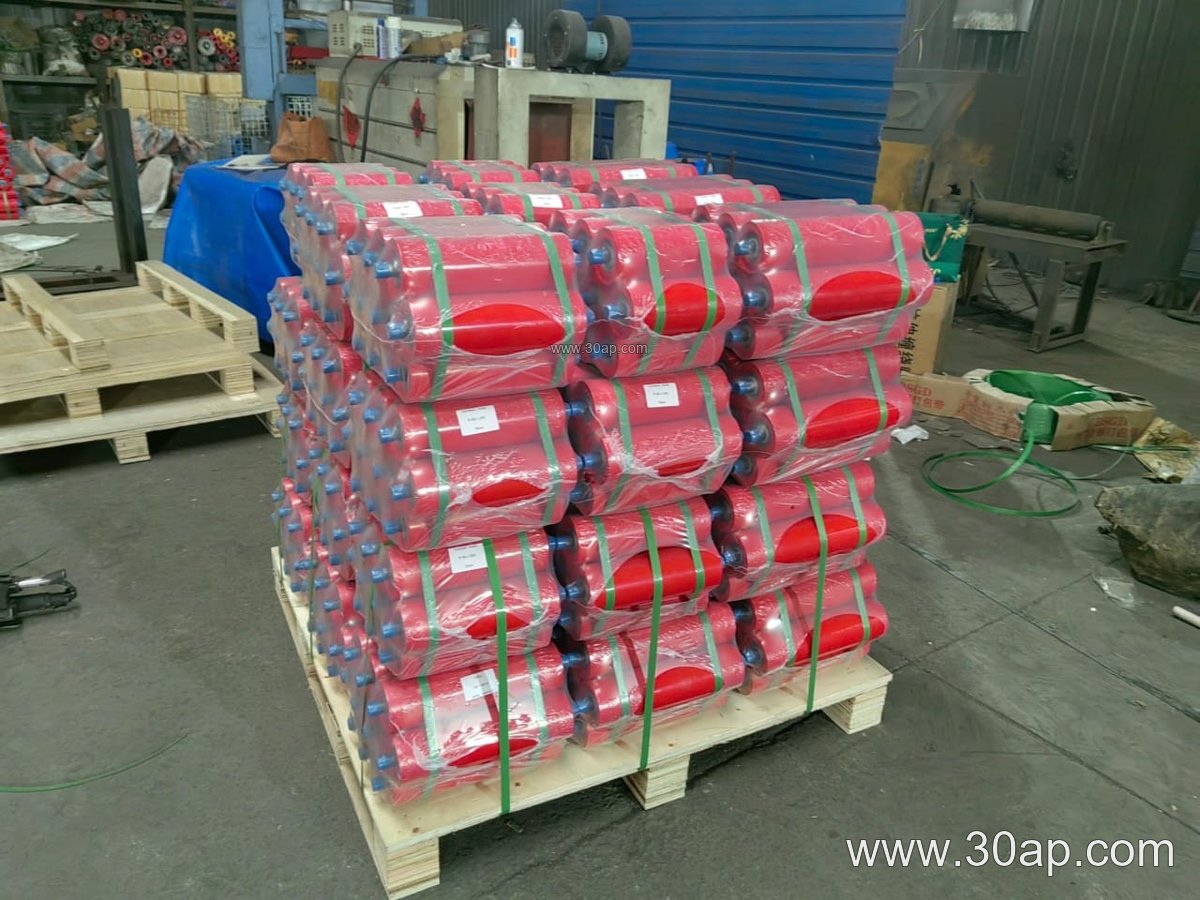
The table below shows typical reference values for this diameter class. They are indicative and should be confirmed against the conveyor specification.
| Parameter | Typical Reference |
|---|---|
| Roller diameter | Ø108 mm |
| Belt width range | B650 to B1400 (common) |
| Roller length examples | 250 mm at B650, 380 mm at B1000, 530 mm at B1400 |
| Trough angle | 20°, 30°, 35° or 45° |
| Roller surface | Steel tube, nylon, rubber ring or ceramic |
| Bearing options | 6205, 6305, 6306 (selected by load and shaft) |
Buyer Checklist
Before ordering a Ø108 self-aligning idler, confirm the belt width, the trough angle of the existing set, the mounting bracket pattern and the roller length. Check whether the application needs a rubber-covered or ceramic surface for sticky material, and whether the bearing seal suits dusty conditions in a crushing and screening plant. Ask for the shaft diameter and bearing fit as part of the assembly drawing, since these are design choices, not values that can be inferred from the 108 mm roller diameter.
Inspection during service is straightforward: watch for belt edge contact with the guide rollers, check that the pivot moves freely, and replace a roller once the shell wears thin or the bearing becomes noisy. A well-chosen Ø108 self-aligning idler keeps the conveyor belt tracking properly and reduces edge damage on the conveyor bracket and frame.