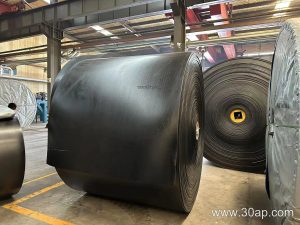
What the NN200 Conveyor Belt Is
The NN200 Conveyor Belt is a fabric core conveyor belt built on nylon (NN) canvas plies. In this naming system, the number refers to the nominal tensile strength of the carcass, expressed in newtons per millimeter of belt width. NN200 sits in the middle of the common nylon range, above lighter NN100 and NN150 constructions and below heavier NN300 and NN400 builds. Buyers will also see the same product described as a nylon conveyor belt or an NN fabric core conveyor belt; these are equivalent names for the same belt family, not different products.
Nylon carcass belts are valued for high strength-to-weight ratio, good flexibility, and strong resistance to fatigue. That combination suits long runs, relatively small pulley diameters, and systems that start and stop often. In a quarry, a coal preparation plant, a cement works, or a power plant coal yard, an NN200 belt is often a practical middle ground between a general EP conveyor belt and a much heavier steel cord conveyor belt.
Construction and Typical Specifications
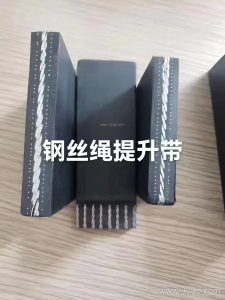
The belt is usually made with two to six nylon fabric plies, depending on the required strength and the load profile. Top and bottom rubber covers protect the carcass from abrasion, impact, moisture, and in some cases heat, oil, or flame. Cover grade and thickness should be chosen for the material being carried, not only for the tonnage.
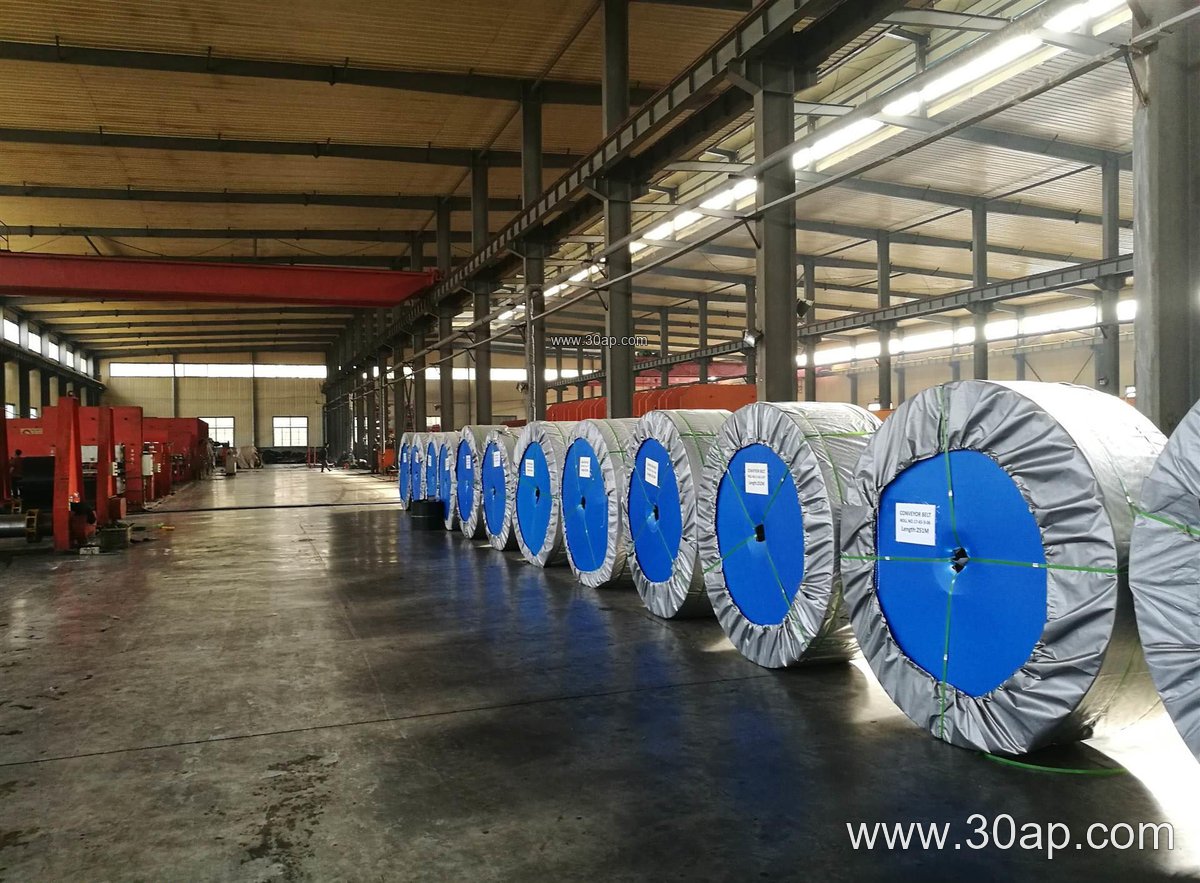
The table below shows commonly referenced values. Actual figures are set by the manufacturer and confirmed at order stage; they are not universal guarantees.
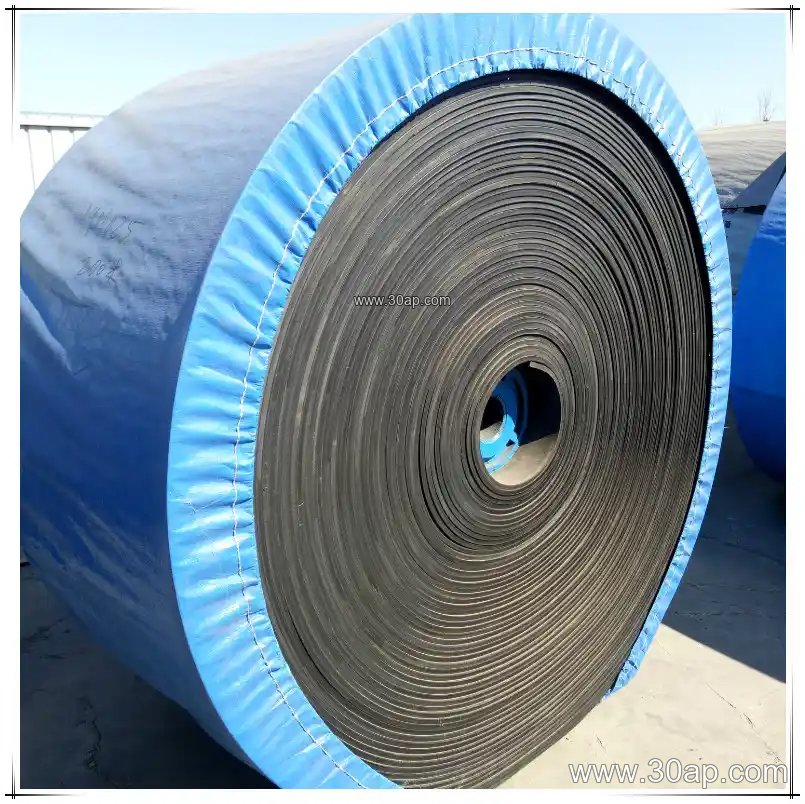
- Carcass type: NN nylon fabric, multi-ply
- Nominal strength: NN200 (typical range NN100 to NN400)
- Common belt widths: B500, B650, B800, B1000, B1200, B1400, B1600, B1800, B2000
- Cover combinations: 3+1.5, 4+2, 5+2, 6+2, 8+3 mm
- Ply count: usually 2 to 6 layers
Cover thickness matters on abrasive duty. A 4+2 mm build is common on mixed aggregate, while 6+2 mm or 8+3 mm may be specified where sharp rock or recycled material causes heavy wear. On a primary crusher discharge, an impact resistant conveyor belt grade is often worth considering, and a chevron conveyor belt may be used on an incline where material would otherwise roll back. These are separate designs, not substitutes for the NN200 carcass belt itself.
Where It Fits in the Plant
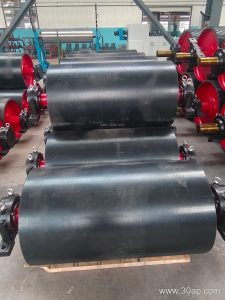
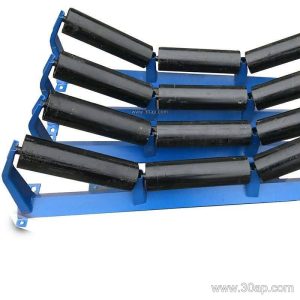
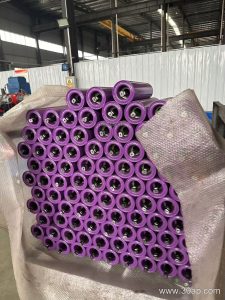
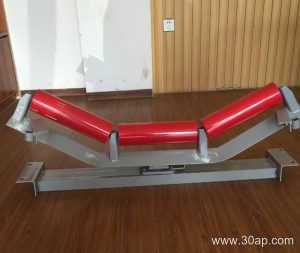
Typical duties include transporting crushed stone, ore, clinker, coal, sand, and other bulk material on troughed idler roller sets. The belt runs over a drive pulley, tail pulley, and bend pulleys, and the pulley diameters should be checked against the belt manufacturer’s recommended minimum for the ply count and cover. A conveyor bracket and frame arrangement that keeps the belt well supported and aligned will extend service life as much as belt quality does.
Industry use is broad. In sand and gravel plants, NN200 often handles screened aggregate; in cement plants it may feed raw meal or clinker; in mining operations it can serve as a bench or transfer belt. For underground coal work, flame retardant and anti-static properties are usually required by the site’s safety rules, so the specification should state those requirements clearly rather than assuming a standard belt will be accepted.
Selection and Maintenance Notes
Before ordering, confirm the material type, lump size, moisture, temperature, incline angle, throughput, and the smallest pulley in the system. Ask for the carcass ply count, cover grade, and cover thickness in writing. If the duty involves heat, oil, or cold, specify a heat resistant, oil resistant, or cold resistant cover rather than relying on a general-purpose compound.
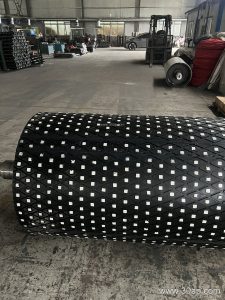
On site, keep the belt tracking straight, maintain idler roller rotation, and check pulley lagging and splice condition regularly. A poorly aligned belt wears its edges quickly even when the carcass is strong.
For buyers comparing options, NN200, EP200, and similar fabric core belts can often be reviewed side by side, while steel cord constructions belong to a different strength class. A clear duty description is the fastest route to the right belt.