What a Recycling Conveyor Belt Does
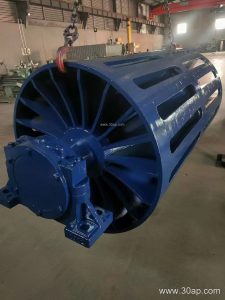
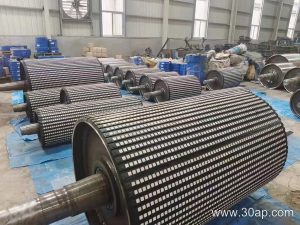
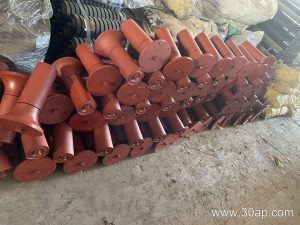
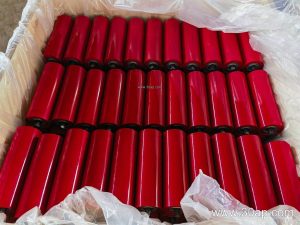
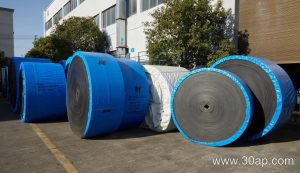
A recycling conveyor belt is the moving surface that carries mixed waste, sorted recyclables, or processed material through a recovery facility. It must handle sharp edges, fluctuating loads, and frequent starts and stops. Unlike belts used in mining or cement plants, a recycling conveyor belt often runs at lower tension but faces highly variable material profiles. The belt works with conveyor pulleys, idler rollers, and conveyor brackets to form a complete conveying line. For facilities that also process construction and demolition debris, an abrasion resistant conveyor belt grade may be needed to resist cuts and gouges.
Construction and Common Configurations
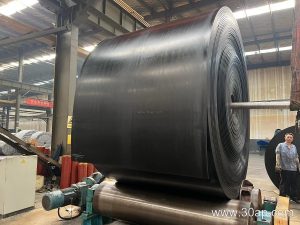
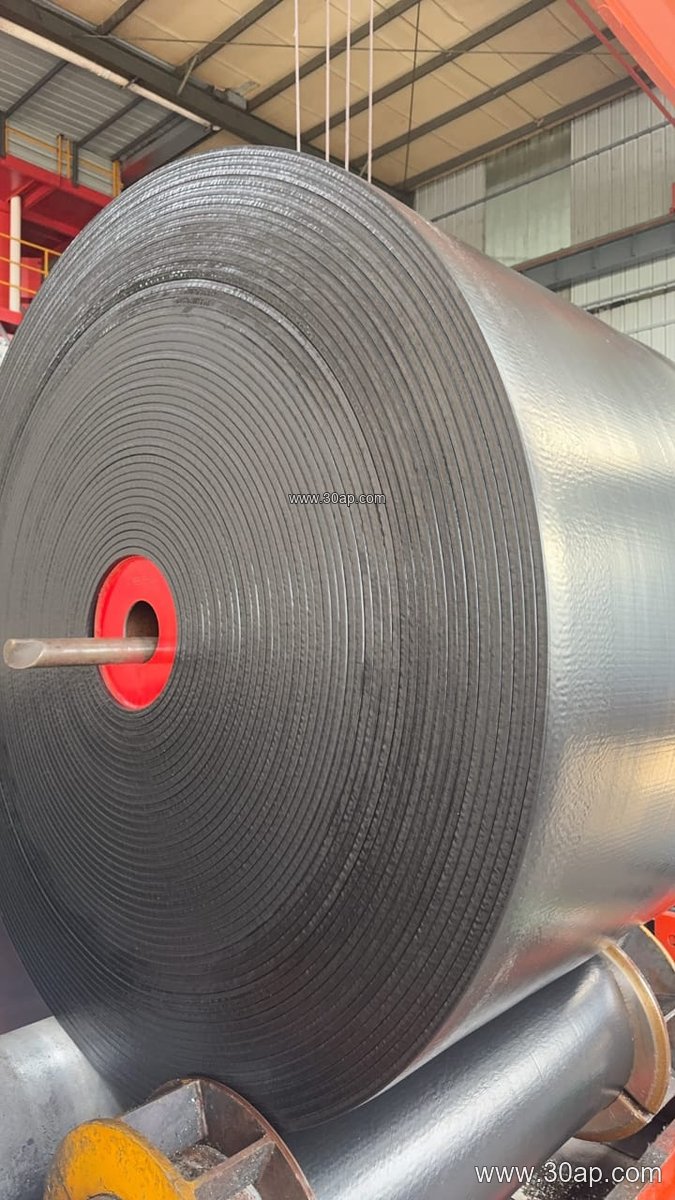
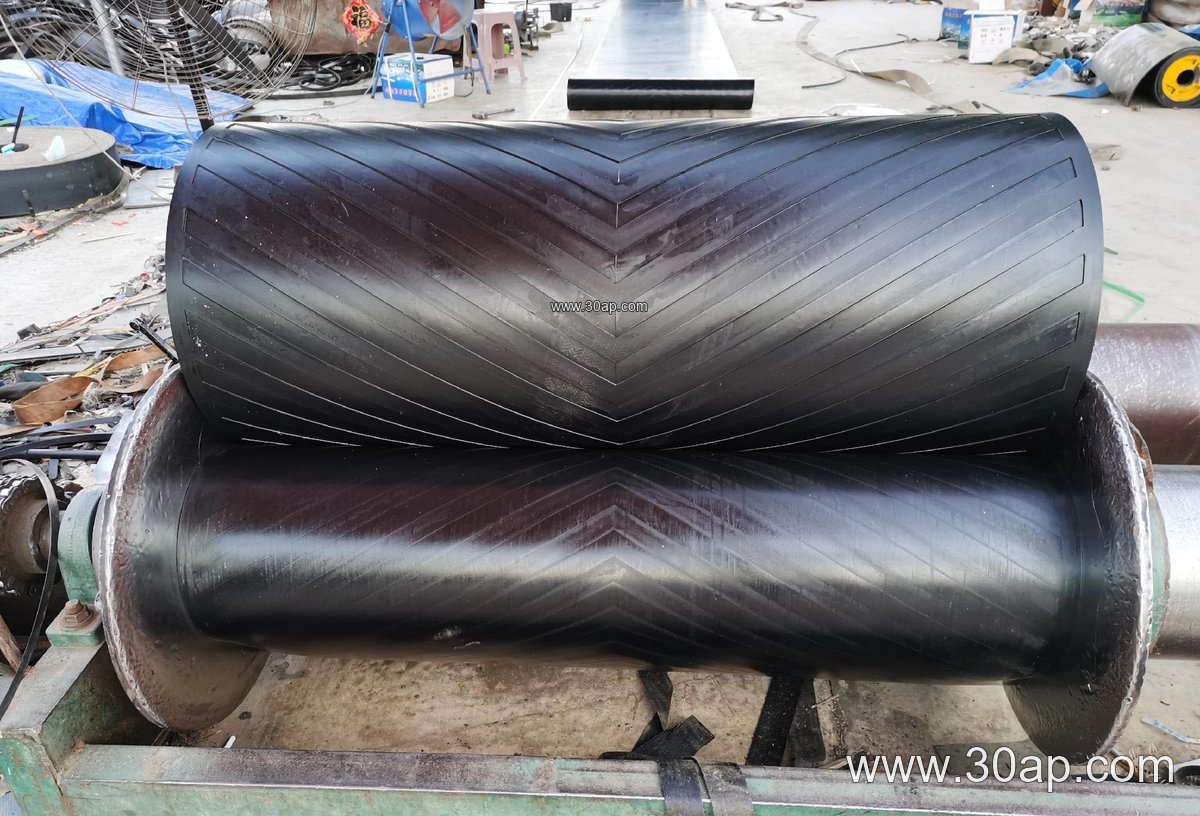
Most recycling conveyor belts use a fabric core, such as an EP conveyor belt or NN conveyor belt, with rubber covers. The carcass provides tensile strength, while the cover compound protects against wear, oil, or moisture. Multi-ply fabric core conveyor belts are common in sorting lines where flexibility around small pulleys matters. For heavier streams containing metal or glass, a steel cord conveyor belt may be chosen, though it is less common in light recycling. Surface patterns help incline conveyors: a chevron conveyor belt or a corrugated sidewall conveyor belt keeps material from sliding back or spilling at transfer points.
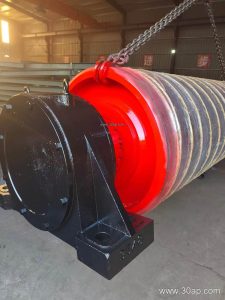
Common belt widths in recycling plants range from 500 mm to 1400 mm, with 800 mm and 1000 mm being frequent choices for sorting lines. Cover thickness is usually specified as top cover plus bottom cover, for example 4+2 mm or 5+2 mm. The number of fabric plies typically falls between 2 and 6, depending on the required strength and pulley diameters. A buyer should not assume that one belt width matches only one pulley diameter; the drive pulley, tail pulley, and bend pulley are selected by the conveyor designer based on tension, shaft load, and space.
Where Recycling Conveyor Belts Are Used
These belts appear in municipal recycling facilities, e-waste dismantling lines, compost plants, and construction waste sorting stations. In a typical line, a primary infeed belt carries mixed material to a manual sorting station, where a fabric core conveyor belt with a smooth surface allows easy picking. An incline belt with a chevron or skirted profile moves material to a baler or shredder. In facilities that handle oily components, an oil resistant conveyor belt may be specified. For outdoor yards exposed to sunlight and cold, a cold resistant conveyor belt or anti-static conveyor belt can reduce cracking and static buildup.
The same conveying principle appears in quarry conveyor belts and aggregate conveyor belts that feed recycled concrete into crushers. A crusher conveyor belt must tolerate impact from falling rubble, so an impact resistant conveyor belt with thicker covers is often considered. In power plants and cement plants, heat resistant conveyor belt grades handle ash or clinker, but recycling lines rarely need high-temperature resistance unless they process incinerator bottom ash.
Key Selection Points for Buyers
Specify the material type, lump size, and any oil or chemical exposure. A rubber conveyor belt with a standard abrasion resistant cover suits most dry recyclables. If the line handles sharp glass or metal, a high abrasion resistant conveyor belt grade extends service life. Check the pulley diameters and take-up travel with the belt supplier; a thick, multi-ply belt may need larger pulleys than a thin PVC conveyor belt. For underground or confined spaces, a flame retardant conveyor belt or fire resistant conveyor belt may be required by site rules, though recycling plants above ground often use standard grades.
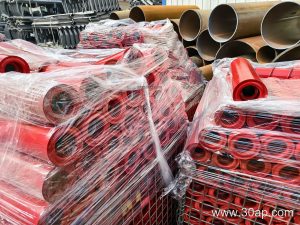
Belt tension, splice type, and troughability also matter. An endless conveyor belt reduces splicing failures in continuous sorting operations, while a mechanical splice allows faster replacement. Keep spare idler rollers and a spare conveyor pulley on hand to reduce downtime. The conveyor bracket and frame should be checked for corrosion in wet recycling streams.
Maintenance and Wear Checks
Inspect the belt surface for cuts, cover wear, and edge fraying. Check that idler rollers turn freely and that the tail pulley is aligned. A misaligned bend pulley can cause edge damage on any fabric core conveyor belt. Clean spilled material from return rollers to prevent tracking problems. Record cover thickness at fixed points every few months; when the cover wears close to the carcass, plan a replacement. For belts carrying oily recyclables, verify that the oil resistant cover has not swelled or softened.