What a Building Materials Conveyor Pulley Does
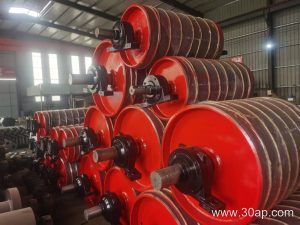
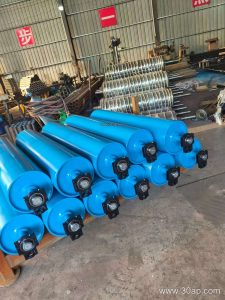
In a quarry, a cement plant, or a sand and aggregate line, the conveyor pulley is the component that turns a flat belt into a working loop. It transmits torque, maintains tension, and guides the belt along its path. Unlike a drive pulley, which powers the belt, or a tail pulley, which returns it, the building materials conveyor pulley is often specified for abrasive, dusty, and sometimes wet conditions. Understanding its construction helps buyers avoid premature wear and unplanned downtime.
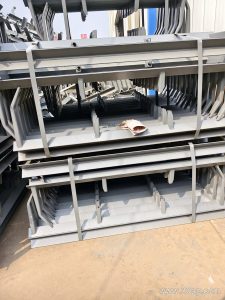
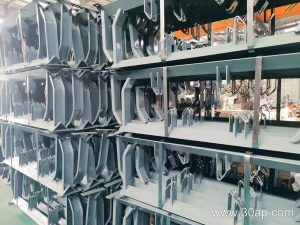
This article focuses on the building materials conveyor pulley as a complete assembly—shell, shaft, hubs, and lagging—and how it fits into bulk handling systems. Related components such as the conveyor bracket, idler roller, and conveyor belt are mentioned only where they affect pulley performance.
Construction and Surface Options
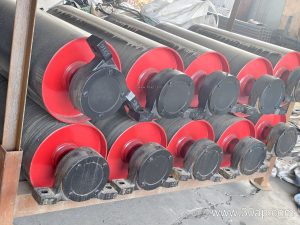
A typical building materials conveyor pulley is built from a steel shell welded to end discs, with a through shaft or stub shafts. The shell diameter and face width are matched to the belt width and the load. Common surface forms include plain steel, cast rubber, cold-bonded rubber, hot-vulcanized rubber, diamond grooved lagging, herringbone lagging, and ceramic lagging. Lagging thickness often ranges from 8 mm to 20 mm, depending on the duty.
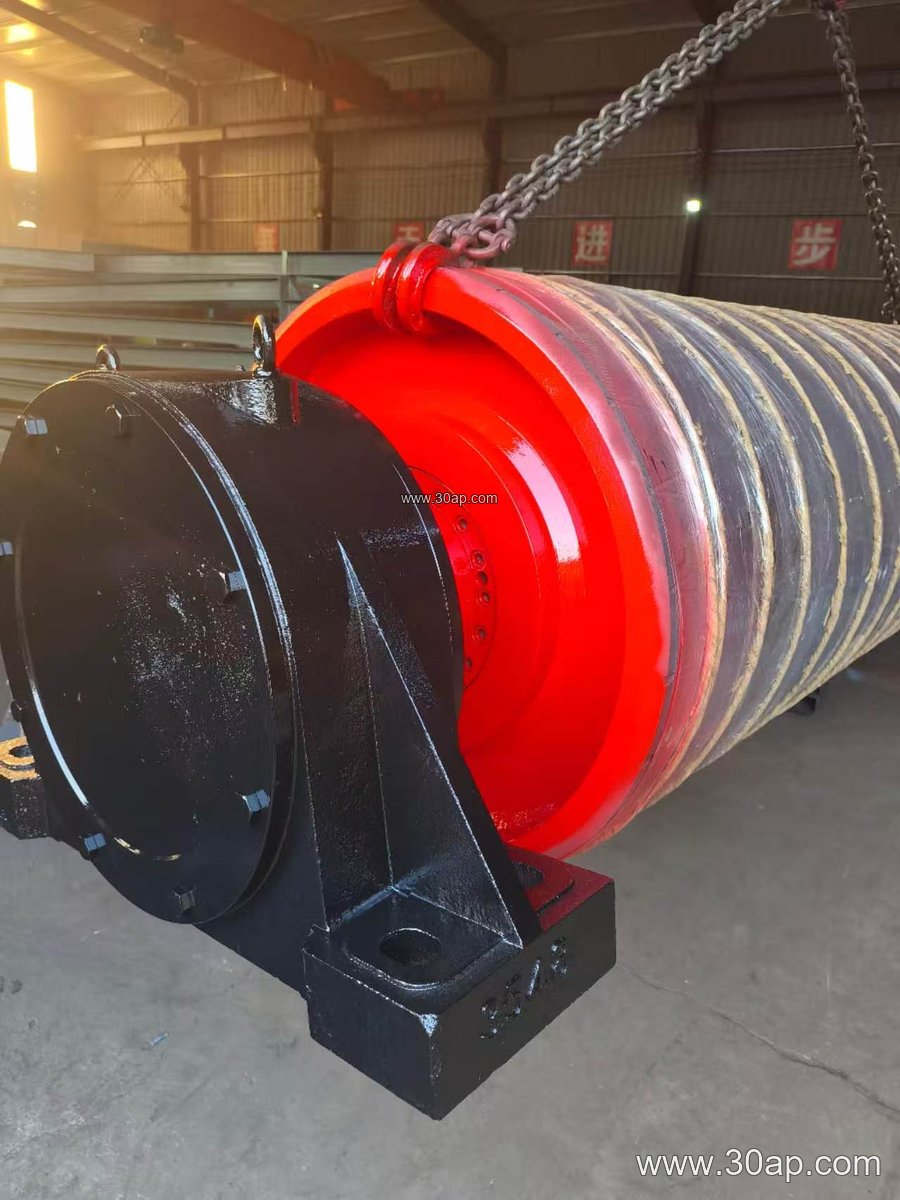
For a quarry conveyor belt carrying sharp rock, ceramic or diamond lagging improves grip and reduces slip. In a cement plant, heat-resistant and abrasion-resistant conveyor belts may run alongside pulleys that need heat-tolerant lagging. The pulley surface should be chosen together with the belt cover, not in isolation.
| Common Pulley Face Width | Typical Belt Width Reference | Example Diameter Combinations |
|---|---|---|
| 500 mm | B400 | Ø200, Ø250 |
| 600 mm | B500 | Ø250, Ø315 |
| 750 mm | B650 | Ø315, Ø400 |
| 950 mm | B800 | Ø400, Ø500 |
| 1150 mm | B1000 | Ø500, Ø630 |
| 1400 mm | B1200 | Ø630, Ø800, Ø1000 |
| 1600 mm | B1400 | Ø800, Ø1000 |
| 1800 mm | B1600 | Ø1000, Ø1250 |
| 2000 mm | B1800 | Ø1250, Ø1400 |
| 2200 mm | B2000 | Ø1400, Ø1600 |
These values are for reference only. A B1200 belt may use a Ø800 pulley in one plant and a Ø1000 pulley in another, depending on belt tension, wrap angle, and space. Shaft diameter is determined by torque and load, not by belt width alone; common shaft sizes include Ø50 to Ø200 mm.
Where It Fits in Building Materials Handling
In a stone crushing line, the building materials conveyor pulley at the head end often works with a heavy-duty conveyor belt and a series of idler rollers. In a cement plant, pulleys handle clinker and raw meal, where dust and heat are present. In a power plant coal yard, flame-retardant and anti-static belt properties matter, and the pulley lagging should resist build-up.
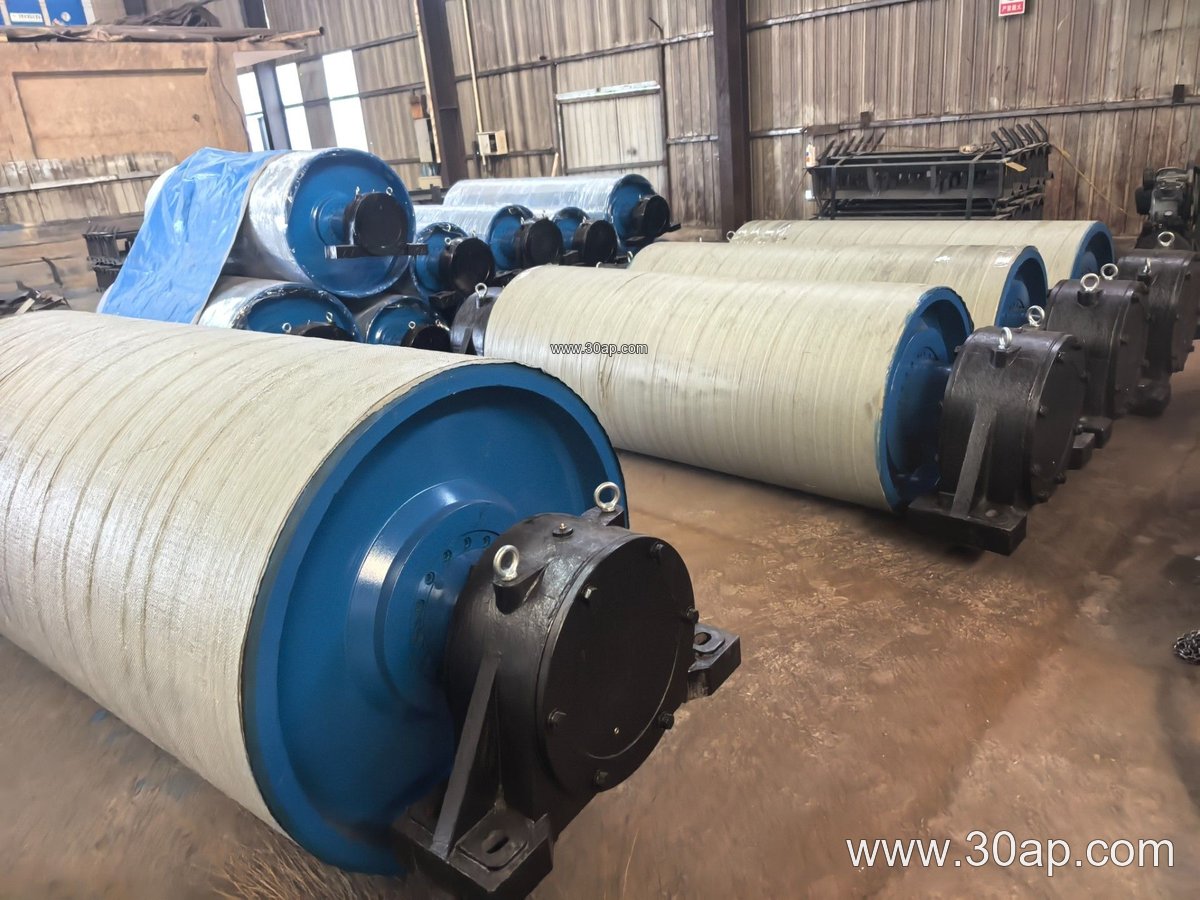
Other applications include lime kilns, fertilizer granulation, and tunnel muck removal. In each case, the pulley must match the belt type—whether an EP conveyor belt, NN conveyor belt, steel cord conveyor belt, or a specialty belt such as a chevron conveyor belt or corrugated sidewall conveyor belt. A pipe conveyor belt may require a different pulley profile and careful alignment.
For a coal mining conveyor belt, a flame-retardant conveyor belt is common, and the pulley should be selected with the same safety intent. In a copper ore or iron ore operation, abrasion-resistant conveyor belts pair with ceramic-lagged pulleys to extend service life.
Buyer Checklist
- Confirm the actual belt width and the pulley face width; the face is usually wider than the belt.
- State the belt type and duty—abrasion-resistant, heat-resistant, oil-resistant, or flame-retardant—so lagging can be matched.
- Provide the required diameter and shaft size based on torque, not guesswork from belt width.
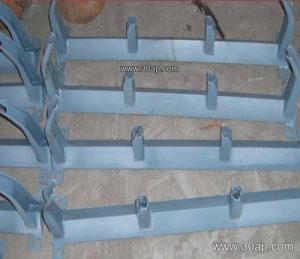
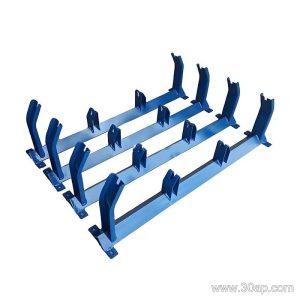
- Check the conveyor bracket and bearing arrangement for ease of installation and maintenance.
- Ask for the lagging thickness and surface pattern if slip is a concern.
Proper storage and periodic inspection of lagging, welds, and shaft runout will keep a building materials conveyor pulley in service longer. When replacing a pulley, review the entire belt path, including idler rollers and brackets, to avoid introducing a new weak point.