What Pulley Lagging Is and Why It Matters
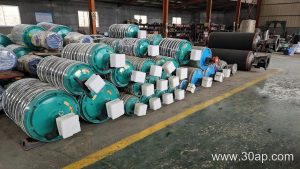
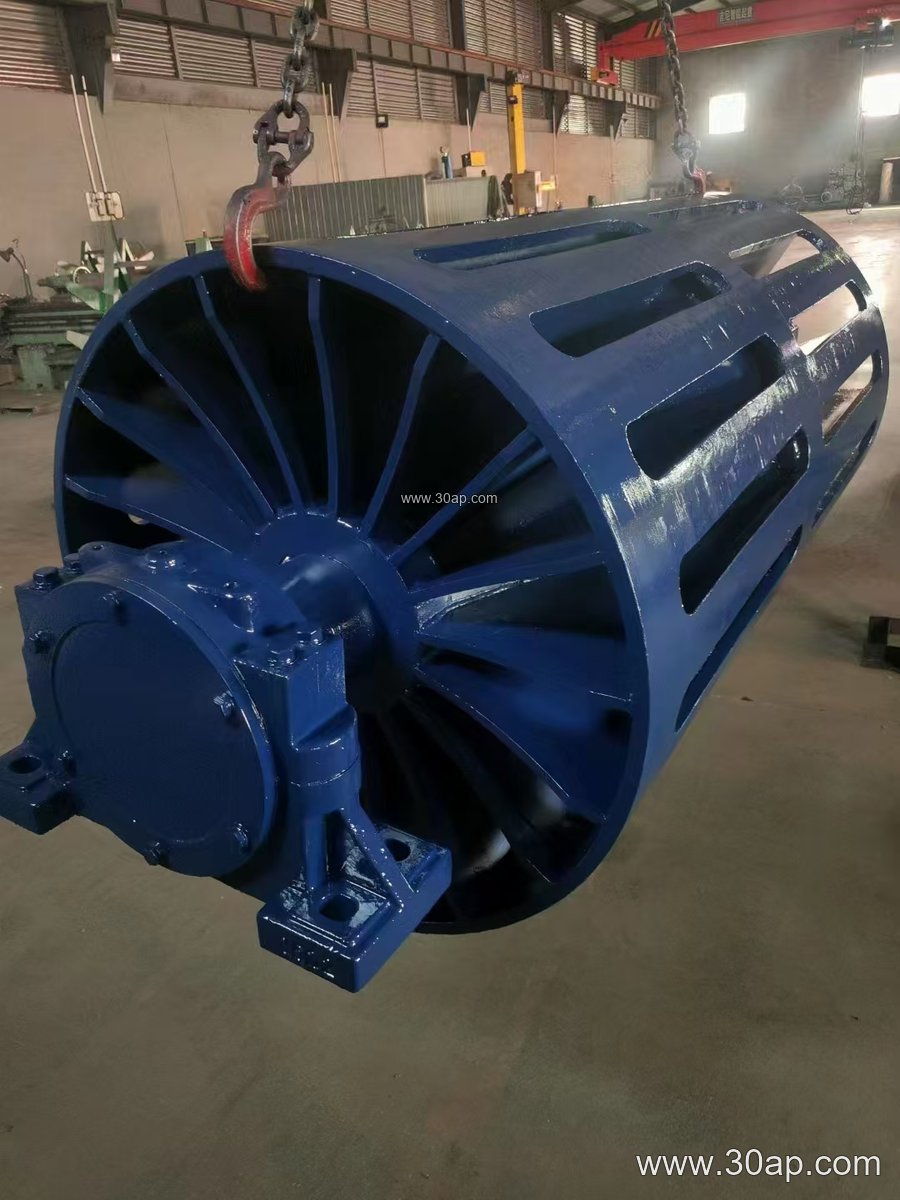
Pulley lagging is the rubber, ceramic, or composite layer applied to the shell of a conveyor pulley to improve grip between the pulley and the conveyor belt. Without it, a drive pulley can slip under load, especially in wet or dusty conditions. The lagging also protects the pulley shell from wear and can extend the life of the belt by reducing slippage and misalignment. Whether you run a quarry conveyor belt or a coal mining conveyor belt, the right lagging helps maintain steady throughput.
How Pulley Lagging Is Built
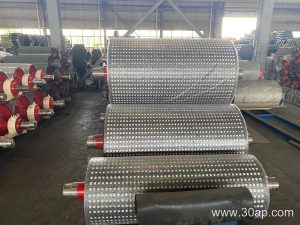
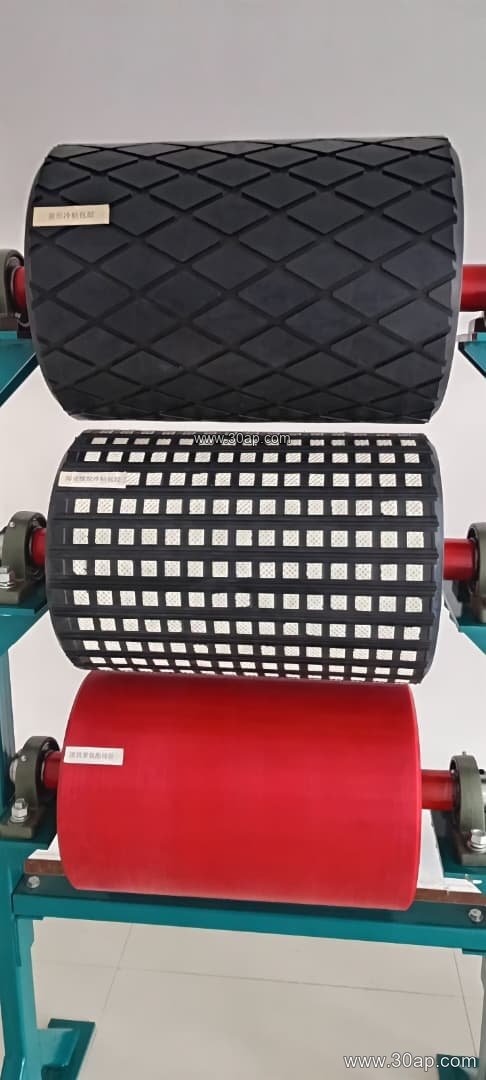
Lagging is typically bonded to the pulley surface in one of three ways: hot vulcanized, cold bonded, or bolted ceramic tiles. Rubber lagging may be plain, diamond patterned, or herringbone grooved to channel water and debris away from the contact zone. Ceramic lagging uses small ceramic tiles set in rubber for high abrasion resistance, often in drive pulleys on heavy-duty mining conveyor belts. Thickness commonly ranges from 8 mm to 20 mm, with 10 mm and 12 mm being frequent choices for general duty. The pulley face width is usually slightly wider than the belt, for example a B800 belt often pairs with a pulley face around 950 mm, but the exact combination is determined by the conveyor design rather than a fixed rule.
Where Pulley Lagging Is Used
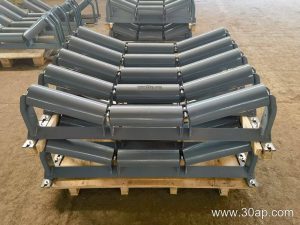
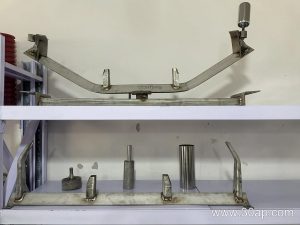
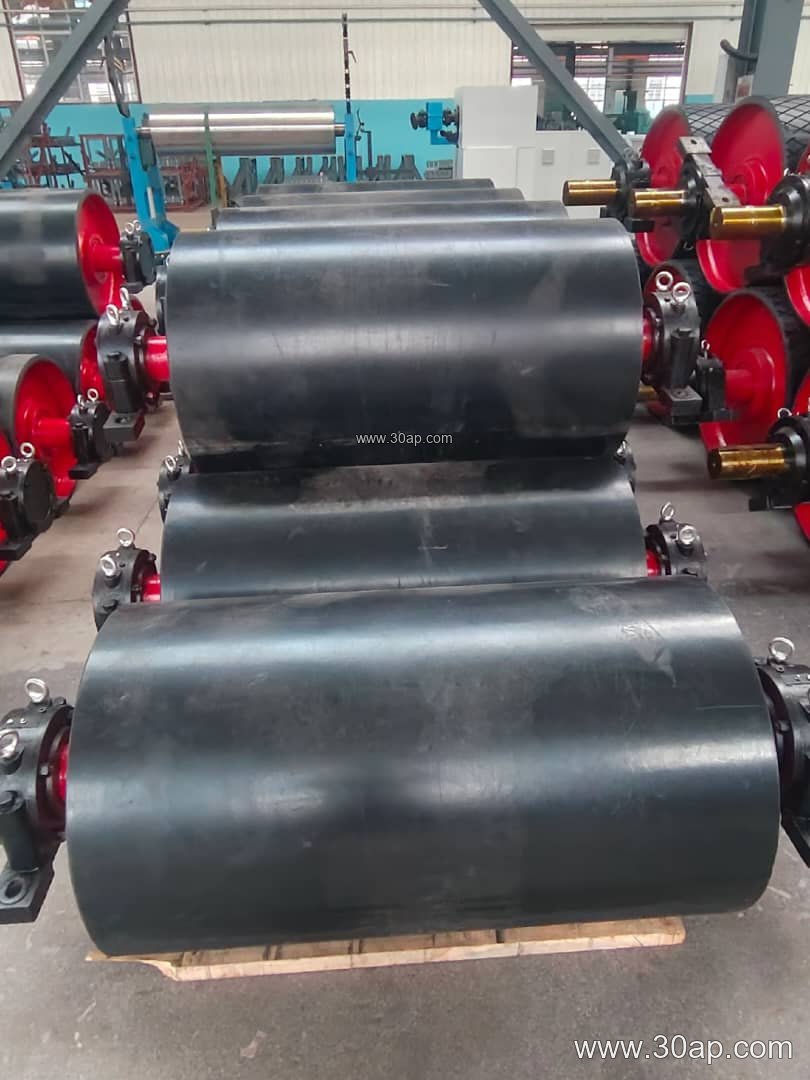
Lagging appears on drive pulleys, tail pulleys, and bend pulleys, but its role differs by position. On a drive pulley, the goal is torque transmission; on a tail pulley, it helps center the belt and reduce material buildup. In a limestone mine or a cement plant, lagging on the head pulley protects against fine dust and moisture. In a power plant coal handling system, flame retardant conveyor belts often run with lagged pulleys to reduce slip risk. The lagging also works alongside idler rollers and conveyor brackets to keep the belt tracking correctly.
Surface Forms and Selection
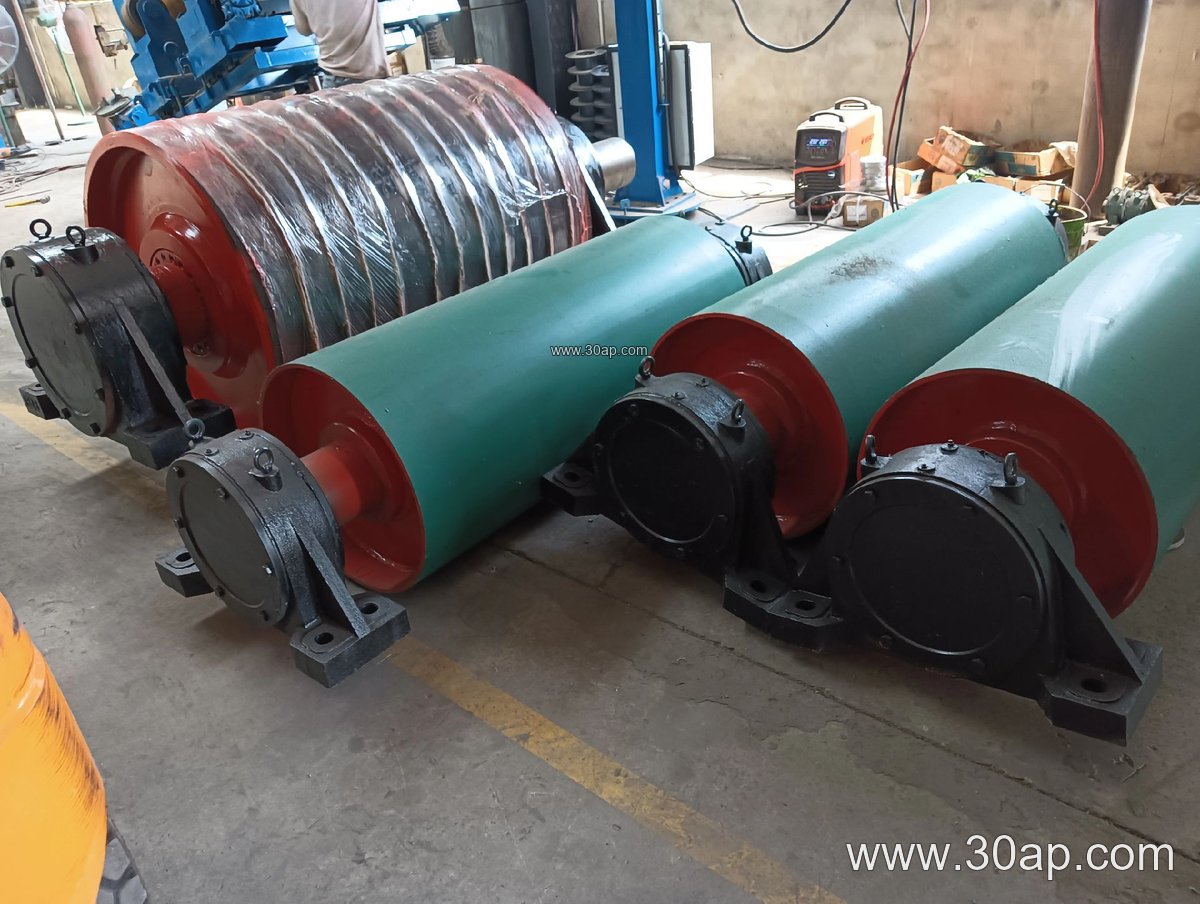
Choosing a surface form depends on the material and the environment. Diamond lagging is common for dry bulk on a sandstone quarry conveyor belt, while herringbone patterns shed water better in washdown areas. Ceramic lagging suits high abrasion sites such as iron ore conveyor belts or copper ore conveyor belts. Plain rubber lagging is often enough for light-duty or reversing belts. For heat exposure, as with heat resistant conveyor belt lines in a sinter plant, lagging compounds must tolerate elevated temperatures. Buyers should match lagging hardness and pattern to the actual belt tension and load, not just the belt width. A B1200 pulley with Ø1000 diameter may use 12 mm diamond rubber, but a B1400 with Ø800 might need 15 mm ceramic if the duty is severe.
Buyer Checklist
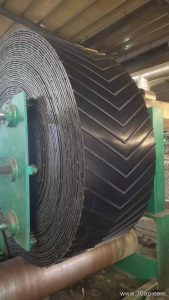
Before ordering, confirm the pulley diameter, face width, shaft diameter, and the belt type it will run against. A steel cord conveyor belt or a multi-ply fabric core conveyor belt may need different lagging grip than a chevron conveyor belt. Check whether the lagging will be hot vulcanized at the factory or cold bonded on site, as this affects lead time and reliability. Ask for the lagging thickness and pattern in writing, and verify that the pulley face width exceeds the belt width by a reasonable margin. For a portable or relocatable conveyor, consider bolt-on ceramic tiles for easier replacement. Remember that shaft diameter is determined by torque and load, not by belt width alone, so do not assume a fixed shaft size from a B650 or B1000 belt.
Maintenance and Longevity
Inspect lagging for wear, glazing, or missing tiles during routine shutdowns. Worn lagging can cause belt slip, which increases heat and wear on both the pulley and the belt. In a dusty aggregate conveyor belt system, clean the lagging surface to maintain friction. If the lagging is grooved, check that grooves are not clogged with hardened material. Replacing lagging before it fails avoids unplanned downtime in continuous operations such as a port conveyor belt or a recycling conveyor belt. Keep spare lagging sheets or tiles on hand for critical drive pulleys, and follow the manufacturer’s cure times for cold-bonded repairs.